Yes, one coffee pod is engineered to make exactly one cup of coffee. Across single-serve systems including Keurig, Nespresso, and soft pod brewers, each pod contains a fixed, pre-measured dose of ground coffee designed for a single brew cycle. This standardization delivers consistent flavor, reliable strength, and maximum convenience — but it also means stretching one pod across multiple cups will always result in weak, diluted coffee.
Below, we break down how much coffee is in each pod, how many ounces they brew, compatibility rules, and whether reusing pods ever works.
Key Takeaways
- One coffee pod contains a precise single serving of grounds, intended for exactly one cup.
- Pod types are not universal: K-Cups fit Keurig machines, capsules work with Nespresso-style systems, and soft pods require low-pressure brewers.
- Reusing a pod produces weak, bitter coffee; the first extraction removes nearly all soluble flavor compounds.
- For a stronger drink, use a smaller brew size (e.g., 6 oz) or choose a “bold” / “intenso” pod, rather than adding more grounds.
- Following the one-pod-per-cup rule ensures consistent taste, preserves machine health, and avoids waste.
Is One Coffee Pod Enough for One Cup?

One coffee pod holds exactly enough grounds for one standard serving. Manufacturers fill each pod with a precisely measured amount of coffee, calibrated to match the water flow and pressure of their corresponding brewing system.
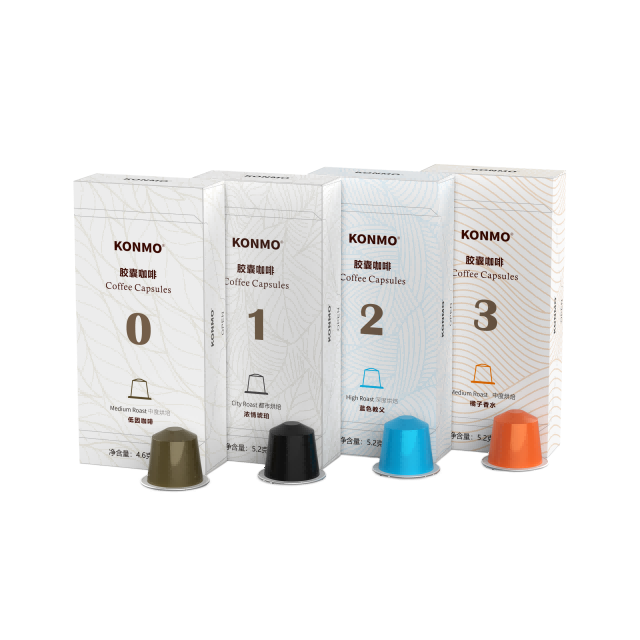
For example, KONMO capsules are dosed for optimal extraction under 15–20 bar pressure, delivering uniform flavor cup after cup. The sealed, single-serve design also locks in aroma and prevents oxidation, ensuring freshness until the moment you brew.
How Much Coffee Is in One Pod?
Coffee content varies by pod type, but all are formulated for a single serving:
- K-Cups: 9–12 grams of ground coffee, designed for drip-style brewing.
- Nespresso-style capsules: 5–7 grams of finely ground coffee, optimized for high-pressure espresso extraction.
- Soft pods: ~7 grams of coffee in a flat paper filter, made for low-pressure or gravity brewers.
This range is not arbitrary — it aligns with the water volume and pressure of each system to hit the ideal 18–22% extraction rate, the sweet spot for balanced flavor and strength.
How Many Ounces Can One Pod Brew?
Brew volume is controlled by your machine settings, not the pod itself. The amount of coffee inside stays fixed, so more water simply produces a weaker, more diluted drink.
Standard brew sizes by system
- Keurig / K-Cup systems: Adjustable from 6 oz to 16 oz. An 8 oz pour is the standard for balanced drip coffee; a 6 oz setting yields a stronger, more concentrated cup.
- Nespresso / capsule systems: Typical espresso pours are ~40 ml, while lungo settings deliver ~100 ml. Larger volumes use the same amount of coffee, resulting in a milder drink.
As a rule of thumb: the smaller the brew size, the stronger the cup. Increasing water volume adds liquid but not flavor.
Coffee Pod Types & Machine Compatibility
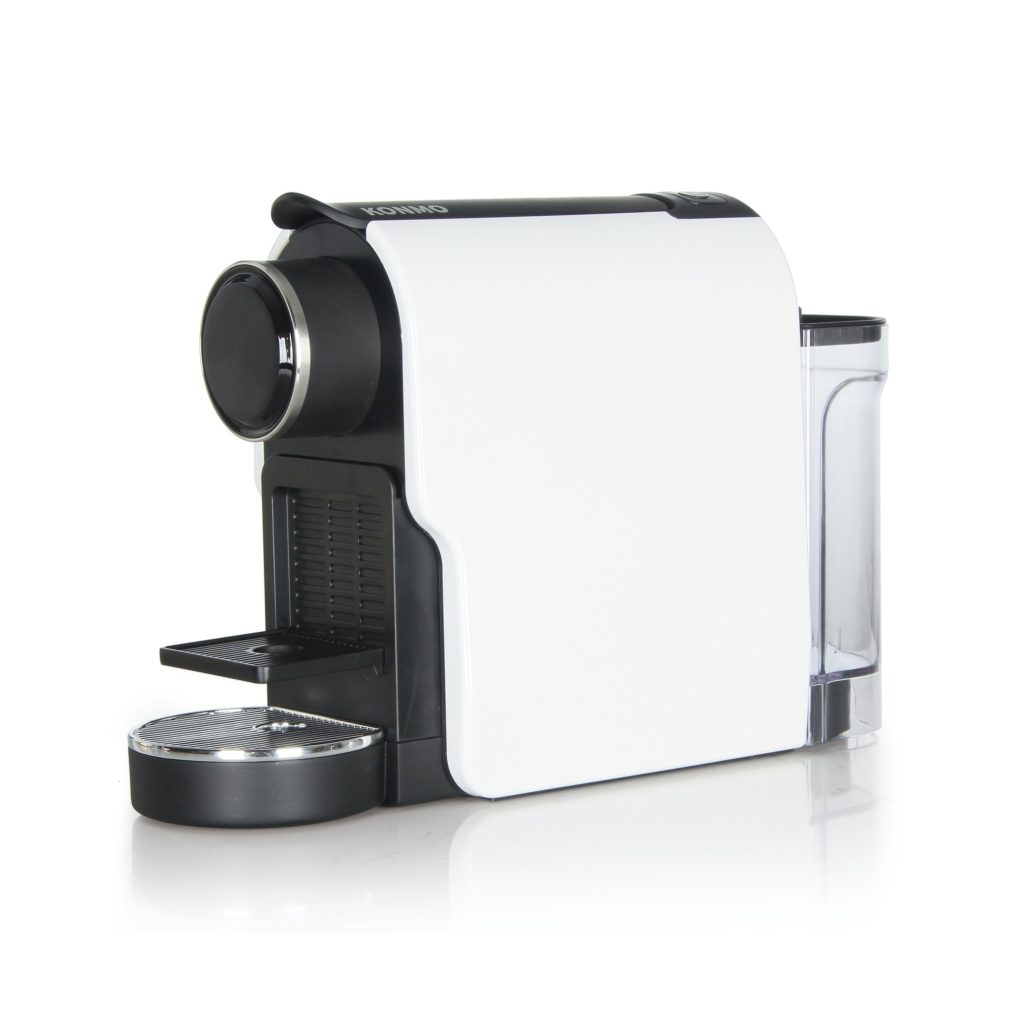
The term “coffee pod” covers three distinct formats, each built for a specific brewing system. They are not interchangeable across all machines.
| Feature | K-Cups | Coffee Capsules | Soft Pods |
|---|---|---|---|
| Shape | Cup-shaped plastic container | Cylindrical rigid shell | Flat round paper pouch |
| Material | #7 plastic, paper filter, aluminum seal | Aluminum or plastic shell | Paper filter only |
| Brewing Pressure | Low-pressure drip | High-pressure (~19 bar) | Low-pressure / gravity |
| Coffee Weight | 9–12 g | 5–7 g | ~7 g |
| Result | Standard drip brew | Espresso with crema | Light-bodied brew |
| Compatible Machines | Keurig brewers | Nespresso, Lavazza, Caffitaly (system-specific) | Low-pressure pod brewers |
Most systems use proprietary sizing: Nespresso OriginalLine capsules will not fit Keurig machines, and vice versa. Some brands, like KONMO, design portable brewers that work with multiple capsule formats, adding flexibility. Always check your machine’s manual before purchasing pods.
Can You Reuse a Coffee Pod?
No — you should never use the same coffee pod for two cups. The science of coffee extraction explains why:
Coffee beans contain roughly 30% water-soluble compounds (caffeine, acids, sugars, oils). A proper first brew extracts 18–22% of those compounds — the ideal range for good flavor. After that, almost no desirable soluble material remains. A second brew will pull out only bitter, woody compounds, resulting in weak, watery, unpleasant coffee.
For high-pressure capsules like Nespresso, there is an additional issue: the brewing process punctures the foil and shell. A damaged capsule cannot build the pressure needed for proper extraction, so water simply flows through the used grounds without extracting flavor.
Common myths about reusing pods
- Myth: Running a pod twice with less water makes two strong cups. Fact: The first brew removes nearly all soluble flavor. A second run just produces a smaller amount of weak liquid.
- Myth: Letting the pod rest between brews restores flavor. Fact: Resting does not replenish dissolved solids or coffee oils. The grounds remain depleted.
- Myth: A longer second brew pulls out more flavor. Fact: Extended contact with water only extracts bitter, unwanted compounds, not good flavor.
How to Make a Stronger Cup From a Single Pod
You don’t need an extra pod to make stronger coffee. Try these two evidence-based tweaks:
- Use the smallest brew size setting Most machines offer a 6 oz option. Less water concentrates the same amount of coffee solids, resulting in a richer drink. This works across both K-Cup and capsule systems.
- Choose a “bold” or “intenso” pod These blends use darker roasts or finer grinds to deliver more intensity within the same single-serving format. A darker roast naturally tastes bolder, and a finer grind extracts faster for more strength.
Increasing water volume will never make coffee stronger — it only dilutes the fixed amount of flavor in the pod.
FAQ
Can you make two cups from one coffee pod?
No. One pod contains enough grounds for only one proper cup. The first brew extracts nearly all desirable flavor compounds, and a second run produces weak, bitter coffee. This applies to all single-serve systems, including Keurig and Nespresso.
Why does coffee taste weaker with larger cup sizes?
The amount of coffee in the pod stays the same regardless of brew volume. More water dilutes the dissolved coffee solids, resulting in a milder drink. For stronger coffee, select a smaller brew size.
Are all coffee capsules compatible with every machine?
No. Different systems use proprietary pod sizes and shapes. Nespresso OriginalLine capsules will not fit Keurig machines, and vice versa. Some brewers (like KONMO’s portable models) support multiple capsule formats. Always check your machine’s compatibility first.
What happens if you reuse a Nespresso capsule?
The brewing process punctures the capsule’s foil seal, so it cannot build the high pressure needed for espresso extraction. Water flows through the already-depleted grounds, resulting in weak, flavorless brown liquid instead of proper coffee.
How do you make coffee stronger without using another pod?
Select the smallest brew size on your machine (typically 6 oz) for a more concentrated drink. For even more intensity, choose a “bold” or “intenso” pod with a darker roast or finer grind.
Final Verdict
One coffee pod is designed for exactly one cup — that’s the foundation of single-serve coffee’s convenience and consistency. Each format contains a pre-measured dose calibrated for its specific system, ensuring optimal extraction and fresh flavor every time.
Trying to stretch one pod across multiple cups will always sacrifice taste. For the best results, match your pod type to your machine, use a smaller brew size for stronger coffee, and always use a fresh pod for each serving.