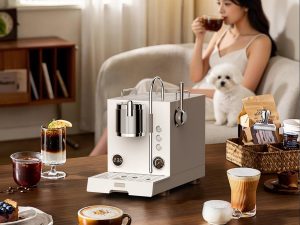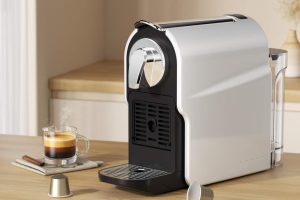
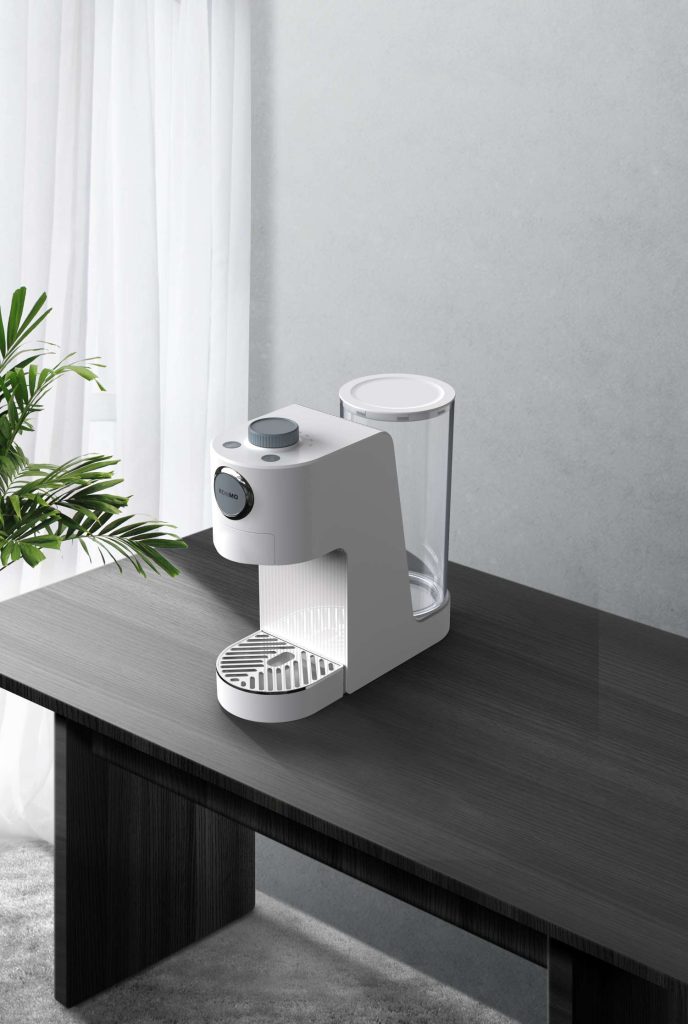
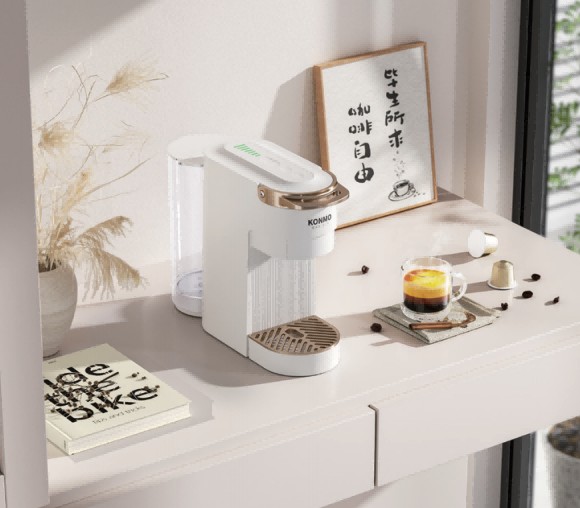
You need 9 bars of pressure in your coffee machine to make great espresso. In coffee making, a “bar” shows how hard water is pushed through ground beans. This pressure pulls out strong flavors and makes a thick crema on top. Studies show that 9 bars help water soak the coffee puck fast and get bold flavors. Using less or more pressure can change how the coffee tastes and feels. Machines like the KONMO KM-S100 let you change the pressure for better control and pro results.
Key Takeaways
- A good coffee machine does not need extremely high pressure because around 9 bars is already considered the ideal level for balanced espresso extraction and rich crema formation.
- Many 15-bar and 20-bar coffee machines mainly use these numbers for marketing, while the actual brewing pressure during espresso extraction is usually regulated to around 9 bars.
- Stable brewing pressure is more important than maximum pump pressure because inconsistent pressure can cause uneven extraction, weak crema, and unbalanced flavor.
- Coffee machine pressure directly affects espresso taste, since low pressure may produce sour and watery coffee while excessive pressure can create bitterness and over-extraction.
- Professional café espresso machines typically brew at around 9 bars because this pressure provides the best balance between extraction speed, flavor clarity, and texture.
- Pump-driven coffee machines generally produce better espresso than steam-pressure machines because they maintain more stable extraction pressure and temperature control.
- Features such as temperature stability, adjustable pressure, pre-infusion systems, and easy maintenance are often more important than simply choosing the coffee machine with the highest pressure rating.
- Portable coffee machines can still produce quality espresso if they maintain stable extraction pressure and proper brewing temperature during use.
- Coffee machines with adjustable pressure systems, such as the KONMO KM-S100, allow users to fine-tune espresso extraction for different coffee beans and brewing preferences.
- The best coffee machine is not the one with the highest bar number, but the one that delivers consistent espresso quality, stable extraction, and reliable long-term performance.
What Is Bar Pressure in a Coffee Machine?
What Does Bar Pressure Mean in Espresso Brewing?
Bar pressure refers to the force used to push hot water through finely ground coffee during espresso extraction. In a coffee machine, “1 bar” equals normal atmospheric pressure at sea level. Espresso brewing typically requires much higher pressure to properly extract oils, aroma compounds, and dissolved solids from coffee grounds.
For most espresso coffee machines, the ideal brewing pressure is around 9 bars. At this level, water can pass evenly through the coffee puck within 25–30 seconds, producing balanced flavor, rich body, and stable crema. Lower pressure often leads to under-extraction and sour taste, while excessive pressure may create bitterness and harsh flavors.
This is why professional baristas focus more on stable brewing pressure rather than extremely high pump ratings.
How Coffee Machine Pressure Is Measured
Coffee machine pressure is measured in bars or PSI (pounds per square inch).
1 bar equals approximately 14.5 PSI.
Inside an espresso coffee machine, a pump generates pressure and forces heated water through compacted coffee grounds. Most modern espresso machines advertise pressure ratings such as 15-bar or 20-bar systems, but these numbers usually represent maximum pump capacity rather than actual brewing pressure.
For espresso extraction, the real brewing pressure at the coffee puck matters most:
| Coffee Machine Pressure | Brewing Result |
|---|---|
| Below 7 bars | Weak body and thin crema |
| Around 9 bars | Balanced extraction and rich crema |
| Above 10 bars | Over-extraction and bitterness |
Most specialty coffee professionals agree that 9 bars remains the ideal pressure standard for espresso brewing.
Pump Pressure vs Brewing Pressure in a Coffee Machine
Many consumers confuse pump pressure with brewing pressure when buying a coffee machine.
Pump pressure refers to the maximum force the internal pump can generate. For example, a machine labeled “20-bar coffee machine” may simply have a pump capable of reaching 20 bars internally.
Brewing pressure, however, is the actual pressure applied to the coffee puck during extraction. In high-quality espresso machines, this pressure is usually regulated down to approximately 9 bars for stable brewing performance.
This distinction is important because higher pump numbers do not automatically produce better espresso. In fact, excessive brewing pressure can damage flavor balance and create uneven extraction.
A well-designed coffee machine should focus on:
- Stable 9-bar extraction pressure
- Consistent temperature control
- Even water distribution
- Reliable pump performance
For example, the KONMO KM-S100 coffee machine supports adjustable pressure control, allowing users to fine-tune extraction based on different coffee beans and roasting profiles. This provides more flexibility for home espresso brewing while maintaining stable extraction quality.
Why Coffee Machine Bar Pressure Matters for Espresso Quality
How Coffee Machine Pressure Affects Extraction and Flavor
Coffee machine pressure directly affects how water extracts flavor compounds from ground coffee. During espresso brewing, hot water must pass evenly through compacted coffee grounds within a short time, usually 25–30 seconds. If the pressure is too low, water flows too slowly or unevenly, leading to weak body and sour taste. If the pressure is too high, over-extraction occurs and the espresso may taste bitter or harsh.
Research and industry testing consistently show that around 9 bars creates the most balanced extraction for espresso. At this pressure level, water can dissolve coffee oils, sugars, acids, and aromatic compounds efficiently without overwhelming the cup.
Different pressure levels usually produce different flavor results:
| Brewing Pressure | Espresso Result |
|---|---|
| Below 7 bars | Thin body, weak flavor, sour finish |
| 8–10 bars | Balanced flavor, smooth texture, rich crema |
| Above 10 bars | Bitter taste, over-extraction, harsh mouthfeel |
Pressure stability is equally important. A coffee machine that fluctuates during extraction can cause channeling, where water flows unevenly through the coffee puck. This results in inconsistent taste and poor crema quality.
Why Proper Coffee Machine Pressure Creates Better Crema
Crema is the golden-brown foam layer on top of espresso. It forms when pressurized water emulsifies coffee oils and releases carbon dioxide trapped inside freshly roasted coffee beans.
A coffee machine operating at approximately 9 bars can create the ideal conditions for crema formation. Proper pressure helps produce:
- Dense and long-lasting crema
- Richer aroma retention
- Smoother mouthfeel
- Better visual appearance
When pressure is too low, espresso usually develops thin crema with large bubbles that disappear quickly. Excessive pressure, however, can create overly dark crema with bitter flavors underneath.
Crema quality also depends on coffee freshness, grind size, and brewing temperature, but pressure remains one of the most critical factors.
Machines with stable pump systems and precise extraction control generally produce more consistent crema results. This is especially useful for users who regularly prepare cappuccinos, lattes, or straight espresso at home.
Can Excessive Coffee Machine Pressure Cause Over-Extraction?
Yes. Higher pressure does not always mean better espresso.
Some entry-level coffee machines advertise 15-bar or 20-bar systems as premium features, but real espresso extraction rarely requires more than 9 bars. Excessive brewing pressure can force water through the coffee puck too aggressively, extracting undesirable compounds such as excessive bitterness and burnt flavors.
Common signs of over-extraction include:
- Bitter or dry aftertaste
- Burnt or smoky flavor notes
- Dark crema with sharp taste
- Thin texture despite strong flavor
Pressure must work together with grind size, water temperature, and extraction time. Even expensive coffee machines cannot produce balanced espresso if pressure is unstable or excessively high.
For this reason, many experienced coffee users prefer coffee machines with adjustable pressure systems. Models like the KONMO KM-S100 allow users to fine-tune extraction pressure for different coffee beans, helping achieve smoother flavor balance and better crema consistency without relying on unnecessarily high pressure ratings.
How Many Bars Should a Good Coffee Machine Have?
Why 9 Bars Is the Industry Standard for Espresso Coffee Machines
For espresso brewing, 9 bars has long been considered the ideal pressure standard. This recommendation originated from traditional Italian espresso development and is still widely used in specialty coffee shops and commercial espresso machines today.
At 9 bars, hot water moves through finely ground coffee at the correct speed and resistance. This allows proper extraction of coffee oils, sugars, and aromatic compounds while maintaining balanced acidity and sweetness.
Most professional baristas prefer 9 bars because it delivers:
- Rich crema with stable texture
- Balanced sweetness and bitterness
- Full-bodied espresso
- Consistent extraction results
The Italian Espresso National Institute also defines authentic espresso as coffee extracted at approximately 9 bars of pressure. This standard remains the benchmark for modern espresso coffee machines.
Higher pressure does not automatically improve espresso quality. In many cases, excessive pressure creates over-extraction and uneven flavor.
Is 7–11 Bars Enough for a Home Coffee Machine?
Yes. For most home users, a coffee machine operating between 7 and 11 bars is more than sufficient for making quality espresso.
While 9 bars is considered the sweet spot, slight variations can still produce good results depending on:
- Coffee bean roast level
- Grind size
- Basket size
- Extraction time
- User preference
For example, lighter roasted beans sometimes benefit from slightly higher extraction pressure, while darker roasts may perform better with lower pressure to reduce bitterness.
Most reliable home espresso machines are designed to maintain brewing pressure within this range rather than constantly operating at maximum pump capacity.
For beginners, consistency matters more than extreme pressure ratings. A stable 9-bar extraction system usually produces better espresso than an unstable 15-bar system.
15-Bar vs 20-Bar Coffee Machine: Marketing Claim or Real Benefit?
Many coffee machines promote 15-bar or 20-bar pressure systems, but these numbers are often misunderstood.
In most cases, the advertised pressure refers to maximum pump pressure, not actual brewing pressure. During espresso extraction, the machine typically regulates pressure back down to approximately 9 bars.
This means a 20-bar coffee machine does not necessarily produce better espresso than a 15-bar machine.
Here is the practical difference:
| Coffee Machine Rating | What It Actually Means |
|---|---|
| 9-bar machine | Brewing pressure optimized for espresso |
| 15-bar machine | Higher pump capacity, brewing still around 9 bars |
| 20-bar machine | Mostly marketing-focused specification |
For most users, pressure stability, pump quality, and temperature consistency are far more important than extremely high bar ratings.
When choosing a coffee machine, it is better to focus on real extraction performance rather than advertising numbers alone.
What Pressure Range Do Commercial Coffee Machines Actually Use?
Commercial espresso coffee machines used in cafés generally brew at around 9 bars as well. Even premium multi-group espresso machines in specialty coffee shops rarely exceed this pressure during extraction.
Some commercial systems allow adjustable pressure profiling between 7 and 11 bars to optimize different coffee beans or brewing recipes. However, the industry standard still centers around stable 9-bar extraction.
Professional baristas prioritize:
- Stable extraction pressure
- Consistent water temperature
- Even saturation of coffee grounds
- Repeatable shot quality
This is why commercial espresso machines invest heavily in rotary pumps, PID temperature systems, and pressure regulation technology.
For home users who want café-style espresso, coffee machines with adjustable pressure systems can provide similar flexibility. The KONMO KM-S100 supports pressure adjustment and stable extraction control, helping users experiment with different beans and espresso styles while maintaining consistent brewing performance.
Different Coffee Machine Pressure Systems Explained
Steam Pressure vs Pump Pressure in a Coffee Machine
Coffee machines generally use either steam pressure systems or pump pressure systems. The difference between these two designs directly affects espresso quality.
Steam pressure coffee machines heat water inside a sealed chamber and use steam buildup to force water through coffee grounds. These machines usually operate at only 1–3 bars of pressure, which is far below true espresso standards. As a result, the coffee often tastes thin, lacks crema, and has weaker flavor concentration.
Pump-driven coffee machines use an electric pump to generate stable extraction pressure, typically around 9 bars. This system creates the pressure necessary for authentic espresso brewing.
Here is the main difference:
| Pressure System | Typical Pressure | Espresso Quality |
|---|---|---|
| Steam Pressure | 1–3 bars | Weak flavor, little crema |
| Pump Pressure | Around 9 bars | Rich flavor, thick crema |
Today, most quality espresso coffee machines use pump systems because they provide more stable extraction and better flavor consistency.
Vibratory Pump vs Rotary Pump Coffee Machine
Pump-driven coffee machines usually use either a vibratory pump or a rotary pump.
Vibratory pumps are commonly found in home espresso machines. They are compact, affordable, and suitable for casual daily use. However, pressure stability can fluctuate slightly during extraction, especially in lower-cost machines.
Rotary pumps are more common in commercial coffee machines and high-end home espresso systems. They provide smoother and more consistent pressure delivery, which helps improve extraction stability and crema quality.
| Pump Type | Common Usage | Main Advantage |
|---|---|---|
| Vibratory Pump | Home coffee machines | Lower cost and compact size |
| Rotary Pump | Commercial coffee machines | Stable pressure and quieter operation |
For most home users, a high-quality vibratory pump is already sufficient for excellent espresso. What matters more is whether the coffee machine can maintain stable brewing pressure during extraction.
Machines with adjustable extraction systems, such as the KONMO KM-S100, help improve consistency by allowing users to fine-tune pressure settings based on different brewing needs.
Why Stable Coffee Machine Pressure Matters More Than High Numbers
One of the biggest misconceptions in espresso brewing is that higher pressure always produces better coffee. In reality, pressure stability matters far more than maximum pressure ratings.
A coffee machine with unstable pressure can create channeling, where water flows unevenly through the coffee puck. This causes inconsistent extraction, resulting in espresso that tastes both sour and bitter at the same time.
Stable pressure helps achieve:
- Even extraction across the coffee puck
- Better flavor clarity
- More consistent crema
- Balanced sweetness and acidity
Most professional espresso brewing still relies on maintaining approximately 9 bars throughout extraction rather than constantly increasing pressure.
This is why experienced coffee users often prioritize:
- Pressure stability
- Temperature consistency
- Reliable pump systems
- Adjustable extraction settings
over simply choosing the highest bar rating available.
When evaluating a coffee machine, features like PID temperature control, stable pump design, and adjustable brewing settings usually have a bigger impact on espresso quality than advertised 15-bar or 20-bar labels.
How to Choose the Right Coffee Machine Pressure for Your Needs
Best Coffee Machine Pressure for Home Espresso Brewing
For most home users, a coffee machine that maintains stable 9-bar extraction pressure is the best choice for espresso brewing. This pressure level provides balanced extraction, smooth body, and rich crema without making the espresso overly bitter.
Home coffee machines do not need extremely high pressure ratings to produce quality espresso. Instead, users should focus on consistency and temperature stability.
A good home espresso coffee machine should offer:
- Stable 9-bar brewing pressure
- Consistent water temperature
- Fast heat-up time
- Easy cleaning and maintenance
- Reliable pump performance
For beginners, automatic or semi-automatic coffee machines are usually easier to operate while still delivering café-style espresso results.
Best Coffee Machine Pressure for Portable Coffee Makers
Portable coffee makers have become increasingly popular for travel, camping, and office use. However, pressure performance can vary significantly between models.
Most high-quality portable espresso coffee makers aim to reach around 9 bars during extraction. This helps create stronger espresso flavor and better crema compared to manual low-pressure brewers.
When choosing a portable coffee machine, users should consider:
| Feature | Why It Matters |
|---|---|
| Pressure capability | Improves espresso extraction |
| Heating system | Affects brewing temperature |
| Battery capacity | Determines portability |
| Capsule and powder compatibility | Increases brewing flexibility |
| Weight and size | Improves travel convenience |
Portable machines with stable extraction systems generally produce more consistent results during outdoor use.
KONMO portable coffee machines are designed for travel-friendly espresso brewing while supporting both coffee capsules and ground coffee, giving users more flexibility in different environments.
Is a 15-Bar Coffee Machine Good for Beginners?
Yes, but not because of the “15-bar” number itself.
For beginners, the most important factor is ease of use and stable brewing performance rather than maximum pressure capability. Most 15-bar coffee machines still regulate actual extraction pressure to approximately 9 bars during brewing.
A beginner-friendly coffee machine should provide:
- Stable pressure control
- Simple operation
- Consistent extraction
- Easy milk frothing
- Low maintenance requirements
Many entry-level machines advertise high pressure mainly for marketing purposes. In practice, pressure consistency matters far more than pump strength alone.
Beginners usually achieve better espresso results with a stable and well-calibrated coffee machine rather than a machine focused purely on high-pressure specifications.
What Coffee Machine Features Matter Besides Bar Pressure?
Although pressure is important, several other factors also affect espresso quality and user experience.
Temperature stability is especially critical because water that is too hot can burn coffee grounds, while water that is too cool may cause under-extraction. Many premium coffee machines now include PID temperature control systems for more precise brewing.
Other important features include:
| Feature | Benefit |
|---|---|
| PID temperature control | Improves extraction consistency |
| Adjustable pressure | Supports different coffee beans |
| Steam wand quality | Improves milk frothing |
| Pre-infusion system | Enhances flavor extraction |
| Easy cleaning design | Simplifies maintenance |
Users should also consider long-term durability, safety certifications, and after-sales support when selecting a coffee machine.
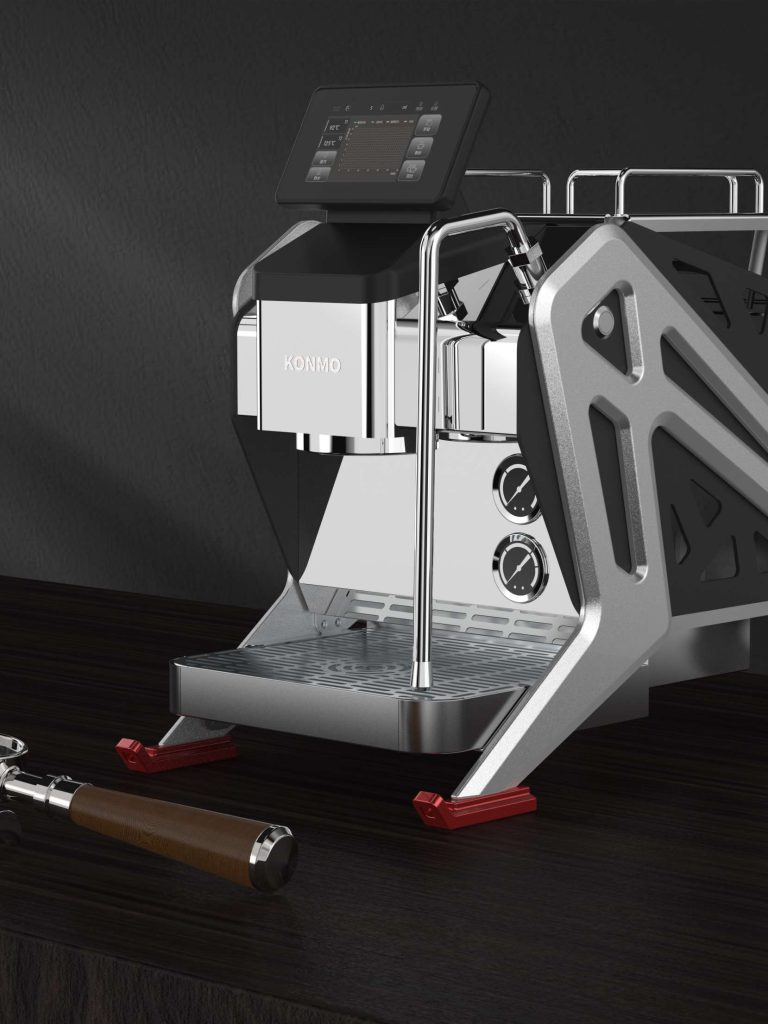
The KONMO KM-S100 combines adjustable pressure control, stable extraction performance, and compact design, making it suitable for home espresso brewing, office coffee setups, and everyday use.
Best Coffee Machine Options for Different Users
Best Coffee Machine for Casual Coffee Drinkers
Casual coffee drinkers usually prioritize convenience, speed, and easy operation over advanced espresso customization. For daily home use, a coffee machine with automatic brewing functions and stable pressure control is often the most practical option.
A beginner-friendly coffee machine should include:
- One-touch brewing functions
- Fast heating system
- Easy cleaning design
- Stable 9-bar extraction
- Compact size for kitchen use
Capsule-compatible coffee machines are also popular because they reduce preparation time and simplify cleaning. However, machines that support both capsules and ground coffee provide more flexibility for different coffee preferences.
For users who mainly drink americanos, cappuccinos, or lattes at home, stable extraction matters more than complicated manual settings.
Best Coffee Machine for Espresso Enthusiasts
Espresso enthusiasts usually want greater control over brewing variables such as pressure, grind size, extraction time, and temperature.
For advanced users, ideal coffee machine features include:
| Feature | Why It Matters |
|---|---|
| Adjustable pressure | Supports different roast profiles |
| PID temperature control | Improves extraction consistency |
| Pre-infusion function | Enhances flavor balance |
| Professional steam wand | Better milk texture |
| Stable pump system | More consistent espresso shots |
Enthusiasts often experiment with light-roast specialty coffee beans, which may require slight pressure adjustments to optimize extraction.
Machines like the KONMO KM-S100 allow users to fine-tune brewing pressure for different espresso styles while maintaining stable extraction performance, making them suitable for home baristas seeking more control.
Best Portable Coffee Machine for Travel and Camping
Portable coffee machines are designed for users who want espresso outside traditional kitchen environments. Travelers, campers, and office users often prioritize lightweight design, battery operation, and fast brewing capability.
A good portable coffee machine should offer:
- Compact and lightweight construction
- Stable extraction pressure
- Rechargeable battery system
- Compatibility with capsules and ground coffee
- Durable travel-friendly design
Many portable espresso makers now support pressure systems close to standard espresso extraction levels, helping improve flavor quality and crema performance during outdoor use.
KONMO portable coffee makers are designed for travel and camping scenarios while maintaining espresso-style extraction performance in a compact format.
Choosing a Reliable Coffee Machine for Long-Term Use
A reliable coffee machine should deliver stable brewing performance over time rather than focusing only on high-pressure marketing claims.
When evaluating long-term value, users should consider:
- Pump durability
- Temperature consistency
- Pressure stability
- Ease of maintenance
- Availability of replacement parts
- Safety certifications such as CE or RoHS
Machines with stable 9-bar extraction systems generally produce more consistent espresso and experience less strain on internal components compared to machines operating at unnecessarily high pressure levels.
For long-term home or office use, choosing a coffee machine with adjustable brewing settings, durable construction, and easy maintenance can significantly improve overall user experience and brewing consistency over time.
Common Coffee Machine Pressure Myths
Is Higher Bar Pressure Always Better in a Coffee Machine?
Many people assume that higher pressure automatically creates better espresso, but this is one of the most common coffee machine myths.
In reality, espresso quality depends on balanced extraction rather than maximum pressure. Most professional espresso machines still brew at around 9 bars because this level provides the best balance between flavor, aroma, body, and crema.
If brewing pressure becomes too high, water moves through the coffee puck too aggressively. This can cause:
- Over-extraction
- Bitter aftertaste
- Burnt flavor notes
- Uneven extraction
Pressure must work together with grind size, coffee dose, and water temperature. Even expensive coffee machines cannot produce good espresso if extraction is unbalanced.
For most users, stable and controlled pressure is far more important than extremely high bar ratings.
Why Many Coffee Machines Advertise 20 Bars
Many home coffee machines advertise 15-bar or 20-bar systems because larger numbers appear more powerful in marketing materials. However, these ratings usually describe maximum pump capacity rather than actual brewing pressure.
During real espresso extraction, most machines regulate pressure back down to approximately 9 bars.
Here is what these numbers usually mean:
| Advertised Pressure | Actual Brewing Situation |
|---|---|
| 15 bars | Pump maximum pressure |
| 20 bars | Marketing-focused specification |
| Around 9 bars | Real espresso extraction pressure |
Higher pump capacity may help maintain pressure stability in some situations, but it does not mean the coffee machine brews espresso at 20 bars.
Consumers should focus more on:
- Stable extraction pressure
- Reliable pump quality
- Consistent temperature control
- Overall machine build quality
rather than simply choosing the machine with the highest advertised pressure number.
Can a Low-Pressure Coffee Machine Still Make Good Espresso?
In some cases, yes.
Certain brewing techniques intentionally use lower pressure during part of the extraction process. For example, pre-infusion systems gently soak coffee grounds at low pressure before full extraction begins. This helps reduce channeling and improve extraction consistency.
Pressure profiling systems may also adjust pressure dynamically throughout brewing to enhance flavor complexity.
However, for standard espresso extraction, pressure that remains too low throughout the entire process usually results in:
- Weak body
- Thin crema
- Under-extracted flavor
- Sour taste
This is why most espresso coffee machines still target around 9 bars during the main extraction phase.
Good espresso depends on multiple factors working together, including:
- Pressure stability
- Water temperature
- Grind consistency
- Coffee freshness
- Extraction timing
A well-designed coffee machine balances all of these variables rather than relying only on high-pressure specifications.
For most espresso brewing, 9 bars remains the ideal coffee machine pressure. This standard has been used in professional cafés and specialty coffee shops for decades because it delivers the best balance between extraction, flavor clarity, body, and crema.
Although many coffee machines advertise 15-bar or 20-bar systems, real espresso quality depends far more on stable brewing pressure than maximum pump capacity. A well-designed coffee machine should maintain consistent extraction pressure while also providing reliable temperature control and even water distribution.
When choosing a coffee machine, users should focus on:
- Stable 9-bar extraction pressure
- Reliable pump performance
- Consistent brewing temperature
- Easy cleaning and maintenance
- Adjustable brewing features when needed
For home users, portable brewers, and espresso enthusiasts alike, pressure consistency is usually more important than extremely high pressure ratings.
Coffee machines with adjustable pressure systems can also provide greater flexibility for experimenting with different coffee beans and roast levels. For example, the KONMO KM-S100 supports stable extraction and pressure adjustment, helping users create more personalized espresso results at home or during travel.
Ultimately, the best coffee machine is not the one with the highest bar number. It is the machine that delivers balanced extraction, reliable performance, and consistent espresso quality every day.
FAQ
Is 9 bars enough for a coffee machine?
Yes. Around 9 bars is considered the ideal brewing pressure for espresso. Most commercial espresso machines and specialty coffee shops use this standard because it creates balanced flavor and rich crema.
Is a 15-bar coffee machine better than a 9-bar coffee machine?
Not necessarily. Most 15-bar coffee machines still brew espresso at approximately 9 bars. The higher number usually refers to maximum pump pressure rather than actual extraction pressure.
Can portable coffee machines make real espresso?
Some portable coffee machines can produce espresso-style coffee with pressure levels close to traditional espresso standards. Models with stable extraction systems generally create better crema and stronger flavor.
What matters more than pressure in a coffee machine?
Besides pressure, important factors include:
- Temperature stability
- Grind consistency
- Pump quality
- Pre-infusion performance
- Ease of cleaning and maintenance
All of these influence espresso quality and long-term brewing consistency.
Do beginners need adjustable pressure in a coffee machine?
Not always. Beginners usually benefit more from stable extraction and simple operation. However, adjustable pressure can help users experiment with different beans and espresso styles as their brewing skills improve.