
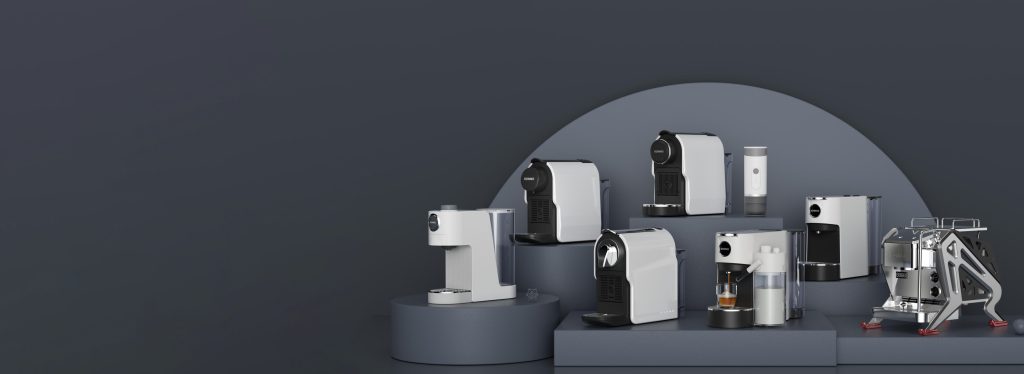
Regular cleaning is essential for keeping a large coffee maker operating efficiently and producing consistent coffee quality. In commercial environments such as cafés, hotels, offices, and restaurants, coffee oils, milk residue, and mineral buildup can quickly affect brewing performance and flavor extraction. A proper cleaning routine helps reduce machine downtime, extend equipment lifespan, and maintain hygiene standards during daily beverage service. KONMO commercial coffee machines are designed with maintenance-friendly structures that simplify routine cleaning and long-term care.
Key Takeaways
- Regular cleaning helps a large coffee maker maintain stable brewing performance and consistent coffee flavor.
- Daily maintenance reduces coffee oil buildup, bacteria growth, and mineral deposits inside brewing systems.
- Scheduled descaling helps extend the lifespan of commercial large coffee makers and espresso equipment.
- Proper cleaning routines improve operational efficiency in cafés, hotels, offices, and commercial beverage environments.
- Using filtered water and professional cleaning solutions helps reduce maintenance frequency and repair costs.
- Cleaning removable brewing components regularly helps improve hygiene standards and long-term machine reliability.
Why Regular Cleaning Is Important for a Large Coffee Maker
Keeping a large coffee maker clean is essential for maintaining coffee quality, brewing efficiency, and long-term machine performance. In commercial coffee environments, leftover coffee oils, milk residue, and mineral deposits can quickly build up inside brewing components, water lines, and steam systems. Without regular cleaning, these contaminants may affect extraction consistency, slow machine operation, and increase maintenance costs. A structured cleaning routine helps commercial coffee equipment operate more reliably in high-volume daily use.
Maintaining Consistent Coffee Flavor and Extraction
Coffee oils and old residue can accumulate inside brewing chambers, group heads, filters, and coffee lines over time. This buildup may cause bitter flavors, inconsistent extraction, and unstable brewing temperatures. Regular cleaning helps a large coffee maker maintain proper water flow and brewing pressure, resulting in cleaner flavor profiles and more consistent beverage quality across daily operations.
Tip: Using filtered water can help reduce mineral buildup and improve overall coffee flavor consistency.
Reducing Machine Downtime and Repair Costs
Mineral scale, coffee residue, and blocked internal components can reduce machine efficiency and increase the risk of operational issues. In busy commercial environments, unexpected machine downtime can interrupt beverage service and affect workflow efficiency. Routine cleaning and descaling help prevent clogged water lines, unstable pressure, and premature component wear, reducing long-term repair and replacement costs.
- Regular descaling helps prevent internal scale buildup.
- Daily cleaning reduces wear on brewing components and valves.
- Preventive maintenance helps improve operational reliability.
Improving Hygiene Standards for Commercial Coffee Service
Commercial coffee machines operate in environments with continuous beverage preparation, making hygiene maintenance especially important. Milk residue, standing water, and leftover coffee grounds can create conditions for bacteria and odor buildup if not cleaned properly. Daily surface cleaning combined with scheduled deep cleaning helps maintain sanitary brewing conditions and supports safer commercial beverage service.
KONMO commercial coffee machines are designed with removable brewing components and maintenance-friendly structures that simplify routine cleaning and improve long-term usability.
Essential Supplies for Cleaning a Large Coffee Maker
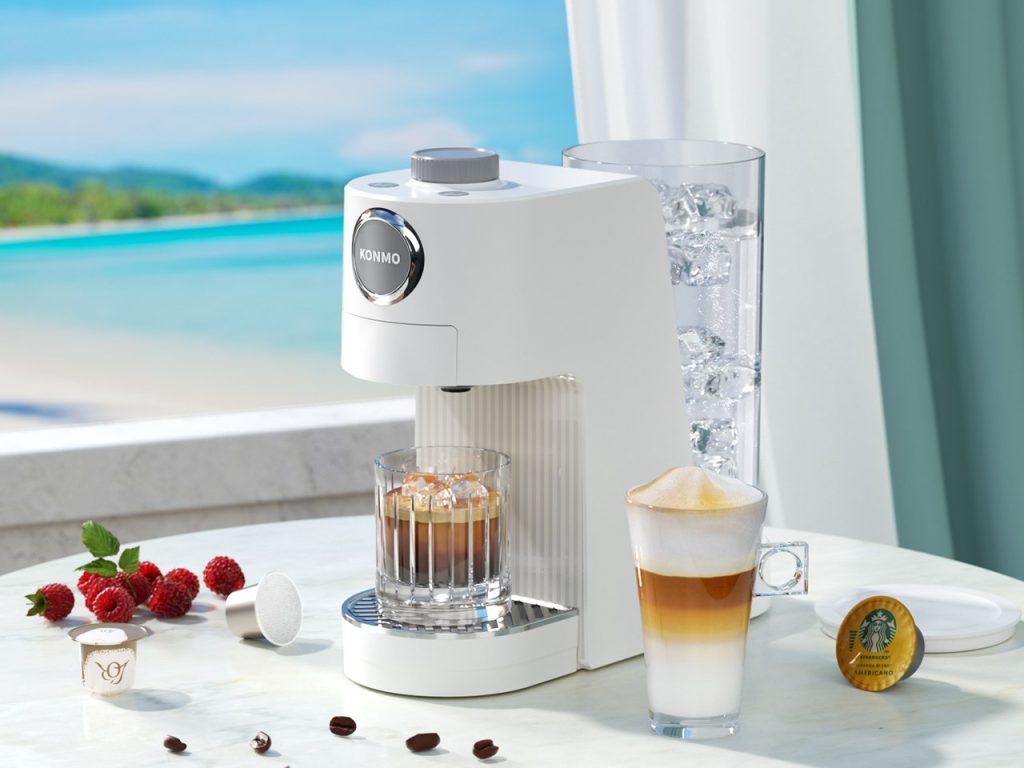
Using the right cleaning supplies helps a large coffee maker maintain brewing performance, hygiene standards, and long-term operational reliability. Commercial coffee machines process large volumes of coffee every day, which can lead to coffee oil buildup, mineral deposits, and residue inside brewing systems. Professional cleaning tools and descaling solutions help remove these contaminants more effectively while protecting internal machine components.
Must-Have Cleaning Tools for a Large Coffee Maker
Daily cleaning requires several essential tools to remove coffee grounds, residue, and surface buildup from commercial brewing equipment. Soft cleaning tools help protect machine surfaces while maintaining proper sanitation during routine maintenance.
- Soft-bristle cleaning brushes for group heads and filters
- Microfiber cloths for wiping external surfaces
- Food-safe sponges for drip trays and removable parts
- Cleaning cloths for steam wands and milk systems
- Warm water and mild detergent for washable components
For semi-automatic espresso machines, group head brushes help remove coffee residue from brewing areas and improve extraction consistency.
Commercial Coffee Machine Cleaning Solutions and Descalers
Commercial cleaning solutions are designed to remove coffee oils, mineral scale, and internal buildup without damaging machine components. Compared with household cleaning products, professional descalers are more effective for high-volume commercial coffee equipment.
Commercial coffee machine cleaning solutions can help:
- Remove calcium and mineral deposits from internal water systems
- Improve brewing pressure and water flow stability
- Reduce clogging inside valves and brewing lines
- Maintain consistent coffee extraction performance
- Extend the lifespan of heating components and boilers
White vinegar and citric acid can be used for light cleaning in some cases, but commercial descaling products are generally recommended for large coffee makers and commercial espresso machines.
Note: Always use cleaning products that are compatible with your specific coffee machine model and follow manufacturer cleaning recommendations.
Optional Deep Cleaning Products for Large Coffee Makers
Monthly deep cleaning helps remove stubborn residue and maintain long-term machine performance in busy commercial environments. Additional cleaning products can improve sanitation and reduce maintenance issues over time.
Common deep cleaning products include:
- Descaling tablets for internal mineral removal
- Espresso machine cleaning powder for group heads and valves
- Milk system cleaner for steam wands and frothing systems
- Cleaning capsules for capsule coffee machines
- Odor-control cleaners for removable water tanks and drip trays
KONMO commercial coffee machines are designed with maintenance-friendly brewing systems that support easier daily cleaning and simplified long-term servicing.
Daily, Weekly, and Monthly Large Coffee Maker Cleaning Routine
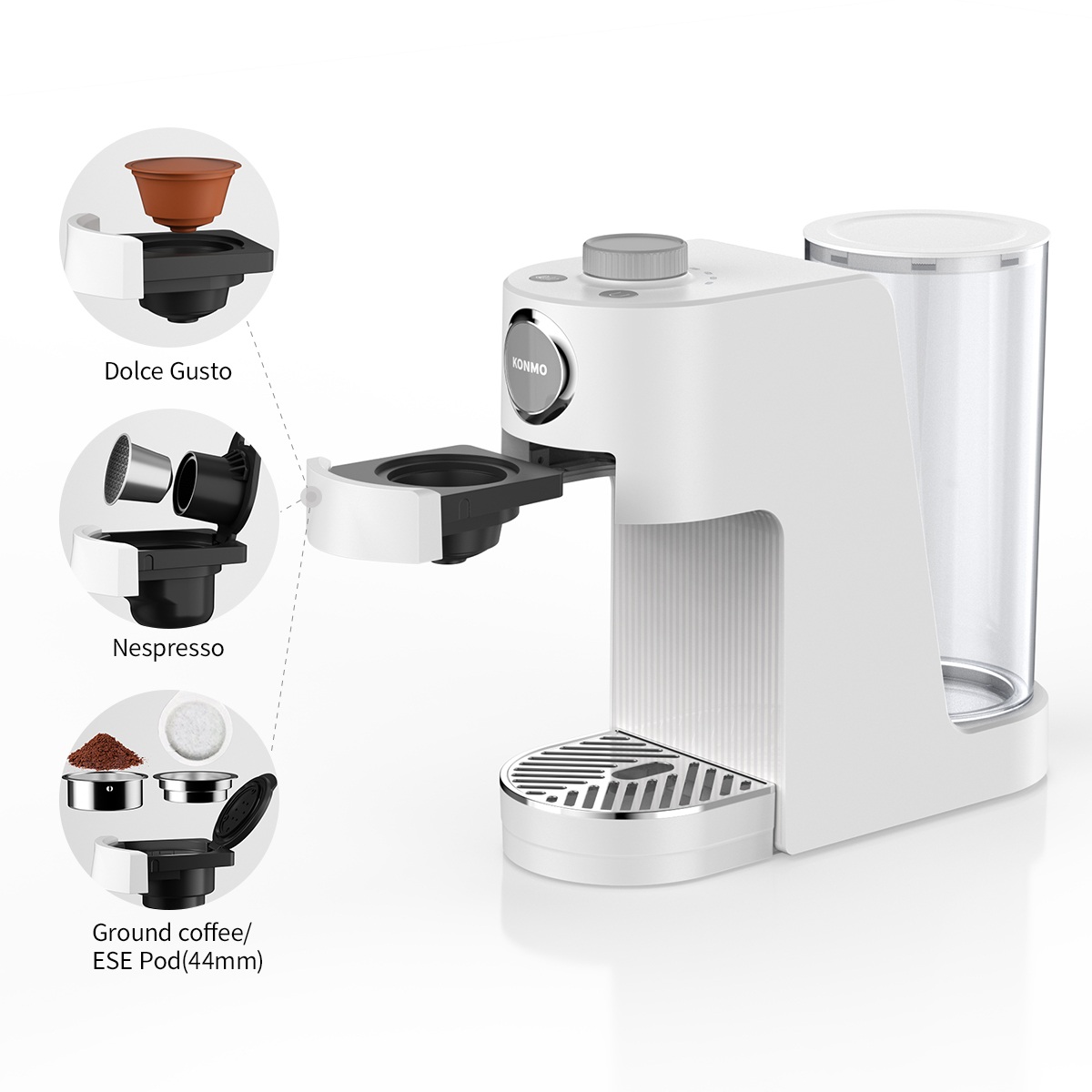
A structured cleaning routine helps a large coffee maker maintain brewing consistency, operational efficiency, and long-term reliability. In commercial coffee environments, daily beverage production can quickly lead to coffee oil buildup, mineral deposits, and residue inside brewing systems. Dividing maintenance into daily, weekly, and monthly cleaning tasks helps reduce equipment wear while improving overall coffee quality.
Daily Cleaning Routine for a Large Coffee Maker
Daily cleaning helps remove fresh coffee residue before it hardens inside brewing components. This routine is especially important for commercial coffee machines operating in cafés, hotels, offices, and high-volume beverage environments.
Daily cleaning tasks may include:
- Rinsing group heads and brewing components
- Cleaning steam wands after milk frothing
- Emptying and washing drip trays
- Removing used coffee grounds or capsules
- Wiping external machine surfaces
- Running a clean water rinse cycle through the brewing system
For capsule coffee machines, the used capsule container and brewing chamber should be cleaned regularly to prevent residue buildup and odor formation.
Tip: Allow removable components to dry completely before reinstalling them to help reduce moisture buildup and bacteria growth.
Weekly Cleaning Process for Commercial Coffee Equipment
Weekly maintenance focuses on deeper cleaning of internal brewing areas and removable machine components. This process helps improve brewing stability and reduce long-term maintenance problems.
Weekly cleaning may include:
- Removing and cleaning shower screens and filter baskets
- Backflushing espresso brewing systems with cleaning powder
- Cleaning steam nozzles and milk frothing systems
- Washing water tanks and removable brewing parts
- Inspecting brewing chambers for coffee oil accumulation
- Cleaning overflow trays and drainage areas
Commercial coffee machines operating in high-volume environments may require more frequent weekly cleaning depending on usage intensity.
Monthly Deep Cleaning for Long-Term Large Coffee Maker Performance
Monthly deep cleaning helps remove internal mineral scale and stubborn residue that daily maintenance cannot fully eliminate. This process is important for maintaining stable brewing pressure, water flow, and heating performance.
Monthly deep cleaning tasks may include:
- Running a complete descaling cycle
- Cleaning internal water lines and brewing systems
- Replacing water filters if necessary
- Inspecting seals, valves, and brewing components
- Removing mineral buildup from boilers and heating systems
- Performing full-system rinsing after descaling
Regular descaling helps prevent internal blockages and improves long-term operational reliability, especially in regions with hard water conditions.
KONMO commercial coffee machines are designed with accessible brewing structures and removable components that simplify routine cleaning and support easier long-term maintenance.
How to Clean Different Types of Large Coffee Makers
Different large coffee maker systems require different cleaning methods depending on their brewing structure, coffee delivery system, and daily usage environment. Commercial coffee equipment used in cafés, hotels, offices, and foodservice operations often experiences heavy daily workloads, making model-specific cleaning especially important for maintaining stable brewing performance and long-term reliability.
Cleaning Semi-Automatic Espresso Machines
Semi-automatic espresso machines require regular cleaning of brewing components, steam systems, and coffee contact surfaces. Coffee oils and fine grounds can quickly accumulate around the group head, portafilter, and shower screen, affecting extraction quality and brewing pressure.
Recommended cleaning steps include:
- Rinsing and cleaning the portafilter after each use
- Brushing coffee residue from the group head
- Backflushing the brewing system with espresso machine cleaning powder
- Wiping and purging the steam wand after milk frothing
- Cleaning drip trays and removable water tanks daily
- Descaling the internal water system regularly
Machines operating in high-volume commercial environments may require more frequent backflushing and steam system cleaning to maintain consistent espresso extraction.
Cleaning Capsule Coffee Machines
Capsule coffee machines require routine cleaning to remove capsule residue, coffee oils, and mineral buildup inside the brewing chamber. Although capsule systems reduce loose coffee grounds, internal brewing areas can still accumulate residue over time.
Recommended maintenance practices include:
- Emptying the used capsule container daily
- Cleaning the brewing chamber and coffee outlet
- Washing the water reservoir with mild detergent
- Running a clean water cycle after extended use
- Using compatible descaling solutions regularly
- Cleaning removable drip trays and overflow containers
For commercial capsule coffee machines, regular descaling helps maintain stable water flow and brewing temperature consistency.
Cleaning Multi-System and Portable Coffee Machines
Multi-system and portable coffee machines often combine different brewing functions in compact structures, making routine cleaning important for maintaining performance across multiple beverage applications.
Cleaning recommendations may include:
- Removing and washing detachable brewing components
- Cleaning capsule adapters and filter systems separately
- Inspecting water lines and brewing chambers for residue buildup
- Using machine-compatible cleaning products for portable systems
- Performing regular descaling cycles to reduce mineral accumulation
- Fully drying removable parts before storage or transport
KONMO commercial coffee machines are designed with maintenance-friendly brewing systems and removable components that simplify cleaning across semi-automatic, capsule, and multi-system coffee machine categories.
Common Large Coffee Maker Cleaning Problems and Solutions
Even with regular maintenance, large coffee makers can develop cleaning-related issues over time. Coffee oil buildup, mineral scale, blocked water lines, and leftover residue may affect brewing efficiency, coffee flavor, and machine performance. Identifying these problems early and following proper cleaning procedures can help commercial coffee equipment operate more reliably in high-volume environments.
How to Remove Coffee Stains from a Large Coffee Maker
Coffee stains can accumulate on brewing components, carafes, drip trays, and external machine surfaces after continuous use. If stains are not removed regularly, they may affect hygiene standards and contribute to lingering odors inside the machine.
To remove coffee stains effectively:
- Use warm water and mild detergent for removable components
- Clean stainless steel surfaces with a soft microfiber cloth
- Apply coffee machine cleaning solution to stubborn residue areas
- Use non-abrasive brushes to avoid scratching machine surfaces
- Rinse all cleaned components thoroughly before reuse
For deeper stains caused by coffee oils and mineral deposits, commercial cleaning solutions are generally more effective than standard household cleaners.
Tip: Cleaning coffee stains immediately after use helps prevent residue from hardening inside brewing systems.
How to Fix Clogs and Slow Brewing Issues
Slow brewing and inconsistent water flow are often caused by mineral buildup, blocked filters, or accumulated coffee residue inside the brewing system. These issues can reduce extraction stability and affect overall coffee quality.
Common solutions include:
- Running a full descaling cycle to remove mineral deposits
- Cleaning filters, shower screens, and brewing chambers
- Inspecting water lines for blockage or restricted flow
- Using the correct coffee grind size to reduce residue buildup
- Cleaning valves and brewing components regularly
Commercial coffee machines operating with hard water conditions may require more frequent descaling to maintain stable water pressure and brewing performance.
How to Prevent Odors and Mineral Buildup
Moisture, coffee oils, milk residue, and standing water can create unpleasant odors inside a large coffee maker if cleaning is delayed. Mineral buildup can also accumulate inside boilers and water systems, reducing machine efficiency over time.
Preventive maintenance practices include:
- Emptying water reservoirs when machines are not in use
- Cleaning drip trays and removable containers daily
- Allowing machine components to dry fully after cleaning
- Using filtered water to reduce mineral accumulation
- Scheduling regular descaling and deep cleaning routines
- Cleaning milk frothing systems immediately after use
Routine maintenance helps commercial coffee machines maintain cleaner brewing systems, improve hygiene standards, and support more stable long-term operation.
Large Coffee Maker Maintenance Tips
Proper maintenance helps a large coffee maker operate more efficiently while reducing long-term repair costs and performance issues. In commercial coffee environments, preventive maintenance is essential for maintaining brewing consistency, extending equipment lifespan, and minimizing operational downtime. Establishing a regular cleaning and inspection schedule can help commercial coffee machines perform more reliably during daily use.
How Often Should You Clean a Large Coffee Maker?
Cleaning frequency depends on machine usage, beverage volume, and water quality conditions. Commercial coffee machines used in cafés, restaurants, hotels, and offices generally require more frequent cleaning due to continuous daily operation.
Recommended maintenance frequency may include:
- Daily cleaning for brewing components, drip trays, and steam systems
- Weekly cleaning for group heads, brewing chambers, and removable parts
- Monthly deep cleaning and descaling for internal water systems
- More frequent descaling in hard water environments
Machines used for milk-based beverages may require additional steam wand and milk system cleaning throughout the day to maintain hygiene standards.
Tip: Following a scheduled maintenance routine helps reduce unexpected machine downtime and improves long-term brewing stability.
Water Quality Tips for Commercial Coffee Machines
Water quality plays an important role in the performance and lifespan of commercial coffee equipment. Hard water contains minerals that can accumulate inside boilers, valves, and water lines, eventually affecting brewing pressure, extraction consistency, and heating efficiency.
Using filtered or softened water can help:
- Reduce mineral scale buildup inside brewing systems
- Improve coffee flavor clarity and consistency
- Extend the lifespan of heating components
- Lower maintenance and descaling frequency
- Improve overall machine efficiency
Commercial coffee machines operating in areas with high mineral content may require additional water filtration systems and more frequent descaling cycles.
Maintenance Habits That Extend Coffee Maker Lifespan
Good maintenance habits help commercial coffee machines maintain stable performance over long periods of operation. Small daily maintenance tasks can significantly reduce wear on brewing components and improve machine reliability.
Recommended maintenance habits include:
- Cleaning brewing systems immediately after daily operation
- Descaling machines regularly based on water conditions
- Replacing worn seals and filters when necessary
- Keeping water reservoirs and drip trays clean and dry
- Using manufacturer-recommended cleaning products
- Inspecting brewing pressure and water flow consistency regularly
KONMO commercial coffee machines are designed with maintenance-friendly brewing structures that simplify routine servicing and support long-term commercial operation across various coffee service environments.
Keeping a large coffee maker clean is essential for maintaining brewing consistency, machine reliability, and long-term commercial performance. In busy coffee service environments, coffee oils, milk residue, and mineral buildup can quickly affect extraction quality and increase maintenance issues if cleaning is delayed. Establishing a structured daily, weekly, and monthly cleaning routine helps commercial coffee machines operate more efficiently while supporting better hygiene standards and more consistent beverage quality.
Regular descaling, proper water filtration, and routine maintenance also help reduce operational downtime and extend the lifespan of brewing equipment. Whether used in cafés, hotels, offices, restaurants, or self-service beverage spaces, a well-maintained large coffee maker can deliver more stable performance and lower long-term servicing costs.
KONMO commercial coffee machines are designed with maintenance-friendly brewing systems and removable components that simplify cleaning and support efficient long-term operation in commercial coffee environments.
FAQ
What is the best way to clean a large coffee maker?
The best way to clean a large coffee maker is to follow a structured daily and monthly maintenance routine. Daily cleaning should include rinsing brewing components, cleaning drip trays, and wiping steam wands, while monthly deep cleaning should include descaling internal water systems and removing mineral buildup.
How often should a large coffee maker be descaled?
Most large commercial coffee makers should be descaled every one to three months, depending on usage frequency and water quality. Machines operating in hard water environments may require more frequent descaling to maintain stable brewing performance.
Can vinegar be used to clean a commercial coffee machine?
White vinegar can be used for light descaling and basic cleaning in some coffee machines. However, commercial coffee machine descaling solutions are generally more effective for removing mineral buildup and protecting internal brewing components in high-volume commercial equipment.
Why does a large coffee maker brew slowly?
Slow brewing is often caused by mineral scale, clogged filters, blocked water lines, or coffee residue buildup inside the brewing system. Regular descaling and routine cleaning can help restore proper water flow and brewing pressure.
How can you prevent odors inside a large coffee maker?
Regular cleaning, proper drying of removable parts, and frequent drip tray maintenance help prevent odors from developing inside a large coffee maker. Using filtered water and cleaning milk systems immediately after use can also reduce residue buildup and improve hygiene.