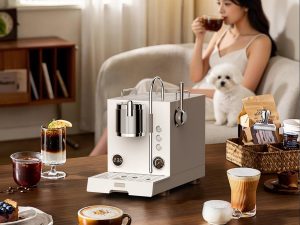
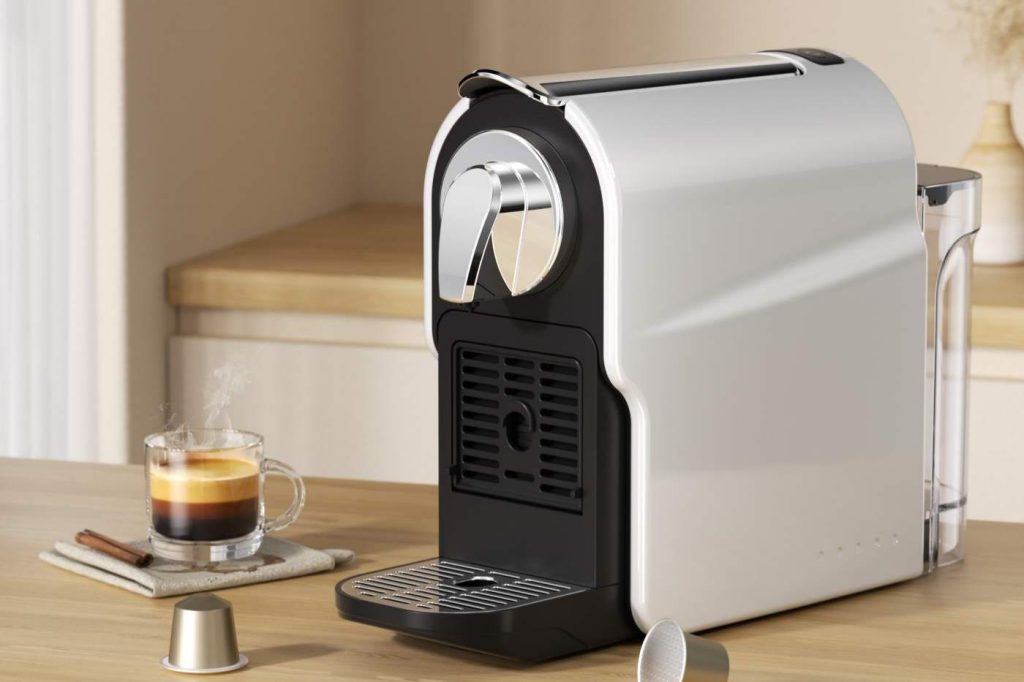
Making cappuccino with a home coffee machine is easier than many people think. With the right espresso extraction, milk-frothing technique, and balanced coffee-to-milk ratio, you can create café-style cappuccinos at home without professional barista equipment. Modern home coffee machines now offer stable brewing pressure, steam wand systems, and compact designs that help home users achieve smoother milk texture and richer espresso flavor. KONMO home coffee machines are designed for users who want convenient operation, stable extraction performance, and consistent cappuccino quality in daily home brewing.
Key Takeaways
- A classic cappuccino uses a 1:1:1 ratio of espresso, steamed milk, and milk foam.
- Home coffee machines with 15–20 Bar pressure and steam wands produce better cappuccino extraction and milk texture.
- Whole milk creates smoother and more stable foam compared with low-fat milk alternatives.
- Ideal milk frothing temperature is between 140°F and 155°F for balanced sweetness and creamy texture.
- KONMO home coffee machines support capsule coffee, espresso brewing, and milk frothing for flexible home cappuccino preparation.
What Is a Cappuccino in a Home Coffee Machine?
Classic Cappuccino Ratio and Foam Texture
A traditional cappuccino combines equal portions of espresso, steamed milk, and milk foam. Most cappuccinos are served in 150–180ml cups to maintain flavor concentration and milk balance. Compared with regular milk coffee, cappuccino delivers a stronger espresso taste with a lighter and airier mouthfeel because of its thicker foam layer.
A home coffee machine with stable extraction pressure and steam control helps maintain consistency between coffee strength and milk texture. For best results, espresso extraction should take around 25–30 seconds, while milk should reach approximately 140°F–155°F to create smooth microfoam without overheating.
Cappuccino vs. Latte: Key Differences in Milk and Espresso
Many home users confuse cappuccino and latte because both contain espresso and milk. The main difference is the milk proportion and foam texture.
Cappuccino uses equal layers of espresso, steamed milk, and foam, creating a stronger coffee flavor and thicker texture. Latte contains more steamed milk and only a thin foam layer, producing a smoother and milkier taste profile.
For users who prefer stronger espresso flavor and café-style foam texture, cappuccino is usually the better option. Latte is often preferred by beginners or users who enjoy softer milk-based coffee drinks.
Choosing the Right Home Coffee Machine for Cappuccino

Espresso Home Coffee Machine Types Explained
Different home coffee machine types create different cappuccino experiences.
Semi-automatic espresso machines provide better control over extraction time, grind size, and milk frothing. These models are suitable for users who want more manual coffee preparation and café-style customization.
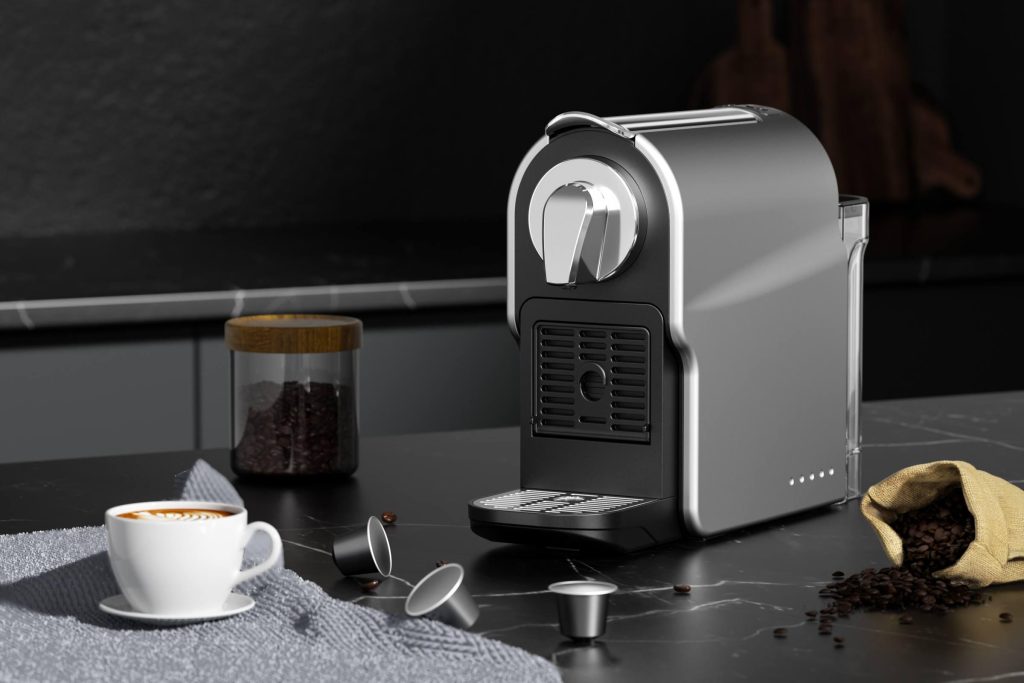
Capsule coffee machines focus on convenience and speed. They simplify brewing while maintaining relatively stable flavor consistency for daily home use.
Compact home coffee machines are designed for smaller kitchens, apartments, and office spaces where countertop space is limited.
KONMO home coffee machines include compact capsule systems, semi-automatic espresso machines, and multi-system coffee machines compatible with different capsule formats for flexible home coffee preparation.
Essential Milk Frothing Tools for a Home Coffee Machine
Milk frothing quality directly affects cappuccino texture and appearance. A steam wand with stable steam pressure helps create finer microfoam and smoother milk consistency.
Professional cappuccino preparation usually requires:
- Steam wand pressure stability
- Consistent temperature control
- Stainless steel frothing pitcher
- 15–20 Bar extraction pressure
- Stable boiler heating system
KONMO home espresso coffee machines integrate high-pressure extraction systems and steam wand functions to improve milk frothing consistency and espresso flavor stability during daily use.
Best Coffee Beans and Milk for Homemade Cappuccino
Medium-dark roast espresso beans are commonly recommended for cappuccino because they create richer crema and a stronger coffee aroma. Freshly ground coffee also improves extraction consistency and flavor clarity.
Whole milk generally creates the smoothest foam because of its higher fat content. Oat milk is currently one of the better plant-based alternatives for cappuccino due to its relatively stable frothing performance.
For optimal milk frothing, cold milk between 35°F and 40°F is usually easier to texture properly before steaming.
How to Make Cappuccino with a Home Coffee Machine
Brewing Espresso with a Home Coffee Machine
Start by grinding fresh coffee beans into fine espresso grounds. Tamp evenly to maintain balanced water flow during extraction.
Most home coffee machines achieve better cappuccino extraction with:
- 18–20g coffee dose
- 25–30 second extraction time
- 195°F–205°F brewing temperature
- 15–20 Bar pressure system
A balanced espresso shot should produce rich crema without excessive bitterness or sourness.
Frothing Milk for Smooth Cappuccino Foam
Fill a stainless steel pitcher with cold milk and place the steam wand slightly below the milk surface. Introduce air slowly during the first few seconds, then continue steaming to create smooth microfoam.
Milk temperature should remain below 160°F to prevent a burnt flavor and unstable foam texture. Proper cappuccino foam should appear glossy, smooth, and dense rather than dry or bubbly.
Combining Espresso and Milk for a Balanced Cappuccino
Pour steamed milk slowly into the espresso, then finish with a thicker foam layer on top. A properly balanced cappuccino should maintain visible coffee flavor while still delivering creamy milk texture.
Optional toppings such as cocoa powder or cinnamon are often added for additional aroma and visual presentation.
Common Home Coffee Machine Cappuccino Mistakes
Why Milk Frothing Fails on a Home Coffee Machine
Large bubbles, thin foam, or burnt milk are usually caused by incorrect steam wand positioning or overheating. Frothing aggressively often creates unstable foam instead of silky microfoam.
Keeping the steam wand near the milk surface during initial aeration helps improve foam texture consistency.
Balancing Espresso Strength and Milk Texture
Weak espresso combined with excessive milk often makes cappuccino taste flat. Uneven tamping, stale beans, or incorrect grind size can also reduce espresso quality.
Good cappuccino requires balanced extraction strength and properly textured milk rather than excessive foam volume.
Common Home Coffee Machine Cappuccino Errors to Avoid
Common beginner mistakes include:
- Overheating milk above 160°F
- Using stale coffee beans
- Incorrect grind size
- Uneven tamping pressure
- Excessive milk foam
- Poor steam wand positioning
Consistent practice significantly improves cappuccino quality over time.
How to Improve Cappuccino Quality with a Home Coffee Machine
Practicing Milk Frothing and Pouring Techniques
Stable hand movement and proper steam wand placement improve milk texture and pouring control. Practicing simple milk pouring patterns also helps improve cappuccino presentation and foam distribution.
Adjusting Coffee Grind, Milk Temperature, and Extraction
Small brewing adjustments can noticeably improve flavor quality. Finer grind sizes increase extraction strength, while coarser grinding reduces bitterness. Monitoring milk temperature also helps preserve sweetness and foam consistency.
Upgrading Your Home Coffee Machine Cappuccino Experience
Higher-quality grinders, precision scales, and stable-pressure espresso machines improve long-term brewing consistency.
KONMO home coffee machines are designed for users seeking stable extraction, flexible brewing compatibility, and convenient daily cappuccino preparation in compact home environments.
Home Coffee Machine Cappuccino vs Other Coffee Drinks
Cappuccino vs Latte vs Flat White
Cappuccino delivers stronger espresso flavor and thicker foam texture compared with a latte. A flat white uses thinner microfoam and less milk, producing a more concentrated coffee taste.
Users preferring balanced coffee intensity and airy foam often choose cappuccino for daily home brewing.
Which Home Coffee Machine Drink Fits Different Preferences
- Cappuccino: Balanced espresso flavor with creamy foam texture
- Latte: Smoother and milkier flavor profile
- Flat White: Stronger espresso-forward taste
- Plant-Based Options: Oat milk and almond milk support dairy-free brewing preferences
Modern home coffee machines allow users to customize milk type, extraction strength, and foam texture according to personal coffee preferences.
A high-quality home coffee machine makes it possible to prepare café-style cappuccino with stable espresso extraction and smooth milk frothing at home. By understanding cappuccino ratios, milk steaming temperature, and extraction control, home users can significantly improve coffee quality and consistency.
KONMO home coffee machines combine compact design, stable pressure systems, and practical milk frothing functions to support convenient daily cappuccino preparation for modern home coffee users.
FAQ
Can I make cappuccino without a professional espresso machine?
Yes. Many modern home coffee machines can produce cappuccino with café-style flavor and milk texture. Capsule coffee machines, compact espresso machines, and semi-automatic home coffee machines can all prepare cappuccino if they provide stable extraction pressure and milk frothing capability.
For better espresso quality, most home coffee machines should maintain at least 15 bar brewing pressure and stable temperature control during extraction.
What milk produces the best cappuccino foam?
Whole milk is usually the best option for cappuccino because its higher fat content creates smoother and more stable microfoam. It also produces a richer mouthfeel and more balanced sweetness.
For dairy-free cappuccinos, oat milk generally performs better than almond milk or soy milk because it creates a finer foam texture and more stable steaming performance.
Why does my cappuccino foam collapse quickly?
Foam instability is often caused by:
- Overheated milk
- Incorrect steam wand positioning
- Low-fat milk
- Large air bubbles during frothing
- Weak steam pressure
Keeping milk between 140°F and 155°F usually helps improve foam structure and texture consistency.
What coffee beans work best for cappuccino?
Medium-dark roast espresso beans are commonly preferred for cappuccino because they create stronger crema, a fuller body, and better milk balance. Freshly roasted beans also improve aroma and extraction quality.
Grinding coffee immediately before brewing helps preserve flavor and crema stability.
How much espresso should a cappuccino contain?
A standard cappuccino usually contains:
- 1–2 shots of espresso
- Equal portions of steamed milk
- Equal portions of milk foam
Most home users prepare cappuccino using a double espresso shot of approximately 36–40 ml for stronger coffee flavor and better milk balance.
Are capsule home coffee machines good for cappuccino?
Capsule home coffee machines are suitable for convenient cappuccino preparation because they simplify brewing and maintain stable flavor consistency. Some capsule machines also include integrated milk frothing systems for easier operation.
KONMO capsule coffee machines support multiple capsule systems and compact home brewing applications for users seeking faster daily coffee preparation.