A small commercial espresso machine can cost from several hundred dollars to more than $20,000, depending on machine type, brewing capacity, automation level, build quality, and long-term service needs. For cafés, hotels, offices, and coffee equipment buyers, the machine price is only one part of the investment. A suitable commercial espresso machine should also support stable extraction, efficient workflow, daily reliability, and manageable maintenance costs.
For KONMO’s B2B customers, choosing a commercial espresso machine is not just about comparing prices. It is about matching the right machine type with the right business scenario, whether for hotel guest rooms, café counters, office beverage areas, or private label coffee equipment projects.
Key Takeaways
- Small commercial espresso machine prices typically range from $500 to over $20,000 depending on machine type, brewing capacity, automation level, and build quality.
- Entry-level commercial espresso machines are suitable for offices, hotel rooms, and low-volume coffee service with basic brewing functionality and compact designs.
- Mid-range commercial espresso machines offer better temperature stability, stronger steaming performance, and higher daily output for cafés and restaurants.
- High-end commercial espresso machines are designed for busy commercial environments that require continuous operation, advanced brewing control, and long-term durability.
- Boiler systems, group heads, temperature control technology, and commercial-grade materials are some of the biggest factors affecting commercial espresso machine pricing.
- Beyond the machine price, businesses should also consider installation, maintenance, water filtration, accessories, and long-term servicing costs.
- Choosing the right commercial espresso machine depends on daily coffee volume, workflow requirements, available space, and long-term business goals.
- KONMO provides commercial espresso machine solutions for cafés, hotels, offices, and coffee equipment distributors with OEM and private label support.
Commercial Espresso Machine Price Ranges
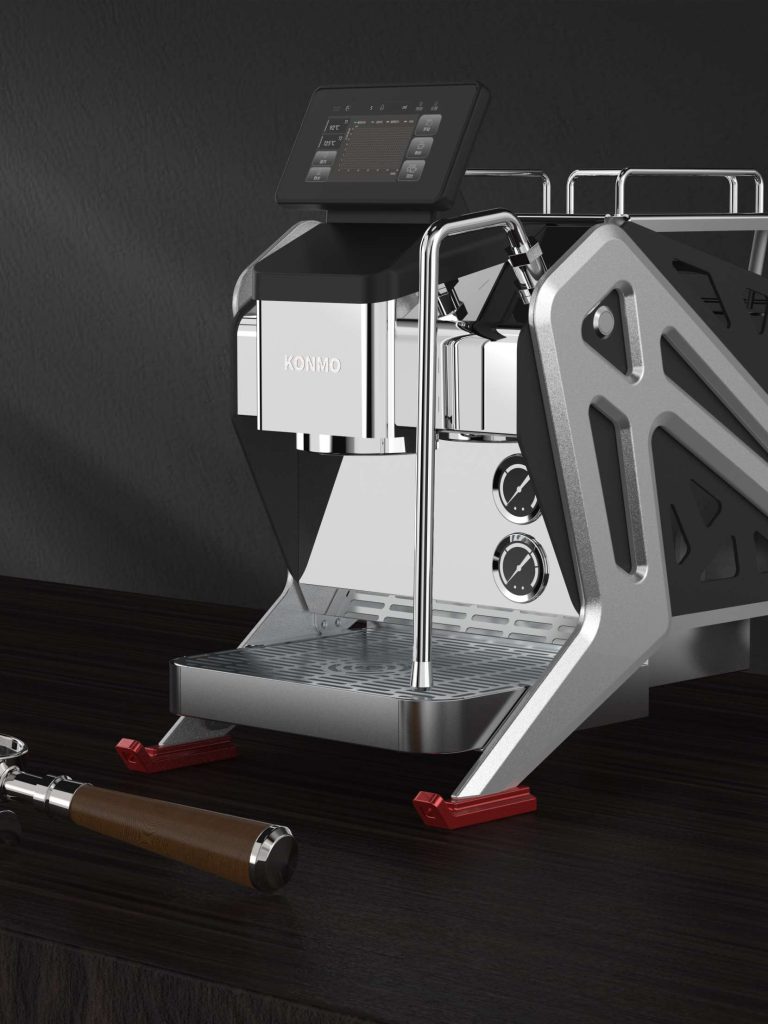
Commercial espresso machine prices vary because different businesses require different levels of capacity, control, and durability. An office coffee corner may only need a compact and easy-to-operate model, while a busy café needs stronger steaming power, stable temperature control, and better continuous brewing performance.
Understanding the main price ranges can help buyers avoid both underbuying and overbuying. Entry-level machines are suitable for light commercial use, mid-range machines offer better daily performance, and high-end machines are designed for demanding coffee service environments.
Entry-Level Commercial Espresso Machines
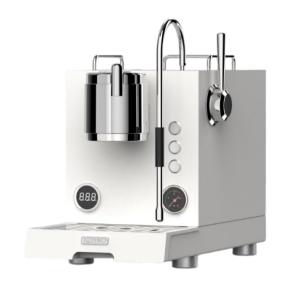
Entry-level commercial espresso machines usually cost between $500 and $2,000. These machines are suitable for small offices, hotel rooms, compact beverage areas, and low-volume cafés that need simple espresso service without complex operation.
Most entry-level machines focus on basic brewing functions, compact size, and easy maintenance. They may include a single boiler, simplified controls, and limited customization options. For businesses with moderate coffee demand, this price range can be a practical starting point.
Mid-Range Commercial Espresso Machines
Mid-range commercial espresso machines are usually priced between $2,000 and $5,000. This range is more suitable for cafés, bakeries, restaurants, and growing coffee businesses that need better consistency and higher daily output.
Compared with entry-level models, mid-range machines usually offer stronger build quality, more stable temperature control, better steaming performance, and more flexible brewing settings. For many commercial buyers, this category provides a balanced choice between cost, performance, and long-term usability.
High-End Commercial Espresso Machines
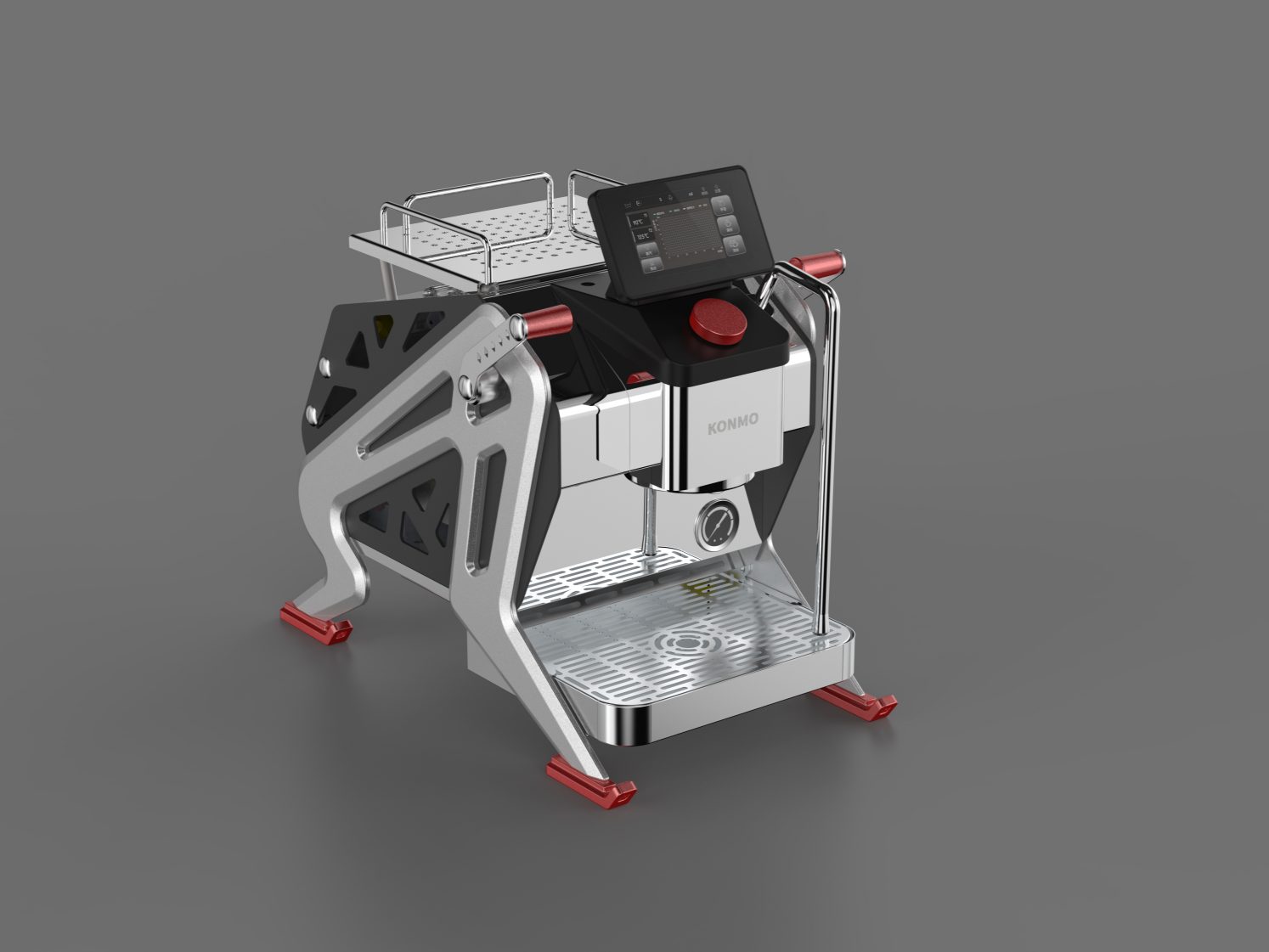
High-end commercial espresso machines usually start from $5,000 and can exceed $20,000. These machines are built for high-volume cafés, hotel beverage service, chain stores, and professional coffee environments where performance and reliability are critical.
At this level, buyers can expect advanced temperature systems, stronger boilers, faster recovery time, multiple group heads, programmable settings, and more durable commercial-grade components. High-end machines are not only about better coffee quality, but also about faster workflow, lower downtime, and stronger long-term value.
Commercial Espresso Machine Pricing Factors
The price of a commercial espresso machine is influenced by far more than appearance or brand name alone. Brewing technology, temperature stability, internal components, automation level, and production durability all directly affect machine cost and long-term commercial value.
For coffee businesses, understanding these pricing factors helps prevent overspending on unnecessary features while ensuring the machine can handle real operational demands. A machine that works well in a hotel breakfast area may not be suitable for a busy specialty café, and a low-cost machine may create higher maintenance expenses over time.
Brand Reputation & Market Position
Brand reputation is one of the biggest factors affecting commercial espresso machine pricing. Well-known commercial coffee machine manufacturers usually charge higher prices because they have established reliability, stronger engineering standards, and wider after-sales support networks.
Professional coffee equipment brands also invest more heavily in product development, quality control, and commercial-grade testing. This often results in better workflow stability, more consistent espresso extraction, and improved long-term durability.
For distributors, cafés, and hospitality projects, supplier reliability can be just as important as machine specifications. Stable production capacity, export experience, and technical support all contribute to the overall value of a commercial espresso machine supplier.
Features, Technology & Automation
Advanced brewing technology significantly increases the price of a commercial espresso machine. Features designed to improve extraction consistency, workflow efficiency, and operational convenience usually require more complex internal systems and higher-quality components.
Common premium features include PID temperature control, dual boiler systems, programmable brewing settings, automatic milk frothing, pressure profiling, and touchscreen interfaces. These functions help businesses maintain more stable beverage quality while improving service speed during busy operating hours.
Machines with higher automation levels are especially popular in offices, hotels, and self-service coffee environments because they reduce manual operation requirements and improve consistency between drinks.
Capacity, Boiler System & Build Quality
Machine capacity directly affects both pricing and long-term commercial performance. Larger commercial espresso machines require stronger heating systems, larger boilers, and more durable internal structures to support continuous daily operation.
Single-boiler machines are generally more affordable and suitable for lower-volume coffee service. Dual-boiler and multi-boiler commercial espresso machines cost more because they allow simultaneous brewing and steaming, improving efficiency during peak periods.
Build quality also has a major impact on long-term reliability. Commercial espresso machines made with stainless steel frames, brass brewing components, and reinforced internal systems usually last longer, maintain better brewing stability, and reduce repair frequency over time.
Commercial Espresso Machine Features by Budget
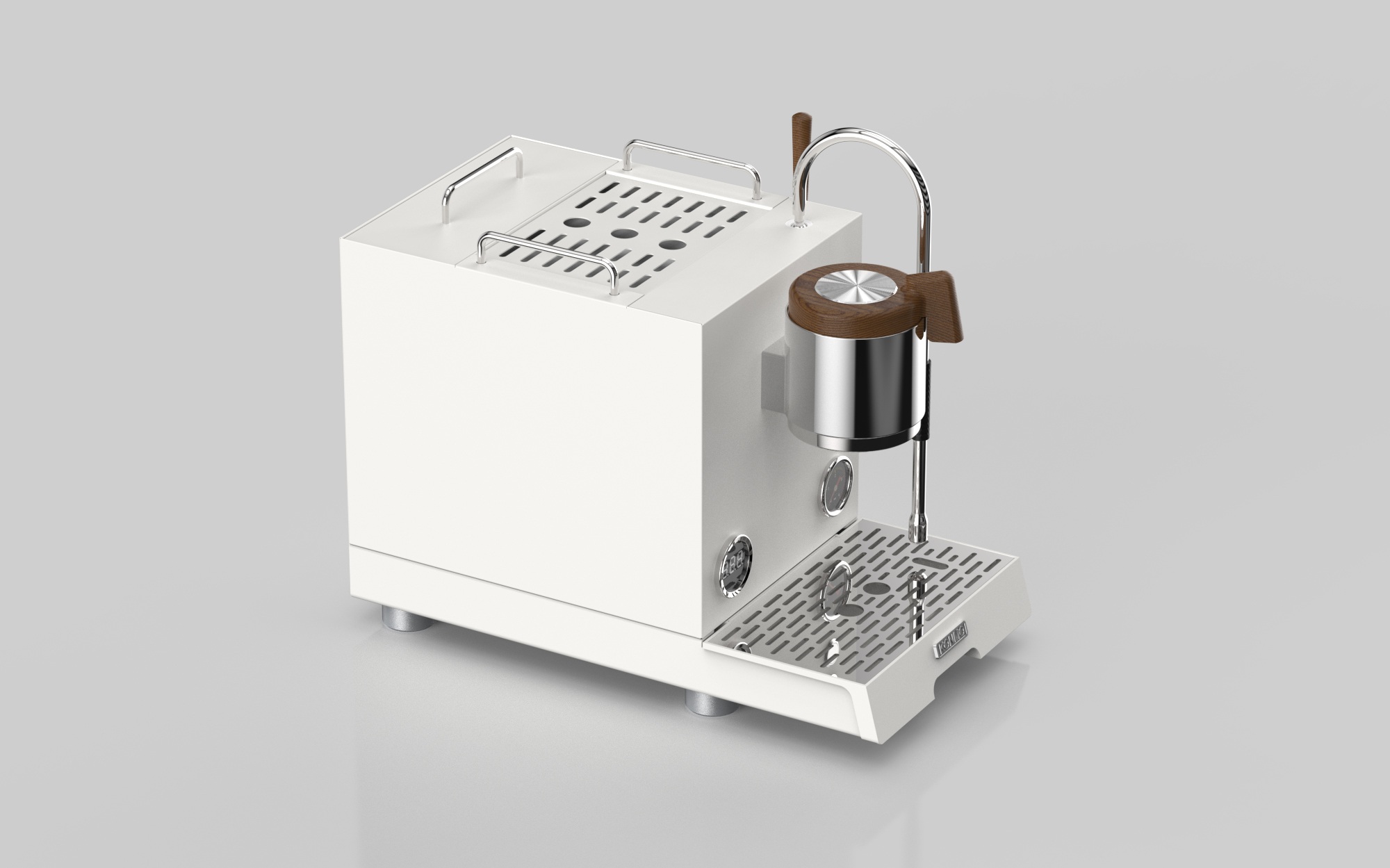
Different commercial espresso machine price ranges offer very different levels of brewing performance, workflow efficiency, and long-term durability. Understanding what features are realistic within each budget helps businesses choose equipment that matches both operational needs and investment expectations.
For small cafés, offices, hotels, and commercial beverage projects, selecting the right machine is not about choosing the most expensive model, but about finding the best balance between daily output, consistency, usability, and maintenance requirements.
Entry-Level Commercial Espresso Machine Expectations
Entry-level commercial espresso machines focus on affordability, compact size, and simplified operation. These machines are commonly used in offices, hotel rooms, small cafés, and low-volume beverage environments where space efficiency and ease of use are important.
Most entry-level models include basic brewing functions, simple temperature management systems, and one or two group heads. While they may offer fewer customization options than higher-end equipment, they can still provide stable espresso extraction for standard commercial use.
For businesses entering the coffee market, entry-level commercial espresso machines offer a lower investment threshold while maintaining professional espresso capability.
Mid-Range Commercial Espresso Machine Capabilities
Mid-range commercial espresso machines provide stronger workflow efficiency, better temperature stability, and more consistent steaming performance for growing coffee businesses.
Compared with entry-level machines, this category often includes advanced features such as PID temperature control, programmable extraction settings, stronger steam systems, and dual heating structures. These improvements help businesses maintain stable beverage quality during busy operating hours.
Mid-range commercial espresso machines are widely used in cafés, bakeries, restaurants, and hospitality environments because they balance operational performance with manageable equipment investment.
High-End Commercial Espresso Machine Performance
High-end commercial espresso machines are designed for professional coffee environments requiring maximum consistency, speed, and durability. These machines are built to handle continuous operation in busy cafés, chain beverage stores, specialty coffee shops, and luxury hospitality projects.
Advanced thermal stability systems, pressure profiling technology, multiple group heads, programmable drink recipes, and simultaneous brewing and steaming functions allow baristas to maintain stable espresso quality even during peak traffic periods.
High-end commercial espresso machines also use stronger commercial-grade materials and more advanced internal engineering, helping reduce downtime while improving long-term workflow reliability.
Durability & Long-Term Reliability
Durability becomes increasingly important as daily coffee volume increases. Lower-cost commercial espresso machines may use lighter internal materials and simpler heating systems, while premium machines are engineered for long-term commercial operation.
Machines built with stainless steel frames, brass components, and commercial-grade boilers generally provide better stability and longer service life. Stronger construction also helps reduce repair frequency and maintenance downtime.
For commercial buyers, long-term reliability is often more valuable than lower upfront pricing. A durable commercial espresso machine can improve workflow consistency, reduce servicing interruptions, and lower operational costs over time.
Additional Commercial Espresso Machine Costs
When evaluating a commercial espresso machine, the machine price itself is only part of the total investment. Installation, maintenance, water treatment, accessories, and long-term servicing can all affect the real operating cost over time.
For cafés, hotels, offices, and coffee businesses, understanding these additional expenses helps create a more realistic purchasing budget and reduces unexpected costs after installation.
Installation & Setup Costs
Some commercial espresso machines require professional installation depending on machine size, boiler configuration, and plumbing requirements. Businesses may need dedicated electrical connections, water lines, drainage systems, or water filtration equipment before the machine can operate properly.
Installation costs vary based on local labor rates and equipment complexity, but they are especially important for larger commercial espresso machines designed for continuous operation.
Planning installation requirements in advance can help businesses avoid delays, improve workflow layout, and ensure stable machine performance from the beginning.
Maintenance & Repair Expenses
Regular maintenance is essential for keeping a commercial espresso machine operating efficiently and producing consistent coffee quality. Daily cleaning, descaling, gasket replacement, and periodic professional servicing all contribute to machine lifespan and brewing stability.
Machines with stronger internal components and easier maintenance access often reduce long-term repair frequency and servicing costs. Preventative maintenance is especially important in busy commercial environments where equipment downtime can directly affect customer service and daily sales.
For coffee businesses, investing in routine maintenance is usually more cost-effective than handling major repairs caused by neglect or scale buildup.
Accessories, Filters & Warranty
Additional commercial espresso machine costs may include water filtration systems, replacement parts, cleaning tools, extra portafilters, milk pitchers, and extended warranty coverage.
Water filtration is particularly important because unstable water quality can damage boilers, affect extraction consistency, and increase scale buildup inside the machine. Many commercial environments also require backup accessories and replacement components to maintain smooth daily operation.
Warranty coverage and after-sales support should also be considered when comparing commercial espresso machine suppliers. Reliable technical support and spare part availability can significantly reduce long-term operational risk for cafés, hotels, and coffee equipment distributors.
Choosing the Right Commercial Espresso Machine
Choosing the right commercial espresso machine depends on more than budget alone. Businesses must consider daily drink volume, workflow efficiency, available space, beverage menu, staff experience, and long-term operating goals before selecting equipment.
A machine that works well for a hotel breakfast area may not be suitable for a busy specialty café, while a compact capsule system may be more practical for offices and self-service coffee stations. Understanding operational needs helps businesses avoid overspending on unnecessary features or underestimating future coffee demand.
Matching Machine Size to Business Volume
Commercial espresso machine size should match expected daily coffee output and customer traffic. Small offices, hotel guest rooms, and low-volume beverage stations usually require compact machines with simpler brewing systems.
Higher-volume cafés and restaurants often need larger commercial espresso machines with stronger boilers, faster recovery time, and multiple group heads to maintain workflow efficiency during busy hours.
Choosing the correct machine size helps improve service speed, reduce workflow bottlenecks, and maintain stable beverage quality throughout daily operation.
Balancing Budget & Daily Performance
Businesses should balance upfront equipment investment with long-term operational performance. Lower-cost commercial espresso machines may work well for light commercial use, but higher daily demand often requires stronger internal components and better temperature stability.
Machines with higher-quality boilers, advanced brewing systems, and commercial-grade construction may cost more initially, but they can improve efficiency, reduce downtime, and lower repair frequency over time.
For growing coffee businesses, investing in a machine with scalable performance often provides better long-term value than choosing the lowest-priced option.
Comparing Semi-Automatic, Automatic & Capsule Machines
Different commercial espresso machine types are designed for different operating environments and workflow requirements.
Semi-automatic commercial espresso machines provide greater manual control and are commonly used in cafés and specialty coffee environments where baristas focus on espresso quality and extraction precision.
Automatic commercial espresso machines simplify workflow and improve drink consistency, making them suitable for restaurants, hotels, and medium-volume coffee service operations.
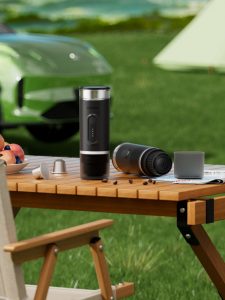
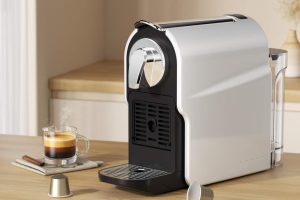
Capsule commercial coffee machines prioritize convenience, speed, and easy operation. These systems are especially popular in offices, hotel guest rooms, meeting spaces, and self-service beverage environments where minimal training and fast preparation are important.
Why Choose KONMO Commercial Espresso Machines
For commercial buyers, choosing a reliable coffee machine supplier is just as important as selecting the right machine configuration. Stable manufacturing capability, consistent product quality, export experience, and long-term supply support all play critical roles in commercial coffee equipment sourcing.
As a professional commercial coffee machine manufacturer and supplier, KONMO provides commercial espresso machine solutions for cafés, hotels, offices, distributors, and private label coffee equipment brands worldwide.
OEM & Private Label Support
KONMO supports OEM and private label commercial espresso machine projects for global distributors, coffee brands, and commercial equipment importers. Businesses can customize machine appearance, branding, packaging, and functional configurations based on different market positioning and customer requirements.
Flexible product solutions help distributors build differentiated coffee equipment lines while maintaining stable production quality and commercial functionality.
Certified Manufacturing Standards
Commercial espresso machines for international markets must meet strict manufacturing and compliance requirements. KONMO focuses on standardized production processes and commercial-grade quality control to support global export needs.
Professional manufacturing management helps improve machine consistency, operational stability, and long-term reliability across different commercial applications, including cafés, hotels, offices, and hospitality projects.
Stable Production & Global Supply
For commercial coffee equipment buyers, stable lead times and scalable production capacity are essential for inventory planning and long-term business development. KONMO provides stable commercial coffee machine manufacturing support for global customers across multiple coffee equipment categories.
With experience serving different commercial environments, KONMO offers flexible commercial espresso machine solutions designed for various business scenarios, from compact office coffee systems to larger commercial beverage operations.
Small commercial espresso machine prices can vary significantly depending on machine type, brewing technology, build quality, and operational capacity. Entry-level machines are suitable for low-volume commercial environments, while mid-range and high-end models provide stronger workflow efficiency, temperature stability, and long-term durability for busy coffee operations.
When choosing a commercial espresso machine, businesses should evaluate not only upfront equipment cost, but also installation, maintenance, workflow requirements, and future operational growth. Selecting the right machine helps improve beverage consistency, operational efficiency, and long-term business value.
For cafés, hotels, offices, and coffee equipment distributors looking for reliable commercial coffee machine solutions, KONMO provides flexible manufacturing support, stable production capability, and commercial espresso machine solutions for a wide range of professional coffee applications.
FAQ
How much does a small commercial espresso machine cost?
A small commercial espresso machine can cost anywhere from $500 to over $20,000 depending on machine type, brewing capacity, automation level, boiler system, and commercial-grade build quality. Entry-level machines are usually suitable for offices and small cafés, while high-end commercial espresso machines are designed for busy coffee shops and large-scale beverage operations.
What is the difference between a commercial espresso machine and a home espresso machine?
Commercial espresso machines are designed for continuous daily operation, higher drink output, and stronger workflow efficiency. They typically include larger boilers, more stable temperature systems, stronger steam performance, and more durable commercial-grade components than home espresso machines.
Is a commercial espresso machine worth the investment?
For cafés, restaurants, hotels, and offices with regular coffee demand, a commercial espresso machine can provide better brewing consistency, faster workflow, and longer operational lifespan compared with consumer-level equipment. Choosing the right machine can also improve beverage quality and customer experience over time.
What size commercial espresso machine does a café need?
The right commercial espresso machine size depends on daily drink volume, customer traffic, and beverage menu requirements. Small cafés may only require compact single-group machines, while busy coffee shops usually need larger dual-group or multi-group commercial espresso machines for continuous operation during peak hours.
What factors affect commercial espresso machine pricing?
Commercial espresso machine pricing is mainly influenced by boiler configuration, temperature control technology, automation level, brewing capacity, build materials, and brand positioning. Advanced features such as PID temperature control, dual boilers, programmable settings, and pressure profiling generally increase machine cost.
How long does a commercial espresso machine last?
A commercial espresso machine can last many years when properly maintained. Regular cleaning, water filtration, descaling, and preventative servicing all help extend machine lifespan and maintain brewing stability. Machines built with commercial-grade stainless steel and reinforced internal components generally offer better long-term durability.
Are capsule commercial coffee machines suitable for business use?
Yes. Capsule commercial coffee machines are widely used in offices, hotels, meeting rooms, and self-service beverage environments because they provide fast operation, compact design, and simplified maintenance. They are especially suitable for businesses prioritizing convenience and operational efficiency.
What should businesses consider before buying a commercial espresso machine?
Businesses should evaluate daily coffee volume, available space, workflow requirements, maintenance needs, beverage menu, and long-term operational goals before selecting a commercial espresso machine. Supplier reliability, warranty support, and spare part availability are also important considerations for commercial buyers.