

Smooth, glossy milk from a professional coffee machine is one of the biggest reasons café coffee tastes richer and more professional than homemade drinks. Behind every silky latte or creamy cappuccino is a combination of proper steaming technique, stable steam pressure, and a reliable coffee machine. Professional baristas carefully control milk temperature, steam wand positioning, and air incorporation to create fine microfoam with a sweet, velvety texture.
Modern commercial coffee machines make this process more consistent by providing steady steam power and precise temperature control. Machines like the KONMO KM-S100 are designed to deliver stable milk steaming performance for cafés, offices, hotels, and specialty coffee environments.
In this guide, you will learn how cafés steam milk so perfectly, how different milk types affect foam texture, the difference between frothing and steaming, and how to create smooth microfoam for latte art using a coffee machine.
Key Takeaways
- Start with cold milk to create smoother and more stable microfoam when using a coffee machine.
- Keep the steam wand just below the milk surface during the first few seconds to properly introduce air into the milk.
- Ideal milk steaming temperature is around 140–150°F (60–65°C) for sweet flavor and silky texture.
- Stable steam pressure from a commercial coffee machine helps create finer foam and more consistent milk texture.
- Whole milk usually produces the richest microfoam, while barista-style oat milk performs best for plant-based coffee drinks.
- Steamed milk creates a creamy texture for lattes and flat whites, while frothed milk produces thicker foam for cappuccinos.
- Swirling the milk pitcher after steaming helps remove large bubbles and creates glossy microfoam for latte art.
- Cleaning the steam wand after every use prevents milk buildup and keeps coffee machine performance stable.
Coffee Machine Essentials for Perfect Milk Steaming
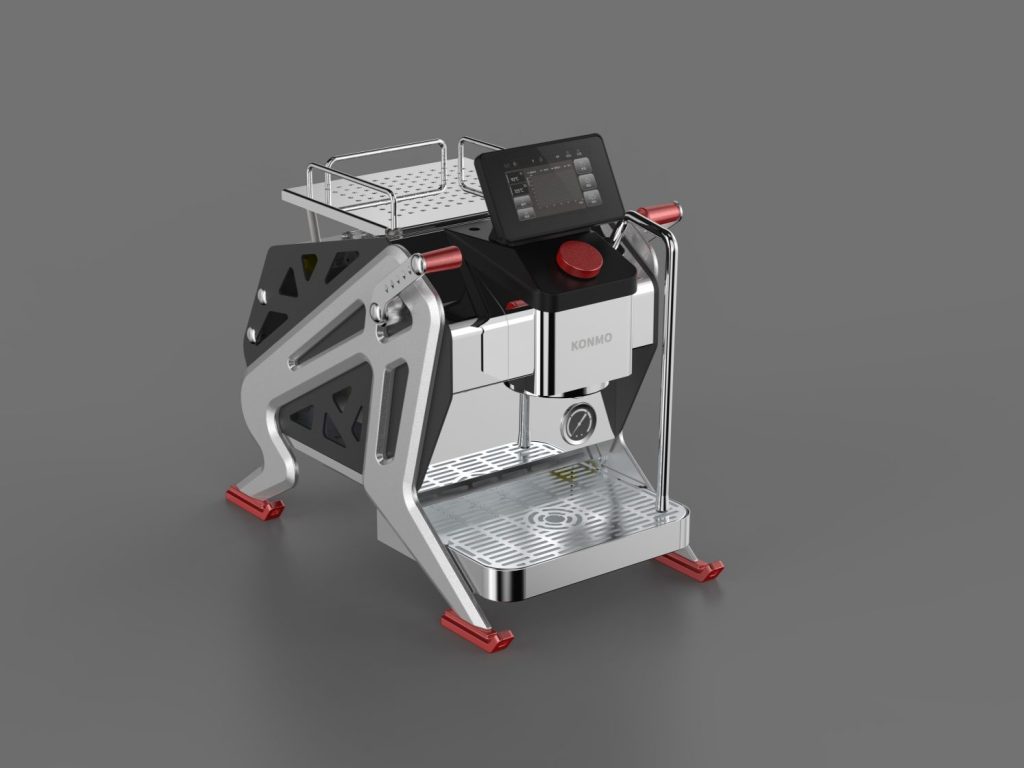
Perfect café-style milk starts with the right coffee machine setup. Professional baristas rely on stable steam pressure, precise temperature control, and proper steaming tools to create silky microfoam for lattes and cappuccinos. Even small differences in steam performance or pitcher design can affect milk texture, sweetness, and pouring consistency.
Commercial coffee machines like the KONMO KM-S100 are designed to deliver continuous steam power and stable performance, helping cafés, hotels, and coffee businesses produce smoother milk texture during busy service hours.
Understanding How a Coffee Machine Steam Wand Works
The steam wand is one of the most important parts of a coffee machine for milk-based drinks. It uses high-pressure steam to heat milk while introducing air at the same time. This process creates microfoam — a smooth, glossy milk texture used in café-quality latte art.
Professional baristas usually divide milk steaming into two stages:
- Stretching: introducing air into the milk to build foam
- Texturing: blending milk and foam into a silky consistency
During the stretching phase, the steam wand tip stays just below the milk surface to pull air into the pitcher. Once enough foam is created, the wand moves deeper into the milk to continue heating and polishing the texture.
A powerful commercial coffee machine creates a stronger milk vortex, which helps break large bubbles into fine microfoam. This is why café milk often feels smoother and sweeter than homemade milk foam.
Choosing the Right Milk Pitcher for Coffee Machine Steaming
Milk pitchers play a major role in steaming control and latte art precision. Most cafés prefer stainless steel pitchers because they maintain temperature well and provide better control during pouring.
Pitcher shape also affects milk movement during steaming:
- Narrow-bottom pitchers create a stronger whirlpool
- Wider pitchers allow faster milk expansion
- Sharp spouts improve latte art accuracy
- Rounded spouts create softer pouring patterns
Choosing the right pitcher size is equally important. A pitcher that is too large reduces milk circulation, while an overfilled pitcher makes it harder to texture the milk properly.
For most latte and cappuccino preparations, cafés commonly use the following:
| Pitcher Size | Recommended Use |
|---|---|
| 350ml | Single milk drinks |
| 600ml | Two drinks or larger lattes |
| 900ml+ | Commercial batch preparation |
Professional coffee machines paired with properly sized pitchers help improve steaming consistency and workflow efficiency.
Why Coffee Machine Steam Pressure Matters for Milk Texture
Steam pressure directly affects milk quality. Weak or unstable steam creates large bubbles and uneven foam, while stable steam pressure produces fine, glossy microfoam with a smoother mouthfeel.
Commercial coffee machines use larger boilers and stronger steam systems than entry-level home machines. This allows baristas to steam milk faster while maintaining consistent texture throughout the day.
Stable steam pressure offers several advantages:
- Faster milk heating
- Better foam consistency
- Smoother microfoam texture
- Improved latte art control
- More efficient café workflow
Many cafés choose dual-boiler coffee machines because they can brew espresso and steam milk simultaneously without losing pressure stability.
KONMO commercial coffee machines are designed for stable steam output and continuous performance, making them suitable for cafés, offices, hotels, and specialty coffee environments that require reliable milk steaming quality.
How to Steam Milk With a Coffee Machine
Steaming milk correctly is what separates homemade coffee from café-quality drinks. Professional baristas focus on milk temperature, steam wand positioning, and foam texture to create smooth microfoam that blends naturally with espresso. With the right coffee machine and proper technique, you can achieve silky milk texture for lattes, cappuccinos, flat whites, and other specialty coffee drinks.
Preparing Milk and Coffee Machine Steaming Tools
Proper preparation is essential for consistent milk steaming results. Most cafés always begin with fresh, cold milk because colder milk gives baristas more time to stretch the foam and create smoother microfoam.
Pour milk into a stainless steel pitcher until it reaches just below the bottom of the spout. This leaves enough room for the milk to expand during steaming while still allowing proper circulation inside the pitcher.
Before steaming, always purge the steam wand for one to two seconds. This removes leftover condensation and prevents excess water from entering the milk. Professional baristas also wipe the steam wand before every use to maintain hygiene and stable steaming performance.
For best results, prepare these basic tools before steaming:
- Commercial or semi-commercial coffee machine
- Stainless steel milk pitcher
- Cold fresh milk
- Clean steam wand cloth
- Milk thermometer (optional)
Commercial coffee machines like the KONMO KM-S100 provide stronger and more stable steam performance, helping users create smoother milk texture more efficiently during daily operation.
Steam Wand Positioning and Milk Swirling Techniques
Steam wand positioning has a major impact on milk texture. Even small angle adjustments can change foam quality and consistency.
Start by placing the steam wand tip slightly below the milk surface near the side of the pitcher. Then tilt the pitcher slightly to encourage the milk to spin in a circular motion. This spinning movement creates a vortex that helps combine milk and foam evenly.
Professional cafés usually steam milk in two phases:
Stretching Phase
During the first few seconds, keep the steam wand close to the milk surface to introduce air into the milk. You should hear a soft paper-tearing sound instead of loud splashing noises. This stage builds foam volume and creates microbubbles.
Texturing Phase
After enough air has been added, lower the steam wand deeper into the milk. The vortex begins folding the foam back into the liquid, creating glossy, paint-like microfoam with a silky texture.
A proper vortex helps eliminate large bubbles and improves latte art performance. Stable steam pressure from a professional coffee machine also makes the milk texture more consistent and easier to control.
Best Coffee Machine Milk Steaming Temperatures
Milk temperature directly affects sweetness, texture, and foam stability. Overheating destroys milk proteins and creates dry, rough foam, while properly steamed milk tastes naturally sweeter and creamier.
Most cafés steam milk within these temperature ranges:
| Coffee Drink | Ideal Temperature | Texture Result |
|---|---|---|
| Latte | 140–150°F (60–65°C) | Smooth microfoam |
| Flat White | 140–150°F (60–65°C) | Thin silky texture |
| Cappuccino | 150–155°F (65–68°C) | Thicker foam layer |
Professional baristas usually begin adding air while the milk is still cold. As the milk temperature rises, proteins stabilize the foam and create smoother texture.
Once the pitcher becomes almost too hot to comfortably hold, steaming should stop immediately. Milk overheated above 155°F often loses sweetness and develops a burnt flavor.
After steaming:
- Tap the pitcher gently on the counter to remove large bubbles
- Swirl the milk to blend foam and liquid evenly
- Pour immediately for the best latte art texture
The final milk texture should appear glossy and smooth, similar to wet paint.
Cleaning the Steam Wand After Milk Steaming
Cleaning the steam wand immediately after use is one of the most important habits in professional coffee preparation. Milk residue can quickly dry inside the steam tip, reducing steam performance and affecting milk quality.
Professional cafés typically follow this cleaning routine after every drink:
- Wipe the steam wand with a clean damp cloth
- Purge steam for one to two seconds
- Remove any remaining milk residue from the tip
For deeper maintenance:
- Soak the steam wand tip in warm water daily
- Use coffee machine cleaner weekly
- Check steam holes regularly for blockage
Keeping the steam wand clean helps maintain stable steam pressure, better hygiene, and more consistent milk texture over time.
Commercial coffee machines designed for high-frequency steaming, such as KONMO coffee machines, are built to support continuous milk preparation while maintaining stable steaming performance.
Coffee Machine Milk Steaming for Different Milk Types
Different milk types produce different steaming results. Protein, fat content, and sugar levels all affect foam stability, sweetness, and overall texture. Professional cafés often adjust steaming techniques based on the type of milk used to achieve the best balance between flavor and microfoam quality.
Understanding how each milk reacts to steam can help you create smoother coffee drinks and improve latte art consistency.
Dairy Milk vs Plant-Based Milk for Coffee Machine Steaming
Whole milk remains the most common choice in cafés because it creates rich, creamy microfoam with excellent stability. The balanced combination of protein and fat allows the milk to stretch smoothly while maintaining a glossy texture that blends naturally with espresso.
Skim milk produces larger foam volume because of its lower fat content, but the texture is usually lighter and less creamy than whole milk.
Plant-based milk has become increasingly popular in specialty coffee shops, especially oat milk. Barista-style oat milk is widely used because it creates stable foam and develops natural sweetness when heated. Almond milk offers a lighter texture and nutty flavor, although standard versions may struggle to produce consistent microfoam.
Different milk options create different steaming characteristics:
| Milk Type | Foam Quality | Texture | Best Use |
|---|---|---|---|
| Whole Milk | Excellent | Rich & creamy | Latte art, flat white |
| Skim Milk | High foam volume | Light texture | Cappuccino |
| Oat Milk | Very stable | Smooth & sweet | Plant-based lattes |
| Almond Milk | Moderate | Light & silky | Specialty coffee drinks |
Commercial coffee machines with stable steam pressure help improve consistency across both dairy and plant-based milk steaming. KONMO coffee machines are designed to maintain steady steam output for a wide range of milk-based beverages.
How Milk Type Affects Foam Texture and Flavor
Milk does more than simply soften espresso flavor. It also changes the body, sweetness, and mouthfeel of the final coffee drink.
Whole milk creates dense microfoam with a silky finish, making it ideal for latte art and milk-forward beverages. The natural fats help create a smooth, creamy texture that balances espresso bitterness.
Oat milk has become a favorite in modern cafés because steaming enhances its natural sweetness. It also creates stable foam with a texture similar to dairy milk, especially when using barista formulations.
Soy milk contains relatively high protein levels, allowing it to foam well, but overheating may cause separation or grainy texture. Almond milk generally creates lighter foam and requires a more controlled steaming technique.
Professional baristas often adjust steaming methods depending on the milk type:
- Dairy milk → slightly more stretching for glossy foam
- Oat milk → gentler aeration to preserve smoothness
- Soy milk → lower steaming temperature to avoid splitting
- Almond milk → slower steaming for better foam stability
For beginners learning latte art, whole milk and barista-style oat milk are usually the easiest options for creating stable microfoam.
The consistency of the steam system also matters. Coffee machines with stable temperature and steam pressure make it easier to texture different milk types evenly, especially during busy café service.
Coffee Machine Frothing vs. Steaming: What’s the Difference?
Many coffee drinkers use the terms “frothing” and “steaming” interchangeably, but cafés treat them as two different milk preparation techniques. The difference mainly comes down to how much air is introduced into the milk and the final texture you want to achieve.
Understanding the difference between frothed milk and steamed milk helps you choose the right texture for different coffee drinks, from airy cappuccinos to silky flat whites.
Key Differences Between Frothing and Steaming Milk
Milk frothing focuses on adding more air into the milk to create larger bubbles and thicker foam. During frothing, the steam wand stays closer to the milk surface for a longer period, allowing more air to enter the milk.
Milk steaming focuses more on texture and integration. After introducing a small amount of air, the steam wand moves deeper into the milk to create fine microfoam with a smoother, silkier consistency.
The final texture difference is significant:
| Technique | Foam Texture | Bubble Size | Best For |
|---|---|---|---|
| Frothing | Light & airy | Larger bubbles | Cappuccino, macchiato |
| Steaming | Smooth & creamy | Fine microfoam | Latte, flat white |
Frothed milk creates thicker foam with more separation between foam and liquid milk. Steamed milk creates a more unified texture where foam and milk blend together smoothly.
Professional coffee machines allow baristas to control both techniques more precisely through steam pressure, wand positioning, and steaming time.
When to Use Frothed Milk or Steamed Milk
Different coffee drinks require different milk textures to achieve the right balance of flavor and mouthfeel.
Frothed milk is typically used for drinks that need a thick foam layer. Cappuccinos traditionally contain more airy foam, creating a lighter texture and stronger visual separation between espresso and milk.
Steamed milk is preferred for latte-based drinks because silky microfoam blends naturally with espresso and creates a smoother drinking experience.
Here are the most common café applications:
- Cappuccino → thick, airy foam
- Latte → silky steamed milk
- Flat White → thin microfoam layer
- Macchiato → light milk foam topping
- Cortado → lightly textured steamed milk
If you want sharper latte art patterns, steamed milk with fine microfoam works best. Larger bubbles from heavily frothed milk can break the crema surface and reduce pouring precision.
Commercial coffee machines with stable steam performance, such as KONMO coffee machines, help users switch more consistently between frothing and steaming techniques depending on the beverage style.
Coffee Machine Latte Art Basics for Beginners
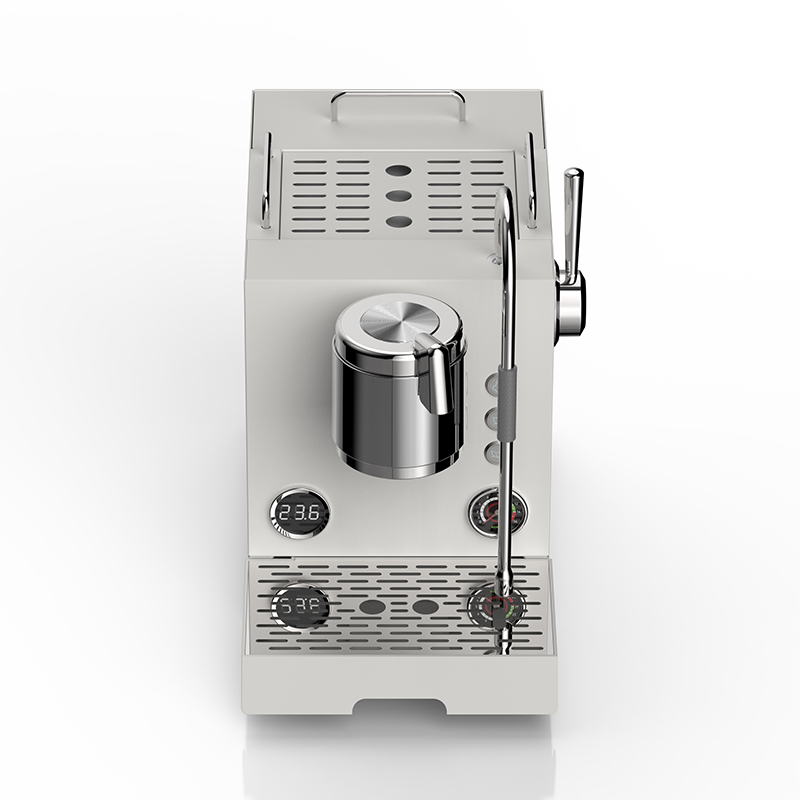
Latte art is one of the most recognizable skills in specialty coffee culture. Smooth patterns like hearts, tulips, and rosettas are created by combining properly extracted espresso with silky microfoam. While latte art may look difficult at first, most café-style designs begin with consistent milk texture and controlled pouring techniques.
A coffee machine with stable steam pressure helps create smoother microfoam, making latte art easier to practice and more consistent over time.
Beginner Latte Art Pouring Techniques
Before pouring latte art, make sure the steamed milk has a glossy, paint-like texture. Swirl the milk pitcher gently to combine the foam and liquid evenly. Freshly steamed milk pours best within the first few seconds after steaming.
Most beginners start with three classic latte art patterns:
Heart Pattern
The heart is usually the easiest latte art design to learn.
To create a heart:
- Start pouring from slightly above the cup
- Pour directly into the center of the espresso
- Lower the pitcher closer to the surface as the cup fills
- Finish with a quick pull-through motion
This creates a clean, rounded heart shape.
Rosetta Pattern
The rosetta resembles a leaf pattern and requires more controlled milk flow.
To create a rosetta:
- Pour a thin stream from a slightly higher position
- Move the pitcher side to side evenly
- Slowly move backward while pouring
- Finish with a pull-through at the end
Consistent milk texture and smooth hand movement are essential for clean rosetta lines.
Tulip Pattern
The tulip is created by stacking multiple layers of foam.
This pattern requires:
- Controlled milk flow
- Consistent pitcher positioning
- Smooth microfoam texture
Although slightly more advanced, tulips are commonly used in specialty cafés because they work well with thicker milk textures.
Tips for Creating Silky Microfoam at Home
Microfoam is the foundation of good latte art. Professional cafés aim for milk texture that looks glossy, smooth, and free of large bubbles.
To improve microfoam quality at home:
- Start with cold milk
- Use a clean steam wand and pitcher
- Introduce air only during the first few seconds
- Keep the milk spinning in a stable vortex
- Avoid overheating the milk
- Swirl the pitcher immediately after steaming
The final texture should resemble wet paint or melted ice cream.
Here are some common latte art mistakes beginners make:
| Common Problem | Cause | Solution |
|---|---|---|
| Large bubbles | Too much air introduced | Stretch milk for less time |
| Flat milk texture | Not enough aeration | Keep wand closer to surface initially |
| Broken latte art patterns | Milk too thick or dry | Improve vortex during steaming |
| Foam separates quickly | Overheated milk | Keep milk below 155°F |
Practicing consistently with a stable coffee machine can significantly improve milk texture and pouring control. Commercial coffee machines like the KONMO KM-S100 are designed to maintain steady steam performance, helping users produce smoother microfoam for latte art applications.
Perfect café-style milk steaming comes from the combination of proper technique, quality milk, and a reliable coffee machine. From steam wand positioning and milk temperature control to microfoam texture and latte art pouring, every detail affects the final coffee experience.
Professional cafés achieve silky, glossy milk by using stable steam pressure, maintaining clean equipment, and carefully controlling aeration throughout the steaming process. With practice and the right setup, you can create smooth lattes, creamy cappuccinos, and café-quality microfoam at home or in commercial environments.
Commercial coffee machines like KONMO coffee machines are designed to deliver stable steaming performance for cafés, hotels, offices, and specialty coffee applications, helping users achieve more consistent milk texture and workflow efficiency.
FAQ
How do cafés make milk so smooth and silky?
Cafés create silky milk by combining proper steaming technique with stable steam pressure from a professional coffee machine. Baristas carefully control air intake, milk temperature, and steam wand positioning to create fine microfoam instead of large bubbles.
The milk is usually steamed between 140–150°F to maintain sweetness and smooth texture. A strong vortex inside the milk pitcher also helps blend foam evenly for a glossy finish.
What milk is best for steaming with a coffee machine?
Whole milk is generally considered the best option for coffee machine steaming because it creates creamy, stable microfoam that works well for latte art.
For plant-based options, barista-style oat milk is one of the most popular choices because it produces smooth foam and naturally sweet flavor when heated.
Different milk types create different results:
- Whole milk → rich and creamy texture
- Skim milk → lighter foam with more volume
- Oat milk → smooth and stable plant-based foam
- Almond milk → lighter texture with nutty flavor
Why is my steamed milk full of large bubbles?
Large bubbles usually happen when too much air enters the milk during steaming. This often occurs when the steam wand sits too high above the milk surface.
To create smoother microfoam:
- Keep the steam wand just below the milk surface
- Introduce air only during the first few seconds
- Maintain a steady milk vortex while steaming
- Swirl the milk pitcher after steaming
Proper steam pressure from the coffee machine also helps reduce uneven foam texture.
What temperature should milk be steamed to?
Most cafés steam milk between 140–150°F (60–65°C). This temperature range creates the best balance between sweetness, texture, and foam stability.
Milk heated above 155°F may lose sweetness and develop a burnt taste. Overheating can also damage milk proteins and create dry foam with large bubbles.
What is the difference between milk frothing and milk steaming?
Milk frothing creates lighter, airier foam with larger bubbles, while milk steaming creates silky microfoam with a smoother texture.
Frothed milk is commonly used for:
- Cappuccinos
- Macchiatos
Steamed milk is preferred for:
- Lattes
- Flat whites
- Cortados
Professional coffee machines allow users to control both frothing and steaming techniques more precisely.
Can you steam plant-based milk with a coffee machine?
Yes. Most commercial and semi-commercial coffee machines can steam plant-based milk successfully. However, each milk type reacts differently to heat and steam pressure.
Barista-style oat milk and soy milk generally foam better because they contain more protein and stabilizers. Almond milk may require gentler steaming and slower aeration to create smoother foam.
Using a coffee machine with stable steam pressure helps improve consistency when steaming dairy-free milk options.
Why do cafés use commercial coffee machines for milk steaming?
Commercial coffee machines provide stronger and more stable steam pressure than entry-level home machines. This allows cafés to steam milk faster while maintaining consistent texture during busy service periods.
Commercial coffee machines also offer:
- Faster recovery time
- Better steam stability
- More consistent microfoam quality
- Improved workflow efficiency
- Simultaneous brewing and steaming capabilities
KONMO commercial coffee machines are designed to support stable milk steaming performance across cafés, offices, hotels, and specialty coffee environments.