In 2026, choosing the right coffee machine has become more important than ever as consumers increasingly expect café-quality coffee at home, in offices, in hotels, and in commercial spaces. Modern coffee machines are no longer designed only for brewing coffee — they now combine convenience, customization, smart technology, and long-term performance. From manual espresso machines to fully automatic systems, different coffee machine types are built for different lifestyles and business environments. Whether you are a home user, café owner, hospitality buyer, or coffee equipment distributor, understanding machine types, features, and ownership costs can help you make a smarter investment.
Key Takeaways
- Choose a coffee machine based on your preferred coffee style and daily usage habits.
- Different coffee machine types offer different levels of control, automation, and convenience.
- Key features like boiler systems, pressure stability, and programmability directly affect brewing quality.
- Consider long-term ownership costs, including maintenance, accessories, and machine lifespan.
- Certified coffee machines with reliable build quality offer better safety and long-term performance.
- Modern coffee machines increasingly combine smart functions, customization, and premium design.
Different Types of Coffee Machines Explained
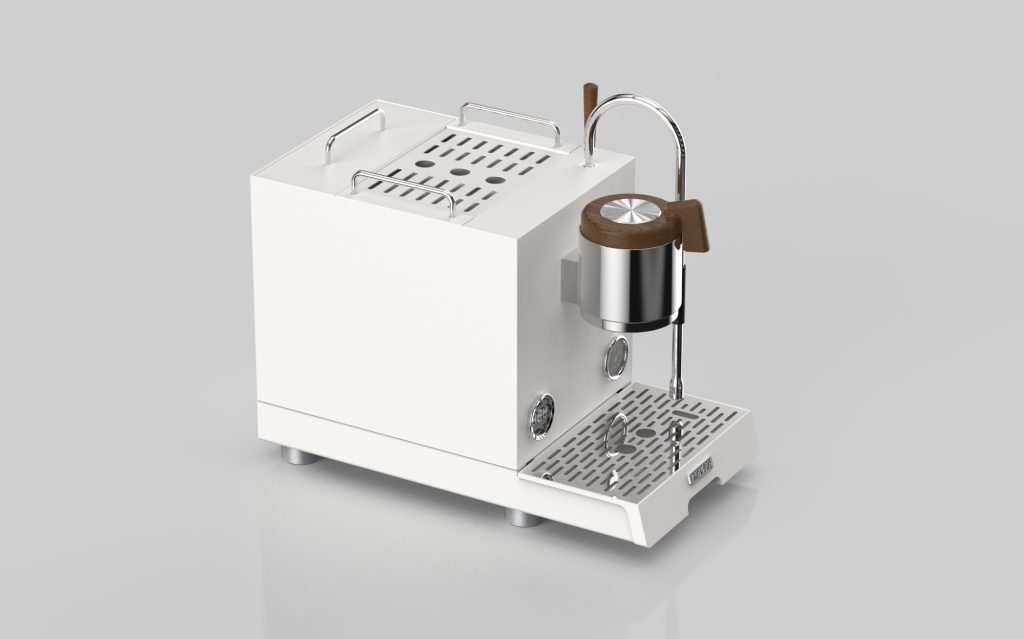
Understanding different coffee machine types is the first step toward choosing the right system. Each machine category offers a different balance of control, automation, brewing quality, and convenience. The best choice depends on your experience level, beverage preferences, daily volume, and how involved you want to be in the brewing process.
Manual Coffee Machines
Manual coffee machines provide complete control over the espresso-making process. Users manually manage extraction pressure, water flow, and brewing time, making these machines popular among coffee enthusiasts who enjoy experimenting with flavor profiles and brewing techniques.
While manual espresso machines deliver a traditional and highly customizable coffee experience, they also require more skill, consistency, and practice. They are best suited for experienced users who value craftsmanship and precision over convenience.
Best For:
- Espresso enthusiasts
- Specialty coffee lovers
- Experienced home brewers
Advantages:
- Full control over extraction
- Traditional espresso workflow
- Highly customizable brewing results
Considerations:
- Steeper learning curve
- Slower preparation process
- Requires consistent technique
Semi-Automatic Coffee Machines
Semi-automatic coffee machines balance manual control with automated brewing stability. Users can adjust grind size, coffee dosage, and extraction timing, while the machine manages stable water pressure and temperature during brewing.
This category remains one of the most popular coffee machine choices in 2026 because it offers professional espresso quality while remaining relatively user-friendly. Semi-automatic machines are widely used in homes, cafés, and boutique hospitality environments.
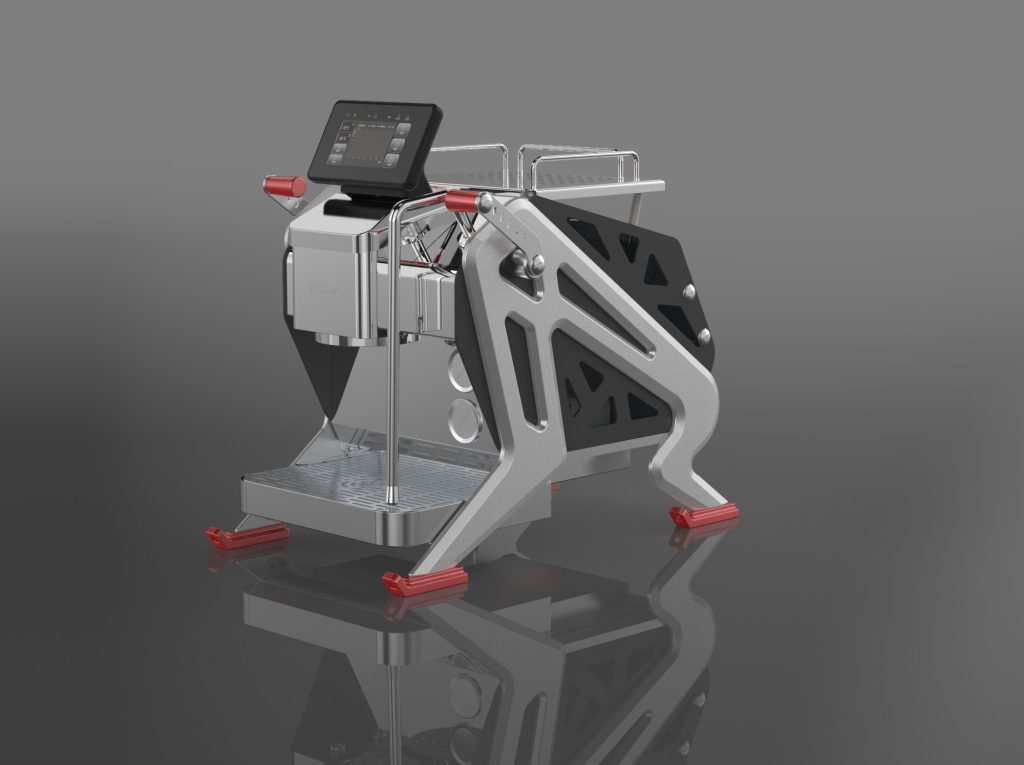
The KONMO KM-S100 Professional Coffee Machine is designed around this balance, combining stable extraction performance with customizable brewing functions and modern aesthetics.
Best For:
- Home espresso users
- Small cafés
- Coffee enthusiasts upgrading from entry-level machines
Advantages:
- Better espresso consistency
- More brewing flexibility
- Professional-style coffee experience
- Easier operation than fully manual systems
Considerations:
- Requires some espresso knowledge
- Regular cleaning and maintenance are necessary
Super-Automatic Coffee Machines
Super-automatic coffee machines simplify the entire brewing workflow by automating grinding, extraction, milk frothing, and drink preparation with a single touch.
These systems are ideal for users who prioritize convenience, speed, and consistency. In 2026, super-automatic coffee machines are increasingly used in offices, hotels, self-service coffee stations, and busy households where operational efficiency matters.
Best For:
- Offices and workspaces
- Hotels and hospitality environments
- Busy households
- Convenience-focused users
Advantages:
- One-touch brewing operation
- Consistent beverage quality
- Integrated grinder and milk system
- Faster workflow efficiency
Considerations:
- Higher initial investment
- Less hands-on brewing customization
- Internal maintenance can be more complex
Pod and Capsule Coffee Machines
Pod and capsule coffee machines continue to grow in popularity because of their compact design, fast brewing speed, and simple operation. Users only need to insert a capsule and press a button to prepare coffee within seconds.
These machines are especially suitable for apartments, hotel guest rooms, office coffee corners, and consumers who prioritize convenience over manual brewing control.
KONMO also supports multiple capsule-compatible systems for OEM and private label coffee machine projects.
Best For:
- Compact living spaces
- Hotels and hospitality projects
- Office coffee stations
- Convenience-oriented users
Advantages:
- Fast and easy operation
- Minimal cleanup
- Compact machine footprint
- Consistent brewing performance
Considerations:
- Limited brewing customization
- Ongoing capsule costs
- Capsule compatibility should be verified
Drip Coffee Machines
Drip coffee machines remain one of the most practical solutions for brewing multiple cups efficiently. They are widely used in homes, offices, breakfast services, and commercial self-service areas.
Modern drip coffee machines increasingly include programmable timers, temperature management systems, and automated brewing functions that improve convenience and consistency.
Best For:
- Families
- Offices and meeting rooms
- Breakfast service environments
- High-volume coffee preparation
Advantages:
- Efficient multi-cup brewing
- Simple daily operation
- Lower ownership costs
- Suitable for batch brewing
Considerations:
- Less espresso-style intensity
- Limited milk beverage functionality
Portable Coffee Machines
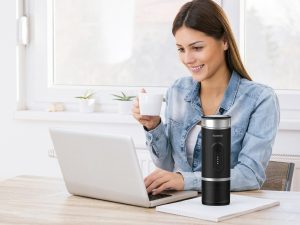
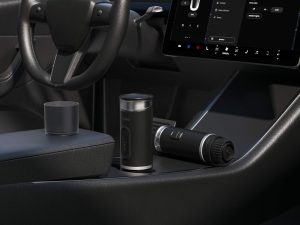
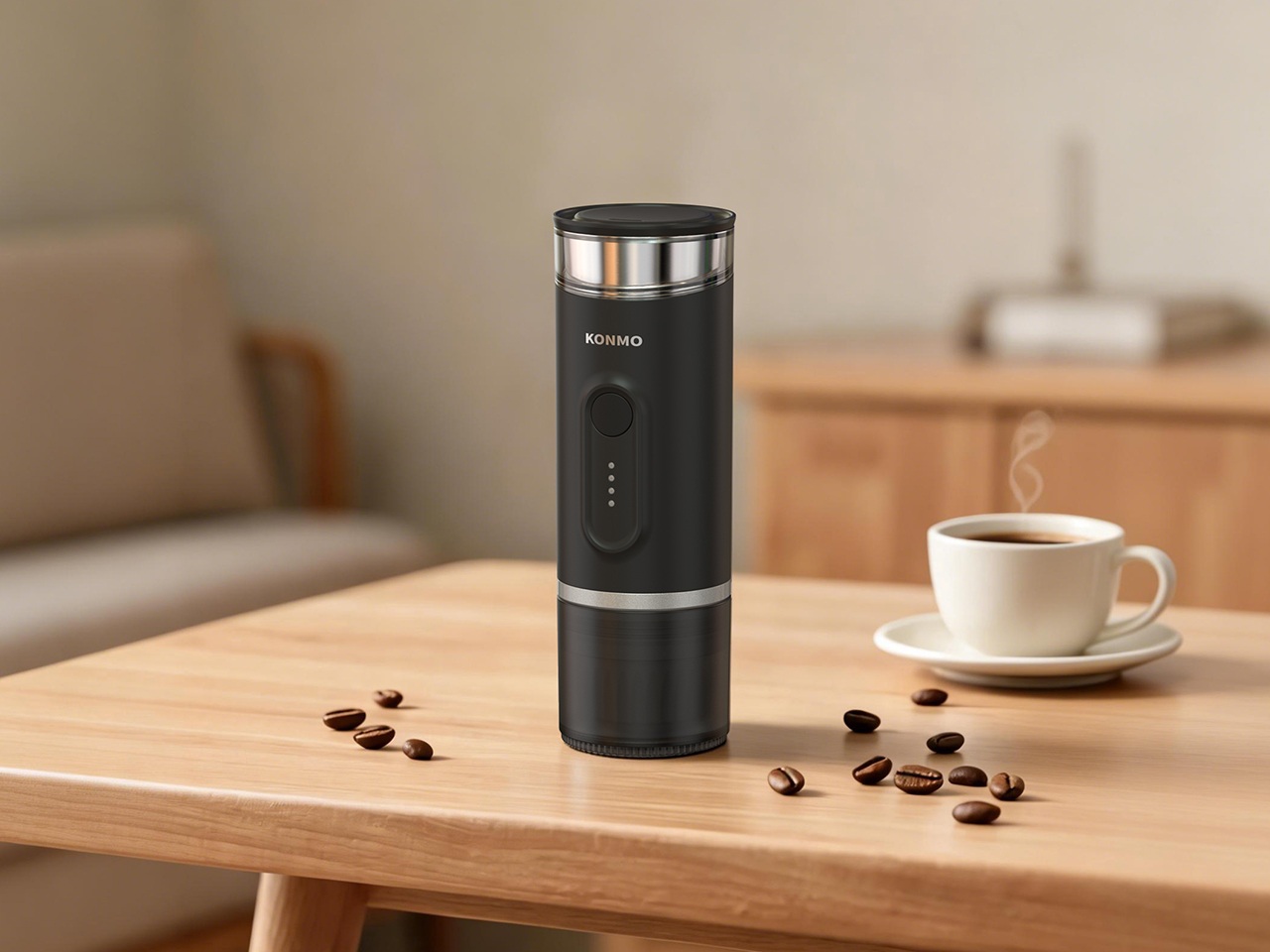
Portable coffee machines have become increasingly popular alongside travel culture, camping lifestyles, and mobile work environments. These compact systems allow users to prepare espresso or coffee almost anywhere.
Many portable coffee makers now support USB charging, capsule compatibility, and handheld pressure extraction, improving flexibility for outdoor use and travel scenarios.
Best For:
- Camping and outdoor activities
- Travel and commuting
- Mobile coffee lifestyles
Advantages:
- Lightweight and compact
- Easy transportation
- Flexible brewing locations
- Convenient outdoor usage
Considerations:
- Smaller brewing capacity
- Limited compared to full-size espresso systems
Key Coffee Machine Features to Consider
After selecting the right coffee machine type, the next step is understanding which features have the biggest impact on brewing quality, workflow efficiency, user experience, and long-term value. In 2026, modern coffee machines increasingly combine advanced heating technology, smart functions, customizable settings, and premium build quality to meet both residential and commercial demands.
Boiler Types and Heating Systems
The boiler system plays a critical role in temperature stability, steam performance, and brewing efficiency. Different heating systems affect how quickly the coffee machine heats up and how consistently it maintains extraction temperature during brewing.
Single-boiler systems are common in entry-level and compact espresso machines, while dual-boiler systems are preferred for commercial environments and advanced users because they allow simultaneous brewing and milk steaming. Thermoblock systems, on the other hand, prioritize fast heat-up speed and energy efficiency.
Common Boiler Systems:
- Single Boiler Systems
- Dual Boiler Systems
- Heat Exchanger Systems
- Thermoblock Heating Systems
Key Considerations:
- Temperature consistency
- Heat-up speed
- Steam performance
- Brewing workflow efficiency
Coffee Machine Bar Pressure
Bar pressure is one of the most important technical specifications for espresso extraction. A stable pressure system helps water pass evenly through coffee grounds, producing balanced flavor and rich crema.
Most professional espresso machines operate at approximately 9 bars of brewing pressure, which is widely considered the ideal standard for espresso preparation.
Ideal Espresso Standards:
- Around 9 bars of extraction pressure
- Stable brewing temperature between 88–94°C
- Consistent water flow during extraction
Why It Matters:
- Improves crema quality
- Enhances flavor extraction
- Creates more balanced espresso shots
Water Tank Capacity
Water tank capacity directly affects convenience and brewing workflow. Smaller water tanks may work well for home use, while offices, cafés, and hospitality environments usually require larger-capacity systems to reduce refill frequency.
Choosing the correct tank size helps improve operational efficiency and daily usability.
Recommended Usage:
- Small tanks for home brewing
- Medium tanks for office environments
- Large-capacity systems for commercial applications
Important Factors:
- Daily coffee volume
- Available installation space
- Frequency of machine usage
Brewing Speed and Efficiency
Brewing speed has become increasingly important for both residential and commercial coffee machine users. Faster machines improve workflow efficiency during busy mornings, office breaks, and peak café hours.
Modern coffee machines now integrate optimized heating systems and automated brewing workflows to reduce waiting time while maintaining stable extraction quality.
Fast Brewing Benefits:
- Saves preparation time
- Improves workflow efficiency
- Better suited for high-volume environments
- Enhances user convenience
Programmability and Smart Functions
Smart coffee machine technology continues to expand in 2026. Many modern systems now include programmable brewing profiles, touchscreen controls, automatic scheduling, and smartphone connectivity.
These functions allow users to personalize brewing preferences while improving convenience and consistency.
Popular Smart Features:
- Programmable drink settings
- Adjustable temperature and strength
- Touchscreen interfaces
- Smartphone app control
- Automated brewing schedules
- User profile customization
Advantages:
- More personalized coffee experience
- Easier daily operation
- Improved brewing consistency
Ease of Cleaning and Maintenance
Regular cleaning is essential for maintaining coffee quality, machine performance, and long-term durability. Coffee machines with removable brewing units, automatic cleaning cycles, and modular components simplify daily maintenance.
Proper maintenance also helps prevent coffee oil buildup, scale accumulation, and flavor contamination.
Important Maintenance Areas:
- Brewing group cleaning
- Milk system maintenance
- Descaling procedures
- Water filter replacement
Benefits of Easy Maintenance:
- Longer machine lifespan
- Better coffee flavor consistency
- Reduced repair costs
- Improved operational reliability
Certifications and Build Quality
Certifications help verify that a coffee machine meets international safety, quality, and environmental standards. For commercial buyers, distributors, and importers, certifications are especially important for market compliance and long-term reliability.
KONMO coffee machines support multiple international certification standards for global export markets.
Important Certifications:
- CB Certification
- CE Certification
- RoHS Compliance
- FCC Compliance
Why Certifications Matter:
- Improve product safety
- Support international market access
- Increase buyer confidence
- Ensure manufacturing quality standards
Coffee Machine Design and Customization
Coffee machine design has become increasingly important as consumers and businesses look for products that combine performance with visual appeal. Modern coffee machines are now expected to complement kitchen interiors, office spaces, cafés, and hospitality environments.
KONMO also supports OEM and private label customization services for global distributors and coffee brands.
Available Customization Options:
- Logo branding
- Machine colors and finishes
- Packaging customization
- User interface customization
Design Trends in 2026:
- Minimalist aesthetics
- Compact machine structures
- Smart touchscreen integration
- Premium material finishes
- Commercial-grade durability
How to Choose a Coffee Machine for Different Needs
The best coffee machine is not the same for every user or business environment. Brewing volume, available space, workflow efficiency, beverage preferences, and user experience all influence which coffee machine type is the most suitable. In 2026, buyers increasingly prioritize machines that balance performance, convenience, durability, and long-term operational value.
Coffee Machines for Home Use
Home coffee machine users typically prioritize convenience, compact size, easy maintenance, and beverage customization. The ideal home coffee machine should fit comfortably into the kitchen while delivering consistent brewing performance for daily use.
Semi-automatic espresso machines and capsule coffee machines remain two of the most popular options for residential users because they balance quality, usability, and affordability.
Key Considerations:
- Available kitchen space
- Daily coffee consumption
- Ease of cleaning
- Beverage variety
- Budget and long-term maintenance costs
Recommended Machine Types:
- Semi-automatic coffee machines
- Capsule coffee machines
- Compact drip coffee machines
Coffee Machines for Offices and Workspaces
Office coffee machines must deliver speed, consistency, and convenience while supporting multiple users throughout the day. Features like programmable brewing, large water tanks, low-noise operation, and automatic milk systems improve workflow efficiency in professional environments.
Super-automatic coffee machines are increasingly preferred in offices because they simplify operation and reduce staff training requirements.
Important Features:
- One-touch beverage preparation
- Large-capacity water tanks
- Fast brewing speed
- Low maintenance requirements
- Low-noise operation
Recommended Machine Types:
- Super-automatic coffee machines
- Capsule coffee systems
- Commercial drip coffee machines
Coffee Machines for Cafés and Restaurants
Cafés and restaurants require coffee machines that support high daily output, stable espresso extraction, and efficient workflow management. Machine performance directly affects beverage quality, customer satisfaction, and service speed.
Professional semi-automatic espresso machines remain the preferred solution for specialty coffee shops because they provide better control over espresso extraction and milk steaming.
Key Considerations:
- Daily cup volume
- Brewing consistency
- Steam performance
- Barista workflow efficiency
- Maintenance accessibility
Recommended Machine Types:
- Semi-automatic espresso machines
- Multi-group commercial coffee machines
- Commercial grinder-integrated systems
Coffee Machines for Hotels and Hospitality
Hotels and hospitality environments often require coffee machines that are easy to operate, visually appealing, and capable of serving different guest preferences. Reliability and operational efficiency are especially important in hospitality settings where machines may run continuously throughout the day.
Many hotels now use capsule coffee machines in guest rooms while installing super-automatic or commercial espresso systems in breakfast areas and lounges.
Important Features:
- Fast and consistent beverage preparation
- Automatic cleaning systems
- User-friendly operation
- Compact machine footprint
- Modern premium design
Recommended Machine Types:
- Capsule coffee machines
- Super-automatic coffee machines
- Commercial espresso systems
Coffee Machines for Travel and Outdoor Use
Portable coffee machines continue to grow in popularity as more consumers prioritize outdoor lifestyles, business travel, and mobile convenience. Lightweight construction, compact size, and flexible power options are essential for portable brewing systems.
Modern portable coffee machines increasingly support USB charging, handheld pressure extraction, and capsule compatibility for easier travel brewing.
Key Considerations:
- Portability and weight
- Battery life or charging options
- Brewing flexibility
- Durability for outdoor environments
Recommended Machine Types:
- Portable espresso machines
- Handheld coffee makers
- Capsule-compatible travel systems
Coffee Machine Budget and Ownership Costs
When choosing a coffee machine, it is important to look beyond the initial purchase price. Long-term ownership costs — including accessories, maintenance, replacement parts, and machine lifespan — can significantly affect the overall value of your investment. In 2026, many buyers are prioritizing coffee machines that balance performance, durability, and operational efficiency over simply choosing the lowest-cost option.
Entry-Level Coffee Machines
Entry-level coffee machines are typically designed for beginners and casual users who want a simple and affordable brewing solution. These machines usually focus on basic functionality and compact design while remaining easy to operate.
Most entry-level coffee machines are suitable for occasional home use and smaller brewing volumes.
Typical Features:
- Basic brewing functions
- Compact machine size
- Simple controls
- Smaller water tanks
Best For:
- First-time coffee machine buyers
- Casual home users
- Budget-conscious consumers
Considerations:
- Fewer customization options
- Limited brewing performance
- Shorter lifespan compared to premium systems
Mid-Range Coffee Machines
Mid-range coffee machines offer a stronger balance between brewing quality, usability, and long-term durability. This category has become increasingly popular among home espresso users, small offices, and coffee enthusiasts looking for better customization and more stable extraction performance.
Many mid-range coffee machines now include programmable settings, improved heating systems, and enhanced milk frothing capabilities.
Typical Features:
- Better brewing consistency
- Larger water tanks
- Improved build quality
- More customization functions
Best For:
- Home espresso enthusiasts
- Small offices
- Users upgrading from entry-level machines
Considerations:
- Higher initial investment
- Regular maintenance is still required
Premium Coffee Machines
Premium coffee machines are designed for users who prioritize advanced brewing performance, long-term reliability, and professional-level coffee quality. These machines often include dual boiler systems, smart brewing technology, and premium-grade materials.
High-end coffee machines are commonly used in specialty cafés, luxury hospitality projects, and advanced home coffee setups.
The KONMO KM-S100 Professional Coffee Machine is designed to support both residential and commercial applications through customizable functions, stable extraction performance, and premium build quality.
Typical Features:
- Advanced temperature stability
- Dual boiler or commercial-grade heating systems
- Smart brewing functions
- Premium materials and finishes
Best For:
- Specialty coffee environments
- Professional users
- Hospitality and commercial projects
- Long-term coffee investments
Considerations:
- Higher purchase cost
- More advanced maintenance requirements
Coffee Machine Accessories You May Need
Coffee machine accessories can significantly improve brewing consistency, milk preparation, workflow efficiency, and overall user experience. While some machines include basic accessories, additional tools are often recommended for better coffee preparation.
Common Coffee Accessories:
- Coffee grinders
- Milk frothing pitchers
- Precision tampers
- Distribution tools
- Bottomless portafilters
- Water filtration systems
Why Accessories Matter:
- Improve espresso consistency
- Enhance milk texture and latte art
- Simplify workflow efficiency
- Support better extraction quality
Maintenance Costs and Machine Lifespan
Regular maintenance is essential for preserving coffee quality and extending machine lifespan. Over time, coffee machines require cleaning products, replacement filters, descaling procedures, and occasional component replacement.
Higher-quality coffee machines often last significantly longer when maintained properly, making them a better long-term investment despite higher upfront costs.
Important Maintenance Areas:
- Descaling and water system cleaning
- Brewing group maintenance
- Milk system sanitation
- Filter replacement
- Routine inspection of seals and components
Typical Lifespan Expectations:
- Entry-level machines: shorter lifespan
- Mid-range machines: moderate durability
- Premium machines: long-term professional performance
Benefits of Proper Maintenance:
- Better coffee flavor consistency
- Reduced repair costs
- Improved operational reliability
- Longer machine lifespan
Common Coffee Machine Buying Mistakes
Many buyers focus only on appearance, price, or trending features when choosing a coffee machine. However, selecting the wrong machine can lead to poor brewing performance, difficult maintenance, unnecessary costs, and long-term dissatisfaction. Understanding the most common coffee machine buying mistakes can help both residential and commercial buyers make smarter purchasing decisions in 2026.
Choosing the Wrong Coffee Machine Type
One of the most common mistakes is choosing a coffee machine that does not match actual brewing habits or usage requirements. Some users purchase advanced espresso systems but rarely use their customization features, while others underestimate their daily brewing volume and choose machines with insufficient capacity.
The right coffee machine should match the following:
- Preferred coffee styles
- Daily usage frequency
- User experience level
- Available space
- Workflow expectations
For example, a manual espresso machine may appeal to coffee enthusiasts, while offices and hospitality environments typically benefit more from super-automatic or capsule coffee systems.
Ignoring Daily Usage Requirements
Daily brewing volume directly affects which coffee machine type is the most suitable. A machine designed for occasional home brewing may struggle in high-volume environments such as offices, cafés, or hotels.
Before purchasing a coffee machine, buyers should estimate:
- Daily cup volume
- Peak usage periods
- Number of users
- Beverage variety requirements
Commercial environments usually require larger water tanks, stronger boiler systems, and faster brewing speeds to maintain operational efficiency during busy periods.
Overlooking Maintenance Needs
Maintenance requirements are often underestimated when purchasing a coffee machine. However, regular cleaning and servicing are essential for maintaining coffee quality, machine performance, and long-term durability.
Machines with complex internal systems may require more frequent maintenance, while models with removable brewing groups and automatic cleaning functions simplify daily operation.
Neglecting maintenance can lead to:
- Flavor inconsistency
- Coffee oil buildup
- Scale accumulation
- Reduced extraction performance
- Shorter machine lifespan
Choosing a coffee machine with user-friendly maintenance features can significantly improve the long-term ownership experience.
Focusing Only on Price
While budget is important, choosing a coffee machine based only on the lowest price can result in higher long-term costs. Lower-cost machines may use less durable components, offer weaker extraction performance, and require more frequent repairs or replacement.
Instead of focusing only on initial purchase cost, buyers should evaluate:
- Build quality
- Brewing performance
- Maintenance requirements
- Warranty support
- Expected machine lifespan
- Availability of spare parts
A higher-quality coffee machine often delivers better long-term value through improved reliability, consistency, and operational efficiency.
How to Choose a Reliable Coffee Machine Supplier
For distributors, hospitality buyers, coffee brands, and commercial projects, choosing the right coffee machine supplier is just as important as selecting the machine itself. A reliable supplier can provide stable product quality, customization support, international certifications, and long-term after-sales service.
OEM and Private Label Support
As private label coffee brands continue to grow in 2026, OEM and ODM manufacturing capabilities have become increasingly important. Reliable coffee machine suppliers should support product customization for branding, packaging, machine appearance, and user interface design.
KONMO supports OEM and private label coffee machine projects for global distributors and coffee brands through flexible manufacturing and product customization services.
Common Customization Options:
- Logo printing
- Custom machine colors
- Packaging design
- User interface customization
- Multi-language support
Certifications for International Markets
Coffee machine certifications help ensure compliance with safety, quality, and environmental standards across different countries and regions. Certified products improve buyer confidence and simplify international market access.
Important Certifications:
- CB Certification
- CE Certification
- RoHS Compliance
- FCC Compliance
These certifications are especially important for distributors, importers, and hospitality projects targeting global markets.
Production Capacity and Lead Time
Production capacity and delivery stability are critical for commercial buyers and distributors. A reliable coffee machine supplier should be able to maintain stable production schedules and support scalable order volumes.
KONMO supports large-scale coffee machine manufacturing with stable lead times for OEM and private label projects.
Important Factors:
- Annual production capacity
- Lead time stability
- Supply chain management
- Scalability for large projects
Quality Control and Testing
Strict quality control processes help ensure brewing consistency, machine safety, and long-term reliability. Professional coffee machine manufacturers typically perform multiple inspections throughout the production process.
Common Quality Control Procedures:
- Pressure testing
- Temperature consistency testing
- Electrical safety inspections
- Component durability testing
- Final product inspection
Strong quality control standards help reduce product defects and improve long-term customer satisfaction.
After-Sales Support and Spare Parts
Reliable after-sales support is essential for maintaining long-term machine performance, especially for commercial projects and international distributors.
A professional coffee machine supplier should provide:
- Technical support
- Spare parts availability
- Maintenance guidance
- Warranty support
- Product documentation
Strong after-sales service helps reduce downtime and improves the overall ownership experience for both residential and commercial users.
Choosing the right coffee machine in 2026 requires more than simply comparing prices or machine styles. The ideal coffee machine should match your brewing habits, beverage preferences, daily usage requirements, and long-term expectations. From manual espresso machines to fully automatic brewing systems, each coffee machine category offers different advantages in terms of control, convenience, efficiency, and customization.
For home users, factors like ease of use, maintenance, and kitchen space are often the priority. For cafés, offices, hotels, and distributors, brewing consistency, workflow efficiency, certifications, and supplier reliability become even more important. Understanding key features such as boiler systems, bar pressure, programmability, and build quality can help buyers make a more informed investment decision.
As coffee culture continues to evolve, modern coffee machines are increasingly expected to combine smart technology, premium design, and flexible customization. Whether you are purchasing a coffee machine for personal use or commercial projects, choosing a reliable manufacturer like KONMO can help ensure long-term performance, stable quality, and professional support for global markets.
FAQ
What is the best coffee machine for beginners?
Semi-automatic coffee machines and capsule coffee machines are often the best choices for beginners because they balance convenience, brewing quality, and ease of operation. These systems require less experience while still delivering consistent coffee results.
How many bars should a coffee machine have?
Most professional espresso machines operate at around 9 bars of brewing pressure, which is considered the ideal standard for balanced espresso extraction and crema formation.
Are capsule coffee machines worth it?
Capsule coffee machines are a good option for users who prioritize convenience, compact design, and fast brewing speed. They are especially suitable for offices, apartments, hotels, and users with lighter daily coffee consumption.
What is the difference between semi-automatic and automatic coffee machines?
Semi-automatic coffee machines allow users to control factors like grind size and extraction timing, while automatic and super-automatic systems automate most or all of the brewing process for greater convenience and consistency.
How long does a coffee machine last?
Coffee machine lifespan depends on build quality, usage frequency, and maintenance habits. Higher-quality coffee machines can last many years when cleaned and maintained properly.
What coffee machine is best for business use?
The best commercial coffee machine depends on brewing volume, beverage menu, and operational workflow. Offices often prefer super-automatic systems, while cafés and specialty coffee shops typically use professional semi-automatic espresso machines.