Descaling your coffee maker is not just routine cleaning. It directly affects coffee flavor, brewing performance, and machine lifespan. During daily brewing, minerals from tap water slowly build up inside the heating system, pipes, and valves. Over time, this mineral layer, known as limescale, reduces heating efficiency and blocks water flow. As a result, coffee may taste bitter, weak, or less balanced.
Research shows that heavy limescale buildup can reduce heating efficiency by up to 30%, forcing coffee makers to consume more energy while brewing. Regular descaling helps maintain stable brewing temperature, smoother extraction pressure, and better flavor consistency. It also helps reduce internal wear on pumps and heating components, lowering the risk of costly repairs.
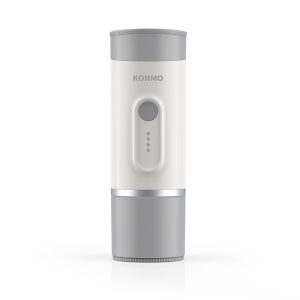
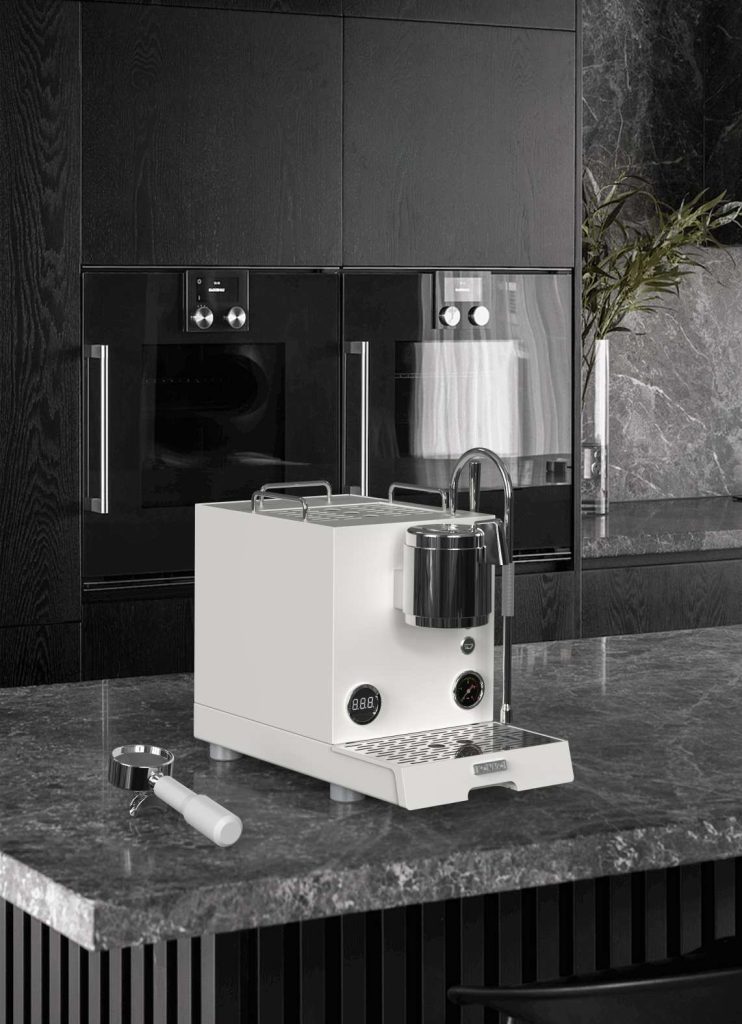
Even premium machines, including KONMO home espresso coffee makers and portable coffee makers, require regular descaling to maintain reliable performance and long-term durability.
Key Takeaways
- Coffee maker descaling removes limescale and mineral buildup that can affect flavor, brewing speed, and extraction quality.
- Scale buildup may reduce heating efficiency by up to 30%, increasing energy consumption and slowing brewing performance.
- Signs your coffee maker needs descaling include bitter coffee, slower water flow, weak steam pressure, and unusual brewing noises.
- Most coffee makers should be descaled every 2–3 months, while hard water areas may require cleaning every 4–6 weeks.
- Using filtered water can help reduce mineral deposits and extend the lifespan of coffee makers and espresso machines.
- Regular descaling helps espresso coffee makers maintain stable pressure, smoother extraction flow, and richer crema quality.
- KONMO coffee makers are designed with removable components and compact brewing systems that simplify regular cleaning and maintenance.
Why Coffee Maker Descaling Matters for Daily Brewing
How Limescale Forms Inside a Coffee Maker
Every time you brew coffee, water passes through the internal heating system of the coffee maker. Tap water naturally contains minerals such as calcium and magnesium. After repeated heating, these minerals remain inside the machine and gradually form a hard white layer known as limescale.
Scale buildup usually appears around boilers, heating elements, pipes, and valves. In areas with hard water, visible limescale can begin forming within one to two months of regular use. The more frequently the machine is used, the faster minerals accumulate inside the system.
Over time, this buildup restricts water flow and reduces heating efficiency. Coffee makers may take longer to brew, while extraction temperature becomes less stable. This is one of the most common maintenance issues affecting both drip coffee makers and espresso coffee machines.
Why Mineral Buildup Affects Brewing Temperature and Pressure
Stable brewing temperature is essential for proper coffee extraction. Most coffee makers perform best when water stays between 90°C and 96°C during brewing. When limescale coats the heating system, heat transfer becomes less efficient, making temperature control less stable.
If brewing temperature drops too low, coffee can taste sour, weak, or under-extracted. If temperature becomes too high, coffee may develop bitter or burnt flavors. Mineral buildup also affects water pressure inside espresso machines. Scale deposits can partially block water pathways, reducing extraction pressure and weakening crema quality.
This is especially important for espresso coffee makers, where pressure consistency directly affects flavor balance and texture. Regular descaling helps maintain stable brewing conditions and smoother extraction performance.
Common Signs Your Coffee Maker Needs Descaling
Many coffee makers show clear warning signs before limescale becomes a serious problem. One of the most common symptoms is slower brewing speed. Water may flow unevenly or take much longer to pass through the machine.
Coffee flavor can also change noticeably. Drinks may taste flatter, more bitter, or less aromatic than usual. Espresso machines may produce thinner crema or weaker steam pressure during milk frothing.
Other common signs include:
- Strange noises during brewing
- Reduced hot water output
- White residue inside the water tank
- Inconsistent brewing temperature
- Steam wand blockage in espresso machines
If several of these problems appear at the same time, descaling should be done as soon as possible. Regular maintenance helps protect brewing performance and keeps coffee tasting consistent over time.
Even well-designed machines like KONMO espresso coffee makers and portable coffee makers benefit from routine descaling, especially in households with hard water or frequent daily use.
How Coffee Maker Descaling Improves Coffee Taste
Why Scale Buildup Changes Coffee Flavor and Aroma
Coffee flavor depends heavily on stable extraction. When limescale builds up inside a coffee maker, water flow and brewing temperature become inconsistent. This causes uneven extraction, where some coffee grounds are over-extracted while others remain under-extracted.
As a result, coffee may taste bitter, sour, flat, or slightly metallic. Aroma quality can also decrease because unstable brewing temperature affects how flavor compounds are released during extraction.
Scale buildup may also slow water flow through the machine. In espresso coffee makers, restricted flow reduces extraction pressure and prevents coffee grounds from extracting evenly. This often leads to weaker body and less balanced flavor.
Regular descaling helps restore proper water circulation and heating performance, allowing coffee makers to produce cleaner and more consistent flavor profiles.
How Stable Brewing Temperature Improves Extraction
Brewing temperature plays a major role in coffee quality. Most coffee extraction performs best between 90°C and 96°C. When temperature stays stable, water extracts sweetness, acidity, and aroma compounds more evenly from coffee grounds.
If temperature fluctuates during brewing, extraction becomes inconsistent. Low temperatures often create sour or weak coffee, while excessive heat can produce bitter flavors and reduce sweetness.
Limescale buildup interferes with the heating system and makes temperature control less reliable. Descaling removes mineral insulation from heating components, helping coffee makers maintain more stable brewing temperatures.
This improves extraction consistency and helps create smoother, fuller-bodied coffee with better flavor balance.
Better Crema and Smoother Flow in Espresso Coffee Makers
Espresso machines rely on pressure to create proper extraction and crema formation. When mineral deposits build up inside pipes and valves, water flow becomes restricted and brewing pressure decreases.
Low pressure can lead to thin crema, uneven espresso flow, and weaker aroma intensity. In some cases, espresso shots may extract too quickly or too slowly, affecting flavor balance and texture.
Regular descaling helps espresso coffee makers maintain stable pressure and smoother water circulation. This supports more even extraction and richer crema development.
For machines like KONMO semi-automatic espresso coffee makers, routine descaling also helps maintain steam performance for milk frothing and improves long-term brewing consistency. Even high-quality espresso systems require regular maintenance to keep extraction performance stable over time.
What Happens If You Do Not Descale a Coffee Maker?
Slower Brewing and Reduced Water Flow in Coffee Makers
When limescale builds up inside a coffee maker, water pathways gradually become narrower. This restricts water flow and increases brewing time. A coffee maker that normally finishes brewing in a few minutes may start taking significantly longer to complete one cycle.
Reduced water flow also affects extraction quality. Coffee grounds may not be saturated evenly, leading to inconsistent flavor and weaker extraction. In espresso coffee makers, blocked internal pipes can reduce pressure stability and slow espresso flow.
Over time, mineral buildup can become severe enough to stop water from flowing properly through the machine.
Higher Energy Consumption Caused by Scale Buildup
Limescale acts as insulation around heating components. Because heat transfer becomes less efficient, the coffee maker must work harder and consume more electricity to reach brewing temperature.
Studies on household appliances show that heavy scale buildup can increase energy consumption by up to 20% to 30%. Machines with severe mineral deposits may also require longer heating times before brewing starts.
Regular descaling helps restore heating efficiency and reduces unnecessary energy use, especially for households that brew coffee multiple times per day.
How Hard Water Shortens Coffee Maker Lifespan
Hard water contains higher concentrations of calcium and magnesium, which accelerate limescale formation inside coffee makers. Without regular cleaning, mineral buildup places additional stress on pumps, valves, boilers, and heating systems.
This extra strain can shorten the lifespan of internal components and increase the risk of breakdowns. Espresso machines are especially vulnerable because they operate under higher pressure and temperature than standard drip coffee makers.
In hard water areas, coffee makers that are rarely descaled often require repairs much earlier than properly maintained machines.
Common Coffee Maker Problems Caused by Mineral Deposits
Mineral buildup can cause a wide range of brewing and performance issues over time. Common problems include:
- Weak or inconsistent coffee extraction
- Reduced steam pressure in espresso machines
- Water leakage around internal seals
- Loud brewing or pump noises
- Incomplete brewing cycles
- Steam wand blockage
- Poor crema quality in espresso
In severe cases, limescale can completely block internal water systems and stop the coffee maker from functioning properly.
Regular descaling helps reduce long-term wear and keeps brewing systems operating more efficiently. Even durable machines like KONMO home espresso coffee makers and portable coffee makers benefit from routine maintenance to maintain stable performance over time.
How Often Should You Descale a Coffee Maker?
Standard Coffee Maker Descaling Schedule for Most Homes
For most households, descaling a coffee maker every two to three months is generally recommended. However, the ideal cleaning frequency depends on how often the machine is used and the type of water running through it.
Coffee makers used once or twice per day with soft or filtered water usually develop mineral buildup more slowly. Machines used multiple times daily may require more frequent maintenance to maintain stable brewing performance.
As a general guideline:
| Water Type | Daily Usage | Recommended Descaling Frequency |
|---|---|---|
| Soft or filtered water | 1–2 cups daily | Every 2–3 months |
| Soft or filtered water | Heavy daily use | Every 1–2 months |
| Hard water | 1–2 cups daily | Every 4–6 weeks |
| Hard water | Heavy daily use | Every 3–4 weeks |
Following a regular cleaning schedule helps maintain coffee flavor consistency and reduces long-term wear on heating systems and pumps.
How Water Hardness Affects Coffee Maker Cleaning Frequency
Water hardness directly affects how quickly limescale builds up inside a coffee maker. Hard water contains higher levels of calcium and magnesium, which leave mineral deposits behind every time the machine heats water.
The harder the water, the faster scale forms around heating elements and internal pipes. In some hard water areas, visible mineral residue can appear within just a few weeks of regular brewing.
Heavy limescale buildup can reduce heating efficiency by up to 30%, causing slower brewing and higher energy consumption. Coffee flavor may also become dull or bitter as extraction stability decreases.
Using filtered water helps reduce mineral deposits and slows scale formation inside the machine. While filtered water does not completely eliminate the need for descaling, it can significantly reduce cleaning frequency and help extend coffee maker lifespan.
Why Espresso Coffee Makers Need More Frequent Descaling
Espresso coffee makers usually require more frequent descaling than standard drip coffee machines. This is because espresso systems operate under higher temperature and pressure conditions, which accelerate mineral buildup inside boilers, valves, and steam systems.
Even small amounts of scale can affect extraction pressure and steam performance. This may lead to thinner crema, weaker milk frothing, or inconsistent espresso flow.
For households that prepare multiple espresso drinks daily, descaling every four to eight weeks is often recommended, especially in hard water regions.
KONMO espresso coffee makers are designed for stable extraction and daily use, but regular descaling is still essential to maintain long-term brewing consistency and pressure performance.
Coffee Maker Warning Signs You Should Not Ignore
Coffee makers often show early signs when descaling is overdue. Ignoring these warnings can eventually lead to more serious internal damage or brewing failure.
Common warning signs include:
- Brewing cycles taking longer than normal
- Weak or inconsistent coffee flavor
- Reduced water flow or steam pressure
- Loud noises during brewing
- White residue inside the water tank
- Irregular brewing temperature
- Espresso shots extracting too slowly or too quickly
If any of these issues appear repeatedly, descaling should be done as soon as possible. Regular maintenance helps protect both coffee quality and machine performance over time.
What Is the Best Way to Descale a Coffee Maker?
Vinegar vs. Commercial Coffee Maker Descaling Solution
White vinegar is one of the most common home descaling methods because it is inexpensive and easy to find. Its acidity helps dissolve calcium and mineral deposits inside coffee makers. However, vinegar may leave behind a strong smell or aftertaste if the machine is not rinsed thoroughly.
Commercial coffee maker descaling solutions are specifically designed for brewing equipment. Most formulas remove limescale more efficiently and rinse out faster than vinegar. They are also generally safer for espresso machines with sensitive internal components.
For drip coffee makers, vinegar can work well for light to moderate scale buildup. For espresso coffee makers and capsule coffee machines, commercial descalers are often the better long-term option because they help protect pumps, boilers, and pressure systems.
Before using any cleaning solution, it is important to check the manufacturer’s maintenance instructions. Some coffee makers may recommend specific descaling products to avoid internal damage.
Step-by-Step Guide to Descaling a Coffee Maker
Descaling a coffee maker is usually a simple process that takes less than 30 minutes. The exact steps may vary slightly depending on the machine type, but the general process is similar for most coffee makers.
Basic descaling steps include:
- Remove used coffee grounds, capsules, or filters
- Empty and rinse the water reservoir
- Mix the descaling solution with water according to instructions
- Pour the solution into the water tank
- Run a full brewing cycle without coffee
- Let the solution sit inside the machine for 15–20 minutes
- Run clean water through the machine two or three times
This process helps dissolve mineral deposits and flush residue out of internal water systems.
For espresso coffee makers, additional rinsing through the steam wand may also be necessary to remove scale from steam pathways.
How to Rinse a Coffee Maker Properly After Descaling
Rinsing is one of the most important parts of the descaling process. Any leftover vinegar or descaling solution can affect coffee flavor and leave unwanted odor inside the machine.
After descaling, the water reservoir should be filled with clean water and run through multiple brewing cycles until no smell or residue remains. Most coffee makers require at least two or three rinse cycles for complete cleaning.
For espresso machines, both the brewing system and steam wand should be rinsed thoroughly. This helps prevent leftover cleaning solution from affecting espresso flavor or milk frothing performance.
Proper rinsing also protects internal components from long-term chemical exposure.
Common Coffee Maker Descaling Mistakes to Avoid
One of the most common mistakes is waiting too long between descaling cycles. Heavy limescale becomes harder to remove and increases the risk of internal damage.
Other common cleaning mistakes include:
- Using bleach or harsh chemicals inside the machine
- Skipping rinse cycles after descaling
- Using overly concentrated vinegar solutions
- Ignoring manufacturer cleaning instructions
- Forgetting to clean removable brewing components
Some users also focus only on the water tank while ignoring steam wands, filters, or brewing pathways where scale often accumulates.
Regular and proper descaling helps coffee makers maintain stable brewing temperature, smoother extraction flow, and better overall performance. Even well-designed machines like KONMO home espresso coffee makers and portable coffee makers benefit from consistent maintenance to preserve long-term brewing quality.
How to Descale Different Coffee Maker Types
How to Descale a Drip Coffee Maker
Drip coffee makers are usually the easiest machines to descale because their brewing systems are relatively simple. Over time, minerals collect inside the water reservoir, heating tube, and spray head, slowing down brewing performance and affecting coffee flavor.
To descale a drip coffee maker:
- Remove old coffee grounds and paper filters
- Fill the water tank with descaling solution mixed with water
- Run one full brewing cycle without coffee grounds
- Pause halfway through brewing for 10–15 minutes if buildup is heavy
- Finish the cycle and discard the liquid
- Run two or three rinse cycles with clean water
The spray head and filter basket should also be cleaned regularly because coffee oils and mineral residue can collect there over time.
For households that brew coffee daily, descaling a drip coffee maker every two to three months usually helps maintain stable brewing performance.
How to Descale an Espresso Coffee Maker
Espresso coffee makers require more careful maintenance because they use higher temperature and pressure during extraction. Limescale often develops inside boilers, group heads, steam wands, and pressure valves.
To descale an espresso machine:
- Empty the portafilter and drip tray
- Add espresso-safe descaling solution to the water reservoir
- Run the brewing cycle without coffee grounds
- Allow the solution to pass through the group head and steam wand
- Let the machine rest briefly so the solution can dissolve mineral buildup
- Flush the system with clean water multiple times
Steam wands should always be rinsed thoroughly because milk residue and minerals can accumulate together inside narrow steam channels.
Regular descaling helps espresso coffee makers maintain stable pressure, smoother extraction flow, and stronger steam performance. Machines like KONMO semi-automatic espresso coffee makers also benefit from routine maintenance to preserve crema quality and brewing consistency.
How to Descale a Capsule Coffee Maker
Capsule coffee makers may look simple, but mineral buildup can still develop inside their compact brewing systems. Scale commonly forms around water lines, heating components, and capsule piercing systems.
To descale a capsule coffee maker:
- Remove used capsules from the machine
- Fill the reservoir with descaling solution and water
- Run multiple brewing cycles without inserting a capsule
- Allow the solution to circulate through internal pipes
- Rinse the machine with clean water at least two or three times
Because capsule coffee makers use smaller water pathways, mineral buildup can affect brewing speed and extraction consistency more quickly than expected.
Regular cleaning helps maintain stable flow and prevents clogging inside the brewing chamber.
How to Descale a Portable Coffee Maker
Portable coffee makers are often used during travel, camping, or outdoor brewing, but they still require regular descaling, especially when used with mineral-heavy water.
Because portable coffee makers have smaller internal chambers and compact water systems, even light scale buildup can affect water flow and extraction quality.
To descale a portable coffee maker:
- Empty the water chamber completely
- Add diluted descaling solution or vinegar mixture
- Run a normal brewing cycle
- Let the solution sit briefly inside the machine
- Rinse thoroughly with clean water several times
Portable coffee makers should also be dried properly after cleaning to reduce mineral residue and internal moisture buildup.
KONMO portable coffee makers are designed with simple rinse structures and removable brewing components, making regular maintenance easier for travel and outdoor coffee users.
How to Prevent Scale Buildup in a Coffee Maker
Why Filtered Water Is Better for Coffee Makers
Using filtered water is one of the easiest ways to reduce limescale buildup inside a coffee maker. Tap water often contains high levels of calcium and magnesium, especially in hard water regions. These minerals remain inside the machine after heating and slowly form scale deposits around heating systems and internal pipes.
Filtered water removes part of these minerals before brewing, helping reduce the amount of residue left inside the machine. This slows limescale formation and helps coffee makers maintain stable brewing performance for longer periods.
Filtered water can also improve coffee flavor. Excess minerals sometimes interfere with extraction balance and create dull or slightly bitter taste profiles. Cleaner water helps preserve the natural aroma and flavor characteristics of coffee beans.
Although filtered water does not completely eliminate the need for descaling, it can significantly reduce cleaning frequency and lower long-term maintenance costs.
Daily Coffee Maker Cleaning Habits That Help Prevent Scale
Small daily cleaning habits can greatly reduce mineral buildup over time. After each use, leftover water and coffee residue should be removed from the machine whenever possible.
Simple maintenance habits include:
- Emptying the water reservoir regularly
- Rinsing removable brewing parts after use
- Cleaning drip trays and filter baskets
- Wiping steam wands immediately after milk frothing
- Allowing internal components to dry properly
These habits help prevent moisture, coffee oils, and minerals from accumulating together inside the machine.
For espresso coffee makers, regular cleaning of the steam wand and group head is especially important because high heat and pressure accelerate residue buildup during daily brewing.
Proper Water Tank and Brewing Component Maintenance
The water tank and brewing system are the areas most affected by mineral buildup. If these components are not cleaned regularly, limescale can eventually block water flow and reduce brewing efficiency.
Water reservoirs should be rinsed frequently to remove leftover minerals and standing water. Removable filters, brewing chambers, and steam systems should also be cleaned according to the manufacturer’s maintenance schedule.
In espresso coffee makers, blocked steam wands and clogged valves are common problems caused by poor maintenance. Cleaning these parts regularly helps maintain stable extraction pressure and smoother milk frothing performance.
KONMO coffee makers are designed with removable components and compact brewing structures that simplify daily cleaning. Portable coffee makers and espresso coffee machines with easy-access water systems are generally faster to maintain and less likely to develop severe scale buildup over time.
Why KONMO Coffee Makers Are Easier to Maintain
Coffee Maker Designs Built for Faster Cleaning
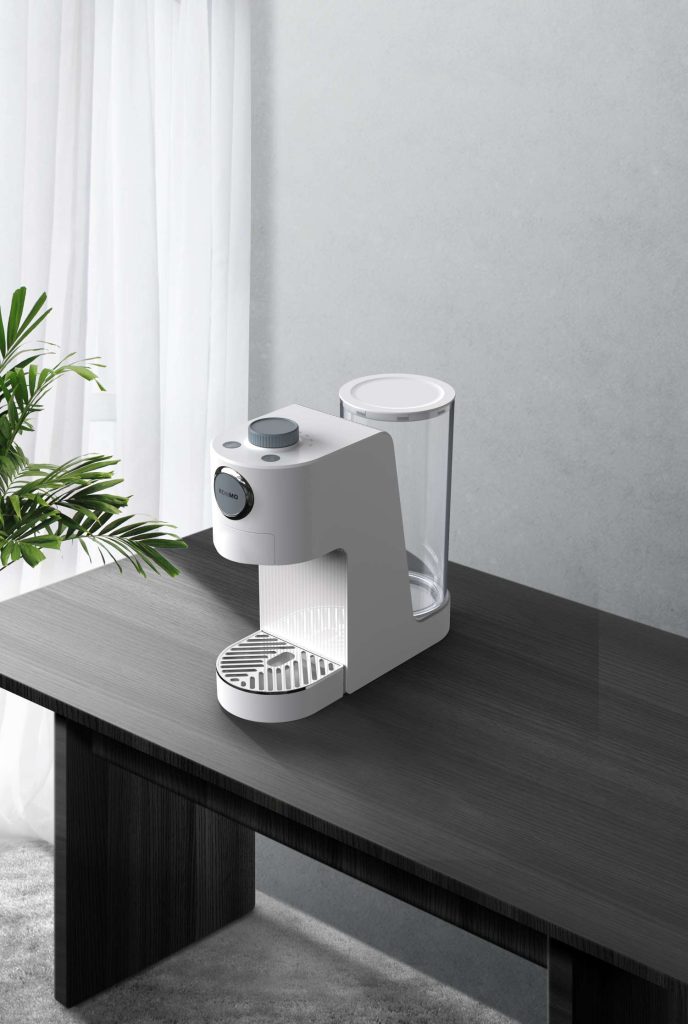
Daily maintenance becomes much easier when a coffee maker is designed with accessible brewing components and removable parts. Many KONMO coffee makers feature detachable water tanks, removable drip trays, and compact brewing structures that simplify routine cleaning.
For espresso coffee makers, regular cleaning of the group head, steam wand, and water system is important for maintaining stable extraction quality. Machines with easier access to these components help reduce cleaning time and improve long-term maintenance consistency.
Compact internal designs also help reduce leftover water and coffee residue inside the machine, lowering the chance of mineral buildup over time.
Portable Coffee Makers With Simple Rinse Structures
Portable coffee makers are often used during commuting, travel, camping, or outdoor brewing, where quick cleaning becomes especially important. KONMO portable coffee makers are designed with simplified brewing chambers and rinse-friendly water pathways that make maintenance easier after daily use.
Many compact coffee makers can be cleaned with only a few rinse cycles and basic drying, reducing the need for complicated disassembly. This is particularly useful for outdoor users who may not always have access to full cleaning equipment.
Simple rinse structures also help reduce residue accumulation inside smaller brewing systems, helping portable coffee makers maintain smoother extraction flow during frequent travel use.
Coffee Makers Designed for Home, Travel, and Outdoor Brewing
Different brewing environments require different maintenance needs. Home espresso coffee makers often focus on stable extraction and milk frothing performance, while portable coffee makers prioritize lightweight structure and easy cleaning.
KONMO coffee makers are designed to support both home and outdoor coffee brewing scenarios. Compact machine structures, removable components, and simplified cleaning systems help users maintain brewing performance with less maintenance effort.
Whether used in kitchens, offices, RV travel, camping trips, or outdoor brewing setups, regular descaling and proper cleaning help coffee makers maintain stable performance and longer service life. Easy-to-maintain coffee machines also make it easier for users to build consistent cleaning habits over time.
Descaling your coffee maker is one of the simplest ways to protect coffee flavor, brewing performance, and machine lifespan. Over time, minerals from daily brewing slowly build up inside heating systems, pipes, and valves, reducing extraction stability and heating efficiency. Without regular cleaning, coffee may begin to taste bitter, weak, or less balanced, while brewing speed and steam performance gradually decline.
Regular descaling helps maintain a stable brewing temperature, smoother water flow, and consistent extraction quality. It also reduces stress on internal components such as pumps, boilers, and pressure systems, helping lower long-term repair costs. Studies show that heavy limescale buildup can reduce heating efficiency by up to 30%, making proper maintenance important for both performance and energy efficiency.
For most households, descaling every two to three months is enough to keep a coffee maker working properly. In hard water areas or high-frequency brewing environments, more frequent cleaning may be necessary.
Whether you use a drip coffee maker, espresso machine, capsule coffee maker, or portable coffee maker, building a regular cleaning routine helps extend machine lifespan and improve daily coffee quality. KONMO coffee makers are designed with user-friendly maintenance structures that make routine cleaning easier for home, office, travel, and outdoor brewing use.
FAQ
How Often Should You Descale a Coffee Maker?
Most coffee makers should be descaled every two to three months under normal home use. If you use hard water or brew coffee multiple times per day, descaling every four to six weeks is usually recommended.
Espresso coffee makers often require more frequent maintenance because higher brewing pressure and temperature accelerate mineral buildup inside the machine.
Can You Use Vinegar to Descale a Coffee Maker?
White vinegar can remove light mineral buildup in many drip coffee makers. However, it may leave a strong smell or aftertaste if the machine is not rinsed thoroughly afterward.
For espresso coffee makers and capsule coffee machines, commercial descaling solutions are generally safer because they are designed specifically for brewing systems and pressure components.
What Happens If You Never Descale a Coffee Maker?
Without regular descaling, mineral deposits continue building up inside the machine. This can lead to slower brewing, unstable water temperature, weak extraction, reduced steam pressure, and higher energy consumption.
Over time, heavy limescale may damage heating systems, pumps, and internal valves, increasing the risk of expensive repairs or machine replacement.
Does Filtered Water Reduce Scale Buildup?
Yes. Filtered water contains fewer minerals than standard tap water, which helps slow limescale formation inside coffee makers.
Although filtered water does not completely eliminate the need for descaling, it can reduce cleaning frequency and help improve coffee flavor consistency.
Are Espresso Coffee Makers Harder to Maintain?
Espresso coffee makers usually require more maintenance than standard drip coffee makers because they operate under higher pressure and temperature conditions.
However, machines designed with removable water tanks, accessible brewing systems, and easy-clean steam wands are generally much easier to maintain. KONMO espresso coffee makers and portable coffee makers are designed with simplified cleaning structures to support easier daily maintenance and long-term brewing performance.