Coffee maker problems are often caused by power interruptions, mineral buildup, clogged water lines, worn seals, poor cleaning habits, or incorrect daily use. You may notice your coffee maker will not turn on, starts leaking, brews slowly, makes unusual noises, produces bad-tasting coffee, or has a milk frother that stops working properly.
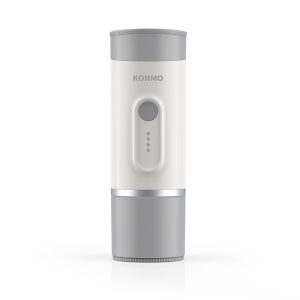
For home users and business buyers, these problems do not always mean the machine is broken. Many issues can be solved through basic troubleshooting, regular cleaning, descaling, and timely part replacement. As a professional coffee machine supplier, KONMO focuses on practical coffee maker solutions for daily brewing, including espresso machines, capsule coffee makers, portable coffee makers, and coffee capsule systems.
Key Takeaways
- Check the power supply first if your coffee maker will not turn on.
- Clean and descale your coffee maker regularly to prevent clogs, leaks, and weak water flow.
- Use filtered water to improve coffee taste and reduce mineral buildup.
- Replace worn seals, gaskets, filters, and frother parts before they cause bigger problems.
- Clean the steam wand and milk frother after use to prevent milk residue blockage.
- Choose a reliable coffee maker with stable brewing performance and easy maintenance access.
Coffee Maker Won’t Turn On
Common Coffee Maker Power Problems
A coffee maker that will not turn on is usually related to the power supply, outlet, cord, switch, or internal electrical system. Before assuming the machine is damaged, check whether the plug is firmly connected and whether the wall outlet is working.
Common power-related causes include:
- Loose or unplugged power cord
- Faulty wall outlet
- Tripped circuit breaker
- Overloaded power strip
- Main switch turned off
- Damaged power cord
- Internal control board issue
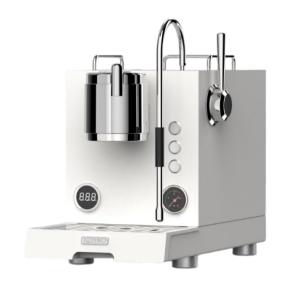
For semi-automatic coffee machines like the KONMO KM-S100, stable power is especially important because the pump, heating system, and control panel all depend on proper electrical input.
How to Troubleshoot a Coffee Maker That Won’t Start
Start with the simplest checks. Plug the coffee maker securely into the outlet, test the outlet with another device, and check whether your circuit breaker has tripped. Avoid connecting too many high-power appliances to the same outlet.
If the machine still does not start, inspect the power cord for visible damage. For machines with a main switch or digital control panel, turn the machine off, wait a few minutes, and restart it.
If the coffee maker remains unresponsive after these steps, the issue may involve internal wiring, the control board, or the heating element. In this case, professional inspection is safer than opening the machine yourself.
Coffee Maker Leaking Water
Common Causes of Coffee Maker Leaks
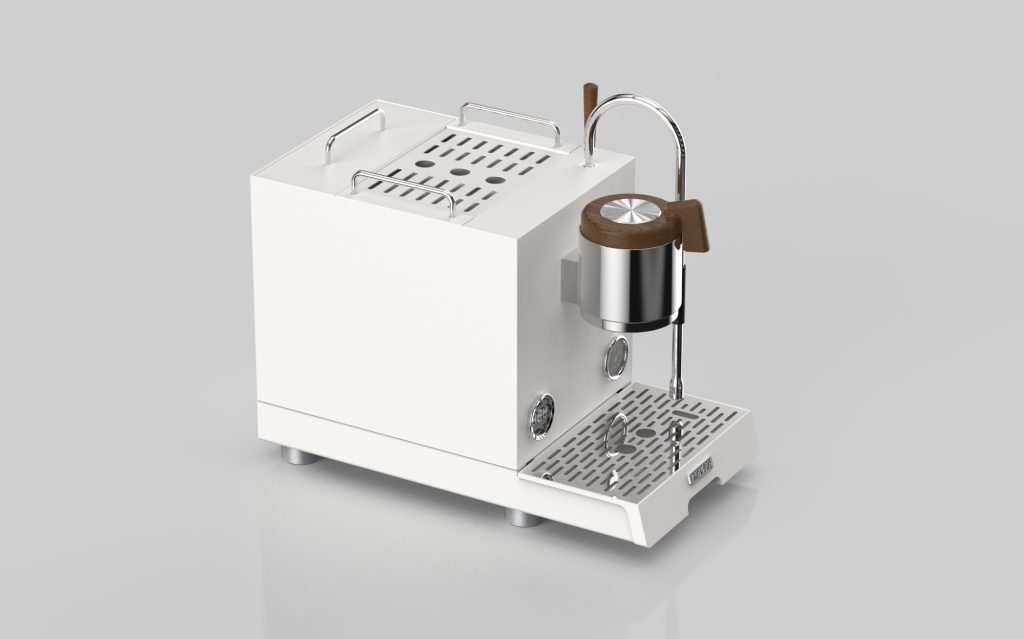
Water leaking from a coffee maker is one of the most common brewing problems. You may notice water collecting under the machine, dripping near the brew head, leaking from the steam wand, or overflowing from the drip tray. In most cases, leaks are caused by worn seals, blocked water lines, loose internal connections, or mineral buildup inside the machine.
Common leak-related causes include:
- Worn-out gaskets or O-rings
- Cracked water tank or drip tray
- Loose hoses or fittings
- Mineral buildup restricting water flow
- Improperly installed water reservoir
- Overflowing drip tray
- Steam wand or hot water valve leakage
For espresso-style coffee makers, leaks around the group head often indicate gasket wear or excessive pressure caused by scale buildup inside the brewing system.
How to Fix a Leaking Coffee Maker
Before inspecting the machine, unplug the coffee maker and allow it to cool completely. Remove the water tank, drip tray, and removable brewing components to check for cracks, loose parts, or damaged seals.
Start by cleaning the machine thoroughly. Mineral deposits and coffee residue can create internal pressure that forces water through weak points. Descaling the machine regularly helps reduce this problem and improves overall brewing performance.
You should also:
- Check whether the water reservoir is seated correctly
- Tighten loose hoses or fittings
- Inspect brew head seals for wear
- Empty and clean the drip tray
- Clean the steam wand and hot water outlet
- Replace damaged O-rings or gaskets
If leaking continues after cleaning and resealing, the internal water line or pump system may require professional servicing.
Coffee Maker Slow or No Water Flow
Coffee Maker Clogs and Water Blockages
If your coffee maker brews slowly or stops dispensing water completely, the machine likely has a blockage somewhere in the brewing system. Mineral deposits, coffee residue, blocked filters, or clogged water lines can all reduce water flow and brewing pressure.
This problem becomes more common when using hard water because calcium and limescale gradually build up inside pumps, boilers, and internal tubes. For semi-automatic espresso machines, overly fine coffee grounds can also restrict extraction and slow water flow.
Typical causes include:
- Mineral buildup inside water lines
- Clogged group head or filter basket
- Coffee oil residue buildup
- Blocked pump or valve
- Incorrect grind size
- Poor cleaning habits
- Improperly installed water tank
Machines used frequently in cafés, offices, or hotel environments usually require more regular descaling and maintenance to maintain stable brewing performance.
How to Clean a Coffee Maker for Better Water Flow
The first step is checking the water reservoir. Make sure it contains enough water and sits correctly inside the machine. Then clean the filter basket, group head, drip area, and water outlet thoroughly.
To improve water flow:
- Run a descaling cycle regularly
- Clean removable filters and brewing components
- Remove coffee oils from the group head
- Flush water lines after descaling
- Check for unusual pump sounds
- Avoid using extremely fine coffee grounds
For machines like the KONMO KM-S100, routine descaling helps maintain stable brewing pressure and reduces internal strain on the pump system. Regular cleaning also improves extraction quality and helps extend machine lifespan.
If water flow remains weak after cleaning and descaling, the issue may involve the internal pump, solenoid valve, or heating system.
Coffee Maker Producing Bad-Tasting Coffee
Common Coffee Maker Flavor Problems
If your coffee tastes sour, bitter, burnt, weak, or flat, the issue may not be the beans alone. Coffee flavor is heavily influenced by water quality, brewing temperature, extraction time, grind size, and machine cleanliness. Even high-quality beans can produce poor results if the coffee maker is not maintained properly.
Common flavor-related problems include:
- Sour coffee from under-extraction
- Bitter coffee from over-extraction
- Burnt taste caused by overheating
- Weak coffee from incorrect coffee-to-water ratio
- Flat flavor caused by stale beans
- Strange smells from old coffee oils or milk residue
Dirty brew heads, clogged filters, and unclean water tanks can also leave old residue inside the brewing system, affecting every cup of coffee.
For espresso-style coffee makers, inconsistent tamping pressure or incorrect grind size can lead to unstable extraction and uneven flavor.
How to Improve Coffee Maker Taste
Improving coffee quality starts with cleaning the machine thoroughly. Coffee oils, mineral buildup, and old residue can quickly affect flavor consistency. Clean the group head, portafilter, drip tray, water tank, and milk frother regularly to maintain better brewing performance.
To improve coffee taste:
- Use fresh coffee beans
- Grind coffee shortly before brewing
- Use filtered water instead of hard tap water
- Adjust grind size for better extraction
- Maintain proper brewing temperature
- Clean brewing components regularly
- Avoid leaving old coffee inside the machine
For semi-automatic coffee machines like the KONMO KM-S100, adjusting extraction time, tamping pressure, and grind consistency can significantly improve espresso flavor and crema quality.
Stable brewing pressure and proper machine maintenance are essential for achieving balanced coffee flavor over long-term use.
Coffee Maker Making Loud or Unusual Noises
What Causes Coffee Maker Noise
Coffee makers naturally produce some sound during brewing, heating, steaming, and pumping. However, loud buzzing, grinding, rattling, or whistling noises often indicate internal blockages, loose parts, or pump strain.
Common causes of unusual coffee maker noise include:
- Mineral buildup inside water lines
- Air trapped in the pump system
- Loose internal components
- Blocked steam wand or water outlet
- Clogged group head
- Pump struggling against scale buildup
- Unstable machine placement
For espresso coffee machines, vibration from the pump is normal. However, sudden increases in noise usually mean the brewing system requires cleaning or inspection.
Machines operating with heavy mineral buildup often force the pump to work harder, increasing noise and reducing brewing efficiency.
How to Reduce Coffee Maker Noise
Regular cleaning and descaling are the most effective ways to reduce coffee maker noise. Removing mineral buildup allows water to flow more smoothly through the brewing system and reduces pressure on the pump.
You can reduce noise by:
- Descaling the machine regularly
- Cleaning the group head and water outlet
- Tightening loose removable parts
- Emptying and cleaning the drip tray
- Cleaning the steam wand frequently
- Placing the coffee maker on a stable surface
- Using filtered water to reduce scale buildup
For home and office coffee makers, placing a rubber mat under the machine can also reduce vibration noise during brewing.
If the coffee maker continues making loud noises after cleaning, the pump, boiler, or internal valve system may require professional inspection or replacement.
Coffee Maker Control Panel or Display Issues
Coffee Maker Buttons Not Working
Modern coffee makers often include digital displays, programmable buttons, touch panels, and brewing presets. When these controls stop responding, the issue is usually related to moisture, residue buildup, power interruption, or internal electronic faults.
Common control panel problems include:
- Buttons not responding
- Touch panel delays
- Flashing error lights
- Frozen display screens
- Incorrect timer settings
- Random machine resets
- Unresponsive brewing functions
Coffee residue, steam, and water droplets can affect button sensitivity over time, especially in machines used frequently throughout the day. In commercial or high-volume environments, repeated exposure to heat and moisture can also affect electronic stability.
Quick Fixes for Coffee Maker Display Problems
Start by turning the machine off and unplugging it for several minutes. Restarting the coffee maker can reset temporary system errors and restore normal operation.
You should also:
- Wipe the control panel with a dry microfiber cloth
- Keep the display area free from moisture
- Avoid pressing buttons with wet hands
- Check for visible error codes
- Refer to the user manual for reset instructions
- Confirm the power supply is stable
For programmable espresso machines and capsule coffee makers, unstable voltage or improper shutdown can sometimes trigger display malfunctions.
If the screen remains blank or buttons continue failing after resetting, the issue may involve the internal control board or wiring system. Professional servicing is recommended instead of disassembling the electronics yourself.
Coffee Maker Frother Not Working Properly
Common Coffee Maker Frother Problems
Milk frother problems are especially common in espresso machines and cappuccino coffee makers. A frother may stop creating foam, release weak steam, spray unevenly, or fail completely because of milk residue or internal blockage.
Common frother-related issues include:
- Steam wand blockage
- Dried milk residue inside air holes
- Weak steam pressure
- Incorrect frother assembly
- Mineral buildup in steam lines
- Milk tube blockage
- Steam nozzle damage
Milk fats and sugars harden quickly inside the frothing system if cleaning is delayed. Over time, this buildup restricts airflow and affects foam quality.
For machines used daily in cafés, offices, or hospitality environments, steam systems require more frequent maintenance to maintain stable milk frothing performance.
How to Fix a Coffee Maker Milk Frother
Begin by turning off the coffee maker and allowing the steam system to cool completely. Remove detachable frother parts and rinse them with warm water. Use a small cleaning brush or needle to clear blocked steam holes carefully.
To improve frother performance:
- Clean the steam wand after every use
- Purge steam briefly to remove leftover milk
- Soak removable parts in warm water
- Descale the steam system regularly
- Check milk tubes for blockage
- Reassemble frother parts correctly
For semi-automatic coffee machines like the KONMO KM-S100, regular steam wand cleaning helps maintain stronger steam pressure and smoother milk texture for cappuccino and latte preparation.
If the frother still produces weak steam after cleaning and descaling, the steam valve, heating system, or internal pressure system may require professional repair.
Coffee Maker Cleaning and Maintenance Tips
Daily Coffee Maker Cleaning Routine
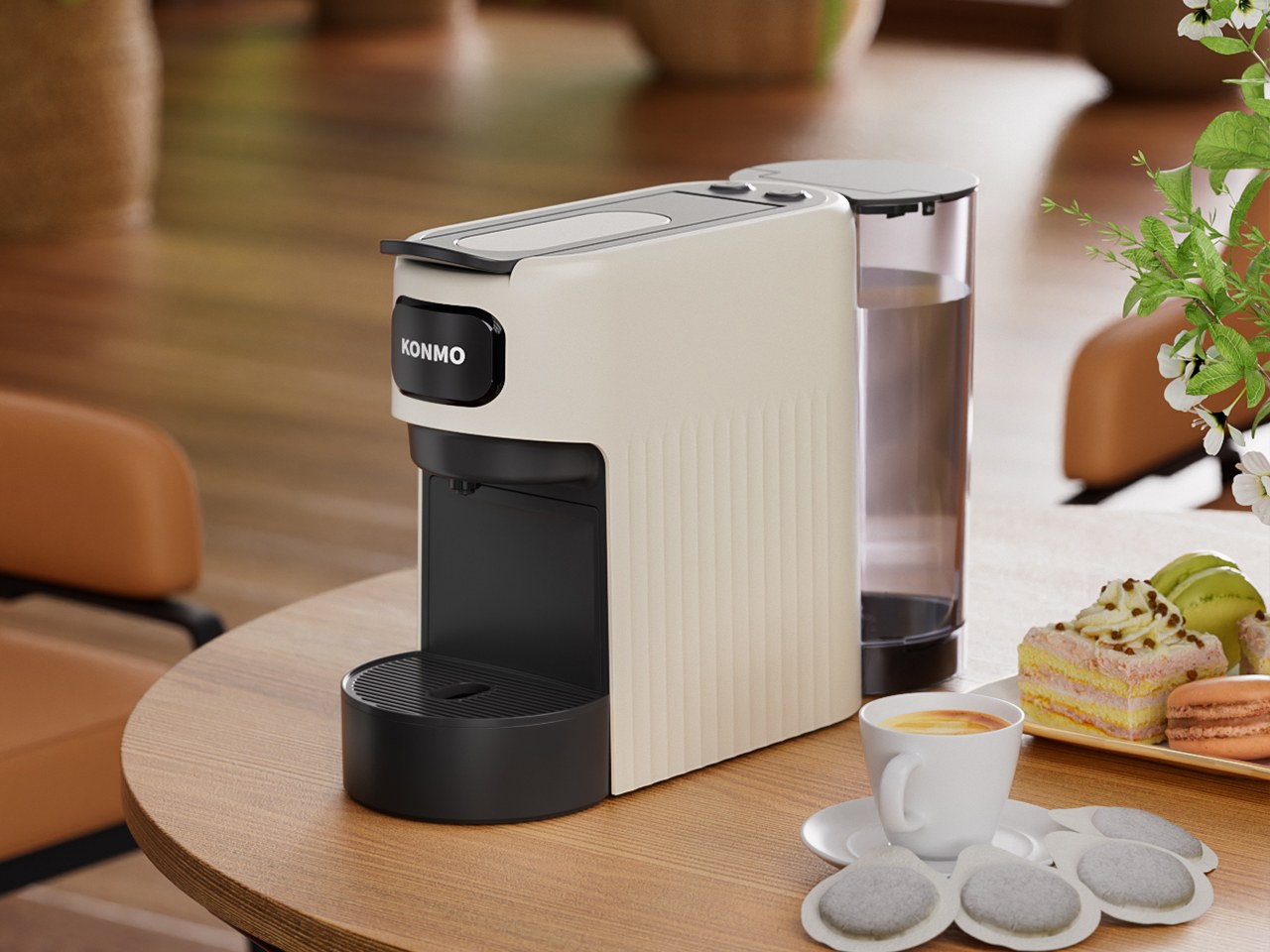
Regular cleaning is the most effective way to prevent common coffee maker problems. Coffee oils, milk residue, mineral deposits, and leftover grounds can quickly build up inside the brewing system and affect coffee taste, water flow, and machine performance.
A simple daily cleaning routine helps maintain stable brewing quality and reduces long-term repair costs.
Daily coffee maker cleaning should include:
- Emptying the drip tray
- Removing used coffee grounds or capsules
- Rinsing the filter basket and portafilter
- Cleaning the group head area
- Wiping the steam wand after use
- Cleaning the water tank regularly
- Drying removable parts before reassembly
For espresso coffee machines, milk frothers and steam wands should always be cleaned immediately after use to prevent hardened milk residue from blocking airflow.
In high-frequency environments such as cafés, offices, and hotels, cleaning schedules are especially important for maintaining brewing consistency and machine reliability.
Monthly Descaling and Deep Cleaning
Descaling removes calcium and mineral buildup from internal water lines, boilers, pumps, and heating systems. Without regular descaling, coffee makers may experience slow brewing, unstable pressure, overheating, leaks, and reduced water flow.
The frequency of descaling depends on water hardness and machine usage.
General descaling recommendations:
- Hard water areas: descale every month
- Moderate use: descale every 2–3 months
- Light use with filtered water: descale every 3–4 months
Deep cleaning should also include:
- Group head cleaning
- Steam wand cleaning
- Water reservoir cleaning
- Internal filter maintenance
- Drip tray sanitation
- Brew basket cleaning
For machines like the KONMO KM-S100, regular descaling helps maintain stable extraction pressure and consistent espresso quality.
Preventive Maintenance for Long-Term Performance
Preventive maintenance helps extend coffee maker lifespan and reduce unexpected breakdowns. Instead of waiting for visible problems, regular inspections allow users to identify worn parts before they fail.
You should regularly inspect:
- Brew head gaskets
- O-rings and seals
- Water filters
- Steam tips
- Hoses and fittings
- Portafilters
- Pump performance
Replacing worn components on time helps prevent leaks, pressure instability, and brewing inconsistency.
For business buyers and commercial users, long-term spare part availability and maintenance accessibility are also important factors when selecting a coffee maker supplier.
How to Prevent Common Coffee Maker Problems
Using Filtered Water in a Coffee Maker
Water quality directly affects both coffee flavor and machine durability. Hard water contains minerals that can build up inside boilers, pumps, valves, and water lines over time.
Using filtered water helps:
- Improve coffee flavor consistency
- Reduce mineral buildup
- Prevent internal blockages
- Maintain stable brewing pressure
- Extend machine lifespan
Filtered water also reduces chlorine taste and helps protect internal brewing components from long-term damage.
Descaling a Coffee Maker Regularly
Descaling is one of the most important maintenance tasks for any coffee maker. Mineral deposits can reduce heating efficiency, weaken water flow, increase brewing noise, and create pressure instability inside the machine.
Regular descaling helps:
- Maintain proper water flow
- Improve brewing temperature stability
- Reduce pump strain
- Prevent scale-related leaks
- Improve extraction consistency
Machines operating under espresso pressure systems especially benefit from routine descaling because scale buildup can quickly affect brewing performance.
Replacing Coffee Maker Parts on Time
Some coffee maker parts naturally wear out through daily use. Replacing them before failure helps reduce downtime and prevent larger repair costs.
Common replacement parts include:
- Water filters
- Brew head gaskets
- Steam wand tips
- Portafilter seals
- Hoses
- Milk tubes
- Drip trays
Using compatible replacement parts helps maintain machine performance and brewing safety.
Choosing a Reliable Coffee Maker With Better Build Quality
A reliable coffee maker should offer stable brewing performance, easy cleaning access, durable internal components, and practical maintenance support. Build quality becomes especially important for cafés, hotels, offices, and high-frequency home use.
As a professional coffee machine supplier, KONMO focuses on coffee machine solutions designed for long-term usability, including capsule coffee machines, espresso coffee makers, portable coffee makers, and coffee capsule systems.
Choosing a well-designed coffee maker with proper maintenance support can significantly reduce after-sales issues and improve long-term operating efficiency.
When Should You Replace Your Coffee Maker?
Signs Your Coffee Maker Is Beyond Repair
Not every coffee maker problem can be solved through cleaning or maintenance. Over time, internal components such as pumps, boilers, heating systems, control boards, and water lines naturally wear out. If problems continue appearing even after troubleshooting and repairs, replacing the machine may be the better long-term solution.
Common signs a coffee maker may need replacement include:
- Repeated water leaks
- Inconsistent brewing temperature
- Weak or unstable water pressure
- Frequent electrical or display failures
- Persistent pump noise
- Burnt smell during operation
- Slow brewing after repeated descaling
- Unavailable replacement parts
- Rising repair costs
For older coffee makers, multiple failures often happen at the same time because internal systems age together. In these cases, continued repairs may become less cost-effective.
Repair Cost vs. Replacement Cost
Minor problems such as clogged filters, worn gaskets, blocked steam wands, or scale buildup are usually inexpensive to fix. However, repairs involving pumps, boilers, heating elements, or electronic control boards can become expensive over time.
Before repairing a coffee maker, consider:
- Age of the machine
- Frequency of breakdowns
- Availability of replacement parts
- Daily usage requirements
- Repair cost compared to replacement cost
- Energy efficiency of newer models
For business users, machine downtime can also affect workflow and customer experience. In cafés, offices, hotels, or self-service environments, replacing an unreliable coffee maker may reduce long-term maintenance pressure.
Choosing a Durable Coffee Maker for Long-Term Use
When choosing a new coffee maker, long-term durability should be considered alongside brewing performance and design. A reliable coffee maker should provide stable extraction, practical cleaning access, consistent pressure, and easy maintenance support.
Important factors when choosing a long-lasting coffee maker include:
- Stable heating system
- Reliable pump performance
- Easy cleaning and descaling access
- Durable brew head and steam system
- Accessible spare parts
- Consistent brewing pressure
- Quality certifications
- Supplier support and maintenance service
For wholesale buyers, distributors, and coffee brands, supplier reliability is equally important. As a professional coffee machine supplier, KONMO focuses on practical coffee maker solutions designed for different market applications, including espresso coffee machines, capsule coffee makers, portable coffee machines, and coffee capsule systems.
Selecting a coffee maker with better build quality and long-term maintenance support can improve user experience while reducing future repair and replacement costs.
Coffee maker problems such as leaking water, slow brewing, weak extraction, unusual noises, frother blockage, and display malfunctions are common during long-term use. In many cases, these issues are caused by mineral buildup, worn components, improper cleaning, or inconsistent maintenance routines rather than serious machine failure.
Regular cleaning, proper descaling, filtered water usage, and timely replacement of worn parts can significantly improve coffee maker performance and extend machine lifespan. For espresso coffee machines and milk-based brewing systems, maintaining stable pressure, clean steam lines, and proper extraction settings is especially important for achieving consistent coffee quality.
Whether for home kitchens, offices, cafés, hotels, or portable brewing applications, choosing a reliable coffee maker with durable internal components and practical maintenance support can reduce after-sales issues and improve long-term brewing consistency.
As a professional coffee machine supplier, KONMO focuses on user-oriented coffee machine solutions that combine stable performance, practical functionality, and long-term usability across different brewing environments.
FAQ
Why is my coffee maker not brewing full cups?
A coffee maker may stop brewing full cups because of mineral buildup, clogged water lines, blocked filters, or low water pressure inside the machine. Hard water deposits can restrict water flow and reduce brewing efficiency over time. Cleaning the brewing system and running a descaling cycle usually helps restore normal water flow.
Why does my coffee maker leak from the bottom?
Water leaking from the bottom of a coffee maker is often caused by a cracked water tank, worn gasket, loose hose, overflowing drip tray, or damaged internal seal. In some cases, mineral buildup creates excess pressure that forces water through weak connections inside the machine.
Regular cleaning and gasket replacement can help prevent long-term leaking problems.
How often should I descale my coffee maker?
The descaling frequency depends on water hardness and machine usage. For daily use in hard water areas, descaling once every month is recommended. If filtered water is used and the machine operates less frequently, descaling every two to three months may be enough.
Regular descaling helps maintain:
- Stable brewing pressure
- Better heating performance
- Faster water flow
- Improved coffee flavor
- Longer machine lifespan
Why does my coffee maker make weak coffee?
Weak coffee is usually caused by using too little coffee, coarse grind size, low brewing temperature, short extraction time, or poor water pressure. Dirty filters and clogged brew heads can also affect extraction quality.
To improve coffee strength:
- Use fresh coffee beans
- Adjust grind size
- Increase coffee dosage
- Clean brewing components regularly
- Maintain proper water temperature
For espresso coffee machines, grind consistency and tamping pressure also affect extraction quality.
Can hard water damage a coffee maker?
Yes. Hard water contains minerals such as calcium and magnesium that gradually build up inside pumps, boilers, valves, and water lines. Over time, this buildup can reduce water flow, weaken brewing pressure, increase noise, and shorten machine lifespan.
Using filtered water and descaling regularly can significantly reduce hard water damage.
Why is my coffee maker making loud noises?
Loud or unusual coffee maker noise is often related to blocked water lines, mineral buildup, trapped air, loose components, or pump strain. Espresso machines naturally create some vibration, but sudden increases in noise usually indicate cleaning or maintenance is needed.
Descaling and cleaning the brewing system often reduce excessive noise.
How long should a coffee maker last?
The lifespan of a coffee maker depends on machine quality, usage frequency, water quality, and maintenance habits. With proper cleaning and regular descaling, many coffee makers can operate reliably for several years.
Machines used in cafés, offices, or commercial environments usually require more frequent maintenance because of higher daily usage.
Is it cheaper to repair or replace a coffee maker?
Minor problems such as blocked steam wands, worn seals, clogged filters, or scale buildup are usually inexpensive to repair. However, if the coffee maker has repeated electrical failures, pump problems, heating issues, or severe leaks, replacement may be more cost-effective than repeated servicing.
When deciding between repair and replacement, consider:
- Machine age
- Repair frequency
- Replacement part availability
- Daily usage requirements
- Long-term maintenance costs
For business users, replacing unreliable machines may also reduce downtime and improve operational efficiency.