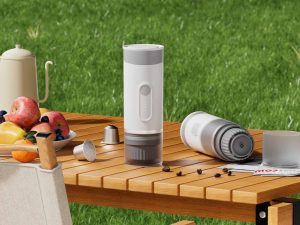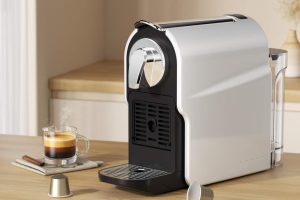
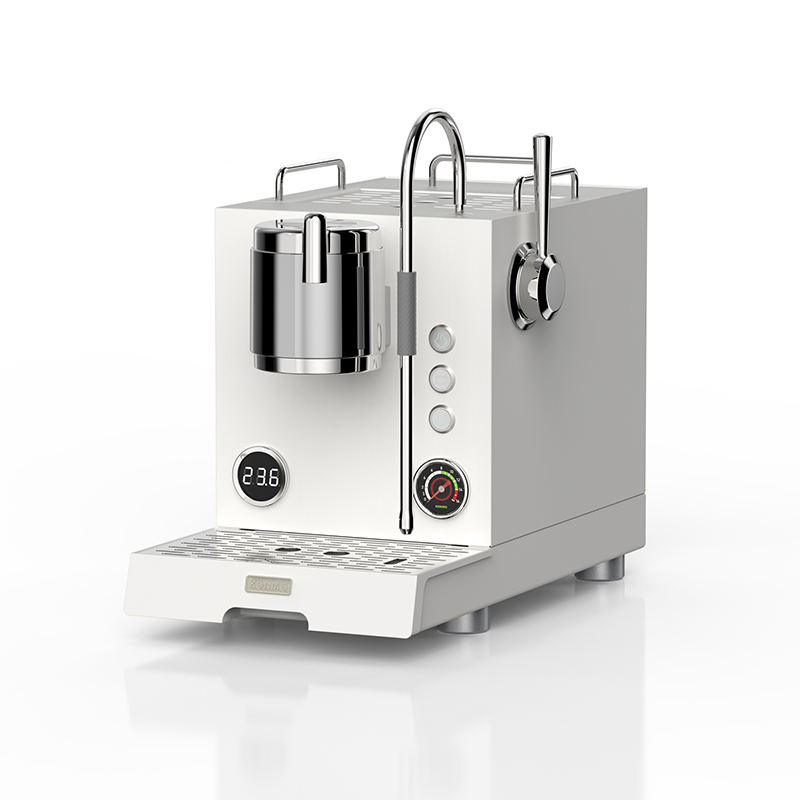
A home coffee machine plays a major role in creating restaurant-quality coffee at home because brewing stability, extraction pressure, water temperature, and grind consistency all directly affect flavor and aroma. Grind consistency, brewing temperature, water quality, and the performance of your home coffee machine all influence extraction balance and overall coffee quality. KONMO home coffee machines are designed for coffee lovers who want more stable brewing performance, convenient operation, and café-style coffee experiences in compact home spaces. By understanding how coffee beans, grind size, brewing ratios, and machine maintenance work together, you can create smoother, richer, and more professional-tasting coffee every day.
Key Takeaways
- Freshly roasted coffee beans help a home coffee machine produce richer aroma, stronger crema, and more balanced flavor.
- Matching roast level and grind size to your brewing method improves extraction consistency and coffee taste.
- Espresso home coffee machines usually work best with medium-dark to dark roast coffee beans and finer grind settings.
- Using accurate coffee-to-water ratios helps prevent coffee from tasting too weak, sour, or overly bitter.
- Stable brewing temperature and filtered water significantly improve coffee clarity and overall beverage quality.
- Daily cleaning and regular descaling keep a home coffee machine performing consistently and protect coffee flavor.
- Steam pressure, milk frothing technique, and machine stability all affect café-style drink quality at home.
- KONMO home coffee machines help create restaurant-style coffee experiences through stable extraction, compact designs, and user-friendly brewing functions.
Choosing the Right Coffee Beans for a Home Coffee Machine
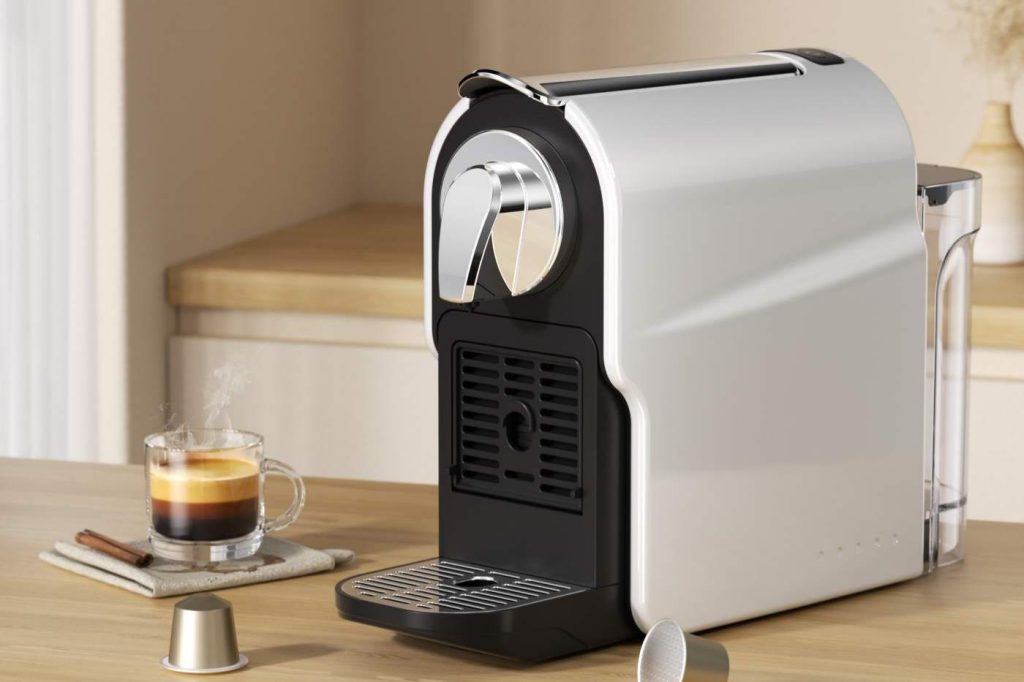
Fresh coffee beans are one of the biggest differences between average homemade coffee and café-quality coffee. Even a high-performance home coffee machine cannot fully improve stale or poorly stored beans. Roast freshness, bean origin, and roast level all influence extraction quality, crema formation, aroma intensity, and overall flavor balance. Matching the right beans with your brewing style helps your home coffee machine deliver more consistent and professional coffee results.
Selecting Freshly Roasted Coffee Beans
Freshly roasted coffee beans contain more active aroma compounds and natural oils, which create richer flavor and stronger coffee fragrance during extraction. For most home coffee machine brewing, coffee beans used within 7–14 days after roasting usually provide better sweetness, crema stability, and flavor clarity. Beans stored too long gradually lose aroma complexity and can make coffee taste flat or dull, especially in espresso-based drinks. KONMO recommends storing coffee beans in airtight containers away from heat and moisture to maintain freshness longer.
Matching Coffee Beans to Brewing Style
Different brewing methods work better with different roast levels and flavor profiles. Espresso home coffee machines usually perform best with medium-dark or dark roast beans because they create fuller body, stronger crema, and deeper chocolate or nutty flavors. Drip brewing and pour-over coffee often highlight brighter acidity and floral notes from medium or light roasts. Choosing coffee beans that match your home coffee machine brewing style helps improve extraction consistency and beverage quality.
Understanding Coffee Roast Profiles for Better Flavor
Roast level changes how coffee tastes, smells, and feels. Light roasts typically produce brighter acidity and fruit-forward flavors, while medium roasts create a more balanced sweetness and body. Dark roasts usually generate heavier texture, lower acidity, and stronger bitterness, making them popular for espresso beverages. Different roast profiles also react differently to brewing temperature and extraction pressure inside a home coffee machine, so adjusting machine settings based on roast level can improve flavor balance significantly.
Finding the Best Grind Size for Your Home Coffee Machine
Grind size directly affects extraction speed, coffee strength, crema quality, and overall flavor balance. Even when using premium coffee beans, incorrect grinding can make coffee taste weak, sour, bitter, or overly harsh. A properly adjusted grinder helps a home coffee machine extract coffee more evenly, improving consistency and beverage quality. Understanding how grind size works with different brewing methods allows users to achieve smoother and more professional coffee results at home.
Grind Size for Espresso Home Coffee Machines
Espresso brewing requires a fine and consistent grind because water passes through the coffee quickly under pressure. A grind that is too coarse causes under-extraction and produces sour or watery espresso, while a grind that is too fine slows extraction and creates bitterness. Most espresso home coffee machines perform best when coffee grounds resemble fine table salt, allowing stable pressure and balanced flavor extraction. KONMO home espresso coffee machines are designed to work with adjustable grinding and extraction settings for more flexible espresso preparation.
Grind Consistency and Extraction Quality
Consistent grind particle size is essential for stable coffee extraction. Uneven grounds cause some coffee particles to overextract while others remain underextracted, leading to unbalanced flavor and reduced sweetness. High-quality grinders help maintain more uniform coffee particles, which improves extraction control and repeatability. When paired with a stable home coffee machine, consistent grinding supports smoother body, cleaner flavor, and better crema formation across different brewing styles.
Adjusting Grind Size for Better Taste Balance
Small grind adjustments can significantly change coffee flavor. If coffee tastes sour or weak, using a finer grind usually increases extraction and improves sweetness. If coffee tastes bitter or dry, a slightly coarser grind often creates better balance. Different humidity levels, coffee bean freshness, and roast profiles may also require grind changes over time. Testing and adjusting grind settings regularly helps optimize brewing performance and allows a home coffee machine to produce more consistent café-style coffee.
Perfecting Coffee-to-Water Ratios with a Home Coffee Machine
The coffee-to-water ratio is one of the most important factors affecting coffee strength, flavor clarity, and extraction quality. Even with premium beans and a reliable home coffee machine, inaccurate measurements can create inconsistent results. Using balanced ratios helps improve sweetness, body, and aroma while preventing coffee from tasting too weak or overpowering. Developing accurate brewing habits also makes it easier to repeat preferred coffee recipes consistently at home.
Standard Coffee Ratios for Daily Brewing
Most coffee professionals recommend using ratios between 1:15 and 1:18 for daily brewing. A lower ratio like 1:15 creates stronger and fuller-bodied coffee, while higher ratios produce lighter and smoother flavor profiles. Different brewing styles may require slight adjustments depending on roast level and personal taste preferences. Starting with a balanced ratio allows home coffee machine users to fine-tune coffee strength more accurately.
Measuring Coffee Accurately at Home
Accurate measurement improves brewing consistency and helps avoid flavor variation between cups. Using a digital coffee scale is more reliable than measuring with spoons because coffee density can vary based on bean origin and roast level. Weighing both coffee beans and water allows users to repeat brewing recipes more precisely and optimize extraction quality for different beverages prepared with a home coffee machine.
Adjusting Strength Based on Drink Preferences
Coffee strength can be adjusted by changing the coffee dose, grind size, or brewing time. Increasing coffee quantity or using a finer grind generally creates stronger flavor and heavier body, while reducing coffee or using a coarser grind produces lighter coffee. Small brewing adjustments can noticeably change sweetness, bitterness, and texture. Experimenting with ratios and extraction settings helps users customize their ideal coffee experience with a home coffee machine.
Brewing Better Coffee with Proper Home Coffee Machine Techniques
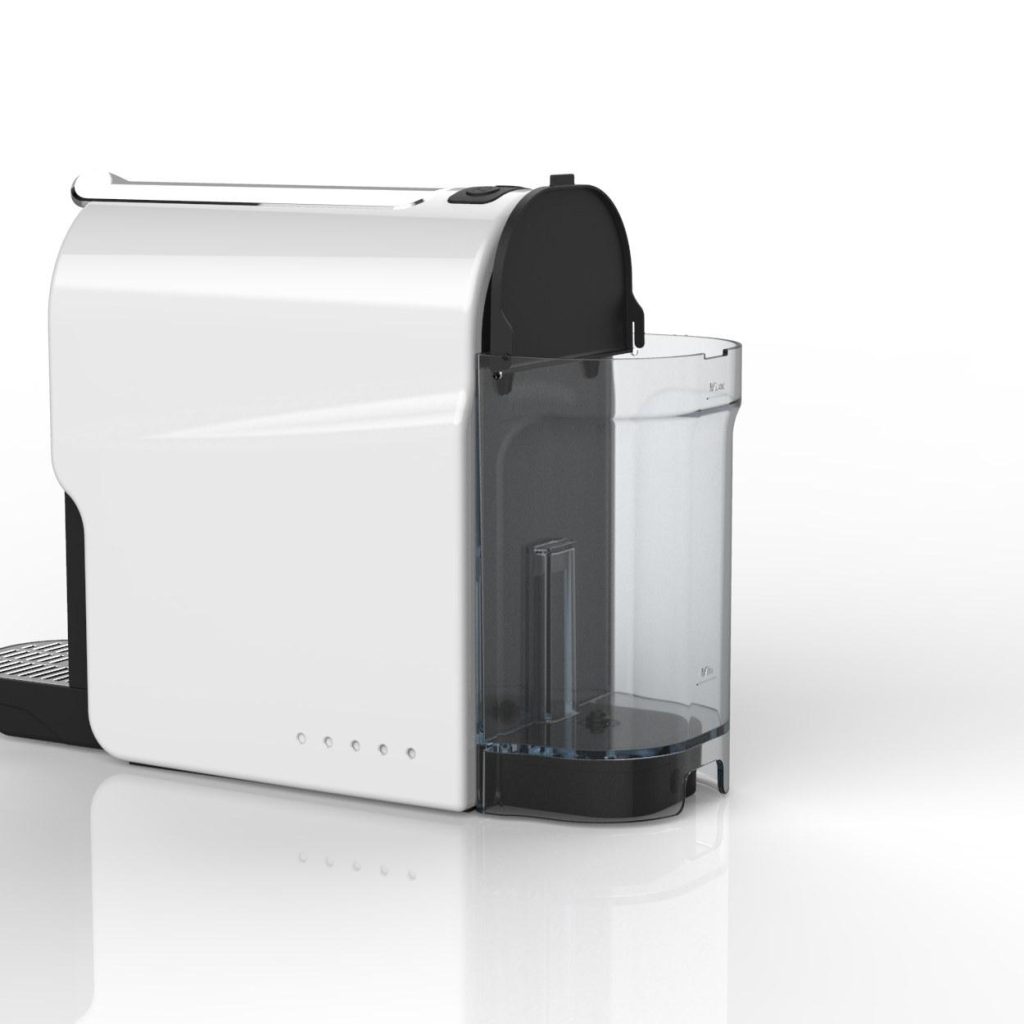
Brewing technique plays a major role in coffee quality, even when using premium coffee beans and advanced equipment. Water temperature, extraction time, brewing pressure, and machine stability all influence flavor balance and aroma development. A well-designed home coffee machine helps simplify brewing control while improving extraction consistency for espresso, cappuccino, latte, and other specialty coffee drinks. Understanding how to optimize brewing techniques allows users to create smoother and more café-style coffee at home.
Understanding Your Home Coffee Machine Functions
Different home coffee machines offer different brewing systems, pressure configurations, and temperature controls. Learning how your machine operates helps improve extraction stability and beverage consistency. Features such as adjustable brewing volume, programmable extraction settings, stable pressure systems, and steam control all affect coffee quality. KONMO home coffee machines are designed with user-friendly brewing functions that help simplify daily coffee preparation while supporting more stable extraction performance for home users.
Improving Extraction with Proper Brewing Techniques
Different brewing methods create different flavor profiles and coffee textures. Espresso extraction focuses on pressure and concentration, while pour-over brewing emphasizes clarity and layered flavor notes. Techniques such as pre-infusion, even tamping, and controlled pouring improve extraction balance and reduce bitterness or sourness. Consistent brewing habits combined with a reliable home coffee machine help produce smoother coffee with better sweetness and aroma retention.
Controlling Brewing Temperature and Timing
Water temperature directly affects coffee extraction efficiency and flavor development. Brewing between 195°F and 205°F usually provides balanced extraction without creating excessive bitterness or weak flavor. Brewing time is equally important because over-extraction can produce harsh taste while under-extraction often creates sourness. Stable temperature control and accurate extraction timing allow a home coffee machine to deliver more consistent coffee quality across different drink recipes.
Using Fresh Filtered Water for Better Coffee Flavor
Coffee is composed mostly of water, making water quality essential for good brewing results. Filtered water with balanced mineral content improves flavor clarity, sweetness, and extraction consistency while reducing unwanted odors or bitterness. Hard water can create mineral buildup inside a home coffee machine, affecting both performance and taste over time. Using fresh filtered water helps protect machine components and supports cleaner, more balanced coffee flavor.
Cleaning and Maintaining a Home Coffee Machine for Consistent Taste
Regular cleaning is necessary to maintain coffee quality, extraction stability, and long-term machine performance. Coffee oils, milk residue, and mineral buildup gradually affect flavor and brewing efficiency if not removed properly. Consistent maintenance helps a home coffee machine produce cleaner coffee flavor, more stable steam pressure, and better extraction results. Proper cleaning routines also extend machine lifespan and reduce the risk of mechanical issues during daily use.
Daily Cleaning Tips for a Home Coffee Machine
Basic daily cleaning prevents old coffee oils and milk residue from affecting future drinks. Important maintenance steps include rinsing the portafilter, cleaning the drip tray, wiping the steam wand, and flushing brewing components with clean water. Removing leftover coffee grounds and moisture also helps reduce odors and bacterial buildup inside the machine. Simple daily maintenance keeps a home coffee machine operating more consistently and supports fresher coffee flavor.
Removing Coffee Oil and Mineral Build-Up
Coffee oils and mineral deposits gradually accumulate inside brewing systems, pipes, and filters. Excessive buildup can reduce extraction efficiency and create bitter or stale flavors. Descaling and deep cleaning remove internal residue and help maintain stable water flow and brewing temperature. Users in hard water regions may need to descale their home coffee machine more frequently to maintain long-term performance and beverage quality.
Maintaining Steam Wands and Brewing Components
Steam wands require regular cleaning to maintain milk frothing quality and hygiene standards. Purging and wiping the steam wand immediately after use helps prevent dried milk residue from blocking steam output. Brewing components such as group heads and filters should also be cleaned regularly to maintain stable extraction pressure and coffee flow. Proper maintenance improves both beverage consistency and overall machine reliability.
When to Deep Clean a Home Coffee Machine
Deep cleaning removes residue that daily rinsing cannot fully eliminate. Frequent coffee drinkers should deep clean their home coffee machine every two to four weeks depending on usage frequency and water quality. Signs that indicate deep cleaning is needed include slow extraction, weaker flavor, unusual odors, or unstable steam pressure. Consistent deep cleaning helps preserve brewing performance and supports better long-term coffee quality.
Creating a Restaurant-Style Coffee Experience with a Home Coffee Machine
Restaurant-style coffee is influenced not only by brewing quality, but also by presentation, milk texture, serving details, and overall coffee preparation habits. A reliable home coffee machine combined with proper accessories and techniques can recreate much of the café experience in a home environment. By improving milk frothing, serving presentation, and daily brewing routines, users can achieve smoother texture, richer flavor, and more visually appealing coffee drinks at home.
Choosing the Right Cups and Serving Style
Cup size, cup material, and serving presentation all affect the coffee drinking experience. Espresso is typically served in smaller thick-wall cups to maintain temperature and crema stability, while cappuccino and latte drinks benefit from larger cups that support milk texture and layered presentation. Adding simple finishing details such as cocoa powder, cinnamon, or basic latte art can make homemade coffee feel more professional and visually appealing. Organized serving trays and clean presentation also help create a café-style atmosphere at home.
Frothing Milk for Café-Style Coffee Drinks
Milk texture is one of the key differences between standard homemade coffee and professional café beverages. Stable steam pressure, accurate temperature control, and proper frothing technique help create smooth microfoam for latte and cappuccino drinks. KONMO Home Espresso Coffee Machines are designed with stable steam systems and user-friendly controls that help improve milk frothing consistency for home users. Proper steam wand positioning and controlled milk circulation allow users to create creamier texture and more balanced milk-based coffee beverages.
Common Home Coffee Machine Mistakes to Avoid
Many coffee quality problems come from inconsistent brewing habits rather than the machine itself. Using stale coffee beans, incorrect grind size, poor coffee-to-water ratios, or neglecting machine cleaning can all reduce beverage quality. Some users also purchase overly complicated machines without understanding their actual brewing needs, leading to inconsistent results and difficult maintenance. Building stable brewing habits and maintaining a clean home coffee machine help improve consistency and reduce common extraction problems.
Upgrading Your Coffee Routine for Better Results
Small equipment upgrades and improved brewing habits can significantly improve homemade coffee quality. Using a precision grinder, digital scale, filtered water system, and proper coffee storage container all help maintain extraction consistency and flavor freshness. A high-performance home coffee machine with stable temperature control, programmable brewing functions, and reliable steam pressure further improves the ability to create café-style beverages at home. KONMO home coffee machines are designed to support flexible brewing preferences while combining compact design, convenient operation, and stable coffee performance for daily use.
Creating restaurant-style coffee at home requires more than simply buying premium coffee beans. Freshness, grind consistency, brewing ratios, water quality, machine maintenance, and milk frothing techniques all work together to influence coffee flavor and texture. A reliable home coffee machine helps simplify the brewing process while improving extraction stability and beverage consistency for daily coffee preparation. KONMO home coffee machines are designed for users who want café-style coffee experiences with more convenient operation, stable performance, and flexible brewing solutions for modern home environments.
FAQ
What coffee beans work best with a home coffee machine?
Freshly roasted coffee beans usually produce better aroma, crema, and extraction performance. Medium-dark and dark roast beans are commonly preferred for espresso home coffee machines because they create fuller body and richer flavor.
How important is grind size for a home coffee machine?
Grind size directly affects extraction speed and flavor balance. A grind that is too coarse can make coffee taste sour or weak, while an overly fine grind may create bitterness and slow extraction.
Why does water quality matter in coffee brewing?
Coffee is primarily made from water, so poor water quality can negatively affect flavor and machine performance. Filtered water helps improve coffee clarity while reducing mineral buildup inside the home coffee machine.
How often should a home coffee machine be cleaned?
Daily cleaning is recommended for brewing components and steam wands, while deep cleaning and descaling are usually needed every two to four weeks depending on usage frequency and water hardness.
Can a home coffee machine make café-style milk drinks?
Yes. A home espresso coffee machine with stable steam pressure and proper milk frothing control can create smooth microfoam for cappuccino, latte, and other café-style beverages at home.