Coffee machines have become an essential part of modern homes, offices, cafés, hotels, and even outdoor lifestyles. In 2026, coffee consumers are no longer looking for only basic brewing functions — they expect convenience, customization, energy efficiency, and consistent coffee quality from their machines.
From semi-automatic espresso machines to capsule coffee systems and portable coffee makers, the global coffee machine market continues to evolve with smarter technologies and more personalized brewing experiences. Features such as programmable brewing settings, fast heating systems, IoT connectivity, and multi-beverage functionality are becoming increasingly popular among both home users and commercial buyers.
For coffee brands, distributors, and business owners, choosing the right coffee machine also means balancing performance, durability, certifications, maintenance costs, and user experience. Whether you are looking for a compact home coffee machine or a professional espresso solution for hospitality applications, understanding different coffee machine types and key features is essential before making a purchasing decision.
As a professional coffee machine manufacturer, KONMO focuses on providing customizable coffee machine solutions for global markets, including semi-automatic espresso machines, capsule coffee machines, portable coffee makers, and OEM/private label coffee machine projects.
In this guide, you will learn about different types of coffee machines, how coffee machines work, important features to consider, maintenance tips, and common buying mistakes to avoid in 2026.
Key Takeaways
- Coffee machines are available in multiple types, including espresso machines, drip coffee makers, capsule coffee machines, manual brewers, and portable coffee machines for different lifestyles and business needs.
- Modern coffee machines in 2026 focus on smart functionality, energy efficiency, customizable brewing, and improved user convenience.
- Understanding boiler systems, pressure levels, water tank capacity, and programmability can help you choose a coffee machine that matches your daily usage and coffee preferences.
- Regular coffee machine cleaning and descaling are essential for maintaining coffee flavor consistency and extending machine lifespan.
- For commercial buyers and coffee brands, certifications, build quality, OEM capability, and long-term maintenance support are important factors when selecting a coffee machine supplier.
- Investing in the right coffee machine improves brewing consistency, operational efficiency, and overall coffee experience instead of simply focusing on price alone.
What Is a Coffee Machine?
Coffee Machine Definition
A coffee machine is a device designed to automate and simplify the coffee brewing process by controlling water temperature, pressure, and extraction time. Modern coffee machines can produce a wide range of beverages, including espresso, cappuccino, latte, americano, drip coffee, and capsule-based drinks.
Today’s coffee machines range from compact home coffee makers to professional commercial espresso machines used in cafés, hotels, offices, and foodservice environments. Depending on the brewing system, a coffee machine may include components such as a heating system, pump, boiler, grinder, steam wand, water reservoir, and programmable control panel.
As coffee culture continues to grow worldwide, coffee machines are becoming more advanced, offering faster brewing, better temperature stability, energy-saving technologies, and customizable user experiences.
What a Coffee Machine Is Used For
Coffee machines are used to create consistent, convenient, and high-quality coffee for both personal and commercial applications. Different coffee machine types are designed for different brewing styles, drink preferences, and usage environments.
For home users, coffee machines help simplify daily brewing while delivering café-style beverages with minimal effort. In commercial settings, professional coffee machines improve operational efficiency, beverage consistency, and customer experience.
Modern coffee machines are commonly used for:
- Brewing espresso-based drinks such as cappuccino and latte
- Preparing drip coffee for households and offices
- Supporting fast single-serve brewing with capsule systems
- Creating customized coffee recipes with programmable settings
- Improving workflow efficiency in cafés, hotels, and restaurants
Advanced espresso coffee machines also allow users to control extraction pressure, milk frothing, shot timing, and brewing temperature for a more professional coffee experience.
How Coffee Machines Have Evolved
Coffee machines have evolved significantly from simple manual brewing devices to intelligent brewing systems with automation and customization features.
Early coffee brewing relied heavily on manual preparation methods. Over time, innovations such as paper filters, electric heating systems, pressure-based espresso extraction, and single-serve capsule technology transformed how people prepare coffee.
In recent years, the coffee machine industry has shifted toward:
- Smart coffee machines with programmable settings
- Energy-efficient heating technologies
- Compact and space-saving machine designs
- Multi-beverage brewing functionality
- Portable coffee machines for travel and outdoor use
- OEM and customizable coffee machine solutions for brands
Modern manufacturers like KONMO now focus not only on brewing performance, but also on product flexibility, international certifications, appearance customization, and user-friendly operation for global markets.
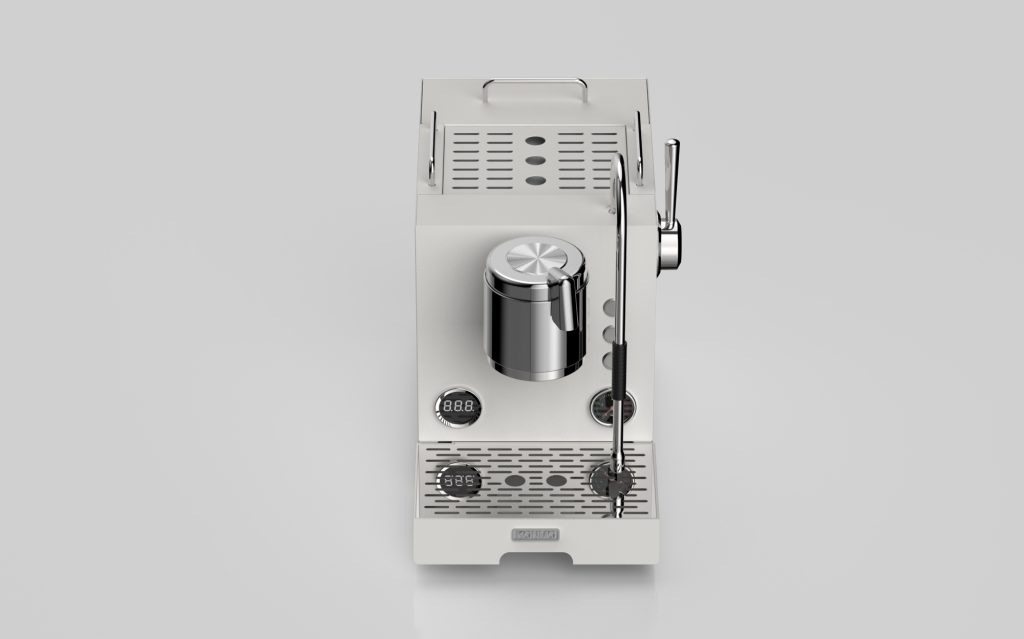
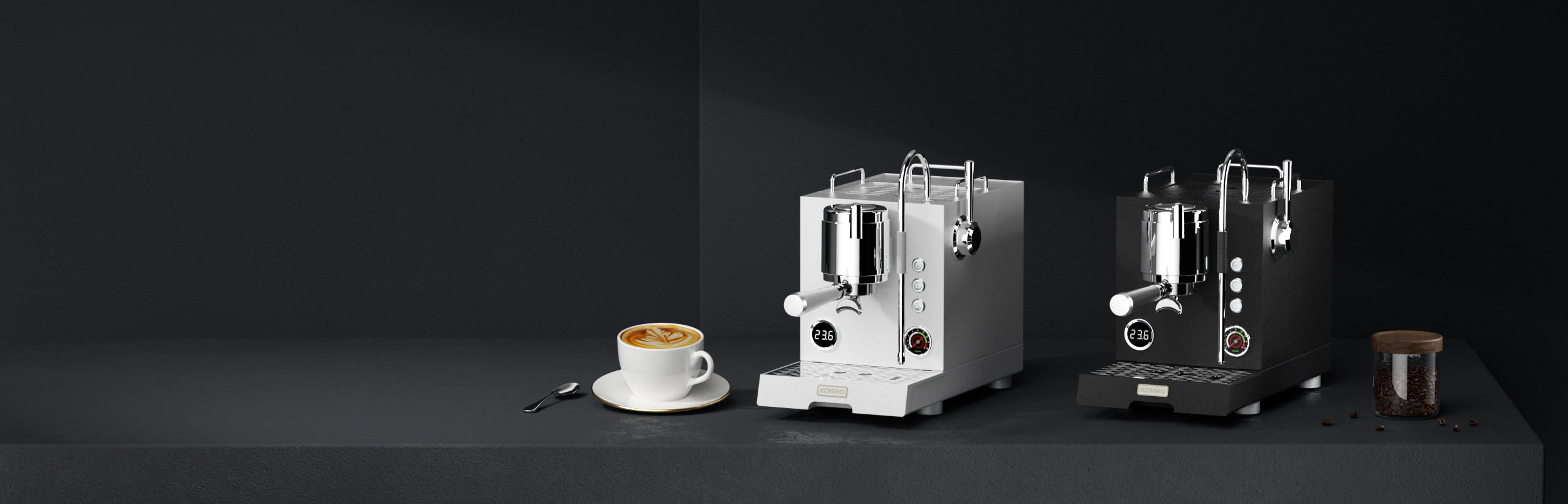
For example, the KONMO KM-S100 semi-automatic coffee machine combines customizable brewing control, modern design options, and international certifications including CB, CE, 3C, and RoHS, making it suitable for both home users and private label coffee machine projects.
Different Types of Coffee Machines
Coffee machines are available in several categories, each designed for different brewing styles, usage habits, and customer preferences. Choosing the right coffee machine depends on factors such as coffee taste, convenience, brewing control, maintenance requirements, and application scenarios.
From traditional espresso machines to modern capsule systems and portable coffee makers, every coffee machine type offers unique advantages for home users, cafés, offices, hotels, and outdoor environments.
Drip Coffee Machines
Drip coffee machines are one of the most widely used coffee machine types for homes and offices. They brew coffee by heating water and slowly dripping it through ground coffee into a carafe or pot.
These coffee machines are popular because they are easy to operate, affordable, and suitable for brewing multiple cups at once. Many modern drip coffee machines also include programmable timers, warming plates, and built-in grinders for improved convenience.
Drip coffee machines are ideal for:
- Families and households
- Office coffee stations
- Users who prefer simple daily brewing
- Brewing large quantities of coffee efficiently
Compared with espresso coffee machines, drip coffee makers typically produce a smoother and lighter coffee flavor profile.
Espresso Coffee Machines
Espresso coffee machines use high-pressure extraction to produce concentrated coffee with rich flavor and crema. These machines are commonly used in cafés, restaurants, hotels, and premium home coffee setups.
Espresso machines are generally divided into manual, semi-automatic, automatic, and super-automatic categories depending on the level of user control and automation.
Modern espresso coffee machines focus heavily on:
- Temperature stability
- Consistent pressure extraction
- Milk frothing performance
- Brewing customization
- Faster workflow efficiency
For users seeking more brewing flexibility, semi-automatic espresso machines remain one of the most popular choices because they balance automation and manual control.
For example, the KONMO KM-S100 semi-automatic coffee machine allows users to customize grind size, extraction timing, and brewing control while supporting OEM appearance customization and international certifications for global markets.
Pod and Capsule Coffee Machines
Pod and capsule coffee machines are designed for convenience, speed, and consistent brewing results. Users simply insert a coffee capsule or pod, press a button, and receive a single serving of coffee within seconds.
These coffee machines are especially popular among busy consumers, office users, and compact living spaces because they require minimal cleaning and brewing knowledge.
Key advantages of capsule coffee machines include:
- Fast one-touch operation
- Consistent coffee flavor
- Compact machine size
- Easy maintenance and cleaning
- Wide beverage compatibility
Many brands also choose capsule coffee machines for private label projects due to their strong market demand and modern user appeal.
KONMO provides customizable capsule coffee machine solutions that support OEM and private label requirements for international coffee brands and distributors.
Manual Coffee Brewing Machines
Manual coffee brewing machines provide users with greater control over the brewing process. Popular manual brewing methods include French press, pour-over coffee makers, AeroPress systems, and manual espresso devices.
Unlike automatic coffee machines, manual brewing equipment allows users to adjust:
- Brewing time
- Water temperature
- Coffee-to-water ratio
- Extraction speed
- Flavor intensity
Many coffee enthusiasts prefer manual coffee brewing because it creates a more personalized and hands-on coffee experience. However, manual brewing typically requires more skill, preparation time, and cleaning compared to automatic coffee machines.
Portable Coffee Machines
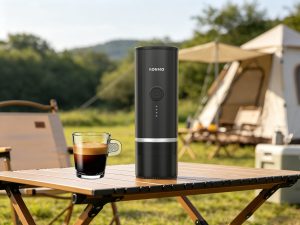
Portable coffee machines are designed for mobility, convenience, and outdoor applications. These compact coffee makers are commonly used during camping, travel, road trips, hiking, and mobile coffee service operations.
Many portable coffee machines feature:
- Lightweight compact designs
- Battery-powered or manual operation
- Travel-friendly construction
- Quick brewing systems
- Easy cleaning and storage
As outdoor lifestyles continue growing in popularity, portable coffee machines are becoming an important segment in the global coffee machine market.
KONMO also focuses on portable coffee maker solutions that combine compact design, user-friendly brewing, and customizable branding support for global distributors and coffee equipment brands.
How a Coffee Machine Works
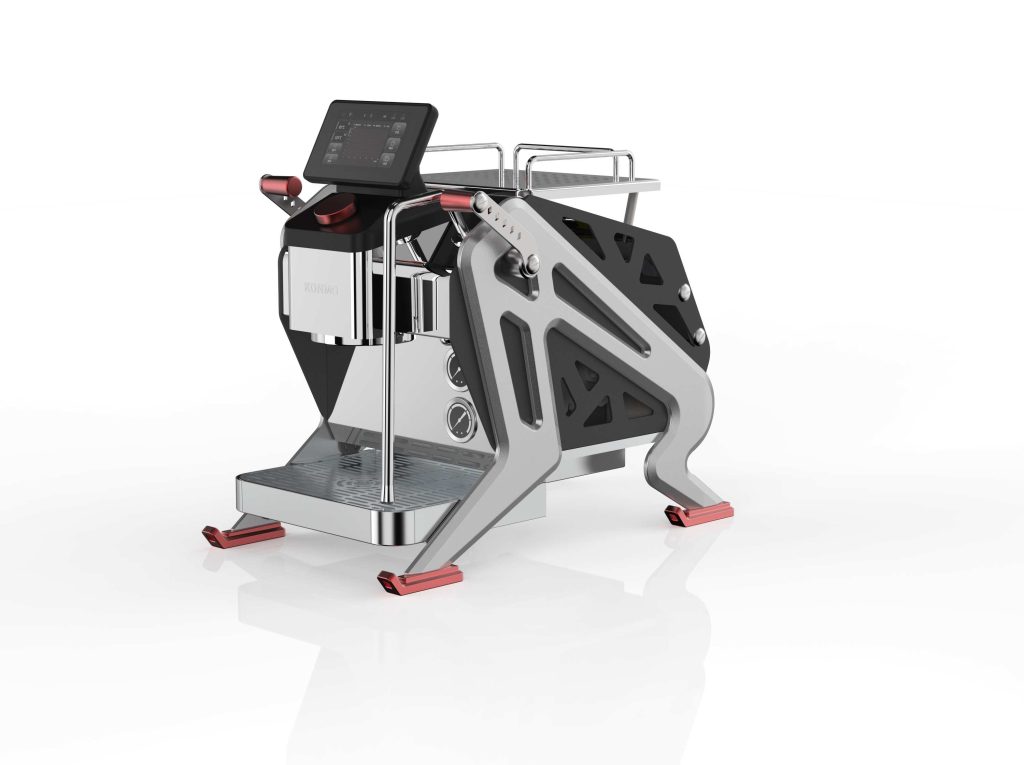
Although different coffee machine types use different brewing methods, most coffee machines operate by controlling water temperature, pressure, and extraction time to produce consistent coffee flavor. Understanding how a coffee machine works can help users choose the right brewing system based on taste preferences, convenience, and daily usage needs.
Modern coffee machines continue to improve brewing precision through advanced heating systems, programmable settings, and pressure control technologies, making coffee preparation faster and more consistent for both home and commercial applications.
How Drip Coffee Machines Work
Drip coffee machines brew coffee by heating water and allowing it to slowly pass through ground coffee using gravity filtration. The brewed coffee then flows into a glass carafe or thermal pot.
A standard drip coffee machine typically includes:
- A water reservoir
- Heating element
- Filter basket
- Drip system
- Coffee pot or carafe
During brewing, the machine heats water to the proper temperature and distributes it evenly over the coffee grounds. The extraction process creates a smooth and balanced coffee flavor that is suitable for everyday drinking.
Many modern drip coffee machines also include programmable timers, automatic shut-off functions, and integrated grinders for added convenience.
How Espresso Coffee Machines Work
Espresso coffee machines use high-pressure extraction to force hot water through finely ground coffee. This process creates concentrated espresso with rich aroma, crema, and complex flavor.
An espresso coffee machine generally works through four main stages:
- Water enters the reservoir or water supply system.
- The boiler or thermoblock heats the water to brewing temperature.
- A pump generates pressure to push water through the coffee grounds.
- Espresso is extracted through the group head into the cup.
Pressure stability and temperature control are critical for producing high-quality espresso. Most professional espresso coffee machines operate around 9 bars of extraction pressure for balanced flavor and crema development.
Semi-automatic espresso machines remain highly popular because they provide users with greater control over shot timing, extraction, and milk frothing while maintaining brewing consistency.
For example, the KONMO KM-S100 semi-automatic coffee machine combines stable extraction performance with customizable brewing controls and modern design flexibility for both home and OEM coffee machine markets.
How Pod and Capsule Coffee Machines Work
Pod and capsule coffee machines simplify the brewing process through pre-packaged coffee systems. Users insert a coffee pod or capsule into the machine, and the machine automatically punctures the capsule before forcing hot water through it.
This brewing system offers several advantages:
- Fast brewing speed
- Consistent coffee flavor
- Minimal user operation
- Easy cleanup
- Compact machine design
Because the coffee quantity and grind size are pre-measured inside each capsule, pod coffee machines help reduce brewing errors and improve consistency for daily use.
Capsule coffee systems are widely used in homes, offices, hotels, and compact commercial environments where convenience and speed are important.
How Manual Coffee Machines Work
Manual coffee brewing machines rely more heavily on user technique and brewing control. Instead of fully automated systems, manual brewing methods allow users to adjust variables such as water flow, extraction time, grind size, and brewing pressure.
Popular manual coffee brewing methods include:
- Pour-over coffee brewing
- French press brewing
- Manual espresso extraction
- AeroPress brewing
Manual coffee machines are often preferred by specialty coffee enthusiasts because they allow greater experimentation with flavor profiles and extraction styles.
However, manual brewing generally requires:
- More preparation time
- Greater brewing skill
- Consistent technique
- Additional cleaning effort
Despite requiring more hands-on operation, manual coffee brewing remains highly valued for its flexibility and personalized coffee experience.
Key Coffee Machine Features to Understand
When choosing a coffee machine, understanding the core features is just as important as selecting the machine type itself. Different coffee machine technologies directly affect brewing quality, temperature stability, user experience, maintenance requirements, and long-term durability.
Whether you are purchasing a coffee machine for home use, commercial applications, or private label distribution, evaluating these features carefully can help you select a machine that matches both performance expectations and budget requirements.
Boiler and Heating Systems
The heating system is one of the most important parts of a coffee machine because it controls brewing temperature and steam performance.
Most coffee machines use one of the following heating systems:
- Thermoblock systems
- Single boiler systems
- Dual boiler systems
- Heat exchange systems
Thermoblock coffee machines heat water quickly and are commonly used in compact home coffee machines because they save energy and reduce waiting time.
Dual boiler espresso machines are more suitable for professional environments because they allow simultaneous brewing and milk frothing while maintaining stable temperatures.
For users seeking more consistent espresso extraction, stable heating technology plays a major role in improving flavor quality and workflow efficiency.
Coffee Machine Pressure Levels
Pressure is a key factor in espresso extraction. Most professional espresso coffee machines operate at approximately 9 bars of brewing pressure to achieve balanced flavor, crema formation, and proper extraction consistency.
Stable pressure helps:
- Improve espresso flavor balance
- Enhance crema texture
- Prevent under-extraction or over-extraction
- Deliver more consistent brewing results
Some advanced espresso coffee machines allow users to adjust pressure settings depending on coffee bean type and flavor preference.
Semi-automatic coffee machines are especially popular among coffee enthusiasts because they provide more control over pressure and extraction timing.
Water Tank Capacity
Water tank size directly affects brewing convenience and machine efficiency. Small water reservoirs may work well for personal home use, while larger coffee machines require higher-capacity tanks for continuous brewing.
When evaluating coffee machine water capacity, consider:
- Daily coffee consumption
- Number of users
- Commercial or home application
- Refill frequency
- Installation space
Commercial coffee machines often include larger removable tanks or direct water line connections to support high-volume beverage production.
Compact coffee machines with smaller tanks are more suitable for apartments, offices, and portable coffee setups.
Automatic and Programmable Functions
Modern coffee machines increasingly focus on smart functionality and user convenience. Automatic and programmable features help improve consistency while simplifying daily operation.
Popular programmable coffee machine functions include:
- One-touch brewing
- Adjustable shot volume
- Temperature control
- Automatic milk frothing
- Brewing profile customization
- Scheduled brewing timers
- Touchscreen interfaces
For OEM coffee machine projects, customization has also become increasingly important. Many distributors and coffee brands now look for machines that support custom colors, logos, materials, and interface designs.
KONMO focuses heavily on customizable coffee machine solutions, allowing global clients to develop coffee machines tailored to their brand positioning and market needs.
Coffee Machine Materials and Build Quality
The materials used inside a coffee machine strongly influence durability, brewing stability, and long-term maintenance costs.
High-quality coffee machines commonly use:
- Stainless steel housing
- Durable internal pumps
- Professional-grade boilers
- High-temperature resistant components
- Food-grade water systems
Commercial coffee machines are typically built for continuous operation and higher daily workloads, while home coffee machines prioritize compact size and user convenience.
For international buyers and distributors, certifications also play an important role when evaluating coffee machine quality. Certifications such as CB, CE, RoHS, FCC, and 3C help ensure product safety and compliance in global markets.
KONMO coffee machines are developed with international market requirements in mind, combining modern industrial design, customizable configurations, and certified manufacturing standards for OEM and private label coffee machine projects.
How to Choose the Right Coffee Machine
Choosing the right coffee machine depends on more than just price or appearance. Different coffee machine types are designed for different brewing habits, usage frequencies, and customer expectations. Understanding your lifestyle, coffee preferences, and operational needs can help you select a machine that delivers better performance and long-term value.
Whether you are buying a coffee machine for home use, office environments, cafés, hotels, or private label distribution, focusing on the right balance between functionality, convenience, and maintenance is essential.
Choosing a Coffee Machine Based on Lifestyle
Your daily routine and coffee habits play a major role in selecting the right coffee machine.
For users who prioritize convenience and speed, automatic or capsule coffee machines are often the best option because they require minimal preparation and cleaning. These machines are especially suitable for busy households, offices, and shared workspaces.
For coffee enthusiasts who enjoy experimenting with flavor profiles and extraction techniques, semi-automatic espresso machines or manual brewing systems provide greater control over brewing variables such as pressure, grind size, and extraction timing.
Portable coffee machines are ideal for:
- Camping and outdoor activities
- Travel and road trips
- Mobile coffee setups
- Compact living spaces
Commercial buyers should also consider customer traffic, beverage variety, and workflow efficiency when choosing coffee machines for cafés, hotels, or hospitality projects.
Coffee Machine Features vs Budget
Coffee machine pricing varies significantly depending on brewing technology, materials, automation level, and customization features.
Entry-level coffee machines are typically designed for simple daily brewing and basic functionality. Mid-range coffee machines often provide better heating systems, improved pressure stability, and programmable brewing options.
Premium coffee machines usually offer:
- Advanced temperature control
- Dual boiler systems
- Professional milk frothing
- Smart touch interfaces
- Customizable brewing profiles
- Higher durability for long-term use
Instead of focusing only on the lowest price, buyers should evaluate the overall value of the coffee machine, including performance, maintenance costs, lifespan, and after-sales support.
For distributors and coffee brands, OEM flexibility and product differentiation can also influence long-term profitability and market competitiveness.
Ease of Cleaning and Maintenance
Regular maintenance is essential for maintaining coffee quality and extending machine lifespan. Choosing a coffee machine with user-friendly cleaning features can reduce downtime and improve long-term performance.
Important maintenance-related features include:
- Removable water tanks
- Automatic cleaning programs
- Accessible brewing components
- Easy descaling systems
- Replaceable filters
- Detachable drip trays
Coffee oils, milk residue, and mineral buildup can negatively affect both brewing taste and machine performance if not cleaned regularly.
For commercial coffee environments, easy maintenance becomes even more important because machines operate at higher daily volumes and require consistent performance throughout the day.
Choosing Between Manual and Automatic Coffee Machines
Manual and automatic coffee machines provide very different brewing experiences.
Automatic coffee machines focus on convenience, consistency, and operational efficiency. They are ideal for users who want fast brewing with minimal learning curve.
Automatic coffee machines are commonly used in:
- Offices
- Hotels
- Convenience-focused households
- Self-service coffee environments
Manual and semi-automatic coffee machines provide greater control over extraction and flavor customization. These machines are preferred by specialty coffee enthusiasts and professional baristas who want more involvement in the brewing process.
When comparing manual and automatic coffee machines, buyers should evaluate:
- Brewing convenience
- Flavor control
- Cleaning requirements
- Learning curve
- Daily usage frequency
- Long-term maintenance
Semi-automatic espresso machines remain one of the most balanced options because they combine user control with brewing consistency, making them highly popular in both home and light commercial coffee applications.
KONMO focuses on flexible coffee machine solutions that support both convenience-oriented users and professional coffee brewing experiences through customizable product configurations and OEM development support.
Coffee Machine Maintenance and Care Tips
Daily Coffee Machine Cleaning Tips
Daily cleaning helps prevent old coffee oils and residue from affecting coffee taste. Even small amounts of leftover coffee buildup can reduce extraction quality over time.
Basic daily coffee machine cleaning includes:
- Emptying used coffee grounds
- Rinsing the portafilter and filter basket
- Cleaning the drip tray
- Wiping the steam wand after milk frothing
- Refilling the water reservoir with clean water
- Removing coffee residue from brewing components
For capsule coffee machines, users should also remove used capsules promptly and regularly clean the capsule insertion area to maintain smooth operation.
Commercial espresso coffee machines often require more frequent cleaning because of higher daily usage volumes.
Descaling and Long-Term Maintenance
Daily cleaning helps prevent old coffee oils and residue from affecting coffee taste. Even small amounts of leftover coffee buildup can reduce extraction quality over time.
Basic daily coffee machine cleaning includes:
- Emptying used coffee grounds
- Rinsing the portafilter and filter basket
- Cleaning the drip tray
- Wiping the steam wand after milk frothing
- Refilling the water reservoir with clean water
- Removing coffee residue from brewing components
For capsule coffee machines, users should also remove used capsules promptly and regularly clean the capsule insertion area to maintain smooth operation.
Commercial espresso coffee machines often require more frequent cleaning because of higher daily usage volumes.
Common Coffee Machine Problems and Solutions
Coffee machines may occasionally experience operational problems caused by improper cleaning, worn components, or incorrect brewing settings.
Some common coffee machine issues include:
| Problem | Possible Cause | Solution |
|---|---|---|
| Bitter coffee taste | Dirty brewing system or over-extraction | Clean the machine and adjust brewing settings |
| Weak espresso | Incorrect grind size or low pressure | Use finer coffee grounds and check extraction pressure |
| Water leakage | Loose components or worn seals | Inspect seals and tighten removable parts |
| Slow brewing speed | Mineral scale buildup | Perform descaling maintenance |
| Steam wand blockage | Milk residue buildup | Clean the steam wand immediately after use |
Regular preventive maintenance helps reduce repair costs and keeps brewing performance stable over time.
How to Extend Coffee Machine Lifespan
A well-maintained coffee machine can deliver consistent brewing performance for many years. Proper operation and regular servicing are essential for maximizing machine durability.
To extend coffee machine lifespan, users should:
- Follow recommended cleaning schedules
- Descale the machine regularly
- Use filtered or purified water
- Avoid overloading brewing components
- Store the machine in a clean, dry environment
- Replace worn parts when necessary
Commercial buyers should also evaluate spare parts availability and after-sales support when selecting a coffee machine supplier.
KONMO focuses on reliable coffee machine manufacturing with durable materials, stable production quality, and international certifications to support long-term performance for global distributors and OEM coffee machine projects.
Coffee Machine Buying Mistakes to Avoid
Choosing the wrong coffee machine can lead to poor brewing performance, unnecessary maintenance costs, and long-term dissatisfaction. Many buyers focus only on appearance or price while overlooking important factors such as brewing habits, machine capacity, cleaning requirements, and future usage needs.
Understanding the most common coffee machine buying mistakes can help both individual users and commercial buyers make more informed purchasing decisions.
Choosing the Wrong Coffee Machine Type
One of the most common mistakes is selecting a coffee machine that does not match your actual brewing preferences or daily usage habits.
For example:
- Users who prefer espresso-based drinks may feel limited with a basic drip coffee machine.
- Buyers looking for convenience may find manual brewing systems too time-consuming.
- High-volume commercial environments may quickly outgrow small home coffee machines.
Each coffee machine type is designed for different applications, including:
- Home coffee brewing
- Office coffee service
- Café and restaurant operations
- Hotel and hospitality projects
- Outdoor and portable brewing
Understanding your preferred coffee style and brewing frequency is essential before selecting a machine.
Ignoring Brewing Capacity
Coffee machine capacity directly affects workflow efficiency and user convenience. Machines with insufficient brewing capacity may create delays during busy periods, while oversized machines can increase unnecessary costs and occupy more space.
When evaluating coffee machine capacity, consider:
- Number of daily users
- Beverage demand
- Peak usage periods
- Available installation space
- Water tank capacity
Commercial coffee machine buyers should pay special attention to operational volume and workflow efficiency to avoid bottlenecks during high-demand periods.
For hospitality and café applications, selecting the correct machine capacity can significantly improve service speed and customer satisfaction.
Overlooking Maintenance Requirements
Many buyers underestimate how important coffee machine maintenance is for long-term performance and coffee quality.
Some coffee machines require:
- Frequent descaling
- Regular milk system cleaning
- Replacement filters
- Group head maintenance
- Professional servicing
Machines that are difficult to clean may increase maintenance costs and negatively affect brewing consistency over time.
Choosing coffee machines with removable components, automatic cleaning functions, and accessible brewing systems can simplify daily maintenance and reduce downtime.
For commercial coffee operations, maintenance efficiency is especially important because equipment reliability directly impacts daily business performance.
Focusing Only on Price
Price is important, but choosing a coffee machine based only on the lowest cost can lead to poor long-term value.
Lower-cost coffee machines may sacrifice:
- Build quality
- Brewing stability
- Heating performance
- Pressure consistency
- Durability
- After-sales support
Instead of focusing only on initial cost, buyers should evaluate overall value, including:
- Machine lifespan
- Brewing consistency
- Energy efficiency
- Maintenance requirements
- Spare parts availability
- OEM customization capability
- International certifications
For distributors and private label coffee brands, supplier reliability and manufacturing capability are equally important factors when selecting coffee machine partners.
KONMO focuses on providing customizable coffee machine solutions with stable production quality, certified manufacturing standards, and OEM/private label support for global coffee equipment markets.
Coffee maker problems such as leaking water, slow brewing, unusual noises, weak coffee flavor, frother blockage, and control panel malfunctions are common after long-term daily use. In most cases, these issues are caused by mineral buildup, worn internal parts, improper cleaning habits, or inconsistent maintenance rather than complete machine failure.
Regular cleaning, routine descaling, proper water quality, and timely replacement of worn components can significantly improve brewing stability and extend the lifespan of a coffee maker. Simple maintenance practices such as cleaning the brew head, steam wand, drip tray, and water tank also help maintain better coffee flavor and reduce long-term repair costs.
For espresso coffee machines and milk-based brewing systems, stable pressure, clean steam lines, and consistent extraction settings are especially important for achieving reliable coffee quality. Whether for home kitchens, cafés, offices, hotels, or portable brewing setups, choosing a coffee maker with durable construction and practical maintenance support can reduce after-sales issues and improve the overall brewing experience.
As a professional coffee machine supplier, KONMO focuses on practical coffee maker solutions designed for different market applications, including espresso coffee machines, capsule coffee makers, portable coffee machines, and coffee capsule systems. By combining stable performance, user-friendly operation, and long-term usability, a reliable coffee maker can deliver more consistent coffee quality and better long-term value.
FAQ
What is the best coffee machine for beginners?
Pod and capsule coffee machines are usually the best choice for beginners because they are easy to operate, require minimal setup, and provide consistent brewing results. Drip coffee machines are also beginner-friendly for users who want to brew multiple cups quickly.
For users who want to learn espresso brewing while still maintaining some convenience, semi-automatic coffee machines offer a good balance between control and ease of use.
How many bars should a coffee machine have?
Most professional espresso coffee machines operate at around 9 bars of brewing pressure for optimal espresso extraction. This pressure level helps create balanced flavor, proper crema, and stable brewing consistency.
Many coffee machines advertise higher pump pressure levels such as 15 or 20 bars, but actual espresso extraction is typically performed at approximately 9 bars during brewing.
Are capsule coffee machines worth it?
Capsule coffee machines are popular because they offer fast brewing, simple operation, and consistent coffee quality. They are especially suitable for offices, apartments, hotels, and users with busy lifestyles.
However, capsule coffee systems may have higher long-term capsule costs compared to traditional ground coffee brewing methods. Buyers should consider convenience, beverage variety, and operating costs before choosing a capsule coffee machine.
What is the difference between semi-automatic and automatic coffee machines?
Semi-automatic coffee machines provide users with greater control over brewing variables such as extraction timing, pressure, and milk frothing. They are popular among coffee enthusiasts and users who want more hands-on brewing experience.
Automatic coffee machines focus more on convenience and workflow efficiency by automating much of the brewing process. These machines are commonly used in offices, hotels, and high-convenience environments.
Semi-automatic espresso machines are often preferred for balancing brewing customization and operational consistency.
How long does a coffee machine last?
The lifespan of a coffee machine depends on build quality, usage frequency, maintenance habits, and internal components.
Home coffee machines generally last between 3 to 8 years, while professional commercial coffee machines can operate for significantly longer with proper maintenance and regular servicing.
Using filtered water, cleaning the machine regularly, and following descaling schedules can help extend machine lifespan and maintain brewing performance.
How often should a coffee machine be cleaned?
Basic coffee machine cleaning should be performed daily to remove coffee residue and maintain brewing quality.
Most coffee machines should also be descaled every one to three months depending on water hardness and usage frequency.
Commercial espresso coffee machines may require more frequent cleaning because of continuous operation and milk system usage.
What should businesses consider when choosing a coffee machine supplier?
Businesses should evaluate several factors when selecting a coffee machine supplier, including:
- OEM and private label capability
- Product certifications
- Manufacturing capacity
- Quality control standards
- Lead time stability
- Spare parts support
- After-sales service
- Product customization flexibility
For global distributors and coffee brands, working with an experienced coffee machine manufacturer can improve product consistency and long-term supply chain reliability.
KONMO focuses on customizable coffee machine manufacturing solutions, supporting OEM coffee machine development, international certifications, and flexible product configurations for global markets.