Most sour, bitter, or watery espresso shots don’t come from a bad machine — they come from common, avoidable mistakes in technique, maintenance, and ingredient choice. Baristas agree that small errors like skipping a coffee scale, skipping portafilter preheating, or grinding too coarse cause most home espresso frustration. This guide breaks down the top mistakes to avoid with home espresso machines, plus simple fixes for café-quality shots at home.
Key Takeaways
- Always use a scale for consistent coffee dose and grind size to avoid uneven extraction.
- Preheat your portafilter and tamp evenly to prevent channeling and imbalanced shots.
- Clean your machine regularly and descale on schedule to prevent costly repairs and off-flavors.
- Use fresh whole beans and mineral-balanced water for the best flavor output.
- Ignore high-pressure marketing claims; steady 9-bar pressure delivers the best balanced espresso.
1. Don’t Guess Grind Size or Coffee Dose
Grind size is the single biggest factor in extraction quality. Finer particles slow water flow; coarser particles speed it up. This single variable determines whether your shot tastes sour, bitter, or balanced. A properly balanced espresso should extract in 25–35 seconds from pump start:
- Too fast (under 25 seconds): under-extracted, sour, weak flavor
- Too slow (over 35 seconds): over-extracted, harsh, bitter
Avoid Inconsistent Grind Quality
Uneven particle size causes channeling — water takes the easiest path through the coffee bed, leading to both over- and under-extraction in the same cup (sour and bitter notes at once). Blade grinders produce highly uneven particle sizes and make consistent dialing nearly impossible. For espresso, always use a burr grinder (flat or conical) for precise, uniform grind adjustment.
Stop Eyeballing Your Coffee Dose
A 0.1g difference in dry coffee weight can drastically change shot outcome. Using a scale removes guesswork and delivers repeatable results, so you can isolate grind size as the only variable when tuning shots.
| Symptom | Likely Cause | Fix |
|---|---|---|
| Sharp sourness, very fast flow | Grind too coarse / under-extraction | Grind slightly finer, keep dose and yield constant |
| Harsh taste, very slow flow | Grind too fine / over-extraction | Grind slightly coarser, re-evaluate |
| Sour and bitter together | Uneven extraction / channeling | Improve grind consistency and tamping uniformity |
Fresh whole beans are also critical. Pre-ground coffee loses up to 84% of key aroma thiols within 60 minutes of grinding, and produces flat, lifeless shots. Grind fresh right before brewing, and store whole beans in an airtight container away from light, heat, and humidity.
2. Don’t Rush Tamping & Skip Portafilter Preheat
Tamping and preheating are easy to rush, but they have a huge impact on final shot quality. A careless tamp or cold portafilter can ruin an otherwise well-dialed shot.
Avoid Uneven Tamping
An unlevel, angled, or inconsistently dense tamp creates an uneven coffee bed. Water follows the path of least resistance, rushing through the lower-density side and worsening channeling. This shows up as excessive spraying or spurting from the portafilter, and unbalanced flavor.
| Tamping Mistake | Consequence |
|---|---|
| Uneven pressure across the basket | Channeling and uneven extraction |
| Angled/lateral tamping | Inconsistent puck density across the bed |
| Over-tamping | Puck too dense, flow stalls, pressure exceeds 10 bar |
Fix: Tamp straight down with consistent pressure every time to create a level, uniform coffee bed.
Don’t Skip the Portafilter Preheat
A cold portafilter pulls heat away from brewing water, causing under-extraction, sour or thin flavor, and unbalanced extraction. Temperature instability also prevents full extraction of coffee oils, reducing aroma.
Fix: Run a blank water shot through the machine for 5 seconds before locking in the portafilter to stabilize group head and basket temperature. For consistent extraction, aim for brewing water between 195–205°F (90–96°C).
3. Don’t Neglect Your Espresso Machine Maintenance
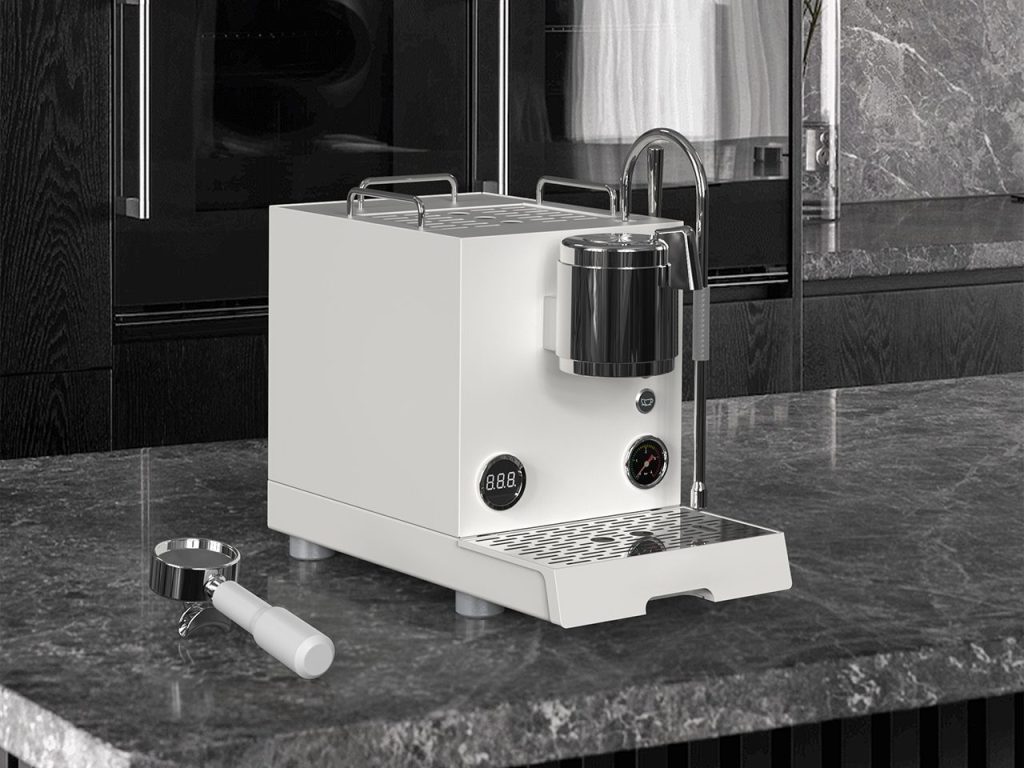
Poor maintenance is one of the most common causes of declining shot quality and premature machine failure. Two common myths cause the most damage: that you always need chemicals to backflush, and that you only need to descale when you see visible limescale.
Don’t Overdo Chemical Backflushes
Using chemical cleaners too often wears out seals and gaskets. A daily water-only backflush is enough to rinse fresh coffee grounds from the shower screen and group head. Reserve chemical backflushes for breaking down old, rancid coffee oils deep inside the group head and solenoid valve — usually every 1–4 weeks, depending on use. Always rinse thoroughly with plain water after any chemical cycle to remove leftover detergent.
Don’t Wait for Visible Limescale to Descale
Waiting until you see scale allows mineral buildup to accumulate quietly inside the boiler and heating elements. Scale acts as an insulating layer, forcing the machine to use more energy to reach temperature, burning out heating elements, cracking boilers, and causing valve failures. It also disrupts heat stability, leading to sour or bitter espresso and thin crema.
Most manufacturers recommend descaling every 3–6 months, depending on local water hardness and usage frequency. For home machines, descale every 2–3 months; heavy-use setups may need it more often. Machines like KONMO models include descaling alerts to remind users before buildup causes damage.
Simple maintenance routine:
- Daily: 2–3 minute water backflush
- Weekly: 10–15 minute deep clean
- Monthly: 30–60 minute descaling (as needed)
4. Don’t Use Bad Water & Stale Beans
Water and bean quality shape every shot as much as grind size and tamping. Even the best espresso machine can’t fix poor water or old coffee.
Avoid Both Tap Water and Distilled Water
- Tap water: High mineral content creates limescale buildup inside the boiler, hurting temperature stability and water flow.
- Distilled water: Lacks the minerals that help extract coffee flavor, producing flat, dull shots.
Opt for mineral-balanced filtered or reverse osmosis water with adjusted calcium, magnesium, and bicarbonate levels. This balances good extraction with minimal scale buildup.
Don’t Buy Pre-Ground Coffee
Pre-ground coffee loses volatile aroma compounds rapidly: peak flavor fades within days, and papery, cardboard off-notes develop after a couple of weeks. Whole bean coffee stays fresh for 3–4 weeks after roasting.
For the best flavor, grind whole beans immediately before brewing. Buy smaller quantities more often, and store beans in an airtight, opaque container in a cool, dark place.
5. Don’t Fall for High-Pressure Myths
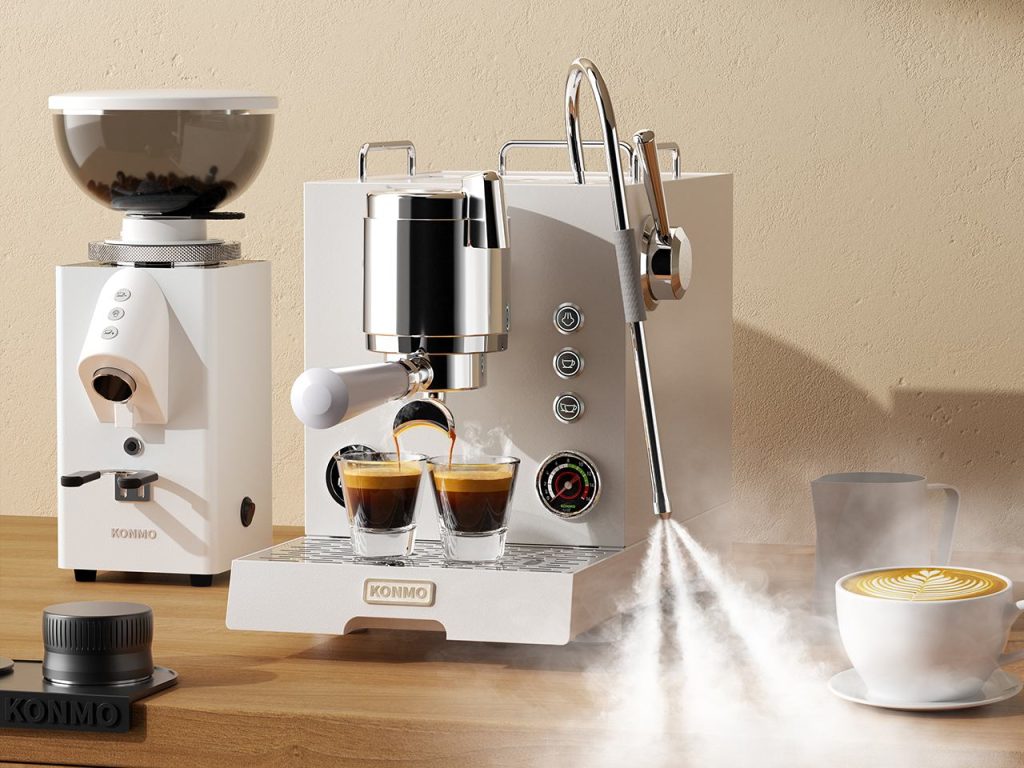
Pressure is core to espresso extraction, but more is not always better. The ideal brewing pressure is around 9 bars. Higher numbers on marketing specs only show maximum pump output, not actual brewing pressure.
Pressures above 9 bar do not improve flavor, and often cause channeling, where water cuts narrow paths through the puck for uneven extraction, bitterness, and weak body. A steady 9-bar pressure evenly pulls flavors, oils, and aromas from the grounds for balanced flavor and thick, rich crema.
KONMO machines are engineered for steady, consistent pressure rather than inflated peak numbers, which delivers more repeatable shot quality than high-marketing low-consistency designs.
Follow the 25–35 Second Rule
The SCA standard for a double espresso is 25–30 seconds extraction at a 1:2 brew ratio (18g in, 36g out) at 9 bar and 92–96°C.
- Faster than 25 seconds: grind finer or increase dose slightly
- Slower than 35 seconds: grind coarser or reduce dose slightly
Time your shots, adjust one variable at a time, and taste to dial in your perfect profile. Steady-pressure home espresso machines make this process repeatable once you find your sweet spot.
FAQ
How often should you descale an espresso machine?
Most home machines need descaling every 2–3 months. Heavier use or hard water requires more frequent descaling. Ignoring scale buildup leads to reduced performance and costly repairs.
What causes a sour espresso shot?
Sour espresso is almost always from under-extraction: grind too coarse, water flow too fast, or low brewing temperature from a cold portafilter. Fixes include grinding finer, increasing dose slightly, and preheating the portafilter.
Do you need chemicals to backflush every time?
No. A daily water-only backflush removes fresh coffee residue from the group head. Chemical backflushes are only needed every 1–4 weeks to break down old, rancid coffee oils. Overusing harsh detergents damages seals and gaskets over time.
Why does water quality matter for espresso?
Tap water causes limescale buildup that damages equipment and hurts temperature stability. Distilled water produces flat, dull shots by lacking minerals that aid extraction. Mineral-balanced filtered water delivers the best balance of flavor and equipment protection.
How does regular cleaning affect machine longevity?
Daily water backflushes and regular descaling prevent coffee oil buildup and scale damage to seals, gaskets, and heating elements. Consistent maintenance extends machine life and keeps shot quality consistent. Skipping cleaning leads to costly repairs and declining performance over time.