Descaling a coffee pod machine removes limescale and other mineral deposits from the internal water system. These deposits build up when minerals in water collect around the heating element and internal pipes. Over time, they can slow water flow, affect brewing temperature, increase noise, and change coffee flavor.
For the best results, always check the manufacturer’s instructions before choosing a descaling solution. A proper descaling routine keeps the machine clean, maintains consistent brewing performance, and helps extend its service life.
Key Takeaways
- Descale a coffee pod machine about every 2–3 months, or more often when using hard water.
- Slow water flow, unusual noises, longer brewing times, and changes in coffee taste can indicate limescale buildup.
- Use a manufacturer-approved descaling solution whenever possible.
- Run fresh water through the machine several times after descaling to remove any remaining solution.
- Clean the pod holder, drip tray, and brewing area regularly between descaling cycles.
When Should You Descale a Coffee Pod Machine?
Limescale forms when minerals such as calcium and magnesium remain behind as water is heated. These minerals can gradually collect inside the machine’s water pathways and around the heating system.
As buildup increases, it can restrict water flow and make the machine work harder. Heavy deposits may also interfere with water heating, which can affect extraction and coffee flavor.
Signs Your Machine Needs Descaling
Look for these common signs of limescale buildup:
- Slower water flow
- Longer brewing time
- Unusual gurgling, sputtering, or knocking sounds
- Less coffee coming from each brew cycle
- Changes in coffee taste
- Coffee that does not seem hot enough
- White or gray mineral deposits around the water reservoir or other water-contact areas
A single symptom does not always mean the machine needs descaling. However, several symptoms appearing together are a good reason to check the manufacturer’s recommended maintenance schedule.
How Often Should You Descale?
A common starting point is every 2–3 months, but the ideal interval depends on water hardness and usage.
| Water Condition | Scale Buildup | Suggested Approach |
|---|---|---|
| Hard water | Faster | Descale more frequently |
| Soft water | Slower | Follow the manufacturer’s standard interval |
| Frequent daily use | More water passes through the system | May require more frequent descaling |
| Occasional use | Less water passes through the system | Usually needs less frequent descaling |
Always follow the recommendations provided by coffee pod machine manufacturers rather than relying on a fixed descaling schedule. If the machine displays a descaling warning, descale it according to the manufacturer’s instructions, even if the usual interval has not passed.
How to Descale a Coffee Pod Machine Step by Step
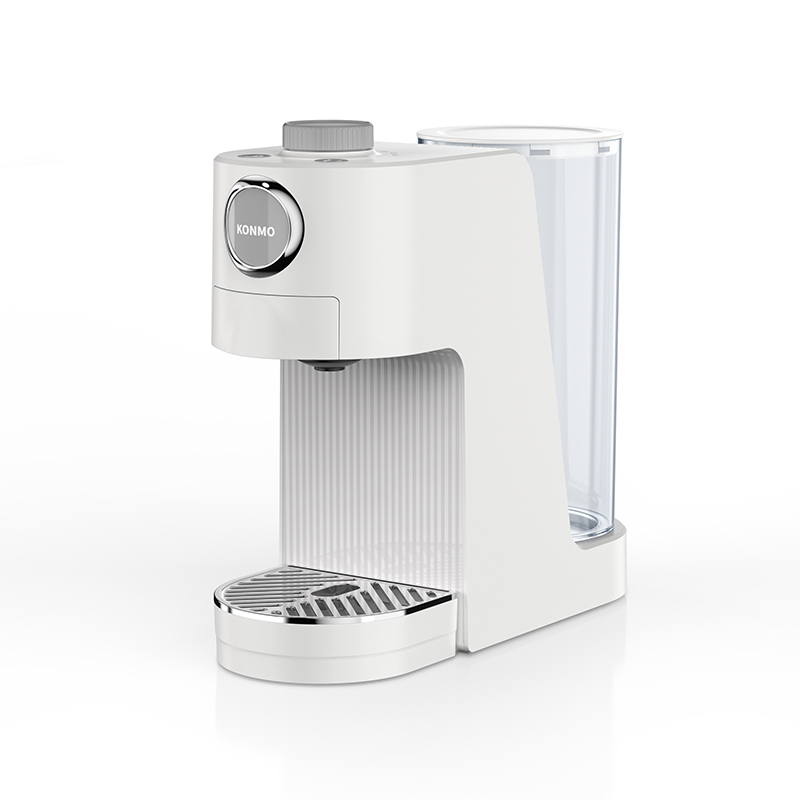
Descaling is straightforward when you follow the correct sequence. Before starting, remove the coffee pod and make sure the machine is ready for a cleaning cycle.
Prepare the Machine and Descaling Solution
First, remove any used coffee pod and empty the drip tray. Remove and rinse the water reservoir if necessary.
You will typically need:
- Manufacturer-approved descaling solution
- Fresh water
- A clean water reservoir
- A large container to collect the liquid
Commercial descaling products are usually the safest choice because they are formulated specifically for coffee machines. Some users use white vinegar as a lower-cost alternative, but vinegar is not suitable for every machine. It may leave an odor or taste and can conflict with some manufacturers’ maintenance instructions. Always check the machine manual before using vinegar or another homemade descaling mixture.
Fill the reservoir with the recommended amount of descaling solution and water. Place the large container under the coffee outlet or hot-water spout.
Run the Descaling Cycle
Start the machine’s dedicated descaling program if it has one. Otherwise, follow the manual’s instructions for running the solution through the water system.
The descaling solution moves through the internal pipes and heating system, helping dissolve accumulated mineral deposits.
When the cycle finishes:
- Empty the collection container.
- Remove and rinse the water reservoir.
- Fill the reservoir with fresh water.
- Run the recommended rinse cycles.
- Repeat the rinse if any smell or taste from the descaling solution remains.
Thorough rinsing is essential. Residual descaling solution can affect the taste of the next cup.
How to Maintain a Coffee Pod Machine After Descaling
Descaling removes mineral buildup from inside the machine, but regular cleaning helps prevent other types of residue from accumulating.
Rinse and Check the Machine After Descaling
After the descaling cycle, run enough fresh-water cycles to remove the cleaning solution. You can also run a plain-water brewing cycle before making coffee.
Check that:
- Water flows normally.
- The machine no longer makes unusual noises.
- The coffee outlet is clear.
- There is no noticeable descaling odor.
- Coffee temperature and taste have returned to normal.
If the machine still brews slowly or produces unusual sounds after proper descaling, the problem may be related to the pump, heating system, or another component rather than limescale alone.
Prevent Future Limescale Buildup
Water quality has a major effect on how quickly limescale forms. If your local water is hard, using filtered water can reduce the amount of calcium and magnesium entering the machine.
A suitable water filter may help extend the time between descaling cycles, but filtered water does not completely eliminate mineral buildup.
The best approach is to combine:
- Suitable filtered water
- Regular descaling
- Routine cleaning
- The manufacturer’s recommended maintenance schedule
Do not extend the descaling interval indefinitely just because filtered water is being used.
Clean Removable Parts Regularly
Between descaling cycles, clean the parts that come into contact with coffee and water.
After regular use:
- Empty and rinse the drip tray.
- Remove used coffee grounds or capsule residue.
- Rinse the pod holder or capsule holder.
- Wipe coffee residue from the brewing area.
Weekly or as recommended:
- Wash removable parts with mild detergent.
- Clean the drip tray and pod holder thoroughly.
- Wipe the machine’s exterior with a soft, damp cloth.
- Check the brewing outlet for coffee residue or buildup.
Avoid abrasive cleaners and rough sponges that can scratch the machine’s exterior or plastic components.
After cleaning or descaling, allow removable parts to dry completely before reassembling the machine.
FAQ
How often should you descale a coffee pod machine?
Most coffee pod machines should be descaled about every 2–3 months, but the correct interval depends on water hardness, usage, and the manufacturer’s recommendations. Machines used frequently in hard-water areas may need more frequent descaling.
Can white vinegar replace a descaling solution?
Vinegar can help dissolve mineral deposits, but it is not recommended for every coffee pod machine. Some manufacturers specifically recommend commercial descaling products instead. Check the machine manual before using vinegar.
What happens if you do not descale a coffee pod machine?
Limescale can restrict water flow, increase brewing time, affect water temperature, create unusual noises, and change coffee flavor. Heavy buildup may eventually contribute to machine performance problems.
Does filtered water prevent limescale?
No. Filtered water can reduce the minerals that cause limescale, but it does not remove them completely. Regular descaling is still necessary.
How many times should I rinse the machine after descaling?
Follow the manufacturer’s instructions for the number of rinse cycles. If no specific number is provided, run several fresh-water cycles until there is no noticeable smell or taste from the descaling solution.