“Bar” is a unit of pressure used to describe the force that pushes water through coffee grounds in an espresso machine. One bar equals roughly 14.5 psi, or standard atmospheric pressure at sea level. The universal industry standard for espresso brewing is 9 bar of pressure at the group head.
Many entry-level machines advertise 15 or 20 bar ratings — these numbers describe the maximum output of the pump, not the actual pressure used to brew espresso. All quality machines use an over-pressure valve (OPV) to bleed off excess pressure and hold brewing steady at around 9 bar. The gap between the printed pump rating and real brew pressure is the most common source of confusion for buyers.
Key Takeaways
- Optimal espresso extraction happens at roughly 9 bar of pressure at the group head.
- 15 bar and 20 bar labels describe the pump’s maximum zero-flow capacity, not real brewing pressure.
- An over-pressure valve (OPV) regulates excess pump output to keep brew pressure stable at 9 bar.
- Consistent, steady pressure throughout extraction matters far more than a large headline bar number.
- When shopping, check for a listed brew pressure spec, OPV, and optional pressure gauge instead of just the top pump rating.
What Is “Bar” in Espresso?
Bar is a metric unit of pressure widely used in engineering, meteorology and diving. For espresso machines, it measures the force applied to water as it is pushed through the compacted coffee puck.
Inside the coffee machine, water travels from the reservoir to the pump, which pressurizes it before sending it to the group head. Higher pressure forces water faster through the grounds; lower pressure slows it down. Both extremes change extraction and final flavor. You can think of it like holding your thumb over a garden hose: restricting flow raises pressure and makes the stream travel farther — the coffee puck creates that same resistance during extraction.
Why 9 Bar Is the Universal Espresso Standard
9 bar is not an arbitrary number — it was established through decades of café practice and mechanical refinement. Early lever espresso machines produced roughly 9 bar when a barista pulled the handle, and later pump-driven designs retained this target because it reliably produced the balanced, classic espresso profile drinkers expected.
At 9 bar, water flows through a properly prepared puck in 25–30 seconds, dissolving sugars, acids and aromatic compounds at an even rate.
- Too little pressure: Flow slows, and the shot tastes sour, thin and under-extracted.
- Too much pressure: Flow speeds up, producing bitter, harsh, over-extracted notes.
This standard also protects machine longevity. Seals, gaskets and group head components wear much faster when subjected to continuously higher force. Manufacturers design their brew circuits around the 9 bar target for both flavor and durability.
Espresso Maker Pump Pressure vs. Actual Brewing Pressure
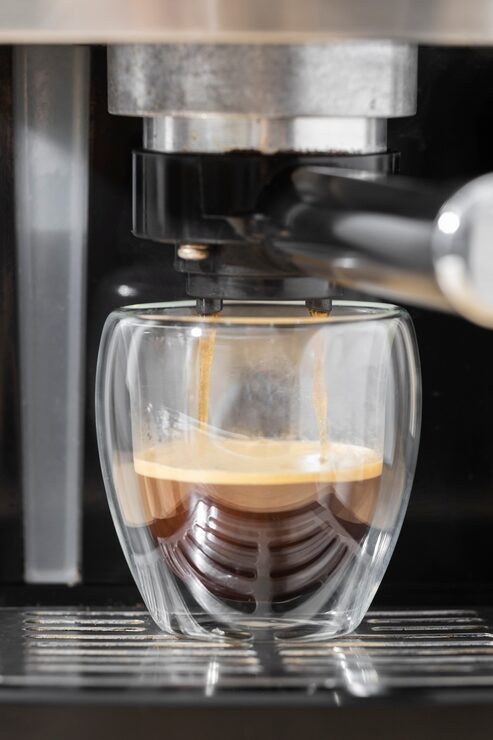
The biggest source of buyer confusion is the difference between a machine’s advertised bar rating and its real working brew pressure.
What 15/20 Bar Ratings Actually Mean
A 15 bar or 20 bar rating measures the pump’s maximum output at zero flow — when the circuit is fully blocked and no water is moving. It describes the pump’s peak capability, not the pressure that reaches the coffee puck.
Nearly all entry-level brands (including Breville, DeLonghi and Gaggia) advertise 15 bar pumps. This number is technically accurate as a component spec, but it does not reflect the pressure used to pull a shot. During real extraction, water flows through the puck, and the coffee’s own resistance sets working pressure far below the pump’s ceiling.
How the Over-Pressure Valve (OPV) Regulates Pressure
Virtually all pump espresso machines use an over-pressure valve (OPV) to cap brew pressure at roughly 6–9 bar. When pressure rises past the set threshold, the valve opens and diverts excess water back to the reservoir or drain. This ensures the puck sees a steady 9 bar, even if the pump can produce much more.
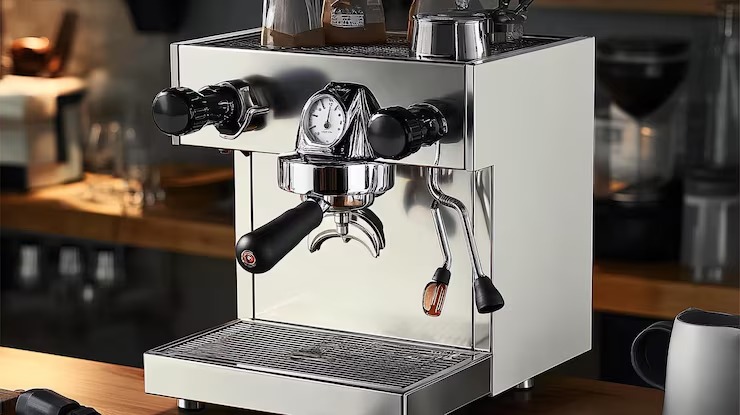
Professional machines like KONMO espresso makers take this controlled approach further, using dual electromagnetic pumps and calibrated pressure regulation to deliver consistent, stable brew pressure. This design ensures pump power serves the extraction, rather than overpowering it.
15 Bar vs. 20 Bar Espresso Machines: What’s the Real Difference?
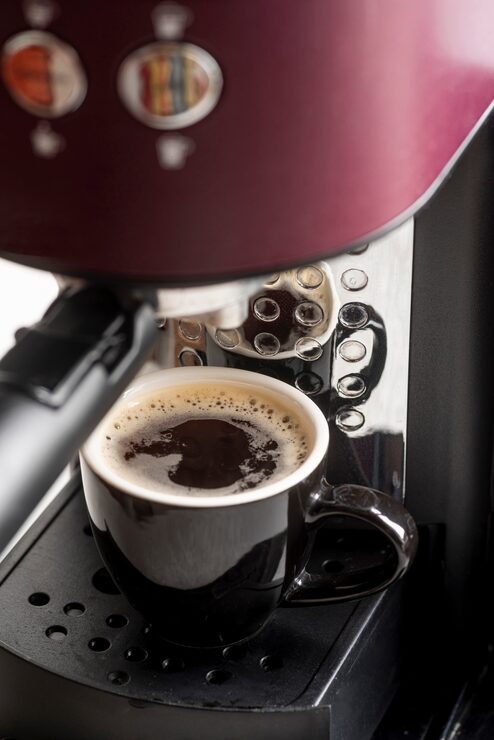
In practice, there is almost no difference in the cup between a 15 bar and 20 bar espresso machine. Both ratings describe maximum blocked-pump output, and both will regulate down to roughly 9 bar for actual brewing.
| Metric | 15 Bar Machine | 20 Bar Machine |
|---|---|---|
| Peak pump output | 15 bar | 20 bar |
| Actual brew pressure | ~9 bar (regulated by OPV) | ~9 bar (regulated by OPV) |
| Shot flavor difference | Minimal to none | Minimal to none |
| Practical benefit | Sufficient for standard home circuits | Extra headroom for steam or advanced features |
A higher pump rating can offer extra headroom for steam generation or future pressure features, but it does not produce better espresso on its own. The quality of the pressure regulation and stability matters far more than the top number on the box.
Why Pressure Stability Beats a Higher Bar Number
Consistent pressure throughout extraction is more important than a high maximum rating. A pump that spikes and dips causes uneven extraction: parts of the puck get over-extracted while others stay under-extracted, resulting in muddy, inconsistent flavor shot to shot. A machine that holds a steady 9 bar delivers even, predictable extraction every time.
Higher-end machines may also offer pressure profiling — gradually ramping pressure up to 9 bar and tapering near the end of the shot to shape extraction. This is a useful advanced feature, but most home users get excellent results from a flat, stable 9 bar profile.
Three Common Pressure Myths Debunked
- More bar = stronger coffee: No. Strength is determined by dose, grind size and brew ratio, not pressure.
- 20 bar is twice as good as 10 bar: No. Both regulate down to the same 9 bar brew target.
- The number on the box is the brewing pressure: No. It is always the pump’s maximum zero-flow rating.
How to Shop for an Espresso Machine
Instead of chasing the highest bar number, evaluate these features for real-world performance:
- Confirmed brew pressure spec: Look for a listed brewing pressure (not just pump pressure) in the product details.
- Over-pressure valve (OPV): Ensures consistent, regulated pressure and protects internal components.
- Pressure gauge: Shows live group head pressure so you can confirm actual brewing performance.
- Stable pump design: A pump that holds steady pressure under flow produces more repeatable shots.
Remember: grind size, dose and tamping technique have a bigger impact on shot quality than the pump’s maximum bar rating. Even the highest-rated pump will not fix a poorly prepared puck.
FAQ
Is 9 bar enough for good espresso?
Yes. 9 bar is the longstanding industry standard for balanced espresso extraction. It pushes water through a well-prepared puck in 25–30 seconds for even flavor. Higher pump ratings do not improve the cup, because brewing pressure still regulates down to roughly 9 bar at the group head.
Why do espresso machines say 15 or 20 bar on the box?
That figure is the pump’s maximum pressure at zero flow, with the circuit fully blocked. It describes pump capability, not brewing force. An over-pressure valve bleeds off the excess, so actual brewing pressure stays around 9 bar.
Does a higher bar rating make stronger coffee?
No. Coffee strength is determined by dose, grind size and brew ratio, not pump pressure. Both 15 bar and 20 bar machines regulate down to the same brew target, so there is no strength difference between them.
How many bars of pressure do you need for espresso?
About 9 bar measured at the group head is the standard. Machines may generate much higher pressure inside the pump, but only around 9 bar reaches the coffee during a normal shot.
What should buyers check instead of the bar number?
Look for an over-pressure valve, a group head pressure gauge, and a spec sheet that lists brewing pressure separately from pump pressure. Grind quality, dose and pressure stability all matter more than the headline pump rating.