Yes, but not all portable espresso machines heat water themselves. Some models use pre-heated water, while self-heating models warm cold water inside the machine.
Hot-water models are usually lighter and simpler because they have no heating element or battery. Self-heating models offer greater convenience because they combine water heating and espresso brewing in one device.
Key Takeaways
- For espresso, keeping the brewing water around 92–96°C (197–205°F) helps support consistent extraction.
- Portable espresso machines fall into two main categories: hot-water models and self-heating models.
- Hot-water models require pre-heated water from a kettle, stove, or other heat source.
- Self-heating models use a built-in heating element and rechargeable battery to heat water internally.
- Hot-water models are generally lighter and simpler, while self-heating models offer greater convenience.
Does Water Temperature Affect Portable Espresso Quality?
Yes. Water temperature has a direct effect on espresso extraction.
The Ideal Brewing Temperature Range
A brewing temperature of approximately 92–96°C (197–205°F) is commonly used for espresso. However, the ideal setting can vary depending on the coffee beans, roast level, grind size, and brewing method.
Hot-water machines require users to control this temperature before brewing. A thermometer can help improve consistency.
Self-heating machines usually control the temperature automatically, reducing one variable from the brewing process. This can make them easier to use, especially for beginners.
Why Temperature Matters
If the water is too cool, extraction may be insufficient, producing a thin or sour-tasting shot. Higher temperatures generally increase extraction, but simply using hotter water does not always produce better coffee.
The goal is consistent extraction rather than maximum temperature. Portable espresso machines with stable temperature control can therefore offer an advantage when users want repeatable results.
How Portable Espresso Machines Heat Water
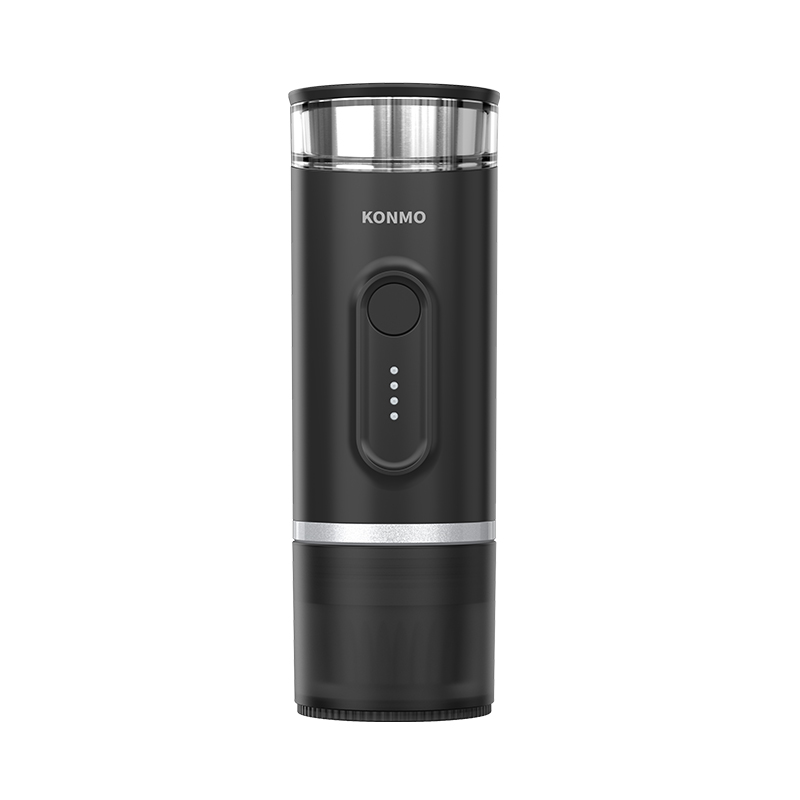
Portable espresso machines handle water heating in two main ways. Some require users to add hot water, while others heat the water inside the machine.
The difference is mainly determined by whether the machine has a built-in heating element. Manual portable espresso makers typically rely on an external heat source. Self-heating models combine a water reservoir, heating system, pressure mechanism, and battery in one unit.
Hot-Water Models Require Pre-Heated Water
Hot-water portable espresso machines do not heat water internally. Users need to heat the water separately with a kettle, stove, or another suitable heat source before brewing.
This design keeps the machine relatively simple. Without a heating element, battery, or complex electrical components, hot-water models can be lighter and easier to carry. They are especially practical for camping and backpacking when users already have access to a stove or hot water.
Self-Heating Models Heat Water Internally
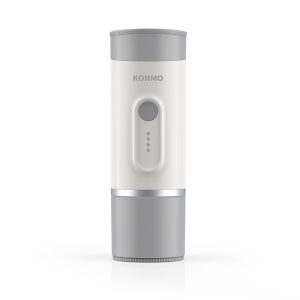
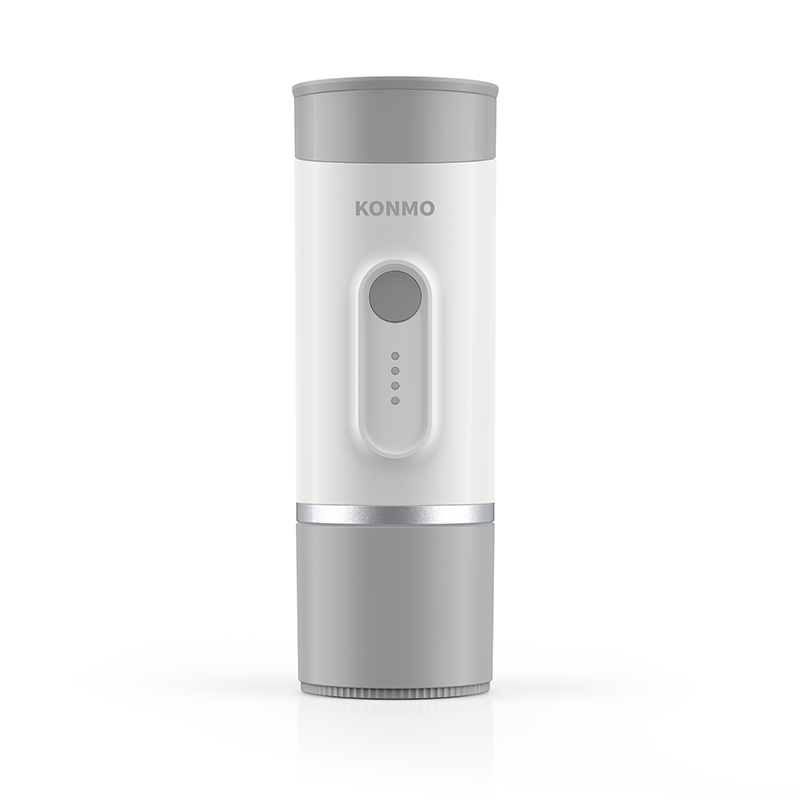
Self-heating portable espresso machines have a built-in heating element powered by a rechargeable battery. Users can add cold or room-temperature water, and the machine heats it before extraction.
This design reduces the amount of equipment users need to carry. There is no separate kettle or stove, making self-heating machines convenient for offices, hotels, road trips, and other places where an external heat source may not be available.
The trade-off is greater weight, higher cost, and the need to recharge the battery. Heating cold water also consumes significantly more energy than brewing with water that is already hot.
Hot-Water vs. Self-Heating Portable Espresso Machines
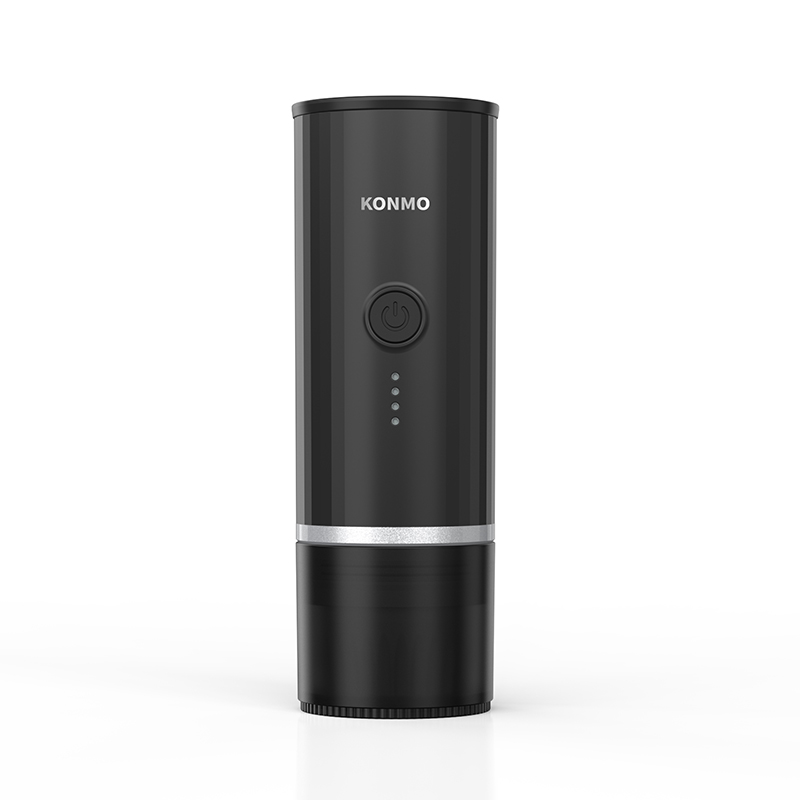
The two designs can produce good espresso, but they suit different situations.
Key Differences: Water Source, Heating, and Portability
| Feature | Hot-Water Models | Self-Heating Models |
|---|---|---|
| Water source | Pre-heated water | Cold or pre-heated water |
| Internal heating | No | Yes |
| External heat source | Required | Usually not required |
| Battery | No | Rechargeable battery |
| Weight | Generally lighter | Generally heavier |
| Setup | Simple, but requires hot water | More convenient, all-in-one |
| Temperature control | User controlled | Usually automatic |
| Best for | Camping, backpacking | Travel, office, road trips |
| Main drawback | Requires a kettle or stove | Requires charging |
Hot-water models are a good choice when low weight, simplicity, and reliability matter most. They are particularly useful for outdoor users who already carry a camping stove.
Self-heating models are better when convenience and independence from external heat sources are more important. They can be useful in offices, hotels, cars, and outdoor locations where boiling water is inconvenient.
Which Type Is Right for You?
Choose a hot-water portable espresso machine if you:
- Already carry a kettle or camping stove
- Want the lightest possible setup
- Do not want to worry about battery life
- Prefer simple mechanical operation
Choose a self-heating model if you:
- Want to brew with cold water
- Travel without access to a kettle
- Use the machine at work or in hotels
- Prefer automatic temperature control
- Want heating and brewing in one device
Neither design is universally better. The better choice depends on how and where you plan to use the machine.
FAQ
Do all portable espresso machines heat water?
No. Some portable espresso machines require pre-heated water, while self-heating models use an internal heating element to warm the water.
Can a portable espresso machine use cold water?
Yes, if it is designed for self-heating. These models can heat cold or room-temperature water internally before brewing. Manual hot-water models require water to be heated separately.
How long does a self-heating espresso machine take to heat water?
Heating time varies by model and depends on the starting water temperature, water volume, and heating power. Many portable self-heating machines take several minutes to heat cold water.
Are self-heating espresso machines better than manual models?
Not necessarily. Self-heating models offer greater convenience, while manual hot-water models are usually lighter, simpler, and do not require charging. The best option depends on how you plan to use the machine.
Can I use pre-heated water in a self-heating portable espresso machine?
Many self-heating models support pre-heated water, but users should check the manufacturer’s instructions. Starting with hot water can reduce heating time and battery consumption.
Which portable espresso machine is best for camping?
A hot-water manual model is often practical for camping and backpacking because it does not require a battery. If carrying a stove or kettle is inconvenient, a self-heating model can provide a more convenient alternative.