Yes, an espresso machine can make coffee that tastes richer, more concentrated, and more complex, but it does not automatically make better coffee. The result depends on the coffee beans, grinder, brewing settings, machine, and user’s technique.
Espresso machines are a good choice for people who enjoy strong, café-style coffee and espresso-based drinks. However, a drip coffee maker may be better for those who prefer larger cups and simpler brewing. Understanding what affects espresso quality can help you decide whether an espresso machine is right for you.
Key Takeaways
- Espresso machines can produce rich, concentrated coffee, but they do not guarantee better results.
- Coffee beans, grind size, dose, temperature, and extraction all affect espresso quality.
- Automatic machines make brewing easier and more consistent, while manual machines provide greater control.
- A more expensive machine does not necessarily produce better espresso.
- Espresso machines are best for people who enjoy concentrated coffee and espresso-based drinks.
What Makes Espresso Taste Better?
Espresso has a concentrated flavor and aroma that sets it apart from many other brewing methods. A small amount of water passes through finely ground coffee under pressure, producing a short, intense shot.
Flavor and Aroma of Espresso
The combination of finely ground coffee, pressure, and a relatively short extraction creates espresso’s distinctive flavor and aroma. A well-extracted shot can have balanced acidity, sweetness, bitterness, and a rich mouthfeel.
Crema can also affect the drinking experience. The layer of foam on top of an espresso shot contains coffee oils and aromatic compounds, contributing to its texture and aroma. While crema alone does not determine whether an espresso is good, it is part of the sensory experience many people associate with espresso.
Ultimately, whether espresso tastes “better” is subjective. People who prefer bold, concentrated flavors may enjoy espresso more than drip coffee, while others may prefer the smoother and lighter profile of a larger brewed coffee.
The Role of Brewing Pressure and Temperature
Pressure and temperature influence how quickly and evenly flavors are extracted from coffee grounds. Many espresso recipes target around 9 bars of brewing pressure, although the ideal setting can vary depending on the coffee, machine, and recipe.
Water temperature also needs to remain stable during brewing. If pressure or temperature is poorly controlled, the shot may taste weak, sour, bitter, or unbalanced. A good espresso machine helps maintain stable brewing conditions, which can make it easier to achieve consistent results.
Automatic vs. Manual Espresso Machines
Both automatic and manual espresso machines can produce good coffee. The main difference is how much of the brewing process the machine controls.
Automatic Machines for Consistent Results
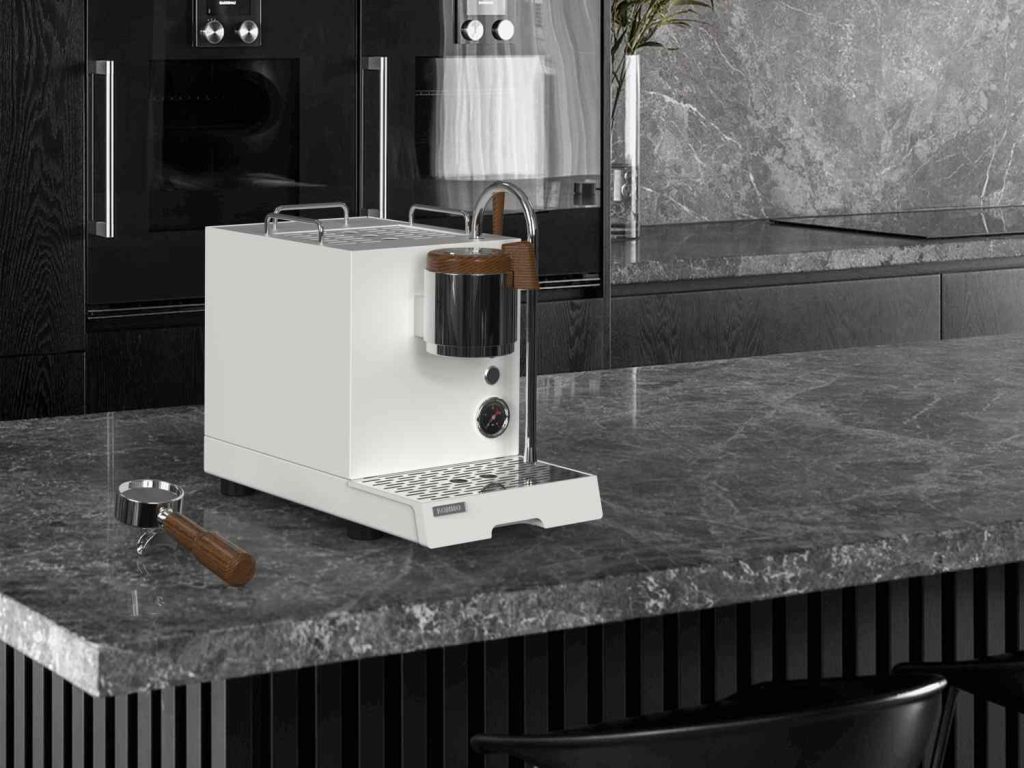
Automatic espresso machines simplify the brewing process by controlling many variables for the user. Depending on the model, they may automate grinding, dosing, water temperature, brewing time, and other settings.
This makes them convenient for beginners and busy coffee drinkers who want repeatable results without adjusting every variable for each shot.
The trade-off is less hands-on control. Although users can often adjust settings, automatic machines generally provide fewer opportunities to manually change the brewing process than traditional manual machines.
Manual Machines for More Control
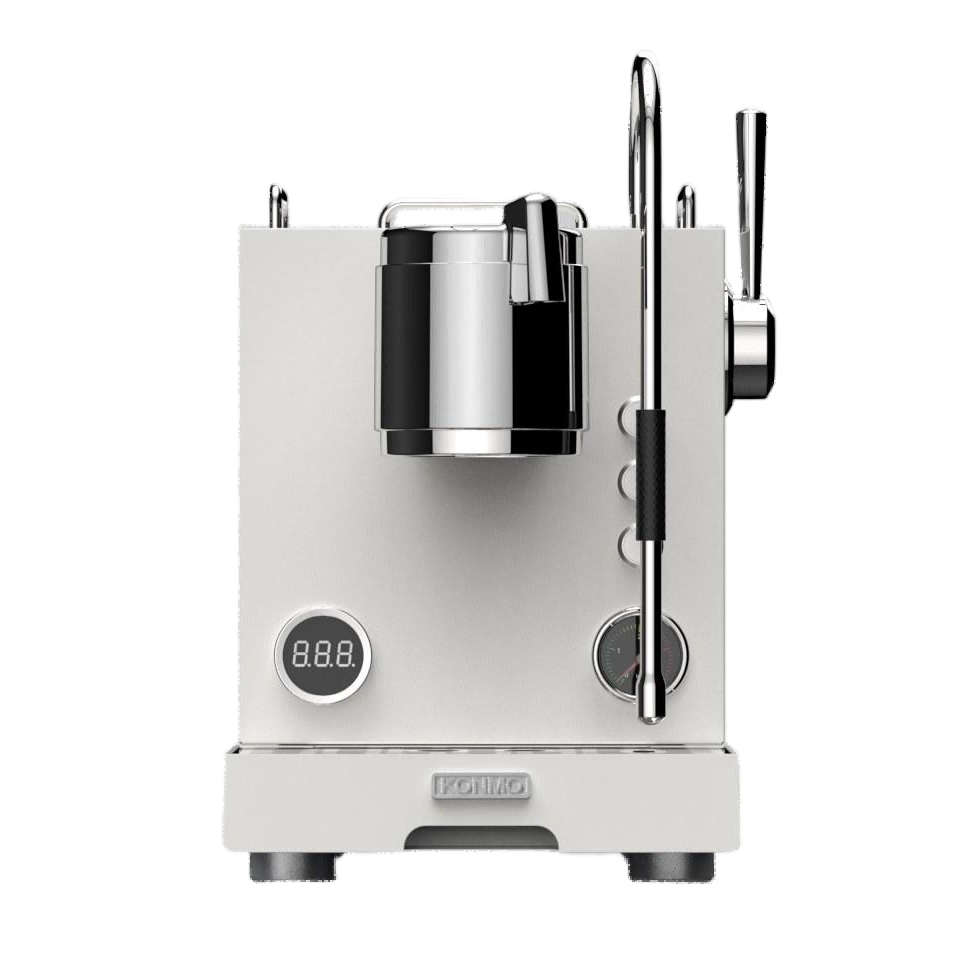
Manual espresso machines give users greater control over preparation and extraction. The user can adjust the grind, dose, tamping, and, on some machines, pressure or flow during extraction.
This makes manual brewing appealing to people who enjoy experimenting with different beans and recipes. With practice, users can fine-tune the brewing process to suit their taste.
The downside is the learning curve. Small changes in grind size, dose, or technique can noticeably change the final shot, so manual machines usually require more time and attention.
Is an Espresso Machine Right for You?
An espresso machine is not automatically better than every other coffee maker. It is better suited to certain preferences and brewing habits.
When an Espresso Machine Makes Sense
An espresso machine is a good choice if you:
- Prefer strong, concentrated coffee
- Enjoy espresso, cappuccino, latte, or other espresso-based drinks
- Want to experiment with different beans and brewing settings
- Enjoy the process of making coffee
- Want café-style espresso at home
Automatic models are especially convenient for people who want quick and repeatable results, while manual models suit coffee enthusiasts who enjoy greater control.
When a Drip Coffee Maker May Be Better
A drip coffee maker may be a better option if you prefer:
- Larger servings
- Smoother, less concentrated coffee
- Simple batch brewing
- Less preparation and cleanup
- Brewing several cups at once
For a household that drinks multiple cups of coffee throughout the day, a drip brewer can be more practical than preparing individual espresso shots.
The best choice therefore depends on what you mean by “better.” Espresso machines can produce excellent coffee, but they are not automatically superior to other brewing methods.
FAQ
How Does Espresso Differ From Regular Coffee?
Espresso is made by forcing hot water through finely ground coffee under pressure, producing a small and concentrated shot. Regular brewed coffee generally uses more water and a longer brewing process, resulting in a larger and less concentrated drink.
Does a More Expensive Machine Guarantee Better Espresso?
No. A more expensive machine may offer better temperature stability, construction, or control, but it cannot fix poor beans, an unsuitable grind, or inconsistent preparation. Coffee quality depends on the entire brewing process.
Can Beginners Make Good Espresso With an Espresso Machine?
Yes. Automatic machines can make the process easier by controlling many brewing variables. Manual machines require more practice, but beginners can improve their results by learning how grind size, dose, tamping, and extraction affect the shot.
Do Espresso Machines Need Regular Maintenance?
Yes. Regular cleaning and descaling help prevent coffee-oil buildup and mineral deposits that can affect flavor and machine performance. Maintenance requirements vary by machine, so users should follow the manufacturer’s recommendations.
What Matters More: The Machine or the Coffee Beans?
Both matter, but good equipment cannot compensate for poor-quality or stale beans. Fresh beans, a suitable grinder, and proper brewing technique are essential for producing good espresso.