Commercial coffee machines have become part of the modern business environment rather than simply an office convenience. From corporate offices and client meeting rooms to cafés, hotels, and self-service beverage stations, businesses increasingly rely on professional coffee equipment to improve workplace experience and customer satisfaction.
Because of this, many business owners ask an important question: can a coffee machine qualify as a legitimate business expense?
In many cases, the answer is yes — especially when the coffee machine is purchased primarily for business operations, employee use, or customer hospitality. A commercial coffee machine used in offices, hospitality spaces, cafés, or waiting areas may support daily workflow while also contributing to a more professional business environment.
Compared with residential coffee makers, commercial coffee machines are built for higher daily usage, faster beverage preparation, and more consistent brewing performance. For businesses that regularly serve employees, guests, or customers, investing in professional coffee equipment is often considered part of operational infrastructure rather than a personal luxury.
As a professional coffee machine manufacturer and supplier, KONMO provides commercial coffee machine solutions for offices, cafés, hotels, capsule beverage systems, and self-service coffee environments. Understanding how coffee machines fit into modern business operations can also help companies choose equipment that better supports long-term commercial needs.
Key Takeaways
- A coffee machine may qualify as a business expense when it is primarily used for employee service, customer hospitality, or workplace operations.
- Commercial coffee machines are generally more suitable for business environments because they are designed for continuous usage, higher beverage output, and stable brewing performance.
- Proper documentation — including invoices, payment records, maintenance history, and installation information — is important when claiming coffee machine business expenses.
- Different business environments require different commercial coffee machine solutions, from capsule systems for offices to espresso machines for cafés and hospitality projects.
- Investing in professional coffee equipment can improve workplace experience, customer perception, and operational workflow efficiency.
- Choosing reliable commercial coffee machines helps businesses maintain beverage consistency, reduce downtime, and support long-term operational stability.
Coffee Machine Business Expense Rules
Business vs. Personal Coffee Machine Use
One of the most important factors when claiming a coffee machine as a business expense is whether the equipment is primarily used for commercial purposes rather than personal convenience.
In general, business-related equipment should directly support workplace operations, employee productivity, customer service, or hospitality activities. A coffee machine installed in an office pantry, reception area, café, showroom, or meeting room is usually easier to justify as a business expense than a standard household machine used casually at home.
For businesses operating from a home office, separating personal and business usage becomes especially important. If a coffee machine is shared between daily personal use and work activities, documentation may be necessary to demonstrate that the equipment mainly supports business operations.
Commercial coffee machines are often more suitable for professional environments because they are specifically designed for higher-frequency use. Features such as larger water capacity, continuous brewing capability, stronger internal components, and stable extraction systems clearly distinguish commercial equipment from residential coffee makers.
Businesses commonly use commercial coffee machines for:
- Employee coffee stations
- Client hospitality and meetings
- Hotel guest service
- Self-service beverage areas
- Café and bakery operations
- Office reception spaces
Choosing equipment that aligns with actual business activities can also help strengthen the commercial purpose behind the purchase.
Office Coffee Machines for Employees and Clients
In many modern workplaces, coffee service has become part of the overall employee and customer experience. Providing high-quality coffee in the office is no longer viewed simply as an extra benefit — it often contributes to workplace culture, client perception, and daily operational efficiency.
For employees, accessible coffee stations create convenient break areas that encourage communication and short mental resets during busy workdays. In customer-facing environments, offering professionally prepared coffee can help businesses create a more welcoming and service-oriented atmosphere during meetings or waiting periods.
Commercial coffee machines are widely used in:
- Corporate offices
- Co-working spaces
- Reception and waiting areas
- Hotel lounges and breakfast areas
- Retail beverage corners
- Conference rooms and showrooms
Compared with small residential machines, commercial coffee equipment is better suited for shared business environments because it supports faster drink preparation, more stable brewing performance, and longer operating hours.
Many businesses also choose capsule coffee machines for offices because they simplify beverage preparation while maintaining consistent drink quality. One-touch operation, easier cleaning workflows, and minimal staff training requirements make capsule systems especially practical for workplace environments.
For growing businesses, investing in a reliable commercial coffee machine can improve both operational workflow and overall workplace presentation.
Coffee Machine Tax Deduction and IRS Guidelines
Whether a coffee machine qualifies as a business expense often depends on how the equipment is used and how well the purchase is documented.
Businesses should maintain records showing that the coffee machine directly supports commercial activities such as employee use, client hospitality, or workplace beverage service. Proper documentation can help strengthen accounting records and reduce potential compliance issues.
Useful records may include:
- Supplier invoices and receipts
- Business payment confirmations
- Product specifications
- Installation photos
- Maintenance and service records
- Office or commercial usage documentation
For higher-value commercial espresso machines, businesses may sometimes need to classify the equipment as a long-term business asset rather than a short-term office supply expense. Depending on accounting practices and local tax regulations, depreciation rules may apply.
Commercial coffee machines are often easier to justify in professional environments because they are designed specifically for continuous workplace or hospitality use rather than personal household consumption.
For businesses planning larger coffee equipment investments, consulting a qualified accountant or tax advisor is recommended to ensure compliance with local business expense regulations.
How to Claim a Coffee Machine for Business
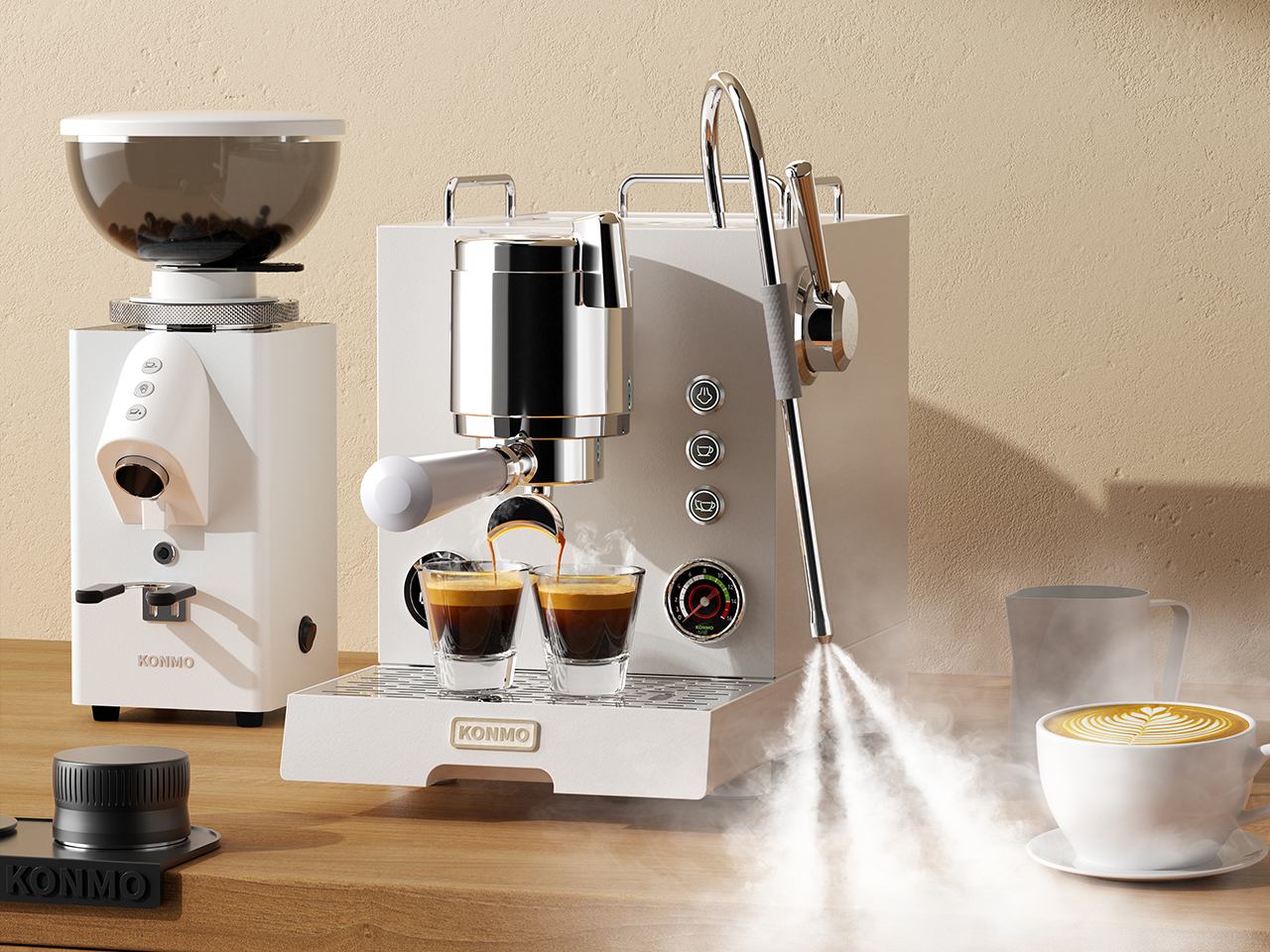
Choosing the Right Commercial Coffee Machine
Selecting the right commercial coffee machine depends on how the equipment will be used within your business environment. Different workplaces require different brewing capacity, workflow efficiency, beverage options, and maintenance requirements.
For example, a small office may prioritize convenience and ease of use, while cafés, hotels, and hospitality businesses often require higher output and more advanced espresso capabilities.
Before purchasing a commercial coffee machine, businesses should evaluate:
- Daily beverage volume
- Number of employees or customers served
- Available installation space
- Water supply and electrical setup
- Beverage menu requirements
- Cleaning and maintenance workload
- Staff training requirements
Compared with residential coffee makers, commercial coffee machines are designed for continuous daily operation and higher brewing consistency. Features such as larger boilers, stable pressure systems, faster heating capability, and commercial-grade internal components make them more suitable for professional environments.
Different commercial coffee machine types are commonly used for different applications:
| Coffee Machine Type | Common Business Applications |
|---|---|
| Commercial Espresso Machines | Cafés, bakeries, restaurants, hotels |
| Capsule Coffee Machines | Offices, meeting rooms, showrooms |
| Automatic Coffee Machines | Self-service beverage stations |
| Portable Coffee Makers | Mobile catering and outdoor events |
KONMO provides commercial coffee machine solutions across multiple business scenarios, including offices, hospitality projects, cafés, and capsule coffee applications. Choosing equipment based on real operational needs can help businesses improve efficiency while controlling long-term maintenance costs.
Keeping Coffee Machine Receipts and Records
Good documentation is one of the most important parts of properly claiming business equipment expenses.
Businesses should organize and store all purchase-related records connected to their commercial coffee machine investment. Clear documentation helps separate business expenses from personal spending while also simplifying accounting and tax reporting.
Important records may include:
- Original invoices and receipts
- Supplier and manufacturer information
- Product specifications and model details
- Business payment statements
- Installation and maintenance records
- Warranty documentation
- Internal usage records if necessary
Using dedicated business payment accounts or corporate credit cards can also help create cleaner financial records.
For businesses managing multiple workplace locations, keeping organized equipment records becomes even more important for tracking maintenance schedules, replacement planning, and operational costs over time.
Commercial coffee machines used in offices, cafés, or hospitality spaces may also require regular servicing and cleaning records, especially in higher-volume environments.
Coffee Machine Expense vs. Depreciation
Whether a coffee machine can be immediately expensed or must be depreciated often depends on the equipment value, accounting method, and local tax regulations.
Smaller office coffee machines with lower purchase costs are sometimes categorized as short-term business expenses. However, higher-value commercial espresso machines and professional beverage systems are more commonly treated as long-term business assets.
Commercial coffee equipment often qualifies as a capital investment because it is designed for:
- Long-term operational use
- Continuous commercial performance
- Higher daily output
- Professional workplace installation
- Multi-year service life
For cafés, hotels, and larger office projects, commercial coffee machines are frequently depreciated over multiple years as part of standard business equipment accounting.
Businesses should also consider long-term operational costs beyond the initial machine purchase, including:
- Water filtration systems
- Cleaning products
- Maintenance and servicing
- Replacement parts
- Coffee capsule or bean supply
- Staff training and workflow management
Choosing reliable commercial coffee equipment from an experienced supplier can help reduce downtime, improve beverage consistency, and support long-term operational stability.
Because accounting treatment varies by country and business structure, businesses should consult qualified accounting professionals before finalizing large commercial coffee machine purchases.
Common Coffee Machine Tax Deduction Mistakes
Mixing Personal and Business Coffee Machine Use
One of the most common mistakes businesses make is failing to clearly separate personal and commercial coffee machine usage.
This issue is especially common in home office environments or small businesses where the same equipment may occasionally be used for both work and personal purposes. When business and personal usage overlap, it becomes more difficult to justify the full purchase as a legitimate commercial expense.
For example, problems may arise when businesses:
- Use the same coffee machine for home and office activities
- Claim full deductions for partially personal equipment
- Install commercial equipment in non-business living spaces
- Fail to document workplace-related usage
To reduce compliance risks, businesses should keep clear operational boundaries between personal and professional use whenever possible.
Commercial coffee machines installed in dedicated workplaces — such as offices, cafés, meeting rooms, hotels, or reception areas — are generally easier to justify because the business purpose is more obvious.
Businesses can also strengthen documentation by keeping the following:
- Installation photos
- Office layout records
- Business usage logs
- Employee or customer service records
- Maintenance schedules
Proper documentation not only supports accounting accuracy but also helps businesses maintain more organized equipment management overall.
Missing Coffee Machine Documentation
Even when a coffee machine is genuinely purchased for business operations, poor recordkeeping can create unnecessary accounting and compliance issues.
Many businesses overlook the importance of maintaining organized records after purchasing equipment. Missing invoices, unclear payment history, or incomplete installation documentation can make expense reporting more complicated later.
Important records businesses should keep include:
- Original supplier invoices
- Product specifications
- Business payment confirmations
- Warranty documents
- Maintenance and repair records
- Internal asset tracking information
For businesses operating multiple commercial coffee machines across offices or hospitality locations, organized documentation also helps simplify maintenance planning and equipment management.
Commercial coffee machines often require routine servicing, cleaning, and component replacement to maintain stable brewing performance. Keeping these service records organized can support both operational efficiency and financial reporting.
Digital storage systems are commonly used to help businesses organize invoices, manuals, maintenance schedules, and supplier information more efficiently.
Overclaiming Coffee Machine Business Expenses
Another common mistake is overstating coffee machine expenses beyond their actual business purpose.
Businesses should only claim expenses that are directly connected to legitimate commercial activities. Attempting to classify clearly personal purchases as fully business-related can increase accounting risks and create unnecessary complications.
This issue often appears when businesses:
- Claim luxury residential coffee machines as commercial equipment
- Deduct 100% of mixed-use equipment costs
- Ignore depreciation rules for higher-value machinery
- Fail to separate office and personal beverage expenses
Commercial coffee machines designed specifically for offices, cafés, hotels, and hospitality projects are usually easier to justify because they are built for professional operational environments.
Compared with residential coffee makers, commercial coffee equipment typically offers:
| Commercial Coffee Machine Features | Business Advantages |
|---|---|
| Higher Brewing Capacity | Supports multiple users daily |
| Durable Internal Components | Designed for continuous operation |
| Faster Beverage Preparation | Improves workflow efficiency |
| Stable Brewing Performance | Maintains drink consistency |
| Professional Installation | Better suited for workplace environments |
Choosing equipment that clearly matches actual business operations helps businesses avoid unnecessary compliance concerns while improving long-term operational reliability.
For larger coffee equipment investments, businesses should always consult accounting professionals before finalizing expense classifications or depreciation treatment.
Best Coffee Machine Types for Business Use
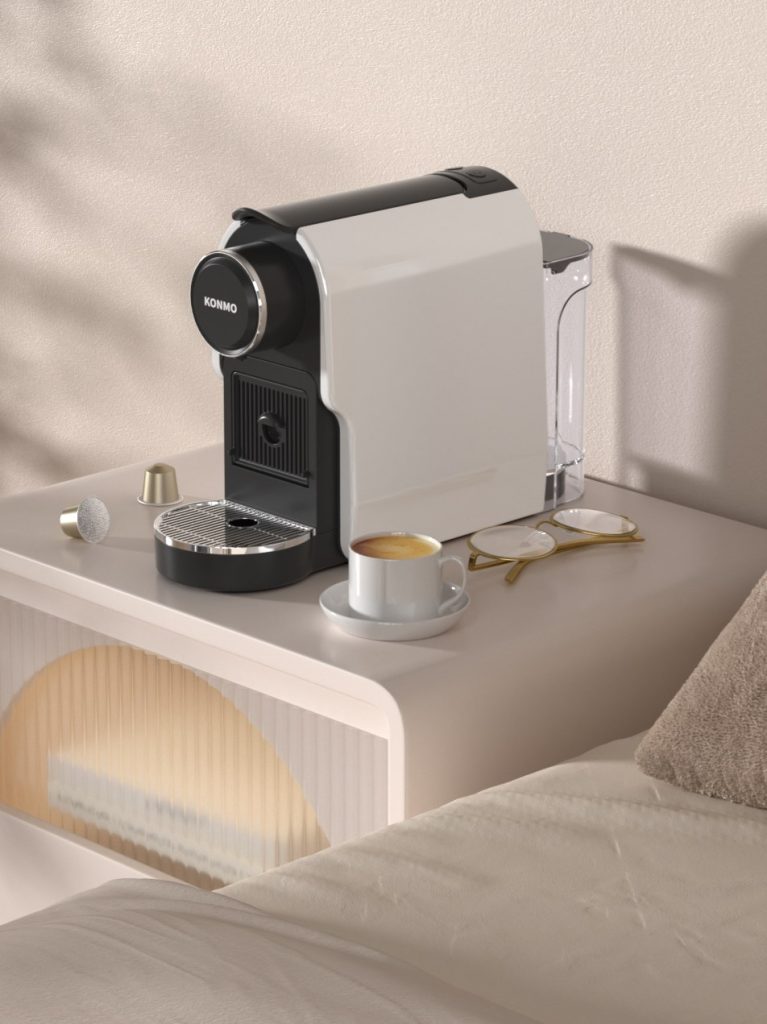
Office Coffee Machines for Small Businesses
Small businesses often need coffee solutions that balance convenience, reliability, and operational simplicity. In office environments, the ideal commercial coffee machine should be easy for employees to use while also maintaining consistent beverage quality throughout the workday.
Compared with household coffee makers, commercial office coffee machines are designed to support multiple users, faster brewing cycles, and longer operating hours. This becomes especially important in shared office environments where beverage demand increases during meetings, breaks, and busy working periods.
Many small businesses prioritize features such as:
- One-touch brewing operation
- Fast beverage preparation
- Compact installation size
- Easy cleaning workflow
- Stable brewing consistency
- Minimal staff training requirements
Capsule coffee machines are especially popular in office environments because they simplify daily beverage preparation while offering multiple coffee options for employees and guests.
Common office applications include:
- Reception areas
- Employee break rooms
- Meeting rooms
- Co-working spaces
- Executive offices
- Client waiting areas
For growing businesses, investing in a professional commercial coffee machine can help create a more organized and premium workplace environment while improving employee experience at the same time.
Commercial Coffee Machines for Cafés and Hospitality
Cafés, bakeries, restaurants, and hotels require commercial coffee machines capable of handling continuous beverage production while maintaining stable drink quality during peak operating hours.
In hospitality environments, coffee quality directly affects customer experience. Businesses therefore prioritize equipment that delivers consistent espresso extraction, reliable steam performance, and efficient workflow for staff.
Professional commercial espresso machines are commonly selected for their ability to support:
- High daily beverage output
- Continuous brewing performance
- Stable extraction pressure
- Faster milk frothing workflow
- Consistent beverage quality
- Multi-drink menu preparation
Hotels and hospitality businesses also increasingly install commercial coffee machines in:
- Breakfast service areas
- Hotel lounges
- Conference rooms
- Self-service beverage stations
- VIP guest spaces
- Restaurant beverage counters
Compared with smaller consumer equipment, commercial espresso systems are built for higher durability and long-term operational stability in demanding service environments.
For hospitality projects, choosing reliable commercial coffee equipment can help businesses improve service efficiency while maintaining a more professional customer experience.
Capsule Coffee Machines for Workplace Convenience
Capsule coffee machines have become increasingly common in modern workplaces because they combine operational simplicity with consistent beverage preparation.
For offices, showrooms, and self-service environments, capsule systems offer a practical solution that minimizes training requirements while maintaining a cleaner workflow compared with traditional espresso equipment.
Businesses often choose commercial capsule coffee machines because they provide:
- One-touch drink preparation
- Faster brewing speed
- Easy maintenance and cleaning
- Consistent coffee flavor
- Compact installation requirements
- Multiple beverage capsule options
In shared office environments, capsule systems also help reduce operational complexity because employees can prepare drinks independently without specialized barista knowledge.
Commercial capsule coffee machines are commonly used in:
- Corporate offices
- Meeting rooms
- Hotel guest rooms
- Reception areas
- Retail stores
- Showrooms and waiting spaces
As workplace coffee culture continues to evolve, many businesses now view commercial coffee stations as part of overall workplace design and employee experience strategy.
KONMO provides capsule coffee machine solutions designed for professional commercial applications, helping businesses create efficient and user-friendly beverage environments across different operational scenarios.
Why Businesses Invest in a Coffee Machine
Improving Workplace Experience
Modern workplaces increasingly view coffee service as part of the overall employee experience rather than simply an office convenience.
A professionally designed coffee station can help create a more comfortable and welcoming working environment, especially in offices where employees spend long hours throughout the day. Easy access to quality coffee often encourages short mental breaks, casual communication, and informal collaboration between team members.
In many offices, coffee areas naturally become shared social spaces where employees discuss projects, exchange ideas, and briefly reset during busy schedules. Businesses, therefore, invest in commercial coffee machines not only for beverage preparation but also to support workplace culture and daily workflow comfort.
Compared with residential coffee makers, commercial coffee machines are better suited for workplace environments because they can handle repeated usage while maintaining stable drink quality and faster preparation speed.
Many companies also choose premium commercial coffee equipment to strengthen workplace presentation, especially in modern offices designed around employee satisfaction and professional branding.
Creating a Better Client Waiting Area
For customer-facing businesses, beverage service is often part of the overall client experience.
Offering professionally brewed coffee in reception areas, meeting rooms, or waiting spaces can help businesses create a more welcoming and service-oriented atmosphere. Even small details such as beverage quality, machine appearance, and coffee presentation can influence how clients perceive a company’s professionalism.
Commercial coffee machines are commonly installed in:
- Reception areas
- Client meeting rooms
- Hotel lobbies
- Showrooms
- Sales offices
- VIP waiting spaces
Compared with standard household coffee makers, commercial coffee equipment usually provides a more premium appearance, faster drink preparation, and more consistent beverage quality for guest service environments.
For hotels, hospitality businesses, and premium office spaces, coffee service has increasingly become part of the broader customer experience strategy rather than simply an optional convenience.
Supporting Daily Staff Productivity
Easy access to coffee can also support workplace efficiency throughout the day.
In many business environments, employees rely on quick coffee breaks to maintain focus during meetings, operational tasks, or long working periods. Installing a commercial coffee machine inside the workplace reduces the need for employees to leave the office for beverages, helping businesses maintain smoother workflow and time management.
Commercial coffee machines designed for professional environments typically offer:
| Commercial Coffee Machine Features | Operational Benefits |
|---|---|
| Fast Brewing Speed | Reduces waiting time during busy hours |
| Stable Beverage Quality | Improves consistency for employees and guests |
| Large Water Capacity | Supports continuous workplace usage |
| Easy Cleaning Workflow | Reduces daily maintenance workload |
| One-Touch Operation | Simplifies employee usage |
For businesses with larger teams or frequent client interaction, reliable coffee equipment can become part of everyday operational infrastructure.
As commercial coffee culture continues growing across offices, hospitality projects, and self-service spaces, many businesses now view professional coffee machines as long-term workplace investments that support both operational efficiency and overall business presentation.
For modern businesses, coffee machines are no longer limited to simple office convenience. Across offices, cafés, hotels, showrooms, and hospitality environments, commercial coffee machines have become part of workplace culture, customer service, and operational efficiency.
When properly connected to legitimate business activities, coffee machines may qualify as valid business expenses in many situations. However, businesses should focus not only on tax considerations but also on selecting equipment that genuinely supports long-term operational needs and workplace performance.
As a professional coffee machine manufacturer and supplier, KONMO provides commercial coffee machine solutions for offices, cafés, hospitality projects, capsule beverage systems, and self-service coffee environments. Choosing the right commercial coffee machine can help businesses improve workflow efficiency, beverage consistency, and overall workplace experience while supporting future business growth.
FAQ
Can I deduct a commercial coffee machine for my business?
In many cases, yes. A commercial coffee machine may qualify as a business expense when it is primarily used for workplace operations, employee beverage service, client hospitality, or commercial food and beverage activities.
Businesses commonly install commercial coffee machines in offices, cafés, hotels, meeting rooms, reception areas, and self-service beverage stations. Proper documentation and legitimate business usage are important when claiming equipment-related expenses.
Is a commercial coffee machine better than a home coffee maker for business use?
Yes. Commercial coffee machines are specifically designed for professional environments with higher daily usage and more demanding operational requirements.
Compared with residential coffee makers, commercial coffee machines usually offer the following:
- Higher brewing capacity
- Faster beverage preparation
- Better durability
- More stable extraction performance
- Longer operational lifespan
- Easier workflow for shared environments
For offices, hospitality businesses, and cafés, commercial coffee equipment is generally more suitable for long-term daily operation.
Can offices use capsule coffee machines for employees?
Yes. Capsule coffee machines are widely used in offices because they simplify beverage preparation while maintaining consistent coffee quality.
Commercial capsule systems are especially practical for:
- Office coffee corners
- Meeting rooms
- Reception areas
- Co-working spaces
- Showrooms
- Waiting areas
One-touch operation and easier maintenance make capsule coffee machines a convenient solution for shared workplace environments.
Should a commercial coffee machine be depreciated?
In some cases, yes. Higher-value commercial coffee machines may need to be treated as long-term business assets rather than short-term office expenses.
Whether equipment should be depreciated depends on factors such as:
- Equipment cost
- Business structure
- Accounting method
- Local tax regulations
- Expected operational lifespan
Businesses should consult accounting professionals before finalizing large commercial coffee equipment purchases.
Why do businesses invest in commercial coffee machines?
Businesses invest in commercial coffee machines to improve workplace experience, support customer hospitality, and increase operational efficiency.
Professional coffee equipment can help businesses:
- Create a better workplace environment
- Improve customer perception
- Support employee satisfaction
- Maintain beverage consistency
- Improve workflow efficiency
- Reduce downtime during busy periods
For many modern businesses, coffee service has become part of overall workplace and customer experience strategy rather than simply an office convenience.