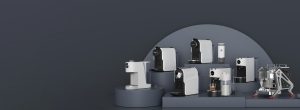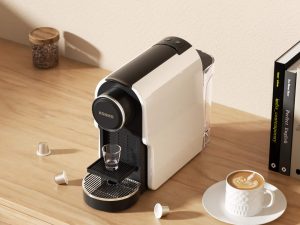
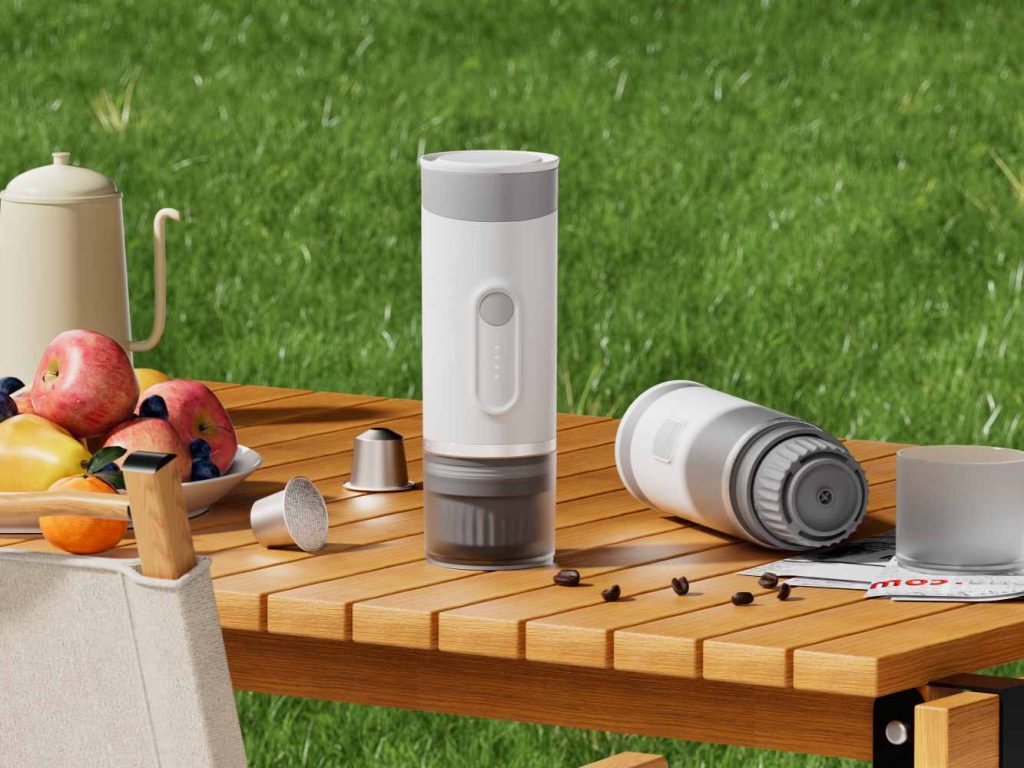
Portable coffee maker technology has made it easier than ever to enjoy fresh espresso and coffee without sacrificing convenience or flavor during travel. Whether for commuting, camping, business trips, or outdoor activities, modern portable coffee makers allow coffee lovers to brew almost anywhere. However, not every coffee type performs equally well in a portable brewing system. Grind size, roast level, coffee freshness, and brewing pressure all directly affect extraction quality and flavor balance. KONMO Explorer Series portable coffee makers are designed to support both capsules and ground coffee, helping users enjoy more flexible brewing experiences in compact travel-friendly designs.
Key Takeaways
- Pick the correct grind size for your portable coffee maker. Fine grind is best for espresso. Coarse grind can make coffee taste weak.
- Use fresh coffee beans and grind them right before brewing. This makes the flavor and smell better. You will enjoy your coffee more.
- Try different coffee types and brewing ratios. Change the coffee-to-water ratio to get the taste and strength you like.
Portable Coffee Maker Basics
What Makes a Portable Coffee Maker Different from Standard Coffee Machines
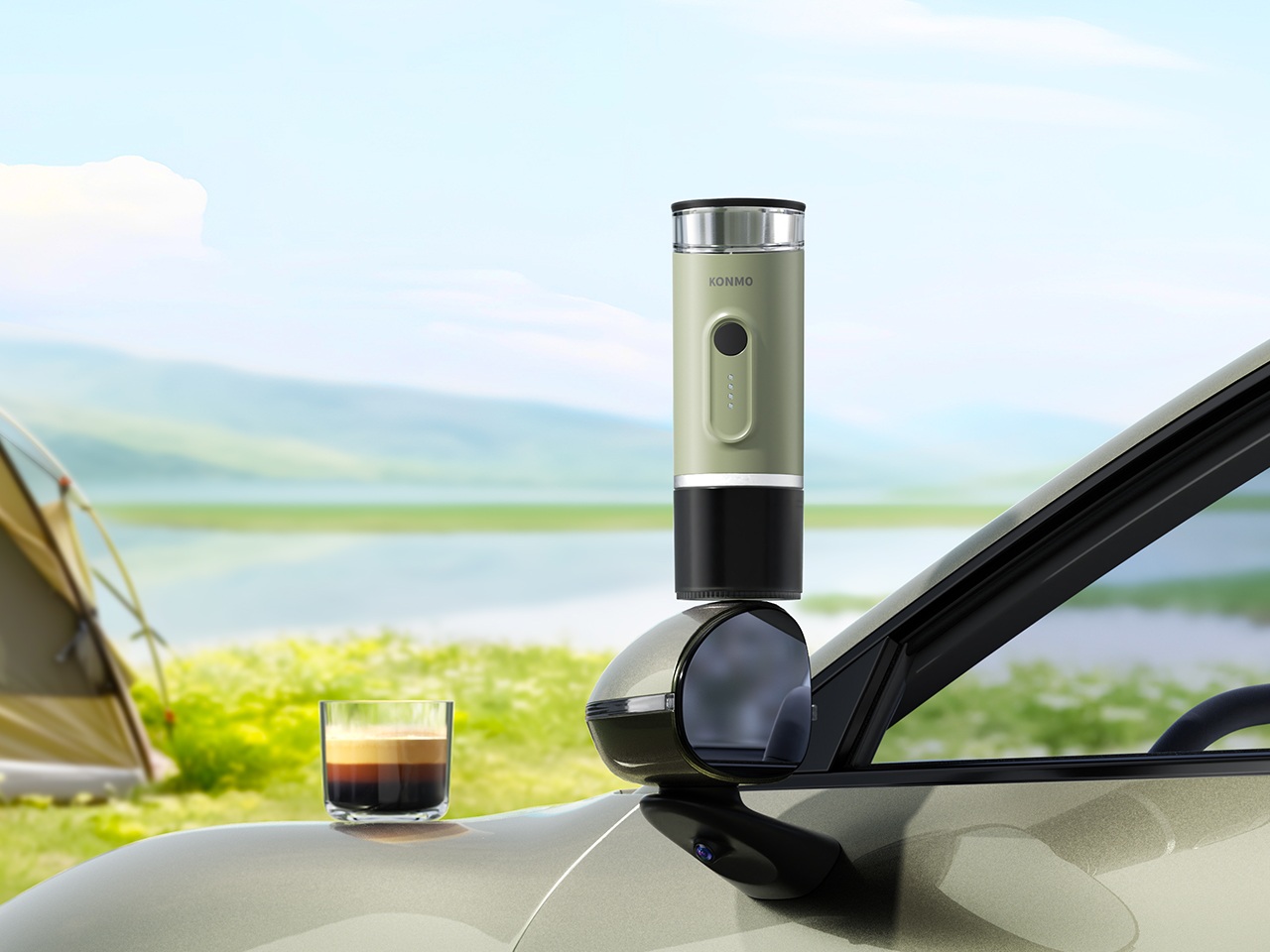
A portable coffee maker is designed for mobility, compact storage, and fast brewing outside traditional kitchen environments. Compared with countertop espresso machines that often weigh over 5–10 kg, most portable coffee makers weigh under 1 kg and fit easily into backpacks, travel bags, or car storage compartments. Many models use manual pressure systems or rechargeable battery heating to simplify outdoor brewing while maintaining stable extraction performance.
Portable Coffee Maker Brewing Systems: Capsule vs Ground Coffee
Most portable coffee maker systems support either capsules, ground coffee, or dual compatibility. Capsule systems are popular for convenience, consistent dosage, and easier cleaning. Ground coffee systems offer more flexibility in bean selection, roast preference, and flavor customization.
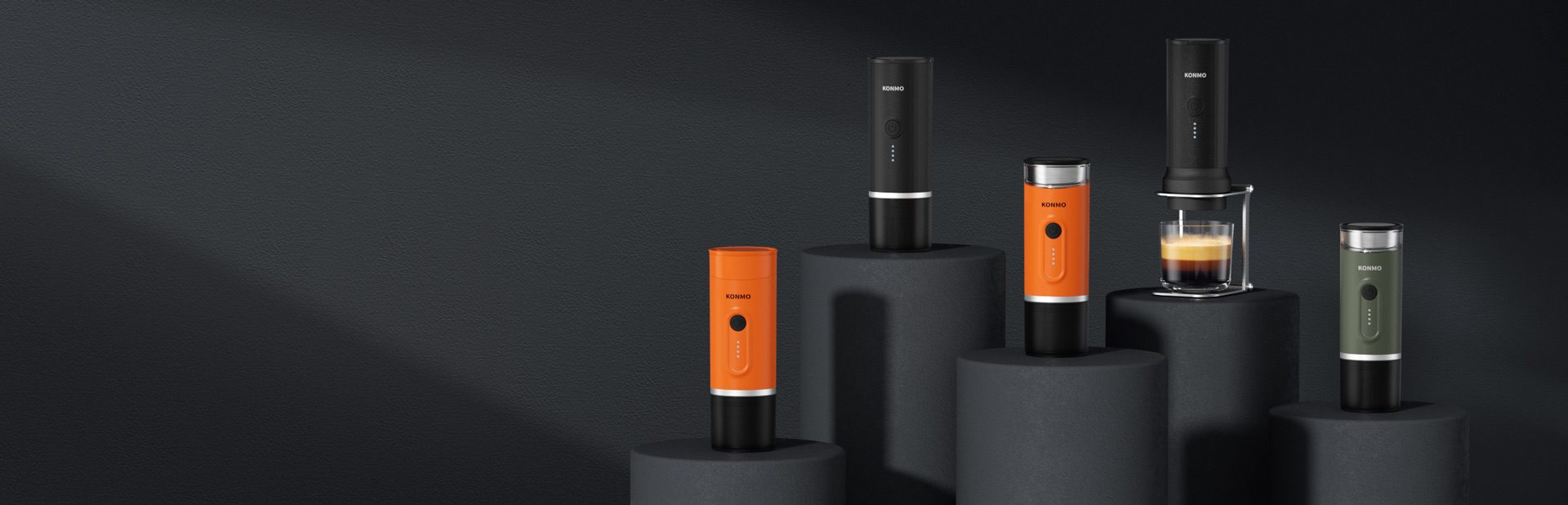
KONMO Explorer Series portable coffee makers support both capsule and ground coffee brewing, allowing users to switch between quick single-serve convenience and more personalized espresso extraction depending on travel conditions.
Portable Coffee Maker Compatibility and Coffee Type Limitations
Not every coffee type is suitable for a portable coffee maker. Instant coffee dissolves directly in water and does not require pressure extraction, so it is generally unnecessary for espresso-style portable brewers. Extremely coarse coffee grounds may also reduce extraction quality and produce weak coffee.
For best results, portable espresso makers typically perform best with:
- Fine espresso grind coffee
- Fresh medium or dark roast beans
- Compatible coffee capsules
- Low-moisture freshly ground coffee
Choosing the Right Coffee for a Portable Coffee Maker
Whole Bean, Pre-Ground, or Capsule Coffee for a Portable Coffee Maker
Whole bean coffee usually delivers the best flavor because grinding immediately before brewing preserves volatile aroma compounds and sweetness. Pre-ground coffee offers convenience but oxidizes faster after opening. Capsules remain popular because sealed packaging helps maintain freshness during travel.
For portable coffee maker users:
- Whole beans are ideal for maximum freshness
- Pre-ground coffee works well for short trips
- Capsules are best for convenience and easy cleanup
KONMO portable coffee makers are designed to support both capsule and ground coffee brewing for more flexible coffee preparation during travel, commuting, and outdoor use.
Why Grind Size Matters in a Portable Coffee Maker
Grind size is one of the biggest factors affecting extraction quality in a portable coffee maker. Espresso-style portable brewers require finer coffee grounds because pressure-based extraction happens quickly, usually within 20–30 seconds.
Incorrect grind sizes create common problems:
- Coarse grind → weak, watery coffee
- Overly fine grind → bitter or over-extracted coffee
- Uneven grind → inconsistent flavor
Most portable espresso coffee makers perform best with grind sizes similar to standard espresso machines. Using a burr grinder instead of blade grinders can improve consistency significantly.
Best Coffee Roast Levels for a Portable Coffee Maker
Different roast levels affect brewing behavior in portable coffee maker systems:
- Light roast: brighter acidity and fruit notes
- Medium roast: balanced sweetness and body
- Dark roast: stronger bitterness and heavier crema
Medium and dark roasts usually perform more consistently in portable espresso makers because they extract more easily under compact brewing conditions. Darker roasts also pair well with milk-based drinks during travel brewing.
Coffee Strength and Extraction Balance in a Portable Coffee Maker
Coffee strength mainly depends on coffee-to-water ratio. Many baristas recommend starting with a 1:15 ratio for balanced travel coffee, while espresso-style brewing often uses ratios closer to 1:2 or 1:3.
Common brewing references:
- Filter coffee: 1:15–1:17
- French press: 1:12–1:15
- Portable espresso: 1:2–1:3
Using digital scales or measured scoops can help maintain consistent brewing results across different environments.
How to Brew Better Coffee with a Portable Coffee Maker
Portable Coffee Maker Brewing Tips for Better Flavor
Small brewing adjustments can improve travel coffee quality noticeably:
- Grind coffee immediately before brewing
- Use filtered or bottled water when possible
- Preheat brewing chambers in cold environments
- Use fresh medium-dark roast beans
- Clean coffee residue after every use
Fresh coffee beans can lose aroma rapidly within 15–20 minutes after grinding, which is why grinding fresh remains important for portable espresso brewing.
Water Temperature and Brewing Pressure in a Portable Coffee Maker
Water temperature strongly affects extraction efficiency. Most coffee professionals recommend brewing between 90–96°C (195–205°F). Lower temperatures may under-extract coffee, while excessively high temperatures can increase bitterness.
Portable espresso coffee makers generally target around 9 bars of extraction pressure for proper crema formation and espresso concentration. KONMO Explorer Series portable coffee makers use compact pressure systems and rechargeable heating technology to support stable outdoor brewing performance.
Coffee-to-Water Ratio for a Portable Coffee Maker
Changing coffee dosage is the fastest way to customize flavor:
- More coffee → stronger body and richer taste
- More water → smoother and lighter profile
Portable coffee maker users often prefer slightly stronger extraction ratios during travel because outdoor environments and temperature changes can reduce flavor perception.
Portable Coffee Maker Travel Storage and Coffee Freshness Tips
Travel conditions can affect coffee freshness quickly. Moisture, heat, oxygen, and sunlight accelerate flavor degradation.
Helpful storage recommendations:
- Use airtight coffee containers
- Avoid storing coffee in hot vehicles
- Keep capsules sealed until brewing
- Clean water tanks daily
- Dry all brewing components before storage
KONMO portable coffee makers use BPA-free materials and simplified detachable structures to support easier cleaning and travel maintenance.
Common Portable Coffee Maker Problems and Solutions
Common Portable Coffee Maker Mistakes to Avoid
The most common portable coffee brewing mistakes include:
- Using stale coffee beans
- Incorrect grind size
- Poor water quality
- Overfilling coffee baskets
- Infrequent cleaning
Even small coffee oil residue buildup can noticeably affect espresso flavor after repeated use.
Why Portable Coffee Maker Coffee Sometimes Tastes Weak or Bitter
Weak coffee usually comes from:
- Coarse grind
- Low coffee dosage
- Low brewing temperature
Bitter coffee usually comes from:
- Overly fine grind
- Excessive extraction time
- Water temperature that is too high
Adjusting only one variable at a time helps users identify the exact issue more efficiently.
Cleaning and Maintenance Tips for a Portable Coffee Maker
Portable coffee makers should be rinsed after every brewing session. Deep cleaning every 2–4 weeks helps remove mineral deposits and coffee oils that reduce extraction quality.
Regular maintenance improves:
- Brewing consistency
- Pump performance
- Battery efficiency
- Coffee flavor stability
Getting the Best Experience from a Portable Coffee Maker
How to Choose the Right Portable Coffee Maker for Travel
Choosing the right portable coffee maker depends on travel habits and brewing preferences. Important factors include:
- Weight and portability
- Battery heating capability
- Capsule compatibility
- Brewing pressure
- Cleaning convenience
- Water tank capacity
Frequent travelers often prefer rechargeable self-heating models because they reduce dependence on external hot water sources.
Portable Coffee Maker Performance for Camping, Office, and Daily Commute
Portable coffee makers are increasingly used in:
- Camping and hiking
- Office desks
- Business travel
- Car commuting
- Hotel stays
- Outdoor events
Compact espresso systems provide a more consistent coffee experience compared with instant coffee packets or hotel coffee machines.
Getting the Most from Your Portable Coffee Maker
Users can improve portable brewing results by:
- Using freshly roasted beans
- Testing different extraction ratios
- Cleaning regularly
- Charging batteries fully before travel
- Matching roast levels with brewing style
Portable coffee brewing becomes much more consistent once grind size, dosage, and extraction timing are optimized together.
Is a Portable Coffee Maker Worth It for Everyday Coffee Use?
For many users, a portable coffee maker offers both convenience and long-term cost savings. Buying coffee daily from cafés can easily exceed $1,000–$1,500 annually, while portable brewing systems reduce ongoing beverage costs significantly.
KONMO Explorer Series portable coffee makers are designed for users seeking compact espresso solutions for commuting, travel, camping, and flexible daily coffee preparation.
You can use many different coffee types in a portable coffee maker, but brewing performance depends heavily on compatibility, grind size, freshness, and extraction settings. Fine espresso-grind coffee, medium-dark roasts, and fresh beans generally produce the most stable results in portable brewing systems. With the right coffee selection and brewing technique, portable coffee makers can deliver café-style coffee quality almost anywhere. KONMO portable coffee maker solutions combine compact portability, capsule compatibility, and flexible brewing options to support modern travel coffee lifestyles.
FAQ
Can you use regular ground coffee in a portable coffee maker?
Yes, most portable coffee makers can use regular ground coffee if the grind size matches the brewing system. Portable espresso coffee makers usually require a fine espresso grind for proper pressure extraction. Using overly coarse coffee grounds may produce weak coffee with less crema and lower flavor concentration.
KONMO Explorer Series portable coffee makers support both ground coffee and capsules, giving users more flexibility for travel brewing and outdoor coffee preparation.
Can a portable coffee maker make real espresso?
A high-quality portable coffee maker can produce espresso-style coffee when it reaches stable brewing pressure and temperature. Many portable espresso systems target around 9 bars of pressure, which helps create stronger extraction and crema similar to traditional espresso machines.
However, portable coffee makers usually use smaller brewing chambers and compact heating systems, so flavor intensity may vary slightly compared with large commercial espresso machines.
Is capsule coffee better for travel?
Capsule coffee is often more convenient for travel because:
- Pre-measured dosage improves consistency
- Sealed capsules maintain freshness longer
- Cleanup is faster
- Brewing requires less preparation
Ground coffee offers more flavor flexibility, but capsules are usually easier for commuting, hotel stays, and outdoor brewing situations.
How long does a portable coffee maker battery last?
Battery life depends on heating systems, brewing temperature, and cup volume. Most rechargeable portable coffee makers can brew multiple cups per charge. Self-heating espresso models typically support 3–5 hot brews or more depending on battery capacity and environmental temperature.
USB charging systems have become increasingly popular because they improve portability during travel and camping.
What is the best coffee roast for a portable coffee maker?
Medium and dark roast coffee generally perform best in portable espresso makers because they extract more easily under compact brewing pressure. Dark roasts also create thicker crema and a stronger body, which many users prefer for travel espresso brewing.
Light roasts can still work well, but they usually require more precise temperature control and grind adjustment.
How often should you clean a portable coffee maker?
For best performance:
- Rinse brewing components after every use
- Empty remaining water daily
- Deep clean every 2–4 weeks
- Descale regularly if using mineral-heavy water
Regular cleaning helps prevent bitterness, pressure loss, and residue buildup inside the brewing chamber.