Yes. Espresso machines need regular maintenance to keep coffee tasting good, maintain consistent brewing performance, and reduce unnecessary wear. Routine cleaning helps remove coffee oils, milk residue, and other buildup, while descaling helps control mineral deposits caused by hard water.
How often an espresso machine needs maintenance depends on the machine, water quality, and how frequently it is used. Simple cleaning can usually be done at home, while more complex service should follow the manufacturer’s recommendations.
Key Takeaways
- Coffee oils, milk residue, mineral scale, and worn seals can affect coffee quality and machine performance.
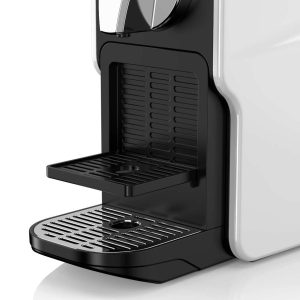
- Daily cleaning should focus on the steam wand, group head, portafilter, basket, and drip tray.
- Descaling frequency depends on water hardness, machine design, and usage.
- Slow flow, unusual tastes, leaks, weak steam, and unusual noises can indicate a maintenance issue.
- Following the espresso machine manufacturer‘s maintenance instructions helps extend its service life and prevent unnecessary repairs.
Why Espresso Machines Need Regular Maintenance
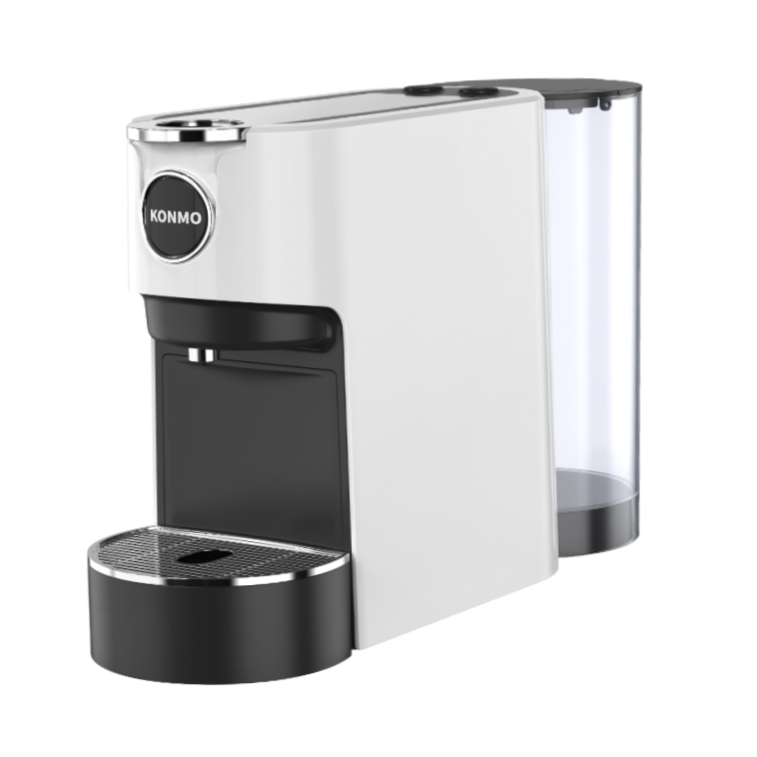
Coffee machines combine water, heat, pressure, and coffee oils, so buildup and normal wear are unavoidable over time. Regular maintenance helps keep these factors under control.
How Scale, Coffee Oils, and Wear Affect Your Machine
Mineral scale forms when dissolved minerals in water accumulate inside the machine. Over time, these deposits can affect internal water passages and heating components. Water quality plays an important role in how quickly scale develops.
Coffee oils and fine coffee particles are left behind after brewing. They can collect on the group head, shower screen, filter basket, and portafilter, making these areas important parts of a regular cleaning routine.
Some components also wear naturally through repeated use. Group gaskets, seals, and steam-wand parts are regularly exposed to heat, water, and mechanical movement, so they may eventually need cleaning, adjustment, or replacement.
How Poor Maintenance Affects Coffee Quality and Performance
The effects of poor maintenance are often noticeable during everyday use. Coffee may taste stale, bitter, or different from its usual flavor, while shots may become less consistent from one brew to the next.
You may also notice slower water flow, weaker steam, unusual noises, or water leaking around the group head. In some cases, the machine may take longer to heat or show warning indicators.
These symptoms do not always point to the same cause. Grind size, coffee dose, tamping, water quality, and machine settings can also affect brewing performance. If a problem continues after routine cleaning, check the manufacturer’s troubleshooting guidance or have the machine serviced.
How Often Does an Espresso Machine Need Maintenance?
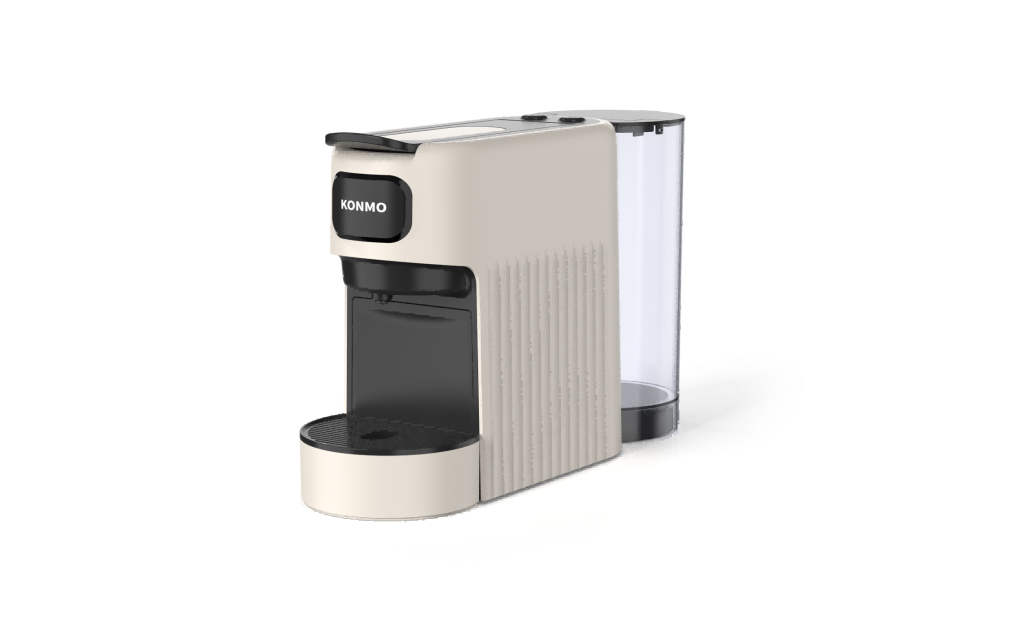
There is no single maintenance schedule that applies to every espresso machine. Usage, water hardness, machine design, and the manufacturer’s recommendations all affect the ideal frequency.
Daily and Weekly Cleaning
Some cleaning tasks should become part of your normal brewing routine.
| Frequency | Maintenance Task | Purpose |
|---|---|---|
| After each use | Wipe and purge the steam wand | Removes milk residue and helps prevent clogs |
| Daily | Rinse the group head | Removes loose coffee grounds and residue |
| Daily | Clean the portafilter and basket | Prevents coffee-oil buildup |
| Daily | Empty and clean the drip tray | Reduces residue and unpleasant odors |
| Regularly | Backflush as recommended | Removes coffee residue from the brewing system |
Steam-wand cleaning is especially important for anyone who regularly makes milk-based drinks. Wipe the wand immediately after steaming and purge it according to the machine’s instructions.
Backflushing is another important part of espresso machine care. It helps remove coffee oils and residue from the group head. The appropriate frequency and whether detergent should be used depend on the machine, so follow the manufacturer’s instructions rather than applying one schedule to every model.
Descaling and Periodic Maintenance
Descaling removes mineral deposits that accumulate inside the water system. The right frequency depends largely on water hardness and machine usage. Machines exposed to harder water generally require more frequent descaling than machines using lower-mineral water.
Follow the manufacturer’s recommended descaling interval and use a product that is approved for your specific machine. Different boilers and internal components may require different cleaning products.
Using filtered water can reduce mineral buildup and may extend the interval between descaling treatments, but it does not necessarily eliminate the need for descaling.
Some machines may also require periodic professional servicing. This can include checking the pump, heating system, seals, electrical components, and other internal parts. Professional service is particularly useful when the machine develops persistent performance problems or when the manufacturer recommends scheduled servicing.
Signs Your Espresso Machine Needs Maintenance
An espresso machine often shows signs of a problem before it stops working completely. Recognizing these changes early can help prevent a small maintenance issue from becoming a larger repair.
Slow Flow, Bad Taste, and Leaks
Changes in brewing performance are some of the easiest warning signs to notice.
| Warning Sign | Possible Cause |
|---|---|
| Slow or weak water flow | Scale, clogged screens, or brewing issues |
| Bitter or unusual taste | Coffee-oil buildup or extraction problems |
| Weak steam | Clogged steam wand or maintenance issue |
| Water leaking around the group head | Worn gasket or seal |
| Inconsistent temperature | Scale or heating-system problem |
| Sudden changes in shot performance | Clogged components or machine issues |
A slow shot does not always mean the machine needs descaling. Grind size, coffee dose, tamping, and a clogged basket can also restrict flow. Check the simple brewing variables first before assuming there is an internal machine problem.
Leaks around the group head are more likely to indicate a worn or damaged gasket. Replacing the gasket when necessary can restore the seal and prevent further leakage.
Unusual Noises, Warnings, and Visible Damage
Some changes are easier to identify by sound or appearance. A pump that suddenly becomes louder or changes its normal sound may indicate a water-supply, scale, or component problem.
Warning lights and error codes should also be taken seriously. Because their meanings vary between machines, check the manufacturer’s manual before attempting troubleshooting or repair.
Visible cracks, damaged portafilters, worn seals, loose components, or other physical damage are also reasons to inspect the machine. If cleaning and basic maintenance do not resolve the problem, professional service may be appropriate.
FAQ
How Often Should an Espresso Machine Be Professionally Serviced?
It depends on the machine and how frequently it is used. Some machines may require periodic professional servicing, while others mainly need service when a specific component wears out or a performance problem appears. Always follow the manufacturer’s service recommendations.
What Happens If You Skip Regular Cleaning?
Coffee oils, milk residue, and mineral deposits can accumulate over time. This buildup may cause unpleasant flavors, restricted water flow, weak steam, leaks, or inconsistent brewing performance. Long-term neglect can also increase wear on internal components.
Is Descaling Necessary for Every Espresso Machine?
Most machines that use water can develop mineral deposits, but the need and frequency of descaling vary. Water hardness, machine design, and filtration all affect how often descaling is needed. Follow the manufacturer’s recommendations for your machine.
How Do You Clean an Espresso Machine Steam Wand?
Wipe the steam wand immediately after every use and purge it according to the manufacturer’s instructions. If milk residue has dried inside the tip, remove and clean the tip as directed by the manufacturer.
Can Regular Maintenance Extend an Espresso Machine’s Life?
Regular maintenance can help reduce buildup, prevent avoidable wear, and keep the machine operating properly. However, the actual service life depends on the machine’s construction, usage, water quality, maintenance, and replacement of worn components.