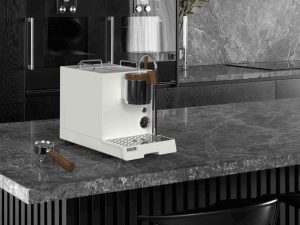
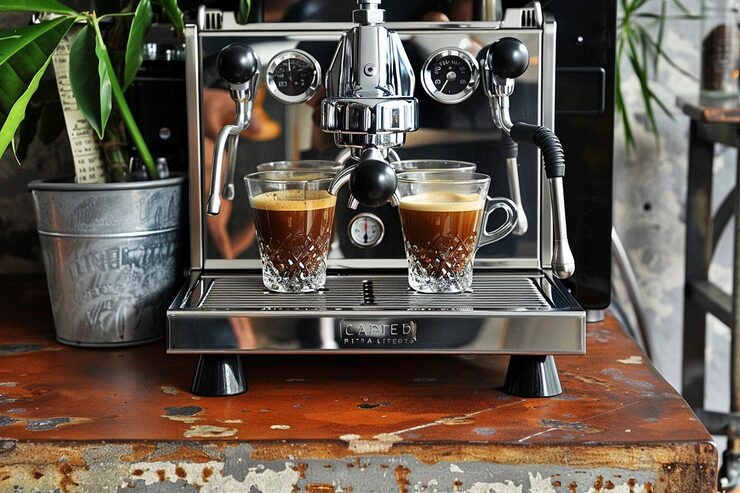
Disposing of an old espresso machine follows a clear hierarchy: repair, donate, or resell units that still work, and properly recycle broken units as e-waste. Espresso machines qualify as electronic waste, so they never belong in regular household trash — they require specialized handling to keep hazardous components out of landfills and recover valuable metals. The right path depends on the machine’s working condition, local regulations, and whether you want to recoup value.
Key Takeaways
- First test if the machine works: working units can be repaired, donated, or sold; broken units require proper e-waste recycling.
- Never put an espresso machine in regular trash — it is classified as e-waste and requires specialized handling.
- Clean, drain, and sort parts by material before disposal to simplify recycling and maximize material recovery.
- Check local e-waste rules and retailer/manufacturer take-back programs for free or low-cost disposal options.
- Reuse is always the most sustainable option: repair or donate working machines to keep them out of the waste stream entirely.
Step 1: Assess Your Machine’s Condition
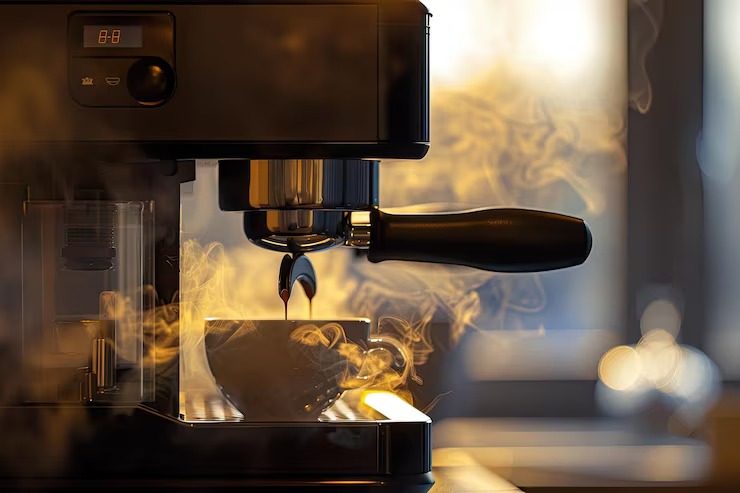
Start with a quick test to identify which disposal path fits best. Machines fall into three categories: working, repairable, or end-of-life.
Quick Functional Check
Rule out simple fixes before writing the machine off:
- Run the pump without a portafilter to test flow. Normal output points to grind/basket/dose issues, not machine failure.
- Prime the pump (run 15–20 seconds, pause 10 seconds, repeat 2–4 times) to clear airlocks.
- Check for error codes, gasket leaks, or burning smells to identify service issues.
Repair vs. Replace Decision
Repair makes sense when the issue is isolated and low-cost. A typical service call costs ~$59 (credited toward repairs), with total repair costs ranging from $489–$1,237. Replacement is more economical when multiple core components fail (heater, main board, brew unit housing) or water has damaged electronics.
| Sign | Indication |
|---|---|
| Repeated failures after repair | Underlying systemic issue |
| Repair cost near full machine value | No longer economical |
| Persistent leaks / electrical issues | Worn core components |
| Parts no longer available | End-of-service life |
One issue may be fixable; three or more typically points to replacement.
Step 2: If It Works: Repair, Donate, or Sell
Repair
If the coffee machine has a single isolated fault, professional repair is the most sustainable option, extending the machine’s lifespan by years. This is the lowest-waste outcome and avoids unnecessary e-waste.
Donate
A clean, working espresso machine can be donated to community organizations, where it will get a second life. Always confirm acceptance policies before dropping off.
| Organization | Donation Process | Condition Requirement |
|---|---|---|
| The Salvation Army | Schedule pickup via local thrift store | Good working order |
| St. Vincent de Paul | Arrange pickup or drop-off via local chapter | Good working order |
| Habitat for Humanity ReStores | Drop off at retail locations or contact via hotline | Good working order |
| Goodwill | Drop off at local stores (no home pickup) | Good working order |
Local shelters, transitional housing programs, and community kitchens also accept small working kitchen appliances.
Sell
A well-maintained used espresso machine can recoup some of your replacement cost. Follow these tips for a smooth sale:
- Price based on comparable market listings, not original cost.
- Deep clean the unit: backflush the group head, descale water lines, and clean all surfaces.
- Include clear photos of all angles, serial number, wear areas, and internal components.
- Disclose all flaws upfront, and list specs (brand, model, age, voltage, accessories).
- List on industry-focused platforms for more serious buyers, or general marketplaces for broader reach.
Machines with a single minor fault can also be sold for parts, as components like pumps, group heads, and gauges often have remaining usable life.
Step 3: If It’s Broken: Proper E-Waste Recycling

Espresso machines count as e-waste due to their electronics, heating elements, and metal components. They require specialized processing to recover valuable materials and keep hazardous substances out of soil and water.
Recycling Options
| Option | Details | Best For |
|---|---|---|
| Local county/city e-waste programs | Often free drop-off for residents; check accepted items ahead of time | Budget-friendly disposal for residents |
| Licensed e-waste recyclers / junk removal services | Pickup service available for a fee; properly sort and process materials | Full-service at-home disposal |
| Retailer / manufacturer take-back programs | Some brands/stores accept old units for recycling; terms vary widely | Simple, streamlined process |
Note: Best Buy only accepts pod-style coffee machines for free recycling; espresso machines are typically excluded. Always check current policies before visiting.
Safe Recycling Prep Steps
- Unplug the machine and let it cool completely.
- Drain all water from the boiler and reservoir; flush the group head to remove coffee residue.
- Remove all loose parts (carafe, drip tray, portafilter, filter basket).
- Wipe down exterior surfaces and coil the power cord securely.
- Sort separate parts by material (metal, plastic, glass) when possible to improve recycling efficiency.
Why Responsible Disposal Matters
The U.S. EPA estimates small appliances generated ~2.2 million tons of e-waste in 2018. Proper recycling keeps valuable metals (aluminum, steel, copper) in the supply chain, reduces the need for mining, and keeps hazardous components out of landfills and waterways.
E-waste rules vary by state: some require manufacturer take-back programs, some ban e-waste from landfills, and others rely on local collection events. Always confirm local regulations via your state environmental agency before disposal.
FAQ
Can an old espresso machine go in the regular trash?
No. Any machine with electronics, heating elements, or a power cord qualifies as e-waste, which is prohibited from regular household trash. Use a dedicated e-waste recycling program instead.
What should I do with a machine that no longer brews?
A broken machine still has usable parts (pumps, group heads, gauges), so selling for parts is an option. If no buyer is available, send it to a licensed e-waste recycler to recover metals.
Do retailers accept old coffee makers for recycling?
Some do, with limits. Best Buy recycles pod-only coffee machines for free, but does not accept espresso machines. Always check the retailer’s current policy first.
How should I prep a machine before drop-off?
Unplug and cool the unit fully. Flush the group head, descale water lines, and drain the boiler and reservoir. Coil the power cord, remove loose parts, and sort materials by type when possible.
Is selling a used espresso machine worth the effort?
Often yes. A deep clean, clear photos, and full specifications build buyer trust. Factor in shipping and handling costs when pricing to make sure the effort is worthwhile.