
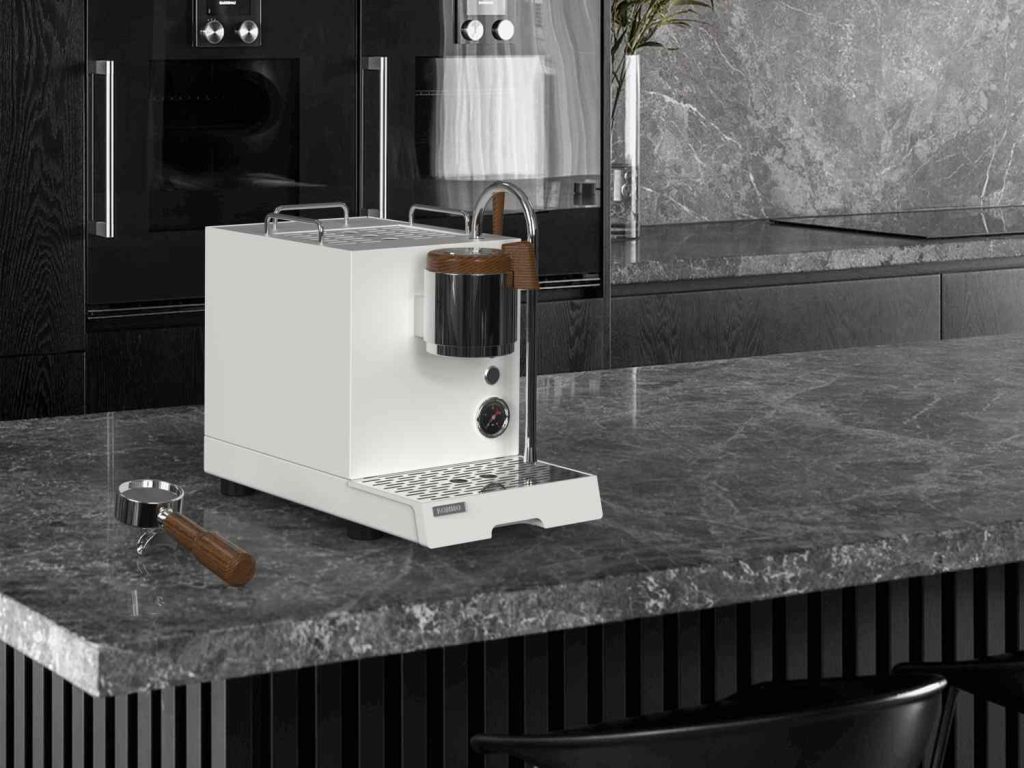
The core function of a steam wand on an espresso machine is to heat milk and inject air into it to create smooth, glossy microfoam for lattes, cappuccinos, and other milk-based espresso drinks. Powered by high-pressure steam from the machine’s boiler, this small tool is the key to turning simple espresso into café-quality milk drinks at home.
Key Takeaways
- Steam wands heat milk and inject air to create microfoam, the silky textured base for lattes and cappuccinos.
- Choose a wand style that matches your skill level: manual for control, automatic for convenience, articulating for ergonomics.
- Wipe and purge the wand after every use to prevent clogs, maintain steam performance, and avoid off-flavors.
Core Function and How Steam Wands Work in Espresso Machines

Primary Purpose
A steam wand performs two simultaneous jobs during milk frothing:
- Heats milk: High-temperature steam transfers heat as it condenses in the liquid, warming the drink to serving temperature.
- Aerates milk: Controlled air injection creates tiny, uniform bubbles that give milk a soft, velvety texture known as microfoam.
High-quality microfoam blends seamlessly with espresso and holds latte art patterns. The wand also has a secondary use: a short burst of steam can quickly warm water for americanos and long blacks without diluting the drink.
The Physics of Steam Frothing
The coffee machine’s boiler delivers pressurized steam through the narrow wand tip. When released into milk, the steam condenses into water and releases latent heat, raising milk temperature while creating strong circulation inside the pitcher.
This swirling motion — called a vortex or whirlpool — is what folds air into the milk and breaks large bubbles down into micro-sized ones. The final texture depends entirely on how the user controls tip depth and steam flow.
Steam Pressure, Tip Depth & Temperature
Strong, consistent steam pressure creates a stable whirlpool. The user controls aeration by adjusting how far the tip sits below the milk surface:
- Just below the surface: The swirling liquid periodically exposes the tip to air, pulling in small amounts with a soft paper-tearing sound — the sign of controlled aeration.
- Buried too deep: Milk heats and circulates but takes in almost no air, resulting in thin, watery milk with no foam.
- Too high/above surface: Large volumes of air rush in, creating big, coarse bubbles that cannot be folded in.
Temperature is equally critical for texture and flavor. A 2022 International Dairy Journal study of espresso machine steam frothing found the most uniform bubble structure in pasteurized dairy milk around 50–60°C (122–140°F). Above 65°C, milk proteins break down and sugars degrade, producing a flat, bitter taste. Below 50°C, the milk lacks natural sweetness and foam is less stable.
Without a thermometer, stop steaming when the pitcher feels hot to the back of your hand but not painful — roughly 140–155°F.
Steam Wand Types in Espresso Machines
Espresso machines come with three main wand designs, each suited to different user skill levels and priorities.
| Feature | Manual Steam Wand | Automatic Steam System | Articulating Ball-Joint Wand |
|---|---|---|---|
| Aeration control | Full manual control via tip position | One-touch automated operation | User-controlled with flexible positioning |
| Skill required | High; takes practice to master | None; beginner-friendly | Moderate |
| Consistency | Varies with technique | Highly repeatable results | Depends on user skill |
| Latte art capability | Maximum | Not designed for fine latte art | Capable with practice |
| Ergonomics | Fixed position; more wrist movement | Hands-off carafe design | Ball joint enables wide range of angles |
| Best for | Latte art enthusiasts, home baristas | Casual users, convenience-focused | Tight spaces, varied pitcher sizes |
How to Choose the Right Wand
Look for three quality coffee markers: steady, uninterrupted steam flow, precise on/off steam control, and flexible articulation to reduce wrist strain. For home baristas focused on latte art, a powerful manual wand is always the strongest choice. Larger boilers — such as KONMO’s 2L stainless steel boiler models — deliver more consistent steam pressure, which makes it easier to maintain a stable vortex for silky microfoam.
Safety & Daily Maintenance of Steam Wand in Espresso Machines

Safe Handling
Steam can cause severe burns very quickly. Follow these rules every time:
- Hold the wand only by its rubberized or insulated handle — never touch the metal tube right after steaming.
- Keep the tip submerged below the milk surface before opening the steam valve to avoid splashing.
- Point the wand away from your body when purging.
- Let the wand cool slightly before deep cleaning.
Post-Use Cleaning Routine
Cleaning after every drink prevents milk buildup inside the tip holes, maintains consistent steam flow, and stops sour off-flavors.
- Stop steaming while the tip is still in the milk, then lift the pitcher away.
- Purge the wand briefly to blow any remaining milk out of the tip holes.
- Wipe the entire wand from tip to base with a damp cloth immediately, while residue is still warm and soft.
- Wipe the wand base joint to keep it free of dried milk.
This 10-second routine prevents 90% of common steam wand performance issues. For clogged tips, soak the end in warm vinegar to dissolve dried milk residue.
FAQ
How long does it take to steam milk?
It depends on machine power and milk volume. Aeration takes only 3–5 seconds for most drinks, then the milk spins until it reaches serving temperature — usually 20–45 seconds total. Judge by milk volume and temperature, not a timer.
Can a steam wand heat water for americanos?
Yes. A short burst of submerged steam quickly warms water for americanos and long blacks without noticeable dilution. Always purge the wand first to clear condensed water.
Why does my milk squeal when I steam it?
A high-pitched screech almost always means the tip is either too shallow or too deep. Adjust it by a few millimeters until you hear a soft, steady paper-tearing sound — the sign of controlled, consistent aeration.
Does different milk change how foam turns out?
Yes. Dairy whole milk produces the densest, most stable microfoam thanks to its natural protein and fat balance. Barista-formulated oat milk is the closest plant-based alternative. Almond and coconut milks generally make larger, less durable bubbles.
How often should you clean a steam wand?
Purge and wipe the wand after every single drink. A 2-second purge and a quick hot wipe prevent dried milk buildup that clogs holes and ruins flavor. Deep-clean the tip as needed when residue builds up.