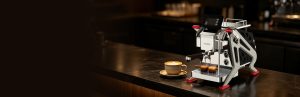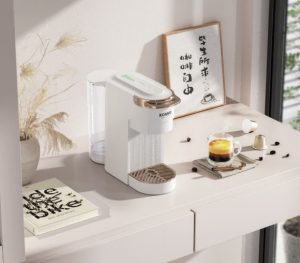
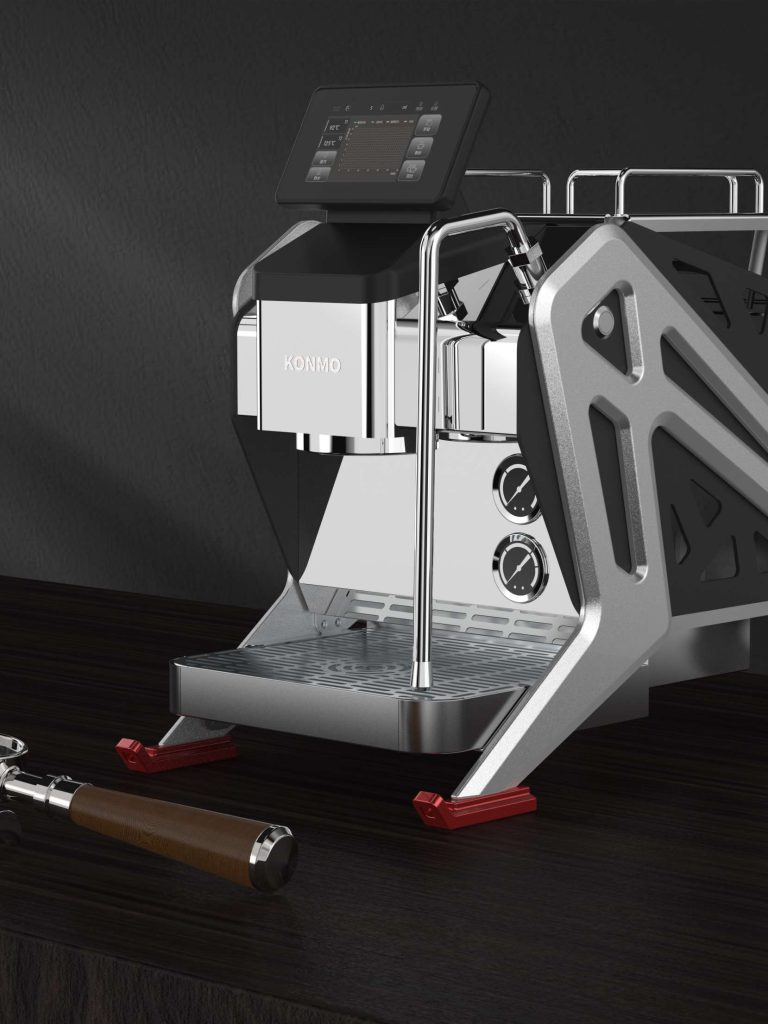
Commercial coffee machines are engineered for heavy, continuous daily use in professional settings like cafes and restaurants, while domestic (home) coffee machines are designed for light, occasional personal use. The core differences fall into five categories: build durability, brewing capacity, performance consistency, installation requirements, and total cost of ownership.
Key Takeaways
- Commercial machines are built for nonstop high-volume use; domestic models are made for light daily home use.
- Commercial units cost more upfront but last longer with proper maintenance; home machines have a lower entry price but shorter service life.
- Commercial machines require dedicated plumbing and higher-voltage electrical service; home models plug into standard household outlets and fit on countertops.
- Commercial machines produce consistent drinks back-to-back at high volume; home machines have longer recovery times between drinks.
- Choose based on your daily drink volume, available space, and long-term budget.
Commercial vs. Domestic Coffee Machines: Key Differences
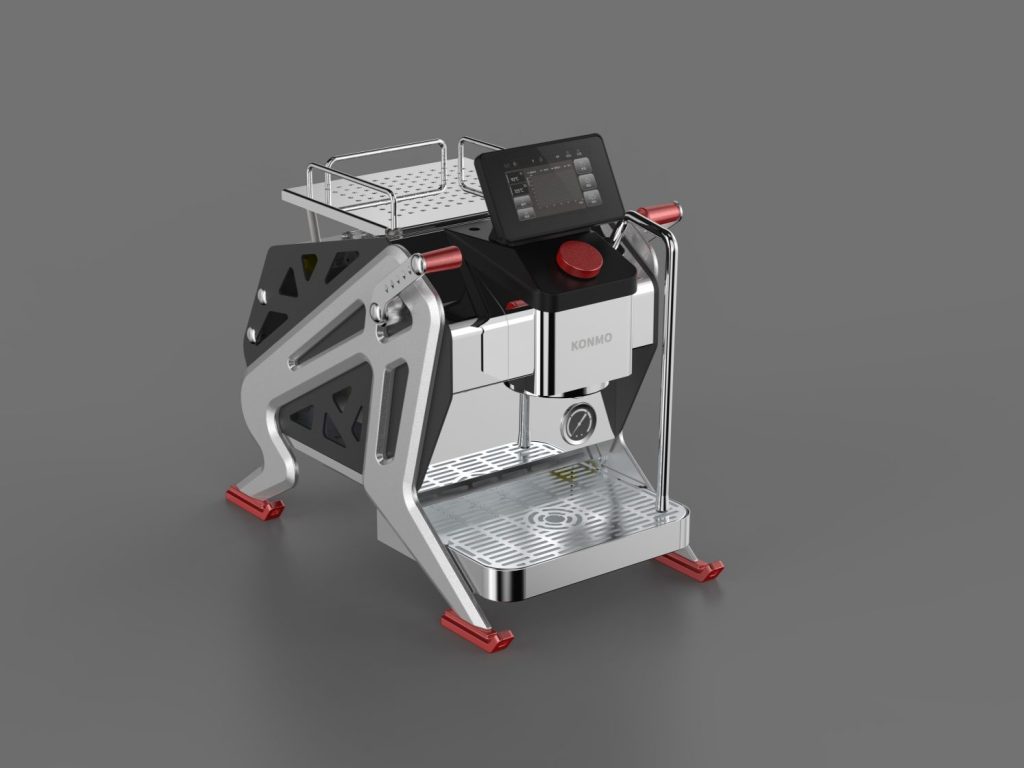
Intended Use & Installation Requirements
The most fundamental difference is workload: commercial machines are built to produce hundreds of drinks per day during peak service, while domestic machines are designed for 2–10 drinks per day for personal or small household use.
This workload gap drives installation requirements:
- Commercial coffee machines typically require a direct plumbed water line and dedicated higher-voltage electrical circuits. They are built for fixed installation in a cafe or service counter.
- Domestic coffee machines plug into a standard wall outlet and sit on a countertop. They work right out of the box with no professional installation required, and are easy to move.
Water reservoir capacity also aligns with use case. Commercial units have larger boilers (5–10+ liters) to run continuously through peak hours without constant refilling. Domestic models have smaller 1–2 liter boilers, sufficient for light personal use.
Build Quality & Durability
Build grade is another clear dividing line. Commercial machines use heavy-duty, heat-resistant materials including stainless steel, brass and copper, designed to withstand all-day heat and pressure cycles without failure. Components are built to be serviceable and replaceable for ongoing maintenance.
Domestic machines use lighter, more cost-focused materials. They are not built for all-day continuous operation, but they work reliably for the shorter, less frequent use they are designed for.
The durability gap shows clearly over time:
- Commercial machines handle daily backflushing and monthly descaling for years of heavy use.
- Domestic machines have shorter service lives and fewer serviceable replacement parts, as they are engineered for lighter overall wear.
Performance Differences Between Commercial and Domestic Coffee Machines
Brewing Speed & Pressure Stability
Commercial machines use high-wattage heating elements and large boilers that recover temperature quickly between shots, so baristas can pull espresso after espresso with no wait. Domestic machines have smaller boilers and lower wattage, requiring 1–2 minutes of recovery time between drinks — fine for home use, but too slow for a busy cafe.
Pump design also drives consistency:
- Rotary pumps (commercial standard): Spin continuously to deliver smooth, steady 9-bar pressure through the entire shot, for consistent extraction every time.
- Vibratory pumps (domestic standard): Use a magnet-driven piston that pulses ~60 times per second, creating slight pressure fluctuations.
This difference is negligible for light home use, but becomes critical at commercial volume, where consistent pressure is required for repeatable shot quality.
Temperature Control & Milk Frothing
Commercial espresso machines use PID temperature control algorithms to hold boiler water temperature steady even during peak hours. Domestic machines lack this precision, and temperature can drift during long shots, affecting extraction flavor.
Milk frothing performance follows the same pattern. Commercial machines have powerful steam wands that produce dense, consistent microfoam quickly for dozens of drinks per hour. Domestic wands are less powerful, take longer to froth, and produce less consistent texture — perfectly fine for occasional home lattes, but too slow for cafe service.
Side-by-Side Performance Comparison
| Feature | Domestic Coffee Machine | Commercial Coffee Machine |
|---|---|---|
| Typical daily drink volume | 5–10 drinks | 30–300+ drinks |
| Boiler capacity | 1–2 liters | 5–10+ liters |
| Pump type | Vibratory pump | Rotary pump |
| Temperature control | Basic, prone to drift | PID precision control |
| Group heads | Single group | 1, 2, or 3+ groups |
| Portafilter size | 51 mm or 54 mm | 58 mm industry standard |
Cost and Maintenance: Commercial vs. Domestic Machines
Upfront & Operating Cost
There is a large price gap between the two categories: commercial machines typically cost 5–10x more than domestic models. The premium comes from heavy-duty components: stainless steel boilers, brass fittings, and rotary pumps all add to the upfront cost.
Energy use follows the same pattern. A typical domestic coffee maker uses ~800 watts and runs ~0.33 hours per day, totaling ~0.264 kWh daily. A busy cafe commercial espresso machine can use ~26 kWh per day.
Maintenance & Service Life
| Factor | Domestic Machine | Commercial Machine |
|---|---|---|
| Backflushing | Weekly | Daily |
| Descaling | Every 3–6 months | Monthly |
| Service life | A few years with light use | Many years with proper maintenance |
| 5-year resale value | 50–60% of original price | 30–40% of original price |
Commercial equipment is designed for serviceability: worn parts can be swapped out quickly by a technician. Domestic machines are not built for component-level repair, and are usually replaced instead of serviced once they fail.
Choosing the Right Machine for Your Needs
A simple rule of thumb works for most buyers:
- Choose a domestic machine for light personal home use.
- Choose a commercial machine for a business or high-volume setting.
- Consider a prosumer model as a middle ground: these combine professional-grade features in a consumer-sized package, ideal for home enthusiasts.
Daily volume offers more precise guidance:
- Under 80 drinks per day: 1-group commercial or high-end prosumer machine
- 80–300 drinks per day: 2-group commercial machine
- Over 300 drinks per day: 3+ group commercial machine
For business needs, working with manufacturers like KONMO provides access to expert sizing and commercial-grade equipment built to professional standards.
The choice ultimately comes down to workload and budget. Domestic machines serve casual users well at a low entry cost. Commercial machines deliver the durability and consistency required for busy service settings.
FAQ
How many drinks can a home coffee machine make per day?
A domestic coffee machine is designed for 5–10 drinks per day. The smaller boiler and lower power mean you must wait for the machine to reheat between shots. This pace works well for casual personal use and small households.
What maintenance does a commercial espresso machine require?
Commercial espresso machines require daily backflushing and monthly descaling to keep internal parts clean and prevent scale buildup. Their serviceable design means worn parts can be replaced quickly by a technician, extending service life significantly.
Why do commercial coffee machines cost more than domestic models?
Commercial machines cost 5–10x more than home models due to heavy-duty components: stainless steel boilers, brass fittings, and rotary pumps built to withstand constant heat and pressure cycles. The higher upfront price buys durability and consistent performance under heavy daily use.
Can a domestic machine produce the same espresso quality as a commercial unit?
A home machine can make good espresso, but cannot match the consistency of a commercial unit. Commercial machines maintain steady pressure and temperature with PID control, while home models see temperature and pressure shifts during extractions. The steam wand also froths milk slower and less consistently.
What factors should I consider when choosing between machine types?
Evaluate your daily drink volume, available counter space, and long-term budget. A business serving over 80 drinks daily needs a commercial unit with multiple groups; a home user making a few drinks per day fits a domestic model. Prosumer machines offer a middle ground for enthusiasts.