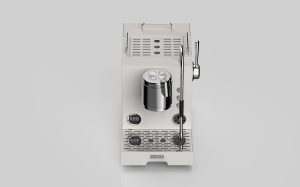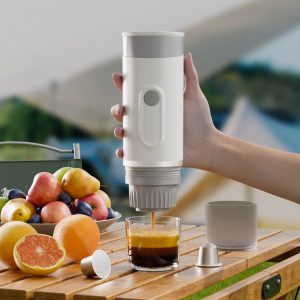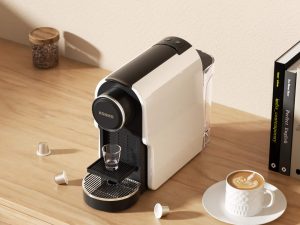

An espresso machine brews concentrated, full-flavored coffee by forcing hot water through finely ground coffee beans under high pressure — essentially a precision pressure cooker for coffee. The result is a small, intense shot topped with a thick golden foam layer called crema, formed when trapped carbon dioxide and coffee oils emulsify under pressure. This combination of deep flavor and creamy crema is what sets espresso apart from all other brewing methods.
Key Takeaways
- Espresso machines use steady 9 bar pressure to force hot water through finely ground coffee for fast, concentrated extraction.
- The Specialty Coffee Association (SCA) recommends a brewing temperature of 92–96°C (197–205°F) for balanced flavor.
- Grind size directly controls extraction rate: finer grinds increase extraction, coarser grinds reduce it.
- Crema forms when pressure releases CO₂ and emulsifies coffee oils, creating a rich, aromatic top layer.
- Home espresso machines range from manual to fully automatic, offering different levels of control and convenience.
Espresso Machine Core Working Principle: Pressure and Temperature
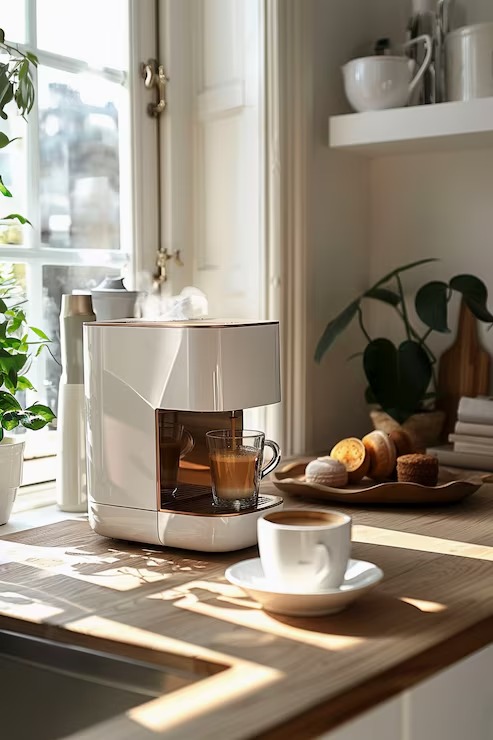
Espresso is defined by two tightly controlled variables: pressure and water temperature. Together they extract flavors, oils, and aromatic compounds in just 25–35 seconds.
Pressure: The 9 Bar Industry Standard
Pressure is what makes espresso fundamentally different from drip or pour-over coffee. The SCA recognizes 9 bar as the global standard for balanced flavor and aroma.
- Too little pressure produces weak, sour, under-extracted shots.
- Too much pressure causes channeling (water cutting narrow paths through the coffee puck), uneven extraction, and bitterness.
- Many machines advertise 15–20 bar pump ratings, but this refers to maximum pump output, not actual brewing pressure. A steady 9 bar delivers the most consistent results.
At 9 bar, water penetrates the coffee bed quickly, dissolves flavor compounds, and mixes oils into the liquid. This pressure is also what creates crema by releasing trapped CO₂ from the grounds and stabilizing emulsified oils.
Temperature and Flow Rate
Water temperature determines which coffee compounds dissolve and at what rate. The SCA standard is 92–96°C (197–205°F):
- Water that is too cool under-extracts, producing sour, weak shots.
- Water that is too hot burns the grounds, resulting in bitter, astringent flavors.
High-end machines use PID temperature controllers to keep brew water steady within 0.5–1°C (1–2°F), eliminating temperature swings that throw off flavor balance.
Flow rate also shapes extraction. Slower flow rates produce higher total dissolved solids (TDS) and stronger flavor, while faster flow rates produce lighter, less intense shots. Baristas typically dial in grind size to hit a 25–30 second extraction time for a balanced shot.
Key Components of an Espresso Machine
Every pump-driven espresso machine relies on four core parts to deliver consistent shots:
| Component | Core Function |
|---|---|
| Pump | Generates steady 9 bar pressure. Vibration pumps are compact and affordable for home use; rotary pumps are quieter, more consistent, and common in commercial machines. |
| Boiler / Thermoblock | Heats and holds water at brewing temperature. Single-boiler systems have large water volume for stable temperature; thermoblocks heat water on demand for faster startup. PID controllers maintain temperature within 0.5–1°C. |
| Group Head | Distributes heated water evenly over the coffee puck. The 58mm standard group head is the professional benchmark, with a large brass body that holds heat steady for even extraction. |
| Portafilter & Basket | Holds the coffee puck and locks into the group head to form a pressure-tight seal. |
There are two common brew basket types, each with different performance:
- Pressurized baskets: Use a mechanical valve to forgive grind inconsistencies, but produce lighter, foamier crema that fades quickly. Best for beginners.
- Non-pressurized baskets: Require precise grind and tamping, but produce denser shots with long-lasting, tiger-stripe crema and full flavor expression. Preferred by professionals.
Step-by-Step Espresso Extraction Process
1. Grind and Tamp the Coffee
Brewing starts with beans ground to a fine, consistent particle size. The grounds are placed in a portafilter basket and tamped into a flat, even puck. An uneven puck causes channeling, where water rushes through weak spots for uneven extraction.
Grind size is the single biggest factor controlling extraction rate:
| Grind Size | Effect on Extraction | Flavor Risk |
|---|---|---|
| Finer | Slower flow, higher extraction | Bitterness from over-extraction |
| Coarser | Faster flow, lower extraction | Sourness, weak body from under-extraction |
| Ideal | Balanced 25–30 second extraction | Balanced flavor with no off notes |
2. Pre-Infusion
Most quality machines include a pre-infusion stage: low-pressure wetting of the coffee puck before full pressure is applied. This step softens the grounds, reduces channeling, and promotes more even extraction.
3. High-Pressure Extraction
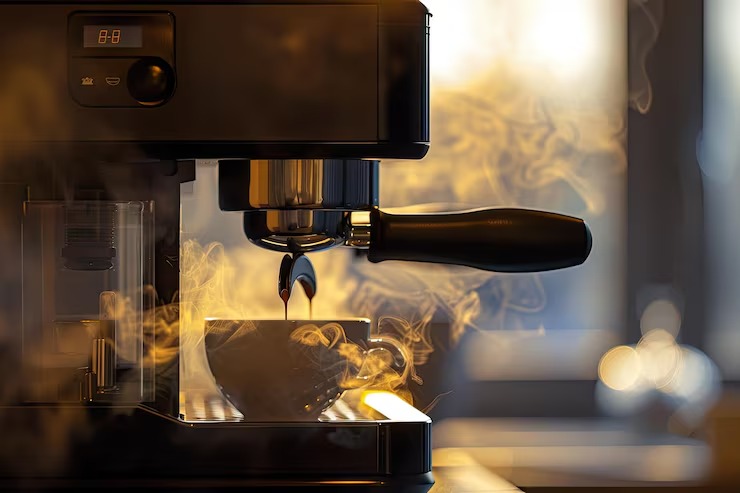
The pump delivers steady 9 bar pressure, pushing hot water evenly through the coffee bed via the group head. Over 25–35 seconds, water dissolves sugars, acids, oils, and melanoidins from the grounds, producing a concentrated shot with a thick layer of crema on top.
FAQ
How fine should espresso coffee be ground?
Espresso requires a fine, consistent grind. Finer particles slow flow and increase extraction; coarser particles speed flow and weaken the shot. An uneven grind causes channeling, which ruins flavor balance. Baristas typically adjust grind size to hit a 25–30 second extraction time.
What creates crema on top of an espresso shot?
Crema forms when high pressure releases CO₂ from coffee grounds and emulsifies natural oils into a stable foam. This golden layer traps aromatic compounds, releasing them with each sip. Non-pressurized baskets produce the longest-lasting, most authentic crema.
Which espresso machines suit a home user?
Semi-automatic machines give users control over shot timing and tamping for a hands-on experience. Super-automatic models handle grinding, dosing, and frothing with one button. Capsule machines offer the simplest daily routine, while compact portable models work for small spaces and travel.
Conclusion
At its core, an espresso machine uses controlled high pressure and precise temperature to extract concentrated, flavorful coffee from finely ground beans in under 35 seconds. The result — a rich shot topped with creamy, aromatic crema — is unlike any other brewing method.
Consistent shots depend on three aligned factors: steady 9 bar pressure, stable 92–96°C water temperature, and a fine, even grind with proper tamping. Whether manual, semi-automatic or fully automatic, every espresso machine works on this same fundamental principle.