No, not all coffee machines need pods. Drip coffee makers, French presses, stovetop brewers, and traditional espresso machines can all use ground coffee instead. Pod and capsule machines are designed for convenient single-serve brewing, while some multi-function models can work with both ground coffee and selected pod systems.
The right choice depends on how you prefer to make coffee. Ground coffee gives you more control over grind size, coffee dose, and brewing time, while pods offer speed, convenience, and consistent portions. Understanding the difference between these machine types makes it easier to choose the right coffee maker and avoid buying incompatible pods.
Key Takeaways
- Not all coffee machines use pods; many traditional brewers use ground coffee.
- Drip coffee makers, French presses, Moka pots, and semi-automatic espresso machines generally use ground coffee.
- Pod and capsule machines are designed around specific systems, such as K-Cup or Nespresso.
- Some multi-function coffee machines can use both ground coffee and selected pods.
- Always check the machine’s manual, pod holder, and compatibility information before buying coffee pods.
Coffee Machines That Don’t Need Pods
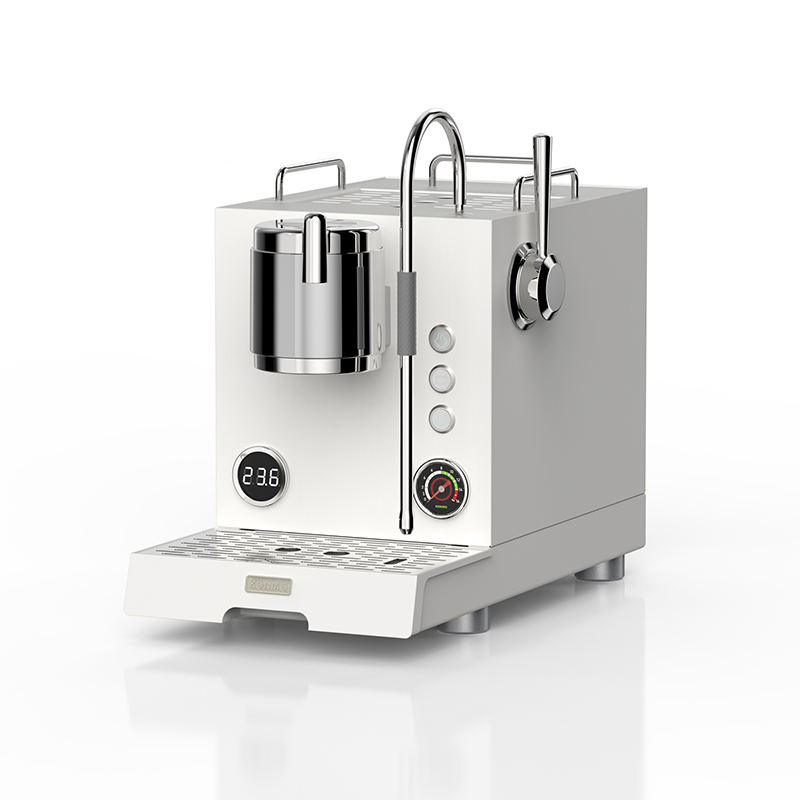
Many coffee machines work entirely with ground coffee. Instead of placing a sealed pod into the machine, users add loose coffee grounds directly to a filter, brewing chamber, or portafilter.
These machines are often preferred by people who want more control over the brewing process. Users can adjust the grind size, coffee-to-water ratio, and brewing time to suit different beans and flavor preferences.
Drip Coffee Makers, French Presses, and Stovetop Brewers
Drip coffee makers are one of the most common types of coffee machines that do not require pods. Ground coffee is placed in a paper or reusable filter, while heated water passes through the grounds and collects in a carafe or cup.
This brewing method is convenient for making several cups at once. It also gives users flexibility in choosing their coffee grounds without being tied to a particular pod system.
A French press is even simpler. Coarsely ground coffee is steeped directly in hot water before a metal mesh plunger separates the grounds from the brewed coffee. Because there is no filter basket or capsule, a French press does not use pods.
Stovetop brewers such as Moka pots also use ground coffee. Water is heated in the lower chamber and forced through the coffee grounds into the upper chamber. The resulting coffee is stronger than typical drip coffee, although it is not the same as espresso.
These brewing methods are suitable for users who value coffee flexibility, lower packaging waste, and control over the brewing process.
Semi-Automatic Espresso Machines With Portafilters
Traditional semi-automatic espresso machines also use ground coffee rather than pods. The coffee is placed into a portafilter, tamped into a puck, and locked into the group head before brewing.
This setup gives the user much more control than a typical pod machine. The barista can adjust:
- Grind size
- Coffee dose
- Tamping pressure
- Extraction time
- Brew ratio
Because the coffee is ground immediately before brewing, users can also experiment with different beans and roast profiles.
KONMO, for example, offers semi-automatic espresso machines designed for users who want more control over espresso preparation. Models such as the KM-S100 and KM-S550 are built around traditional portafilter brewing rather than a proprietary capsule system.
For coffee shops, restaurants, offices, and experienced home users, this type of machine can provide greater brewing flexibility without requiring single-use capsules.
Coffee Machines That Use Pods or Capsules
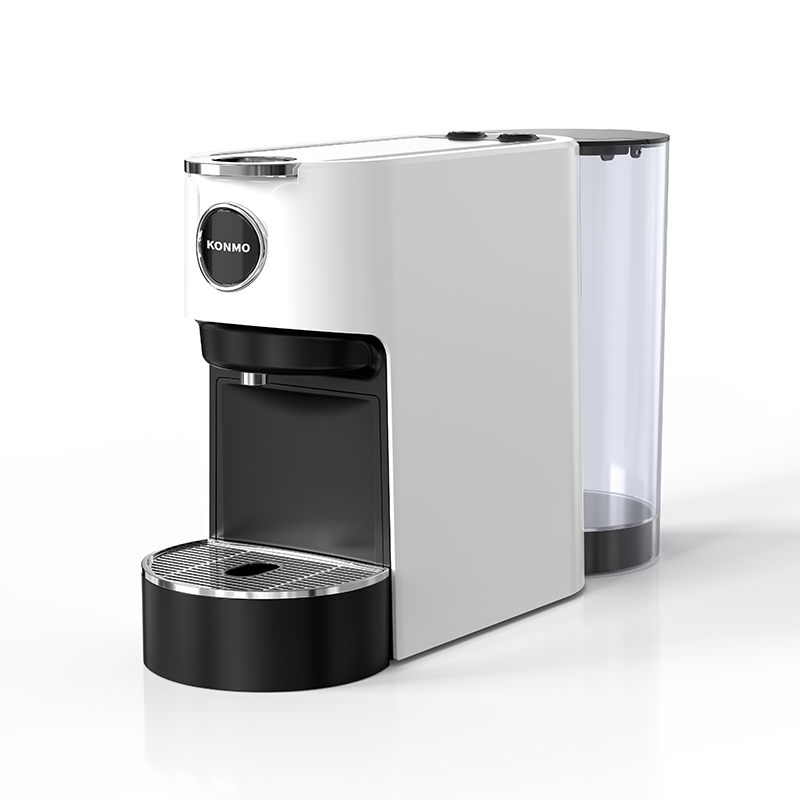
Pod and capsule coffee machines are designed around pre-portioned coffee. Instead of measuring and grinding coffee for every cup, the user inserts a prepared pod or capsule into the machine.
The machine then punctures the container, heats water, and sends it through the coffee before dispensing the finished drink.
This makes single-serve machines particularly convenient for busy homes, offices, hotels, and other settings where speed and consistency matter.
Nespresso, Keurig, and Other Pod Systems
Different pod machines use different coffee formats. Two well-known examples are Nespresso capsules and Keurig K-Cup pods.
Although both are designed for single-serve brewing, they are not interchangeable. Their shapes, sizes, brewing systems, and machine designs are different.
| Pod System | Typical Machine | Coffee Format |
|---|---|---|
| K-Cup | Keurig machines | Plastic pod with foil lid |
| Nespresso Original | Nespresso Original machines | Small capsule |
| Nespresso Vertuo | Nespresso Vertuo machines | Barcode-based capsule |
| Dolce Gusto | Dolce Gusto machines | Larger capsule |
| Tassimo T-Disc | Tassimo machines | T-Disc |
The important point is compatibility. A pod that fits one system may not fit another. Users should check the exact machine model before purchasing pods.
Pod systems also differ in how they brew coffee. Some focus on regular coffee, while others are designed for espresso-style drinks. The machine’s pressure, water flow, pod design, and brewing controls all influence the final cup.
Multi-Capsule Coffee Machines
Not every single-serve machine is limited to one type of pod. Some multi-capsule models are designed to accept several coffee formats.
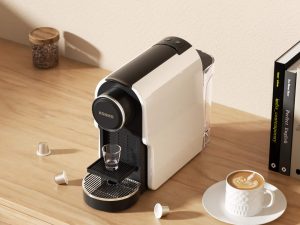
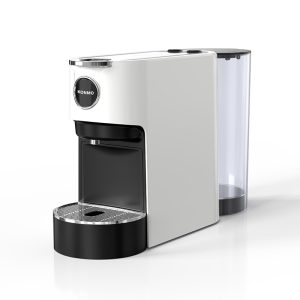
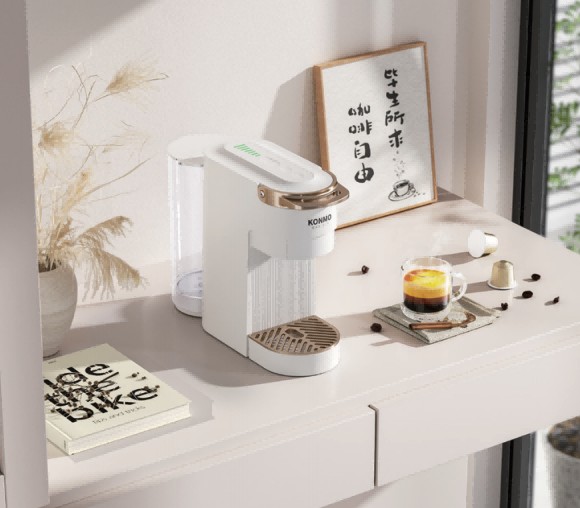
For example, certain KONMO machines can support combinations of Nespresso capsules, Dolce Gusto capsules, ESE pods, and ground coffee. This type of design gives users more flexibility without requiring several separate coffee machines.
Multi-function machines can be useful for:
- Homes with different coffee preferences
- Offices with multiple users
- Hotels and guest rooms
- Small kitchens with limited counter space
- Users who switch between capsules and ground coffee
The main difference is simple: single-system machines prioritize convenience and compatibility, while multi-function machines prioritize flexibility.
How to Tell If Your Coffee Machine Needs Pods
You do not need to guess whether your coffee machine uses pods. A few simple checks can usually tell you what type of coffee it accepts.
Check the Manual and Machine Markings
The user manual is the most reliable place to start. Look for terms such as:
- K-Cup
- Nespresso Original
- Nespresso Vertuo
- Dolce Gusto
- ESE
- Soft pod
- Ground coffee
- Portafilter
Manufacturers often place pod-system names or logos near the brewing chamber as well. If the machine clearly identifies a specific capsule system, use compatible pods from that system.
Check the Pod Holder and Coffee Basket
Look inside the brewing area. A machine designed for ground coffee normally has a filter basket or portafilter. A pod machine usually has a dedicated capsule or pod holder.
The shape of the holder can also provide a useful clue. A reusable pod or capsule must fit securely inside the brewing chamber and allow the machine’s piercing and sealing mechanism to work correctly.
Do not force a pod into a holder simply because it looks close in size. An incorrect fit can lead to poor extraction, leakage, or damage to the machine.
FAQ
Can a Regular Coffee Maker Use Pods?
Usually, no. Traditional drip coffee makers, French presses, and stovetop brewers are designed for ground coffee. A pod can only be used if the machine has a compatible pod holder or accessory.
Can an Espresso Machine Use Coffee Pods?
Some can, but it depends on the machine. Traditional semi-automatic espresso machines generally use ground coffee in a portafilter, while some models support ESE pods or other compatible formats.
Are Coffee Pods and Capsules the Same?
Not exactly. The terms are often used interchangeably, but they can refer to different formats. Coffee pods are commonly made from filter paper, while capsules typically use a rigid plastic or aluminum container. Always check the specific brewing system before buying either one.
Can I Use Reusable Pods in Any Coffee Machine?
No. Reusable pods are designed for specific machines and pod systems. Check the machine model and manufacturer’s compatibility information before purchasing one.
How Do I Know Which Pods Fit My Coffee Machine?
Check the machine manual, model number, markings near the brewing chamber, and the manufacturer’s compatibility information. The pod holder can also provide clues, but physical similarity alone does not guarantee compatibility.