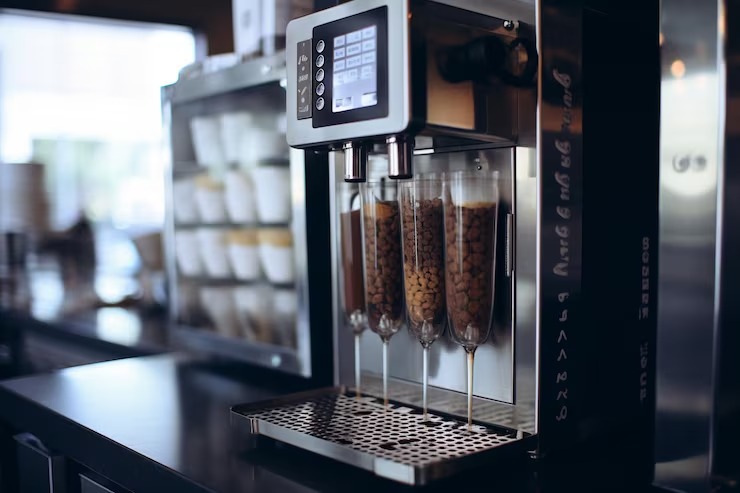
Yes, fully automatic espresso machines — also called super-automatic or bean-to-cup machines — are widely available for home use. These appliances handle nearly every step of the brewing process: grinding beans, dosing grounds, tamping, extracting the shot, and disposing of used pucks, all at the push of a button. Many models also include integrated automatic milk frothing systems to make lattes, cappuccinos, and flat whites with no manual steaming required. They deliver consistent, repeatable results with minimal barista skill, making them a top choice for busy households.
Key Takeaways
- Fully automatic espresso machines grind, dose, tamp, brew, and dispose of grounds with one touch.
- They deliver consistent, identical results every time, with no advanced barista skills required.
- You still need to refill beans and water, empty the waste bin, and perform regular cleaning and descaling.
- Upfront cost is higher than semi-automatic models, but they offer unmatched convenience and drink variety.
- Choose a model that matches your daily drink preferences and how much routine maintenance you’re willing to do.
What Is a Fully Automatic Espresso Machine?
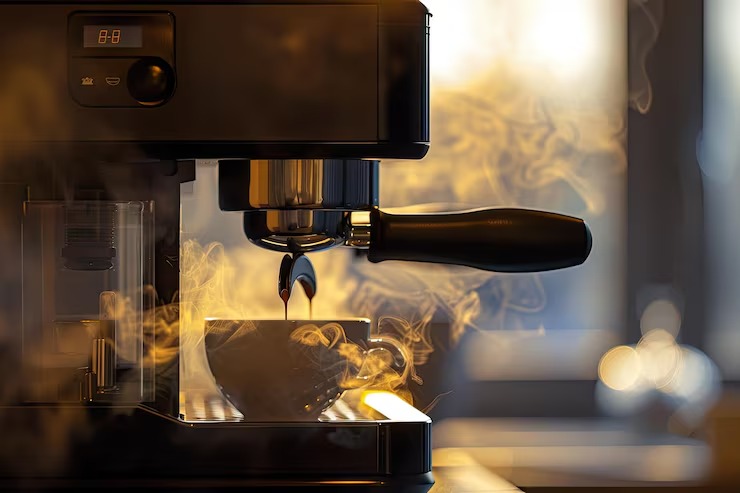
A fully automatic (or super-automatic) espresso machine automates almost every task a barista would normally perform. You add whole beans to the hopper and water to the tank, then select your drink — the machine handles the rest.
Fully Automatic vs. Semi-Automatic Espresso Machines
The core difference is how much manual work is required. Semi-automatic machines give you full control over every variable; fully automatic models handle the entire brewing cycle on their own.
| Feature | Semi-Automatic | Fully Automatic |
|---|---|---|
| User involvement | Controls grind size, dose, tamping, and shot timing | Single-button operation; machine handles all brewing steps + waste disposal |
| Skill required | Intermediate | Minimal |
| Customization | Extensive | Limited to pre-programmed settings |
| Brew time per shot | 3–5 minutes | 1–3 minutes |
| Maintenance complexity | Moderate | More involved (more moving parts) |
| Typical price range | $800–$3,000 | $1,500–$6,000+ |
| Milk frothing | Manual steaming wand required | Often includes automated milk system |
Semi-automatic machines appeal to hobbyists who want to learn the craft and dial in every variable. Fully automatic models trade some customizability for speed, consistency, and ease of use.
How Does a Fully Automatic Espresso Machine Work?
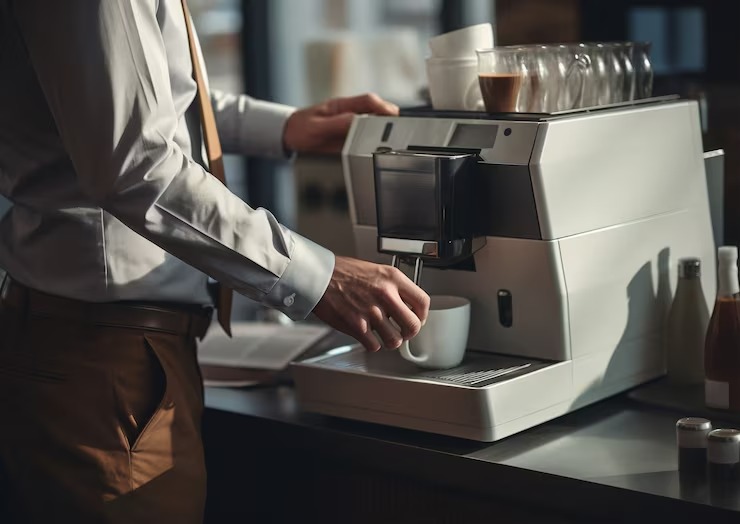
Automated Brewing Cycle
The process runs in a fixed sequence with no manual input:
- Grinding: Whole beans fall from the hopper into a built-in burr grinder, which grinds to a pre-set size.
- Dosing & tamping: The machine measures the exact dose of grounds and compresses them into a uniform puck.
- Extraction: Hot water is forced through the puck at steady pressure for a programmed extraction time.
- Waste disposal: The used puck is automatically ejected into an internal waste bin.
True automatic machines control extraction timing internally, so you do not need to manually stop the shot. This standardization is what delivers consistent quality shot after shot.
Automatic Milk Frothing
Many super-automatic models include integrated milk systems (such as LatteCrema or Philips LatteGo). You fill the milk reservoir, and the machine automatically froths milk to the right texture and adds it to the drink in the correct ratio. For cappuccinos, it adds milk first then coffee; for lattes, it adjusts the foam-to-milk ratio accordingly. This removes the need for a manual steam wand and eliminates the learning curve for steaming milk.
What Can a Fully Automatic Espresso Machine Do?
One-Touch Drink Preparation
One-touch operation is the defining feature of super-automatic machines. Press one button, and the machine completes the entire brewing sequence. Entry-level models typically offer espresso, long coffee, and basic milk drinks. High-end models expand the menu significantly:
- The DeLonghi Dinamica Plus includes 16 one-touch presets, including espresso, cappuccino, latte macchiato, flat white, and iced options.
- The Jura Z10 offers 40+ specialties, including cold brew and sweetened drink profiles.
Consistent, Repeatable Results
Because the machine controls every variable — grind size, dose, pressure, temperature, and extraction time — every shot is identical to the last. Unlike a semi-automatic, where tired or distracted operation leads to uneven shots, a fully automatic machine delivers the same quality every single time.
FAQ
Are refurbished super-automatic espresso machines worth buying?
A certified refurbished unit from an authorized dealer can be an excellent value. Check the warranty length and what is covered. A well-maintained refurbished machine delivers the same espresso quality as a new one for a lower price.
What is the difference between a super-automatic and a bean-to-cup machine?
The terms are interchangeable. Every bean-to-cup machine is a super-automatic model: it grinds whole beans, tamps, brews, and disposes of used pucks automatically.
How often does a super-automatic espresso machine need cleaning?
Daily rinsing after use is recommended. The brew unit should be fully cleaned weekly. Descaling is required every 1–3 months, depending on water hardness. Many models include automatic cleaning and rinse cycles to simplify maintenance.
Do super automatic espresso machines make better coffee?
Modern super-automatic machines match semi-automatic models on espresso quality. They do not inherently make “better” coffee, but they make consistently good coffee with far less skill and effort.
What affects espresso quality in these machines?
Grind size calibration, bean freshness, water quality, and regular maintenance all impact quality. The machine itself controls pressure and temperature precisely, so consistent results depend mostly on proper setup and upkeep.