Yes, most espresso machines can be repaired when the issue stems from a worn, clogged, or replaceable component. Common fixes include resolving water leaks, replacing pumps or heating elements, clearing blockages, and addressing grinder or electrical faults.
That said, repair is not always the most practical choice. Machine age, overall condition, parts availability, and total repair cost all factor into whether fixing or replacing is the better call.
Key Takeaways
- Common espresso machine issues — leaks, blockages, pump failure, and heating faults — are usually repairable with part replacement or targeted cleaning.
- Repair cost depends on the failed part, labor required to access it, and the overall complexity of the machine.
- Repair is usually not worth it if multiple core components fail, there is widespread corrosion, or the bill approaches the cost of a comparable replacement machine.
- Newer coffee machine with a single failed part are almost always worth repairing; older, discontinued models may not be.
- Always compare total repair cost (parts + labor) to a similarly featured replacement machine, not the cheapest entry-level model.
Common Repairable Espresso Machine Problems
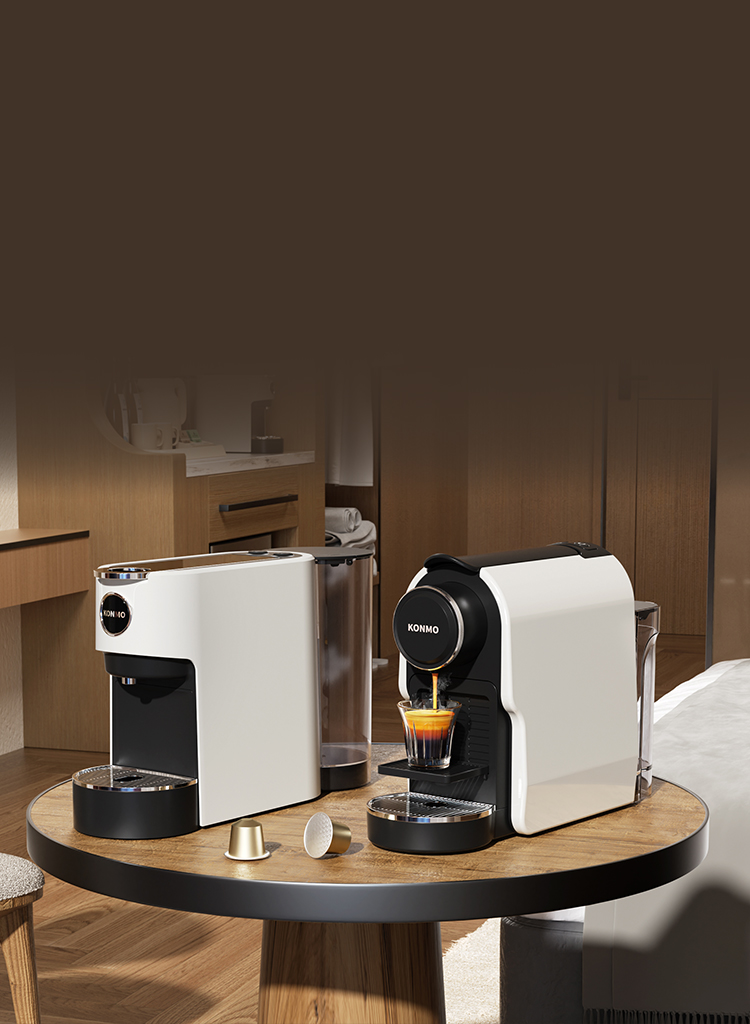
Most espresso machine failures trace to individual components that can be cleaned, repaired, or replaced without swapping the entire machine.
Water Leaks and Blockages
Leaks typically come from worn seals, loose connections, cracked hoses, or degraded water system components. In most cases, the faulty part can be replaced individually. Blockages from coffee residue, mineral scale, or buildup can usually be resolved with thorough cleaning and descaling. If a blockage stems from a damaged component, that part can be replaced.
Pump and Pressure Issues
The pump drives water through the machine at brewing pressure. A weak or failed pump causes low pressure, inconsistent extraction, or weak water flow. Pumps can usually be replaced as standalone parts. Note that pressure problems can also come from blockages, faulty valves, or worn seals, so always diagnose the root cause before replacing the pump.
Heating and Temperature Faults
Heating elements and temperature control systems bring water to proper brewing temperature. Slow heating, inconsistent temperatures, or no heat at all usually point to a bad heating element, thermostat, sensor, or related electrical part. These components can typically be diagnosed and replaced, as long as the rest of the machine is in good shape.
Grinder and Electrical Problems
For machines with built-in grinders, inconsistent grind, unusual noise, or failure to grind usually come from worn burrs, a clogged grinder, or a motor issue. Electrical issues can involve switches, wiring, fuses, control boards, or power connections. Simple parts like fuses or switches are easy to replace; control board or wiring faults typically require professional diagnosis.
What Affects Espresso Machine Repair Cost?
Parts and Labor
Replacement parts range from very affordable (seals, gaskets, hoses) to premium-priced (pumps, heating assemblies, grinders, electronic control boards). Labor is often a large share of the cost, especially if the machine must be fully disassembled to reach the failed component. Simple swaps are quick and cheap; repairs involving internal electronics or multiple parts take far more time.
Machine Complexity
Basic manual espresso machines have fewer components and simpler internal layouts, making repairs cheaper and easier. Fully automatic or super-automatic machines with integrated grinders, multiple heating systems, sensors, and valves have far more parts, making diagnosis and repair more complex and costly.
Parts Availability
Older or discontinued machines often have limited access to compatible pumps, seals, electronics, and other replacement parts. Before committing to a repair, confirm that parts are still in production and that qualified service techs work on your model. Unsupported machines become harder and more expensive to maintain over time.
When an Espresso Machine Is Not Worth Repairing
Repair does not make financial or practical sense if damage is extensive, or the cost of restoration is close to the price of a comparable replacement.
Multiple Core Component Failures
A major breakdown involving several key internal parts requires extensive labor and multiple replacement parts. If the machine has multiple unrelated issues at once, fixing one may not restore reliable operation, and more problems will likely follow.
Widespread Corrosion or Damage
Severe corrosion, water damage, cracked internal components, or extensive electrical damage makes repairs far more complicated. Even if individual parts can technically be replaced, widespread damage signals more failures are likely down the line.
Repair Cost Near Replacement Cost
The simplest test: compare the full estimated repair cost (parts + labor) to the price of a similarly featured replacement machine. A cheap repair makes sense for a machine that’s otherwise in great shape. If the bill is close to the cost of a comparable new unit, replacement is usually the better long-term call.
How to Decide: Repair or Replace?
There’s no universal rule, but weigh these four factors to make the call:
- Machine age and condition: Newer machines with a single replaceable fault are almost always worth repairing. Older machines with multiple aging systems and limited parts availability are usually better replaced.
- Total repair cost vs. replacement cost: Get a full estimate including parts and labor. Compare it to a replacement machine with similar features and capacity — not the cheapest entry-level model you can find.
- Parts and service support: If parts for your model are discontinued or hard to find, even a cheap repair now can lead to more expensive breakdowns later.
- Expected future use: If you use the machine daily and it has been reliable otherwise, a targeted repair can extend its life for years. If it has recurring issues or no longer meets your needs, replacement may be more practical long-term.
FAQ
How long does an espresso machine repair take?
Repair time depends on the type of service and whether replacement parts are needed. A simple cleaning or component adjustment may take little time, while repairs requiring disassembly, part ordering, or bench testing can take longer.
Can I repair an espresso machine myself?
Some basic maintenance tasks, such as cleaning the brew group, removing scale, replacing accessible gaskets, or clearing a clogged component, may be suitable for experienced users. Repairs involving electrical wiring, heating circuits, pressure systems, or internal electronics are generally better handled by a qualified technician.
How often should an espresso machine be serviced?
Service frequency depends on the machine, water quality, and how often it is used. Regular cleaning and descaling can help prevent buildup, while commercial machines used heavily may require more frequent professional inspection than machines used occasionally at home.
Does using filtered water help prevent espresso machine problems?
Yes. Reducing mineral content in the water can help limit scale buildup inside components such as boilers, heating elements, and water lines. However, filtration does not eliminate the need for routine cleaning and descaling.
Can a repaired espresso machine perform like a new one?
It can, depending on the problem and the condition of the remaining components. If the underlying issue is correctly diagnosed and the affected parts are properly serviced or replaced, the machine may return to normal operation. Performance can also depend on calibration, cleaning, and the condition of other wear components.
Conclusion
Most common espresso machine problems are fully repairable, from leaks and blockages to pump, heating, and grinder faults. The real question is not “can it be fixed?” but “is it worth fixing?”
To decide, look beyond the immediate fault and consider the machine’s age, overall condition, parts availability, repair complexity, and total cost relative to a comparable replacement.