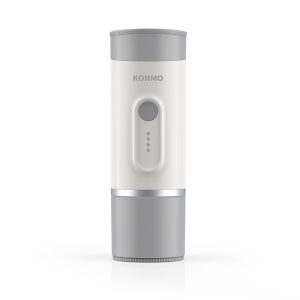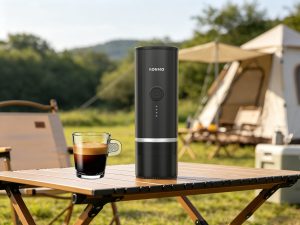
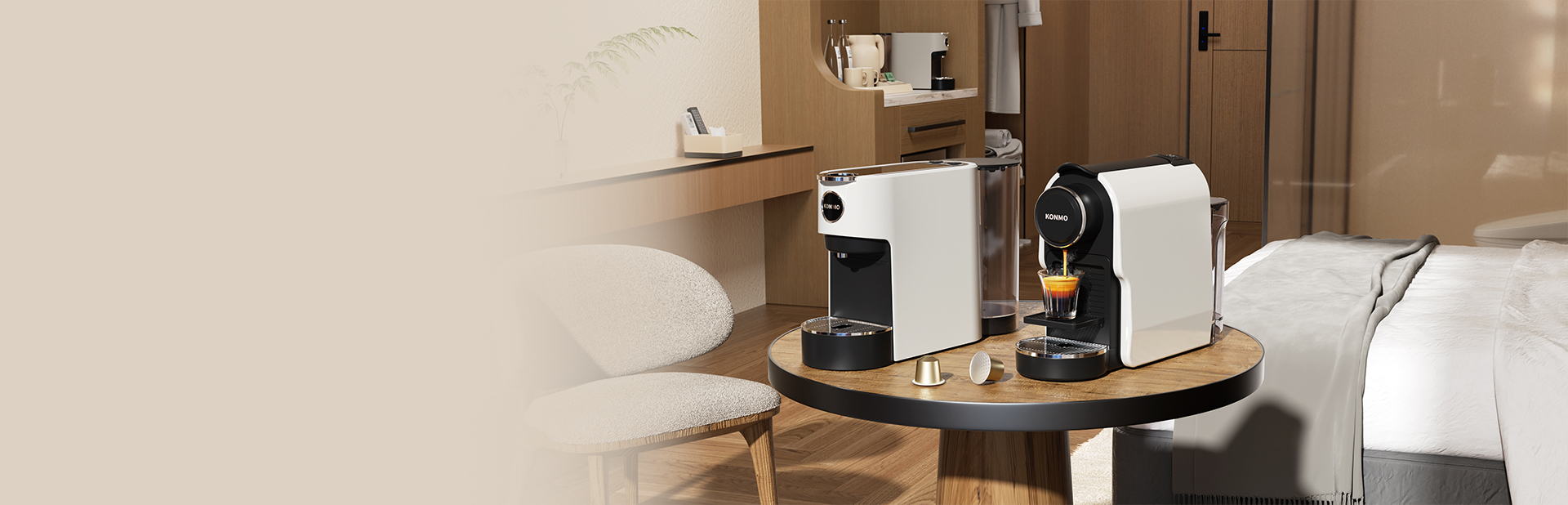
A coffee machine uses many important parts to brew coffee efficiently and consistently. Here are some of the most common parts you will see:
- Water reservoir
- Boiler or heating element
- Pump system
- Brew basket or chamber
- Carafe or coffee pot
- Drip tray
- Spout or dispensing nozzle
There are different kinds of coffee machines. Drip filter machines make up about half of all sold. Capsule or pod machines are the easiest to use. Bean-to-cup and espresso machines are also liked by many people.
Key Takeaways
- Learn the main parts of a coffee machine. These are water reservoir, boiler, pump, brew basket, carafe, drip tray, and spout. Knowing these parts helps you make better coffee.
- Clean your coffee machine parts often. Focus on the water reservoir and drip tray. This keeps your coffee tasting good. It also helps your machine last longer.
- Use filtered water in your machine. This stops minerals from building up. Good water makes your coffee taste better. It also helps your machine work longer.
- Watch the pressure and temperature when brewing. Espresso needs about 9 bars of pressure. Water should be between 195°F and 205°F for best taste.
- Change old parts like seals and filters quickly. This stops leaks and keeps your coffee tasting the same every time.
Coffee Machine Main Parts and Their Functions
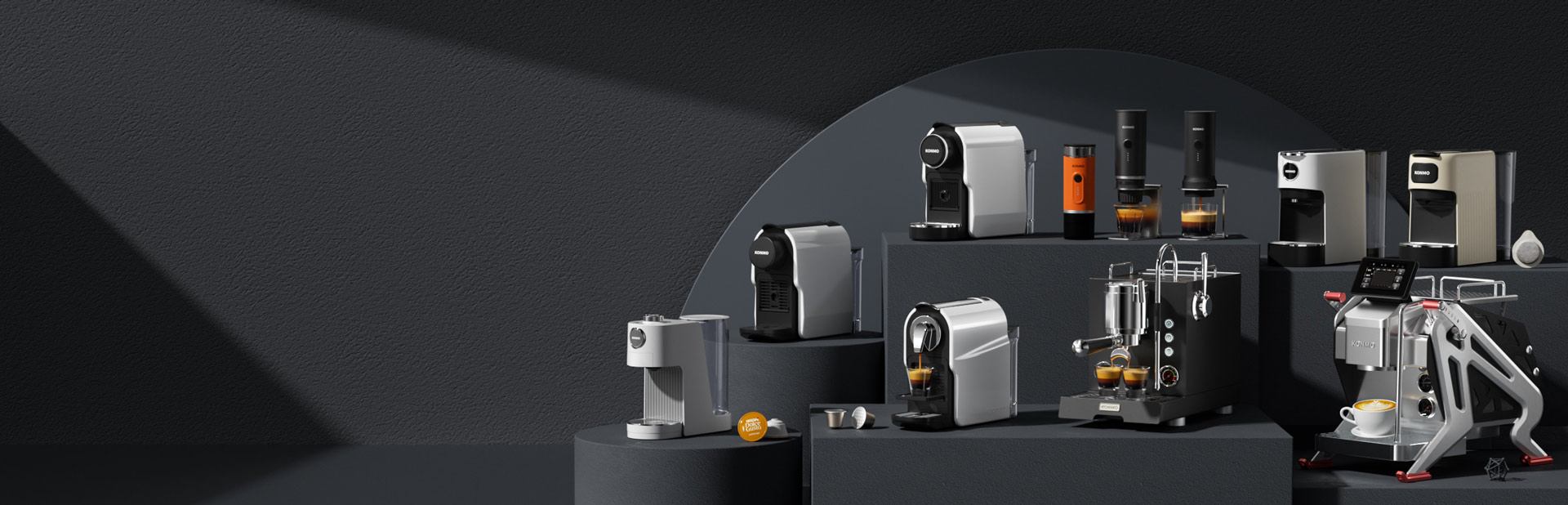
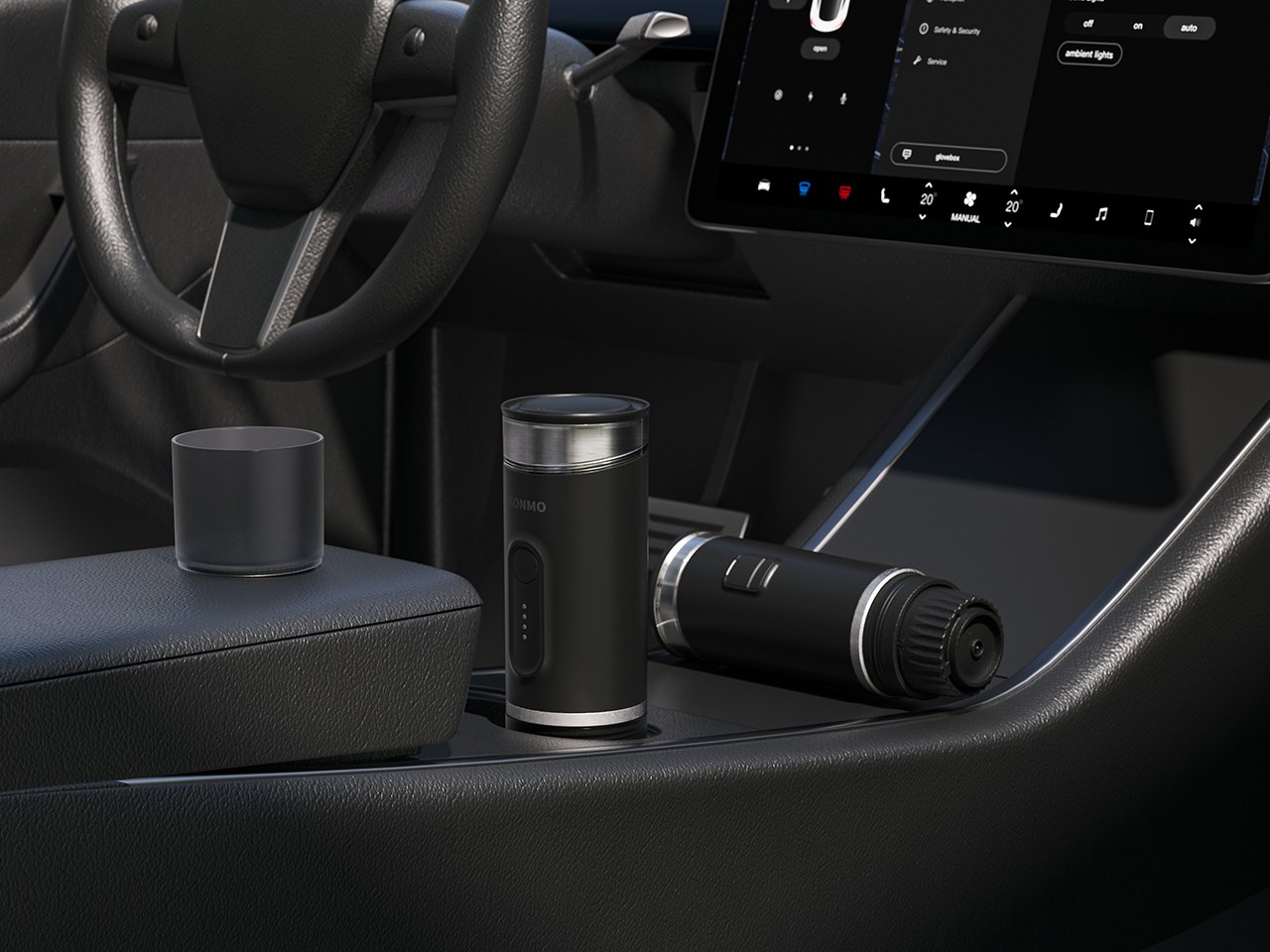
Most coffee machines consist of several key components. These components help you make coffee easily and ensure the machine operates efficiently for extended periods. KONMO incorporates these essential components into its capsule and portable coffee machines. This means that even small or travel coffee machines offer excellent performance.
Water Reservoir in a Coffee Machine
The water tank stores the water needed to brew coffee. You need to fill the tank before making coffee. KONMO capsule coffee machines and portable coffee machines come with easy-to-use water tanks that are quick and convenient to refill. The capacity of the water tank determines how many cups of coffee you can make before adding water. Commercial coffee machines have larger water tanks, allowing them to make more coffee.
Tip: Clean the reservoir often. Hard water leaves minerals behind. This can cause problems. Soft water can hurt metal parts. Try to use filtered water if you can.
- Water quality changes how often you clean.
- Hard water makes minerals build up.
- Soft water can damage metal.
- Good water pressure helps you get the same coffee every time.
Boiler or Heating Element in a Coffee Machine
The boiler or heating element is responsible for heating the water used for brewing. Hot water is essential for extracting the flavor of coffee grounds. KONMO uses robust and durable metals such as stainless steel and brass. These metals heat up quickly and maintain water temperature. This helps improve the taste of the coffee and extends the life of the machine.
Scale buildup can cause slow heating and damage the boiler. Please clean the machine regularly to keep it in good working order.
Pump System in a Coffee Machine
The water pump system delivers water from the tank to the coffee grounds. Proper pressure is key to obtaining high-quality coffee. Espresso machines use a water pump to achieve a pressure of approximately 9 bar. KONMO capsule coffee machines and portable coffee machines use powerful water pumps to achieve good extraction.
- Rotative pumps last longer and are quiet. They are best for big machines and need a water line.
- Vibratory pumps are smaller and cheaper. You find them in home machines.
- The pump is important for getting flavor.
- Low pressure makes weak coffee. High pressure makes bitter coffee.
- Pressure sensors help control the pressure.
Coffee Machine Brew Basket or Brew Chamber
The brewing basket or brewing chamber is used to hold coffee grounds or coffee capsules. You need to put the coffee grounds into it before brewing. KONMO capsule coffee machines come with a brewing chamber for easy use of coffee capsules. Portable coffee machines come with a filter basket for holding coffee grounds.
- Wetting the coffee grounds first helps stop channeling.
- Even wet grounds make better coffee.
- More time for water to pass through gives more flavor.
Coffee Machine Carafe or Coffee Pot
A coffee pot or coffee canister is used to hold brewed coffee. You can pour the coffee from this pot. Drip coffee machines use glass or insulated coffee pots. Capsule coffee machines and portable coffee machines usually pour coffee directly into a cup. Some models come with a small coffee maker.
| Type | Material | Capacity (cups) |
|---|---|---|
| Glass Carafe | Glass | 8-12 |
| Thermal Carafe | Stainless | 8-12 |
| Portable Pot | Plastic/Metal | 1-2 |
Coffee Machine Drip Tray
The drip tray collects spilled and excess liquid. It can be easily removed and washed. The trays on both KONMO capsule coffee machines and portable coffee machines are removable for quick and easy cleaning.
- Keeps your counter clean.
- Stops overflow.
- Easy to wash and put back.
Coffee Machine Spout and Dispensing Nozzle
The spout or outlet pours coffee into your cup or coffee maker. Before brewing, you need to place the cup under the spout. The KONMO coffee machine’s spout can move up and down to accommodate cups of different sizes.
Note: Keep the spout clean. If it gets blocked, coffee flow and taste can change.
Every component in a coffee machine works together. You might use a KONMO capsule coffee machine at work or a portable coffee machine outdoors. Understanding the function of each component will help you make more delicious coffee and extend the life of your coffee machine.
Espresso Coffee Machine Parts Explained
Espresso machines have several specialized components that work together to produce a rich, aromatic coffee. You’ll find these components in KONMO’s commercial and semi-automatic espresso machines. Each component plays a specific role in the espresso-making process.
Coffee Machine Group Head
The brew head is where the water comes into contact with the coffee grounds. Before brewing, you need to insert the portafilter into the brew head. The brew head will then deliver hot water at the appropriate temperature and pressure.
- The group head keeps the water hot and steady. Water should be between 195°F and 205°F for good espresso.
- If the water gets too cool, your espresso tastes sour and weak.
- If the water gets too hot, your espresso tastes bitter.
- The group head’s heavy metal helps stop fast changes in heat.
Note: A steady group head gives you the same taste every time. You do not get under-extracted or over-extracted espresso.
- The group head sends hot water to the coffee grounds.
- It keeps the temperature steady while brewing.
- Changes in heat can change how your espresso tastes.
Coffee Machine Portafilter
During brewing, coffee grounds are loaded into the portafilter. The portafilter connects to the brew head, allowing for easy locking and unlocking.
The portafilter features a metal filter basket and a sturdy handle; its shape helps produce high-quality espresso. You can observe the extraction process to check for issues such as channeling or uneven tamping.
- You can see what happens as you brew.
- You can find and fix problems fast.
- The portafilter shape helps make better crema and flavor.
Coffee Machine Portafilter Basket
The coffee grounds basket is located inside the portafilter. You need to load the coffee grounds into it. The basket is covered with tiny holes to allow water to flow through and extract the coffee’s flavor.
You can choose a basket suitable for single or double shots. The size and shape of the basket affect how the water flows and the amount of coffee grounds used.
| Basket Type | Capacity (grams) | Use Case |
|---|---|---|
| Single | 7-9 | Small espresso |
| Double | 14-18 | Standard espresso |
| Triple | 20-22 | Strong espresso |
Coffee Machine Group Gasket
The brew head sealing ring is a rubber ring located between the brew head and the handle, used to form a tight seal.
- The gasket holds the portafilter basket in the brew chamber.
- It lets pressure build up when you brew.
- If the gasket is old, it leaks. You need to change it if you see drips.
Tip: Check the gasket often. Change it if you see leaks or if the portafilter feels loose.
Coffee Machine Shower Screen (Group Screen)
A shower filter evenly distributes water over the coffee grounds. It’s located above the portafilter basket inside the brew head.
Even extraction is achieved when the water completely covers all the coffee grounds. The filter also prevents coffee grounds from clogging the brew head.
- The shower screen makes water flow the same everywhere.
- It helps stop channeling and uneven brewing.
- Clean the screen often for the best coffee.
Coffee Machine Steam Wand
A steam wand can be used to whip and heat milk to make drinks such as cappuccinos and lattes. It can make milk thicker and smoother.
- Frothed milk gets bubbles and foam.
- Steamed milk gets hot and silky.
- The steam wand is needed for special coffee drinks.
Note: Practice with the steam wand to get the right milk. You can make latte art with well-frothed milk.
Coffee Machine Solenoid Valve
The solenoid valve controls the water flow and pressure of the espresso machine. It helps keep the machine clean and functioning properly.
- The valve makes sure water flows right from the boiler to the group head.
- It lets you back-flush, which helps with cleaning.
- It stops drips when you steam milk.
Cleaning the solenoid valve and group head often stops coffee oil and scale from building up. This keeps your espresso tasting good and your machine working longer.
Coffee Machine Pressure Gauge
The pressure gauge displays the brewing pressure while you’re making coffee. You can use this to check if the machine is working properly.
- Pressure changes how water gets flavor from coffee grounds.
- Low pressure makes weak coffee.
- High or changing pressure makes bitter coffee.
- You need about 9 bars of pressure for good espresso.
Pressure sensors can help you monitor and adjust your brewing system. This allows you to achieve the same brewing results while quickly resolving any issues.
Tip: Watch the pressure gauge when you brew. Change your grind or tamp if the pressure is too high or too low.
These components work together to help you make espresso. You can find them in KONMO’s commercial and semi-automatic coffee machines. Understanding the function of each component will help you make more delicious coffee and ensure your coffee machine is always in good working order.
Coffee Machine Electrical and Control Components
Modern coffee machines are equipped with intelligent electronic and control systems, making coffee brewing easy and safe. These machines include capsule coffee machines, espresso machines, portable coffee machines, and multi-functional coffee machines, each with slightly different features. Their main components work together to help you better control and enjoy your coffee.
Coffee Machine Control Panel
The control panel is where you make your choices. You can use it to select the size of your beverage or start brewing. You can also set special options. Some panels have buttons for single or double coffee. Some panels have indicator lights to show the machine’s heating, ready, or cleaning status. High-end models are equipped with touchscreens or smart features for customized beverages.
- Programmable shot buttons
- Lights for status and cleaning
- Touchscreens on fancy models
Coffee Machine Power Switch
The power switch is used to turn the machine on or off. It can be a button or a toggle switch. This component ensures the machine’s safety when not in use. Always turn off the machine after making coffee.
Coffee Machine Temperature Control System
Temperature control maintains the water and steam at the optimal temperature. It utilizes a heating element and a thermostat. Maintaining the water temperature within the appropriate range results in the best flavor. The table below illustrates the importance of each temperature:
| Temperature Point | Importance |
|---|---|
| Water Temperature | Makes sure you get good flavor and no bitter taste. |
| Steam Temperature | Helps make milk smooth and stops burns, so you can make latte art. |
| Heater Temperature | Stops overheating and keeps water hot for good coffee. |
| Ambient Temperature | Helps the machine work well in different places and saves energy. |
Coffee Machine Sensors and Safety Protection Parts
Sensors ensure the safety of you and your coffee machine. Pressure sensors continuously monitor the brewing system to ensure safe and stable pressure. If the pressure is too high, the sensor will switch valves or stop the water pump. This guarantees both brewing safety and delicious coffee.
Coffee Machine Internal Wiring and Circuit Board
Wires connect all the electronic components inside the machine. Circuit boards (PCBs) connect the control panel, heater, and display screen. High-quality PCBs help extend the machine’s lifespan and ensure proper functioning in various environments. Most machines use robust fasteners to secure components.
Tip: If your machine does not work, check the power switch and wires first.
Now you know how these electrical and control parts help your coffee machine work safely and smoothly.
Coffee Machine Grinder and Milk System Parts
Built-In Coffee Machine Grinder
Many new coffee machines come with a built-in grinder. These grinders allow you to choose the coarseness of the coffee grounds. For example, the Cuisinart grinder has 18 different settings. You can grind the coffee grounds very finely or very coarsely. A flat grinder ensures a uniform grind, which helps ensure a pure taste in every cup of coffee. You can adjust the grind size according to different beverages.
- 18 settings let you make custom coffee.
- Flat burrs help get the same flavor each time.
- You can use them for espresso, drip, or French press.
Coffee Machine Bean Hopper
The bean hopper is used to store coffee beans before grinding. The size of the hopper affects the freshness of the coffee beans. A larger hopper can hold more coffee beans, but if left for too long, the beans will lose their aroma. A low-speed flat-blade grinder helps retain the oils and aromas in the coffee beans.
| Feature | Description |
|---|---|
| Preserves aroma | Flat burrs keep oils and flavor during grinding |
| Grind settings | Up to 17 settings for different ways to brew |
| Capacity | 7oz hopper is good for families or groups |
Clean the hopper often so your coffee tastes fresh.
Coffee Machine Burr Set
The grinding disc assembly grinds coffee beans into uniform particles. There are two main types: flat-blade grinding discs and conical grinding discs.
| Feature | Flat Burrs | Conical Burrs |
|---|---|---|
| Design | Flat discs with angled teeth | Funnel shape, one inside another |
| Grind Consistency | Makes more even grounds | Grounds are less even, but easy to adjust |
| Coffee Retention | Keeps more grounds inside | Keeps fewer grounds inside |
| User Experience | Needs careful heat control | Easier to use and clean |
Flat burrs help you taste clear flavors. Conical burrs are easier to use and clean.
Coffee Machine Milk Frother
Milk frothers make milk creamy and smooth, and are commonly used to make drinks such as cappuccinos and lattes. Milk foam adds a delicate texture and flavor to beverages. Automatic milk frothers can produce the same creamy milk foam every time.
- Frothing makes foam for layered drinks.
- It is important for cappuccinos and lattes.
Automatic Coffee Machine Milk Container
This automatic milk frother is used to hold milk and makes frothing milk easy. Simply plug it in and press a button to easily create rich, creamy milk foam. You can enjoy delicate milk foam while doing other things.
| Feature | Benefit |
|---|---|
| One-touch operation | Froths milk easily |
| Consistent results | Good foam every cup |
| Multitasking | Make coffee while frothing milk |
Coffee Machine Milk Tubes and Connectors
The milk tubing and connector deliver milk from the container to the milk frother. To ensure your drinks are safe and delicious, you need to keep these tubing sections clean. Check and clean them frequently to prevent dirt buildup.
Tip: Clean the milk tubing after each use. This will keep your drinks fresh and extend the life of your machine.
Commercial Coffee Machine Parts and Accessories
Commercial Coffee Machine Water Filter
Clean water is essential for making great coffee. A water purifier removes minerals and impurities from tap water, preventing limescale buildup inside the coffee machine. Many commercial coffee machines use replaceable filters. You should check and replace the filters every few months. Clean water not only ensures the safe operation of your coffee machine but also enhances the taste of your coffee.
Coffee Machine Cup Warmer
A cup warmer keeps the cup warm before pouring coffee. A warm cup helps maintain the perfect temperature for your drink. Most commercial coffee machines come with a warming tray on top, allowing you to hold multiple cups at once. This is very useful in busy cafes and restaurants.
Coffee Machine Knock Box
The coffee ground tapper is used to empty used coffee grounds. Simply tap the handle on the countertop to dispose of the grounds. This tool helps keep the work area clean and speeds up brewing. You should empty and clean the coffee grounds tapper daily.
Coffee Machine Tamper
A tamper presses coffee grounds into the portafilter basket of your portafilter. Even tamping helps water flow through the coffee grounds at the right rate. This step is crucial for making a rich and flavorful espresso. Tampers are available in various sizes and materials. Choosing a tamper that fits your portafilter will give you the best results.
Coffee Machine Cleaning and Maintenance Tools
You’ll need some specialized tools to keep your coffee machine running smoothly. Brushes can clean the brew head and steam wand. Cleaning pads can remove coffee grease and grime. Descaling agents can remove mineral deposits. Regularly cleaning your coffee machine helps extend its lifespan and maintains the fresh taste of your coffee.
Tip: Make a cleaning plan and stick to it. A clean machine works better and lasts longer.
Common Coffee Machine Parts Problems and Replacement Guide
Signs Your Coffee Machine Parts Need Replacement
You can spot problems with your coffee machine by watching for these signs:
- Water leaks appear under or around the machine.
- Brewing becomes inconsistent, with weak or bitter coffee.
- Coffee flows slowly or stops completely.
- Milk frothing does not work or produces poor foam.
- Coffee tastes burnt or strange.
Tip: If you notice any of these issues, check the affected part first. Quick action helps prevent bigger problems.
Most Frequently Replaced Coffee Machine Parts
Some parts wear out faster than others. You often need to replace these:
- Seals and gaskets: These stop water leaks.
- Pump: This keeps water moving at the right pressure.
- Filters: These prevent clogs and keep coffee tasting fresh.
- Heating element: This heats water for brewing.
- Steam wand: This froths milk for specialty drinks.
| Part | Reason for Replacement | Average Lifespan (months) |
|---|---|---|
| Seal/Gasket | Deterioration, leaks | 12-24 |
| Pump | Pressure loss, failure | 24-36 |
| Filter | Clogs, taste issues | 6-12 |
| Heating Element | Burnt taste, slow heating | 24-48 |
| Steam Wand | Poor frothing, blockages | 12-24 |
How to Maintain Coffee Machine Parts Properly
You can keep your machine working well with simple steps:
- Clean removable parts daily to stop coffee oils and residue from building up.
- Descale the machine every 1-3 months to remove minerals.
- Check seals and gaskets for wear and replace them if needed.
- Make sure the steam wand stays clear for good milk frothing.
- Inspect the heating element and temperature controls to avoid burnt coffee.
Note: Regular maintenance extends the life of your machine and keeps your drinks tasting great.
When to Repair or Replace a Coffee Machine
If the problem is minor, such as a clogged filter or worn seals, you should repair the machine. The machine should be replaced in the following situations:
- Repairs cost more than half the price of a new machine.
- Multiple parts fail at the same time.
- The machine is over five years old and shows frequent issues.
You make better coffee and save money by knowing when to fix or upgrade your machine.
How Coffee Machine Parts Work Together During Brewing
Water Flow Inside a Coffee Machine
First, the water tank needs to be filled before brewing. A pump draws water from the tank and delivers it to the heating element. The water heats up quickly to the brewing temperature. Then, the hot water flows into the brewing chamber or portafilter and over the coffee grounds or capsule. The water flow rate affects the taste of the coffee. If the water flows too fast, the coffee will taste weak; if the water flows too slowly, the coffee will taste bitter. Most coffee machines are equipped with sensors to maintain a steady water flow.
Tip: Clean the water reservoir and pump often. This keeps water moving well and your drinks tasting good.
How Pressure and Temperature Affect Coffee Extraction
Pressure and temperature are crucial for coffee brewing. Espresso machines use a pump to generate approximately 9 bar of pressure. This strong pressure forces hot water to brew coffee grounds, extracting a rich flavor. Drip coffee machines use less pressure, resulting in a longer brewing time. The water temperature should be between 195°F and 205°F. Too low a temperature will cause the coffee to taste acidic, while too high a temperature will cause it to taste burnt. Sensors and temperature controllers help maintain stable temperature and pressure.
Differences Between Drip Coffee Machine Parts and Espresso Coffee Machine Parts
Drip coffee makers and espresso machines have different components. A drip coffee maker has a large water tank, a heating element, a brewing basket, and a coffee pot. Hot water drips slowly over the coffee grounds. An espresso machine, on the other hand, has a smaller water tank, a powerful pump, a brewing head, and a portafilter. Hot water flows quickly and under high pressure over the coffee grounds. In just a few seconds, you can have a strong cup of coffee.
- Drip machines: Brew basket, carafe, slow water flow.
- Espresso machines: Group head, portafilter, high-pressure pump.
Pick the coffee machine that fits how you like your coffee. Each machine uses its parts to make brewing simple and tasty.
You can look at this table to see the main coffee machine parts:
| Part | Function |
|---|---|
| Water Reservoir | Holds water |
| Boiler/Heating | Heats water |
| Pump System | Moves water |
| Brew Chamber | Holds coffee grounds |
| Carafe/Spout | Collects coffee |
| Drip Tray | Catches spills |
| Grinder | Grinds beans |
Tip: If you know each part, you can make better coffee. You can also help your KONMO machine last longer.
FAQ
What is the most important part of a coffee machine?
You need a properly functioning water pump and heating element. The pump generates the appropriate brewing pressure, while the heating element maintains the water temperature. If either of these components malfunctions, your coffee will either be weak or ice-cold.
How often should you clean coffee machine parts?
Clean removable parts daily. Descale the machine every one to three months. Clean the milk hose after each use. Regular cleaning keeps coffee fresh and extends the machine’s lifespan.
Can you replace coffee machine parts yourself?
You can replace some simple parts yourself, such as gaskets, filters, and drip trays. However, for the water pump or heating element, you may need the assistance of a professional technician. Always read the machine’s instruction manual before operating it.
Why does your coffee taste bitter or weak?
If the water temperature is too high or the water pressure is too great, the coffee will taste bitter; if the water temperature is too low or the water pressure is too weak, the coffee will taste weak. Adjusting the grind size, water temperature, and water pressure will result in a better taste.
What is the difference between a capsule and an espresso machine?
Capsule coffee machines use ready-to-use coffee capsules for quick brewing. Espresso machines use ground coffee powder and employ high-pressure extraction for a richer flavor. Capsule coffee machines are easy to operate. Espresso machines, on the other hand, allow you to control the taste of your coffee.