Yes, small espresso machines can produce excellent, café-quality espresso — when they are well-designed and precisely engineered. Size itself does not determine flavor; build quality, temperature stability, pressure consistency, and portafilter design are the real drivers of a great shot.
Key Takeaways
- Espresso quality depends on build quality and engineering, not the physical size of the machine.
- A steady 9 bar of extraction pressure and stable brew temperature are the two core requirements for balanced, flavorful shots.
- Small machines often have limited steam output, but pre-infusion and good technique can compensate for most size-related limitations.
What Defines Espresso Quality in a Small Machine?
Great espresso comes down to two non-negotiables: stable temperature and consistent extraction pressure. When these are dialed in, even a compact machine can pull balanced shots with rich, thick crema.
Temperature Stability
Brew temperature directly shapes flavor balance: acids extract first, followed by sweetness, then bitterness. Even a 3°C swing can shift the profile from sour and under-extracted to harsh and over-extracted. Temperature also impacts crema texture: too cool produces pale, thin crema; too hot produces dark, bubbly crema with bitter notes.
Entry-level machines often use basic on/off thermostats that swing 5–10°C, leading to inconsistent shot-to-shot results. Higher-quality compact models use PID controllers that maintain temperature within ±0.3–0.5°C for reliable, repeatable extraction every time.
| Controller Type | Temperature Stability | Typical Swing | Impact on Consistency |
|---|---|---|---|
| PID controller | Tightly regulated | ±0.3–0.5°C | Accurate brew/steam set points, highly consistent shots |
| Conventional thermostat | Wide temperature swing | 5–10°C | Inconsistent brew temps, delays between shots |
Heating architecture also plays a role. Thermoblock systems heat in 30–60 seconds and keep a compact footprint, but can lose temperature during back-to-back shots. Boiler systems hold temperature more steadily but take 3–15 minutes to warm up and add bulk. PID control helps mitigate temperature swings in both designs.
Pressure Consistency
The industry standard for optimal espresso extraction is a steady 9 bar — this is the sweet spot for balanced flavor, body, and crema. Many machines advertise 15 or 20 bar pump ratings, but that refers to maximum pump output, not actual brewing pressure. Quality machines use an over-pressure valve to regulate extraction to a consistent 9 bar throughout the shot.
The best compact models pair high-performance pumps with 58mm group heads, which create even water flow across the coffee puck for uniform extraction.
Portafilter & Brewing System
The portafilter shapes the coffee puck, which in turn shapes the final shot. A 58mm portafilter provides a larger surface area for even water flow and consistent pressure across the puck. Heavier brass or stainless steel portafilters also retain heat more steadily for more stable extraction.
Basket design also matters: pressurized baskets are more forgiving for beginners, while non-pressurized baskets reward precise technique and grind size.
Common Challenges With Small Espresso Machines
Compact designs come with inherent tradeoffs, most notably around steam capacity and entry-level temperature control.
Limited Steam Output
Most small dual-boiler machines have small steam boilers that can only handle 1–2 milk pitchers before needing to rebuild pressure. For 2 drinks, this is rarely an issue — the boiler recovers while you pull the shot. For 3+ milk-based drinks in a row, you will need to pause between pitchers to let steam pressure rebuild.
Entry-Level Temperature Swings
Budget compact machines often lack PID control, relying on basic thermostats that swing widely. This forces users to “temperature surf” — flushing water to try to hit the right brew temp — and can lead to sour under-extracted shots or bitter over-extracted ones. Upgrading to a PID-equipped model eliminates this issue.
How to Improve Espresso Quality on a Compact Machine
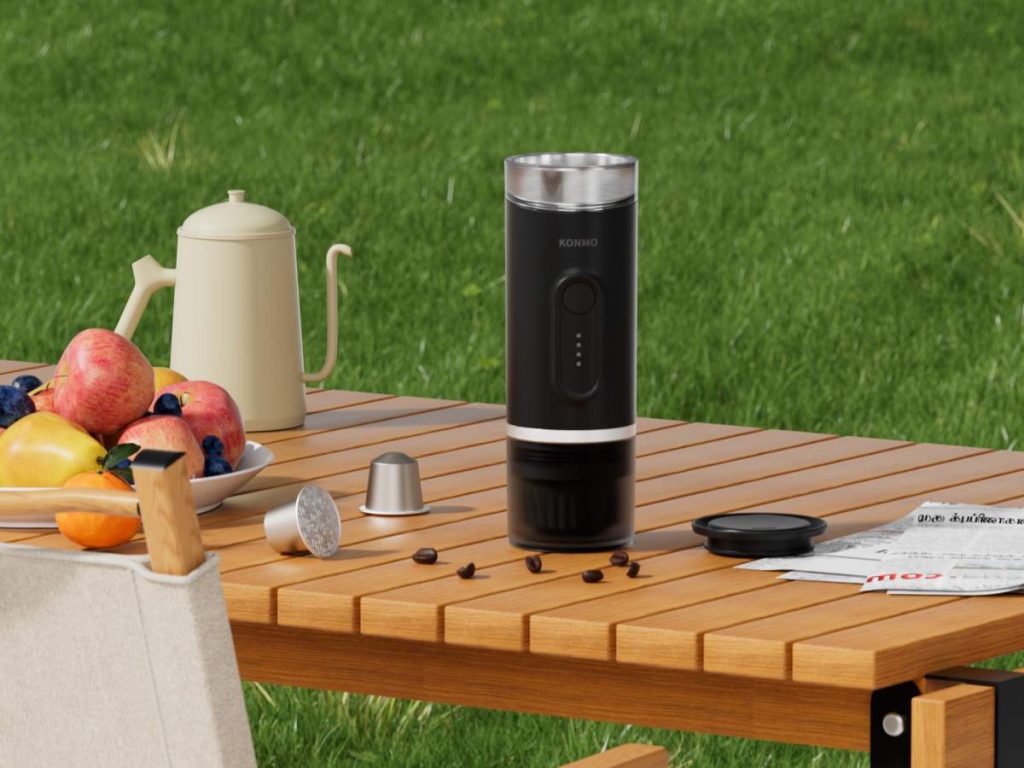
You can work around most small-machine limitations with these practical techniques:
Use Pre-Infusion
Pre-infusion soaks the coffee puck at low pressure before full extraction, allowing water to evenly saturate the grounds instead of channeling through weak spots. This produces more consistent flavor, denser crema, and balanced sweetness. Many entry-level compact machines include basic pre-infusion, and manual techniques work on any model.
Upgrade Your Grinder & Use Fresh Beans
Grind quality is just as important as the machine itself. Flat burr grinders produce more consistent particle size for balanced extraction. Blade grinders create uneven particles that can result in mixed sour and bitter notes. Always use freshly roasted beans for the best flavor.
Master Basic Technique
- Preheat the machine and cups before brewing to preserve brew temperature.
- Tamp evenly to prevent channeling.
- Adjust grind size to hit the ideal extraction time (roughly 25–30 seconds for a double shot).
FAQ
Do small espresso machines use the same pressure as full-size models?
Yes. Well-built compact machines maintain a steady 9 bar of extraction pressure, just like full-size models. Advertised pump ratings (15/20 bar) refer to maximum pump output, not actual brewing pressure.
How long should an espresso shot take on a compact machine?
The ideal extraction time is the same for all machines: roughly 25–30 seconds for a standard double shot. If your shot runs too fast or too slow, adjust your grind size first before blaming the machine.
Do you need a special grinder for a small espresso machine?
No special grinder is required, but grind quality directly impacts flavor. Flat burr grinders deliver more consistent particle size for better extraction than blade grinders.
Can a budget small espresso machine make good coffee?
Yes. A budget machine with a 58mm portafilter and stable temperature can produce excellent espresso. Preheating the machine, using fresh beans, and tamping evenly all help maximize results.
Are capsule machines a good choice for beginners?
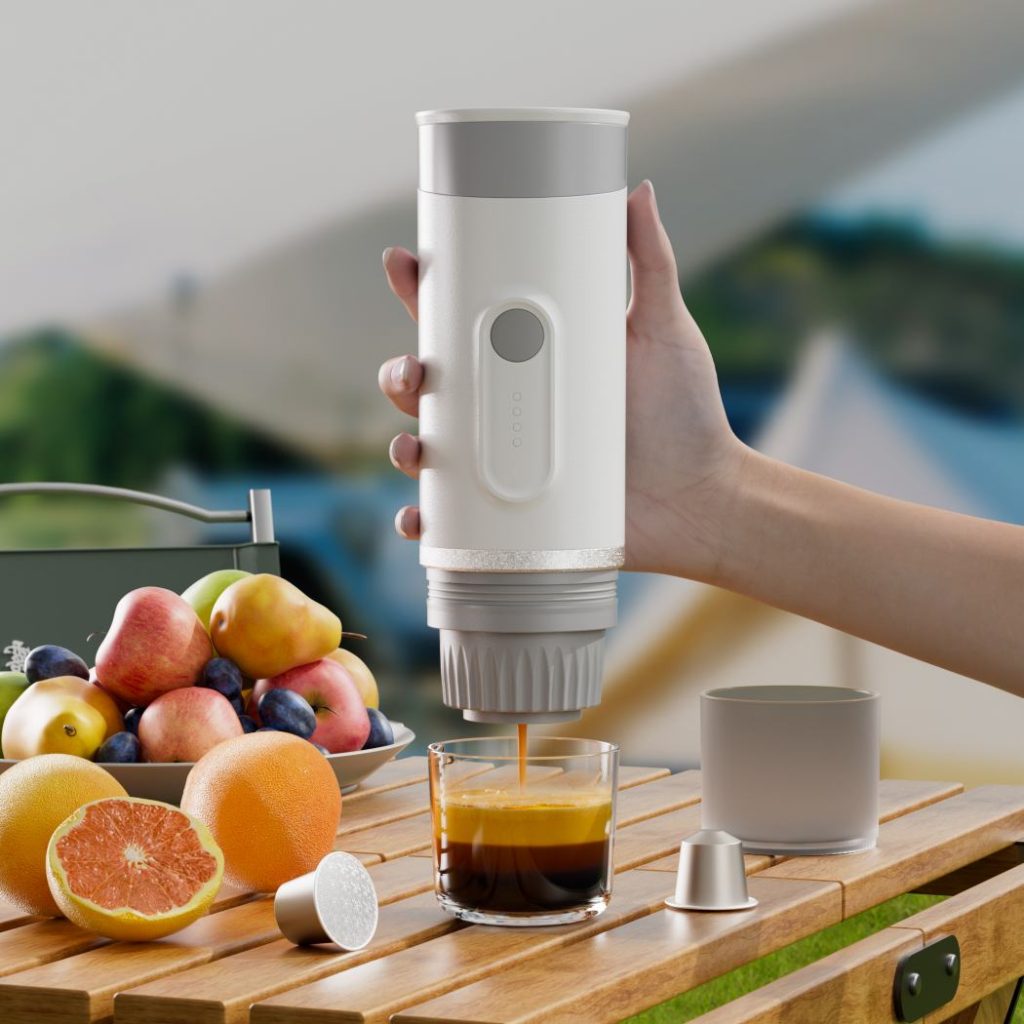
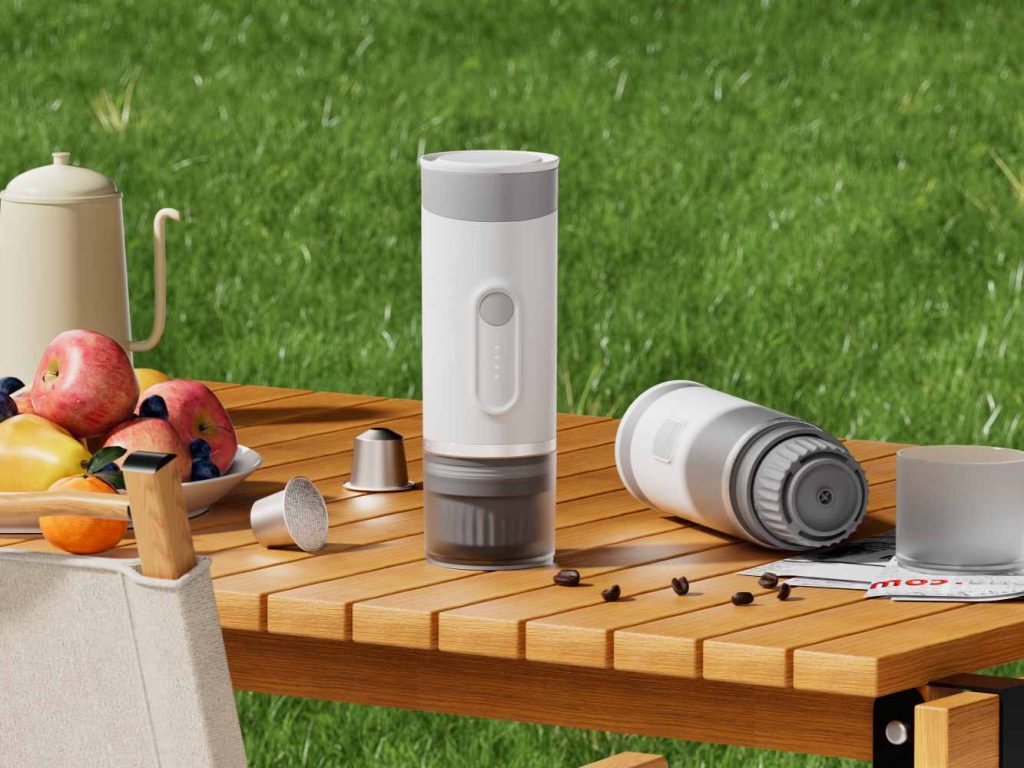
Yes. Capsule machines offer simple one-touch operation and eliminate the need for grinding, dosing, and tamping. They’re ideal for convenience-focused users. Semi-automatic machines are better for those who want to learn the craft.
Final Verdict
Small espresso machines absolutely can make great espresso — the limiting factor is build quality, not size. A compact machine with PID temperature control, steady 9-bar extraction, and a 58mm group head can deliver café-quality shots in a tiny footprint.
Entry-level budget models require more technique and workarounds, but can still produce excellent results with fresh beans and proper practice. When shopping, focus on engineering and features that match your routine, not just size or advertised specs.