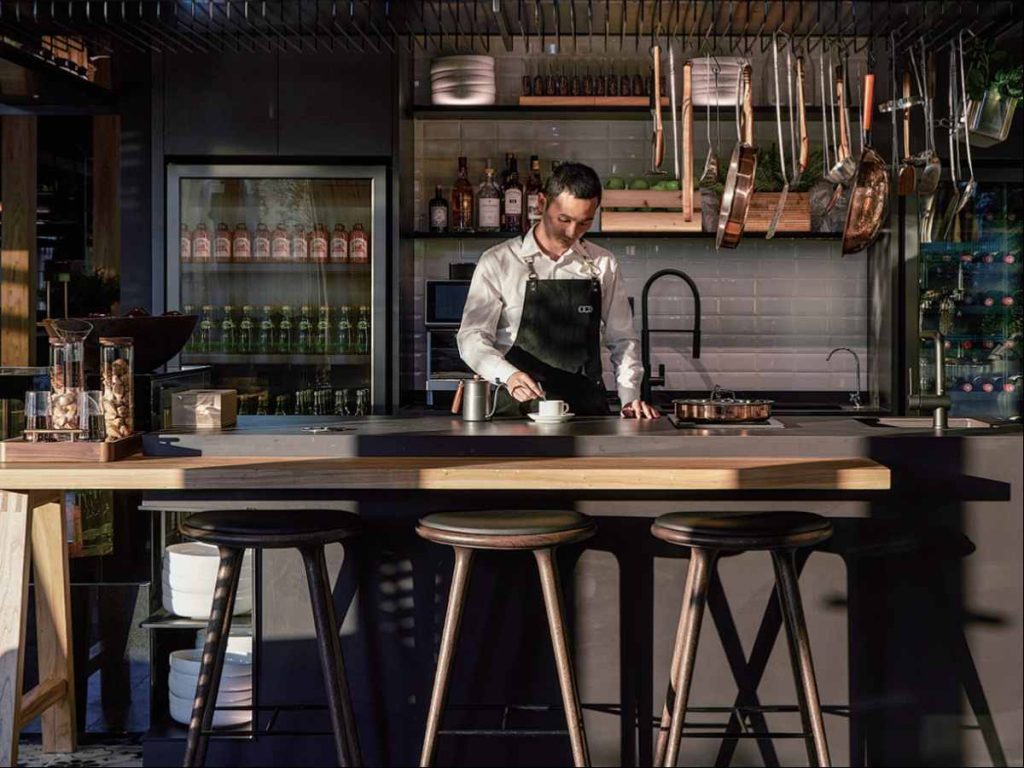
There is no universal “better” choice between fully automatic and semi-automatic coffee machines — the right pick depends entirely on your daily routine, budget, and how much hands-on control you want over your brew. Fully automatic models deliver one-touch convenience and consistent results for busy mornings, while semi-automatic machines put full control of grind, dose, tamping and extraction in your hands for craft brewing.
Both types are capable of making excellent espresso. This guide breaks down the core differences, ideal use cases, and key factors to consider before buying, to help you pick the best match for your lifestyle.
Key Takeaways
- Fully automatic machines deliver one-touch convenience and perfectly consistent results, ideal for busy weekday mornings.
- Semi-automatic espresso machines give you full control over grind, dose, tamping and extraction, perfect for coffee enthusiasts.
- Semi-automatic setups often have a lower upfront machine cost, but usually require a separate grinder to complete the setup.
- Both styles can make high-quality coffee; the best choice matches your daily routine and how much effort you want to put into brewing.
- Ignore common myths: automatic machines don’t make worse coffee, and beginners can learn semi-automatic brewing quickly with a well-built model.
Core Definitions: What Each Coffee Machine Type Does
Fully Automatic (Super-Automatic) Espresso Machines
A fully automatic machine handles the entire brewing process with a single button press. It has a built-in grinder, dosing system, and automatic tamping — the user only needs to fill the bean hopper and water tank, then select a drink setting. Many models also include automatic milk frothing for lattes and cappuccinos.
These machines remove nearly all manual steps from your daily routine. Settings like strength and volume are adjustable via a menu, but the machine executes every step of extraction on its own.
Semi-Automatic Espresso Machines
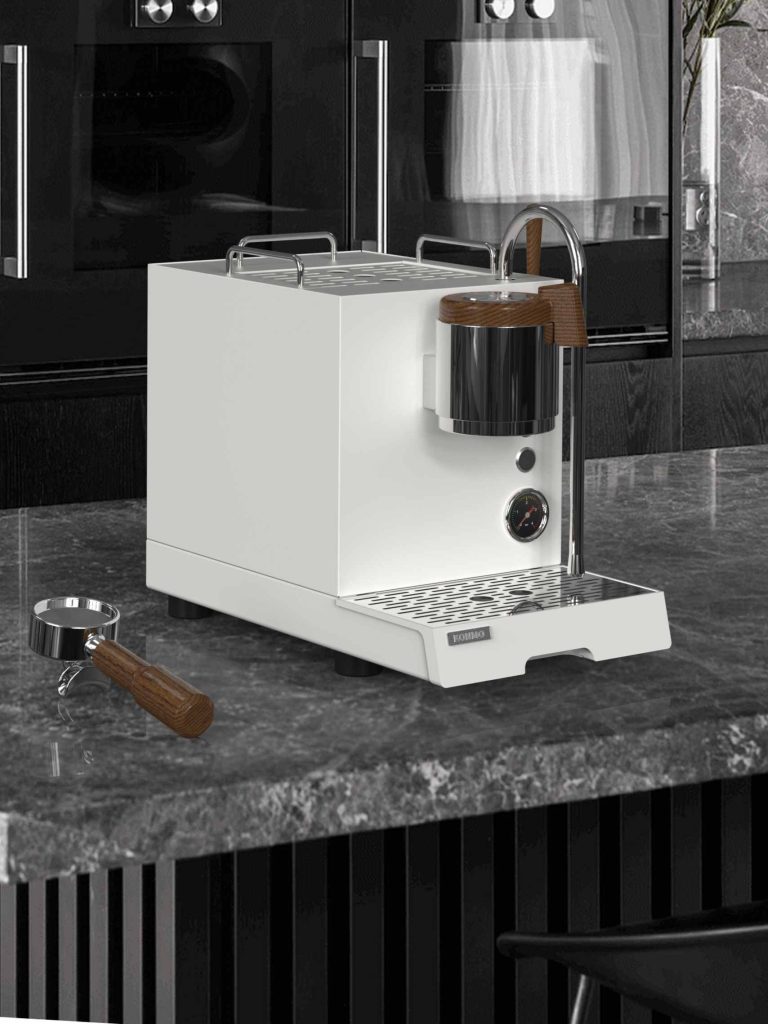
A semi-automatic machine uses a built-in pump to deliver consistent brewing pressure, but leaves all craft steps to the user. You are responsible for grinding beans, filling the portafilter, tamping the puck, starting the extraction, and stopping the shot at the ideal time.
This design prioritizes control over convenience, and lets you tweak every variable to adjust flavor to your preference.
Key Differences Between Automatic and Semi-Automatic Coffee Machines
| Factor | Fully Automatic | Semi-Automatic |
|---|---|---|
| Brewing control | Machine handles all steps; limited adjustable settings | Full user control over grind, dose, tamp, and extraction timing |
| Convenience | One-touch operation; minimal daily effort | Requires hands-on work for every shot |
| Consistency | Extremely consistent results every time | Consistency depends on user skill; improves with practice |
| Learning curve | Very short; usable right out of the box | Moderate; basics take a few sessions to master, with room to grow skill |
| Upfront cost | Higher initial price | Lower machine price, but requires a separate grinder for most setups |
| Ideal for | Busy households, offices, casual drinkers | Coffee enthusiasts, home baristas, hobbyists |
Which Coffee Machine Is Better for Your Needs?
Choose a Fully Automatic Machine If:
- You want fast, zero-fuss coffee for busy weekday mornings
- Consistency matters more than hands-on control
- Multiple people with different preferences will use the machine (saved user profiles work well for households)
- You prefer minimal cleanup and maintenance
Choose a Semi-Automatic Machine If:
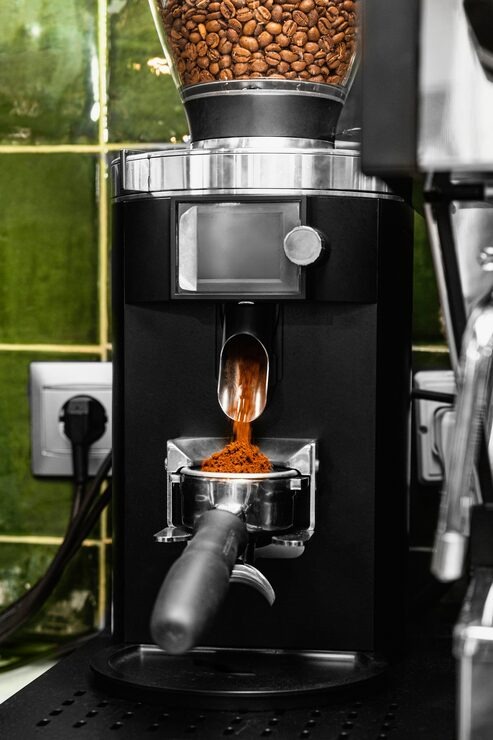
- You enjoy the craft and ritual of making espresso, and want to experiment with flavor
- You want full control over every brewing variable to dial in different beans
- You’re interested in learning and improving your barista skills over time
- You want a lower-barrier entry into home espresso, with room to upgrade accessories later
Well-built semi-automatic models like KONMO espresso machines pair a stable, consistent pump with fully user-controlled extraction, making them a great fit for both beginners and experienced home baristas looking to grow their skills.
Key Factors to Consider When Buying a Coffee Machine
- Daily routine: How much time do you have to make coffee on an average morning? Busy schedules lean heavily toward automatic convenience.
- Total budget: Semi-automatic machines have a lower sticker price, but factoring in a quality grinder can bring the total cost close to an entry-level super-automatic. Always compare complete setups, not just the machine itself.
- Counter space: A semi-automatic plus separate grinder takes more counter space than an all-in-one automatic model.
- Maintenance needs: Automatic machines have more integrated parts that require regular cleaning cycles; semi-automatic setups have simpler, more modular maintenance.
- Long-term interest: If you think you may want to experiment with specialty beans and brewing techniques down the line, a semi-automatic machine gives you more room to grow.
FAQ
Do semi-automatic machines always need a separate grinder?
Most do, as entry-level semi-automatic models do not include built-in grinders. Some higher-end options have integrated grinders, so always check specs before purchasing. The total cost of machine plus grinder is comparable to many entry-level fully automatic models.
Can beginners use a fully automatic machine right away?
Yes. Fully automatic machines are designed for immediate use: just fill the hopper and water tank, select your drink, and press a button. There is virtually no learning curve for basic operation.
How long does it take to learn semi-automatic espresso?
The basics come quickly: most beginners can pull a good-tasting shot within 3–5 practice sessions. Skill continues to build over time as you experiment with grind size, dose and extraction time. A stable, well-built machine makes the learning process much smoother.
Is automatic espresso lower quality than semi-automatic?
No. A high-quality automatic machine brews at consistent temperatures and uses fresh beans to produce excellent espresso. The main difference is who controls brewing variables, not a hard limit on drink quality.
Which type works better for a multi-person household?
Fully automatic machines are usually the better fit for busy households. Most let you save custom drink profiles for different users, and deliver consistent results no matter who makes the coffee. Semi-automatic machines work best for households where most users enjoy the brewing process.