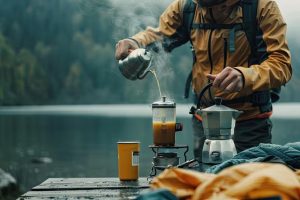

Using a portable espresso maker follows a simple universal flow: grind coffee, heat water, assemble the device, build pressure via pump or button, then clean up. The exact steps vary slightly by model: manual designs rely on hand pumping, while electric versions build pressure automatically with the push of a button.
This guide covers the standard brewing process, the difference between capsule and ground coffee modes, model-to-model variations, and pro tips for getting café-quality shots on the go. With a little practice, the routine becomes second nature, and you can pull a fresh espresso anywhere from a campsite to a hotel room.
Key Takeaways
- The universal 5-step process works for most models: grind coffee, heat water, assemble, build pressure, and clean.
- Choose capsules for speed and zero-mess cleanup; choose fresh ground coffee for full flavor control.
- Use a fine espresso grind (table salt texture) and roughly 8 grams of coffee for a standard single shot.
- Avoid common mistakes: use filtered water, fresh beans, preheat the device, tamp evenly, and rinse after every use.
- Manual models require hand pumping; electric and self-heating models work with one button but need power or charging.
The Universal 5-Step Brewing Process for Your Portable Espresso Maker

What You’ll Need First
Gather these supplies before you start: fresh coffee beans (or compatible capsules), hot water, a cup, and the included scoop/tamper. For best results, add a small scale for precise dosing and a manual burr grinder for whole beans.
Water quality matters as much as the beans. Always use filtered water — chlorine and mineral buildup will ruin flavor and damage internal parts over time. Set the device on a flat, stable surface, and give it a quick rinse before first use to remove factory dust.
Step-by-Step Instructions (Works for Most Manual Models)
- Grind coffee to a fine, espresso-grade texture (similar to table salt). Most standard baskets hold about 8 grams of grounds.
- Heat water and pour it into the tank up to the marked fill line. Most manual models require preheated water; self-heating electric models can warm cold water internally.
- Assemble the unit: Screw the water tank and brew chamber together securely until snug.
- Build pressure: For manual models, pump the side button steadily until extraction starts. For electric models, press the start button and wait for the shot to finish.
- Clean immediately: Rinse the filter basket, tank, and threads with warm water. Dry all parts fully before storage.
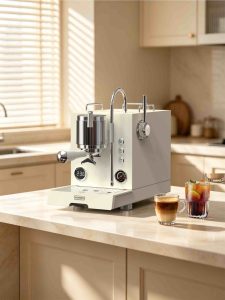
Electric coffee machines only change step 4: the device handles pressure automatically, so you simply wait for the shot to complete.
Capsules vs. Ground Coffee: Which to Use
Most modern portable coffee makers are 2-in-1 designs that support both formats. Each has clear tradeoffs based on your routine.
Brewing with Capsules
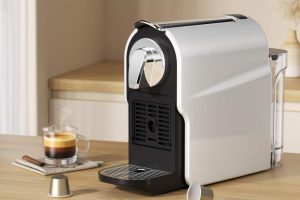
Capsule brewing is the fastest, cleanest option:
- Fill the water tank
- Drop a compatible capsule into the holder
- Start the brew cycle
The capsule stays fully sealed during extraction, so no loose grounds spill out. After brewing, just discard the cooled capsule and rinse the holder. This delivers perfectly consistent shots every time, with zero guesswork about dose or grind. It is ideal for travel, busy mornings, or anyone who wants minimal cleanup.
Brewing with Ground Coffee
Loose grounds require a little more work, but deliver fresher, more customizable flavor:
- Grind beans to a fine espresso texture
- Add 8 grams (or your basket’s rated dose) to the filter basket
- Tamp evenly with the back of the scoop
- Assemble the chamber, add hot water, and pump to extract
This method lets you dial in your favorite roast and adjust strength to your taste. It is the better choice for coffee enthusiasts who want maximum flavor control on the road.
Common Portable Espresso Maker Types & Differences

All models follow the same core brewing principle, but they differ in power source, capacity, and features.
| Type | Coffee Format | Self-Heating? | Power Source | Typical Dose | Best For |
|---|---|---|---|---|---|
| Manual pump | Ground coffee / 2-in-1 | No | Hand pumping | 8–12 g | Backpacking, camping, no-power scenarios |
| USB-C electric | Ground coffee / capsules | No | USB rechargeable pump | 8–13 g | Travel, office, car use |
| Self-heating electric | Ground coffee / capsules | Yes | Battery or 12V car power | 8–12 g | Hotel rooms, road trips, no kettle access |
| CO₂ cartridge | Ground coffee only | No | Disposable CO₂ cartridges | 18 g | Premium travel, high-pressure extraction |
Tips for Making Better Espresso on the Go
1. Get the Grind & Dose Right
Grind size is the biggest factor in shot quality:
- Too coarse = fast flow, sour, weak under-extracted coffee
- Too fine = slow flow, bitter, muddy over-extracted coffee
Start with a table-salt texture. If the shot pours too fast and tastes sour, grind finer. If it drips slowly and tastes bitter, grind coarser. A quality burr grinder will produce the most uniform particles for consistent results.
Weigh your dose with a small scale for the most repeatable results. Only grind the amount you need for one shot — ground coffee goes stale in as little as 24 hours.
2. Avoid These Common Mistakes
- Using tap water: Coffee is 98% water. Chlorine and off-flavors in tap water will flatten your shot. Always use filtered water with balanced minerals.
- Stale beans: Use beans roasted within the last 2 weeks, stored in an airtight container away from light and heat.
- Skipping preheating: Run hot water through the empty device before brewing to warm the internal parts. This keeps extraction temperature consistent.
- Uneven tamping: Apply even pressure (roughly 30 lbs) to level the grounds. This ensures water flows through the whole basket evenly.
- Skipping cleaning: Old coffee residue will make every subsequent shot taste bitter. Always rinse after use.
FAQ
Does a portable espresso maker need hot water?
Most manual models require preheated water poured into the tank. Some electric designs have a built-in self-heating element that warms cold water internally, so no separate kettle is needed.
How much coffee goes in a portable espresso maker?
Most standard baskets hold about 8 grams of ground coffee. Larger models can hold 12–18 grams. Always check your device manual for the exact rated capacity, and use a small scale for precise dosing.
Can a portable espresso maker use both capsules and ground coffee?
Many 2-in-1 models support both formats. Capsules offer speed and easy cleanup; ground coffee gives you fresher flavor and full control over grind and dose.
How long does it take to brew?
Manual models take 2–4 minutes total from grind to cup, including about 20–30 pumps for extraction. Electric models brew faster once started, usually finishing in under a minute.
How do you clean a portable espresso maker?
Rinse the basket and tank with warm water right after use, and wipe threads and seals dry. For electric models, keep the main body and charging ports away from water. Capsule models only require removing the used capsule and a quick wipe of the holder.