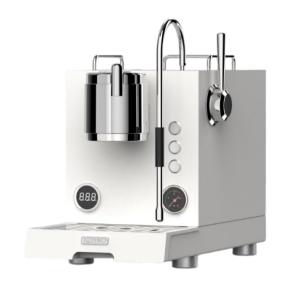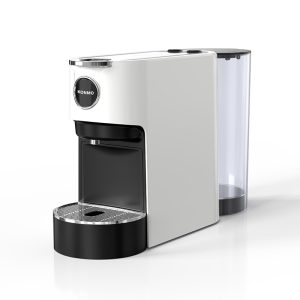
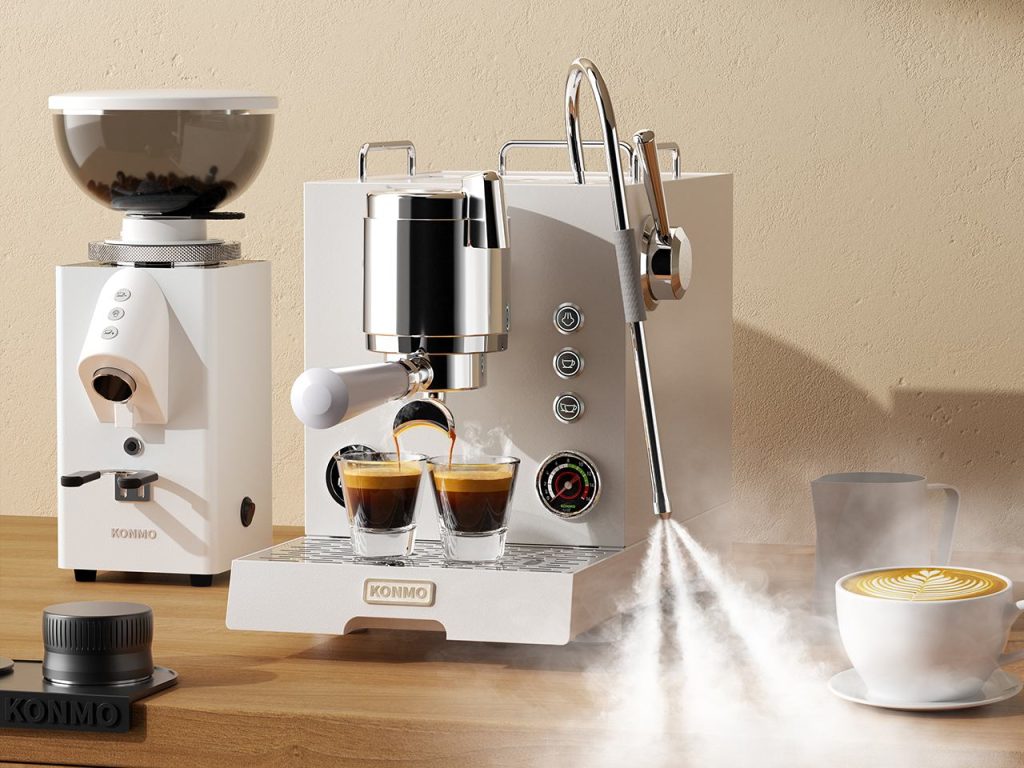
Choosing the right commercial coffee machine is an important decision for cafés, hotels, offices, restaurants, and other coffee-serving businesses. The machine you choose can affect beverage quality, service efficiency, daily workflow, operating costs, and overall customer experience.
Many buyers focus only on machine pricing when comparing commercial coffee machines. However, factors such as daily drink volume, beverage menu, installation requirements, maintenance needs, and long-term reliability are equally important when selecting the right system.
From semi-automatic espresso machines to fully automatic and capsule coffee systems, each type of commercial coffee machine is designed for different business models and service environments. Understanding these differences can help businesses improve efficiency while delivering more consistent coffee quality.
In this guide, we explain how to choose a commercial coffee machine based on business type, capacity requirements, machine features, installation conditions, and operational costs to help you make a more informed purchasing decision.
Key Takeaways
- Choose a commercial coffee machine based on your daily drink volume, peak service hours, and business type.
- Different machine types serve different needs. Semi-automatic espresso machines offer greater control, while fully automatic and capsule systems improve speed and consistency.
- Your beverage menu directly affects the machine configuration you need, including boiler capacity, group heads, and milk frothing systems.
- Before installation, check your available counter space, electrical setup, water supply, and drainage requirements.
- Long-term operating costs such as maintenance, cleaning, energy consumption, and staff training are just as important as the initial machine price.
- Reliable after-sales support, spare parts availability, and machine durability should also be considered when choosing a commercial coffee machine supplier.
Choosing a Commercial Coffee Machine Based on Business Needs
Capacity & Daily Drink Volume
Choosing the right commercial coffee machine starts with understanding your daily drink volume and peak-hour demand. Different business types require different machine capacities, brewing speeds, and workflow configurations.
For example, a small café, office, or convenience store may only require a compact machine capable of producing fewer than 100 cups per day. In contrast, busy cafés, restaurants, hotels, and chain stores often require higher-capacity systems designed for continuous operation during peak service hours.
The table below provides a general reference for selecting a commercial coffee machine based on business size and daily beverage output:
| Business Type | Recommended Daily Output |
|---|---|
| Small Café / Office | Up to 100 cups/day |
| Medium Café / Restaurant | 100–300 cups/day |
| Busy Coffee Shop / Bakery | 300–600 cups/day |
| Hotel / Chain Store | 600+ cups/day |
Selecting a machine with the right production capacity helps maintain beverage consistency, reduce customer wait times, and improve operational efficiency during busy periods.
Choosing a Machine Based on Your Beverage Menu
Your beverage menu plays an important role in choosing the right commercial coffee machine. Different drink types require different brewing systems, milk frothing capabilities, and extraction controls.
For businesses focused on espresso-based beverages such as lattes, cappuccinos, flat whites, and americanos, a commercial espresso machine with stable temperature control and steam performance is often the best choice. These machines provide greater control over extraction quality and milk texture, helping deliver more consistent specialty coffee drinks.
Businesses that prioritize speed and convenience, such as offices, hotels, convenience stores, or self-service environments, may benefit more from fully automatic or capsule coffee machines. These systems simplify operation, reduce staff training requirements, and improve serving efficiency during busy periods.
When selecting a commercial coffee machine, businesses should also consider menu expansion plans, drink customization needs, and expected customer preferences. Choosing a machine that aligns with your beverage program can improve workflow efficiency while maintaining consistent coffee quality.
Matching the Machine to Your Business Model
Different business models require different types of commercial coffee machines. A specialty café may prioritize beverage customization and barista control, while hotels, offices, and convenience stores often focus more on speed, consistency, and ease of operation.
For businesses with high customer traffic, fully automatic coffee machines can improve serving efficiency and reduce labor requirements. In contrast, cafés and specialty coffee shops may prefer semi-automatic espresso machines that provide greater control over extraction and milk frothing performance.
Many businesses also look for commercial coffee machines that support branding, product flexibility, and long-term scalability. Features such as adjustable beverage settings, integrated milk systems, and multi-capsule compatibility can help businesses adapt to different customer preferences and service environments.
For OEM and private label projects, working with an experienced commercial coffee machine manufacturer can simplify product customization, certification compliance, and supply chain management. Suppliers like KONMO provide multiple machine configurations designed for cafés, hotels, offices, and retail coffee applications.
Tip: Before purchasing a commercial coffee machine, evaluate your expected daily drink volume, peak-hour demand, beverage menu, available installation space, and staff workflow requirements. A well-matched machine can improve operational efficiency, beverage consistency, and long-term return on investment.
Types of Commercial Coffee Machines
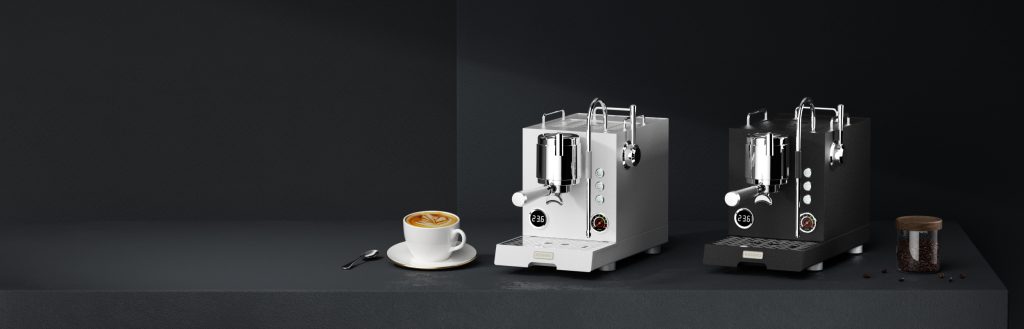
Understanding the different types of commercial coffee machines is essential when selecting equipment for your business. Each machine type offers different advantages in terms of beverage quality, automation level, workflow efficiency, maintenance requirements, and customer experience.
From semi-automatic espresso machines to fully automatic and capsule coffee systems, choosing the right solution depends on your service style, daily volume, staff skill level, and menu requirements.
When you pick a commercial coffee machine, you need to know the main types. Each type works best for different businesses and customers. KONMO has many choices, like semi-automatic, fully automatic, and capsule systems. You can find one that fits your staff, menu, and how you work.
Semi-Automatic vs Fully Automatic Coffee Machines
Semi-automatic and fully automatic coffee machines are two of the most common options used in cafés, restaurants, hotels, and office coffee environments. Each type offers different advantages depending on beverage quality expectations, staff experience, and service speed requirements.
Semi-automatic espresso machines provide baristas with greater control over coffee extraction, milk frothing, and shot timing. These machines are commonly used in specialty coffee shops where beverage customization and espresso quality are key priorities. However, they typically require more operator training and manual workflow management.
Fully automatic commercial coffee machines focus more on consistency, speed, and ease of use. With programmable beverage settings and automated brewing functions, these machines help businesses improve serving efficiency while reducing labor dependency. They are widely used in offices, hotels, convenience stores, and high-volume self-service environments.
The comparison below highlights the main differences between semi-automatic and fully automatic commercial coffee machines:
| Feature | Semi-Automatic Espresso Machines | Fully Automatic Coffee Machines |
|---|---|---|
| Operation Style | Manual extraction control | Automated brewing process |
| Barista Skill Requirement | Higher | Lower |
| Beverage Customization | More flexible | More standardized |
| Service Speed | Moderate | Faster |
| Best For | Specialty cafés | Hotels, offices, self-service |
| Maintenance Complexity | Moderate | Higher internal system complexity |
Choosing between semi-automatic and fully automatic coffee machines depends on your business workflow, beverage program, labor structure, and customer expectations.
Capsule Coffee Machines & Specialty Brewing Systems
Capsule commercial coffee machines have become increasingly popular in offices, hotels, meeting spaces, convenience stores, and self-service coffee stations. These systems are designed to simplify coffee preparation while maintaining consistent beverage quality across different operating environments.
Compared with traditional espresso machines, capsule coffee systems require less operator training and daily maintenance. Staff can prepare coffee quickly with minimal manual adjustment, making capsule machines ideal for businesses that prioritize convenience, workflow efficiency, and standardized beverage output.
Many modern capsule commercial coffee machines are also compatible with multiple capsule formats, allowing businesses to offer a wider range of coffee styles and flavor options. This flexibility is especially valuable for hospitality and office environments where customer preferences may vary.
Specialty coffee systems, on the other hand, focus more on beverage customization and extraction precision. These machines are commonly used in specialty cafés and premium coffee environments where factors such as grind consistency, brewing control, milk texture, and espresso quality play a more important role in the customer experience.
When choosing between capsule systems and specialty coffee machines, businesses should evaluate factors such as service speed, labor requirements, drink consistency, beverage variety, and overall operational workflow.
How to Choose the Right Coffee Machine Type
Choosing the best commercial coffee machine requires balancing beverage quality, operational efficiency, labor requirements, and long-term business needs. Different machine types are designed for different service environments, so businesses should evaluate both current operational demands and future growth plans before making a purchasing decision.
One of the most important factors is daily drink volume and peak-hour workflow. Businesses with high customer traffic often require machines with faster brewing speeds, larger boiler systems, and higher production capacity to maintain consistent service during busy periods.
Staff experience and training requirements should also be considered. Semi-automatic espresso machines typically require trained baristas and more manual operation, while fully automatic and capsule coffee systems simplify the brewing process and reduce labor dependency.
In addition, businesses should evaluate installation space, electrical requirements, maintenance complexity, beverage menu flexibility, and after-sales service support. Choosing a commercial coffee machine with reliable technical support and accessible replacement parts can help reduce downtime and improve long-term operational stability.
For businesses planning OEM or private label projects, machine customization, certification compliance, and supply chain reliability may also influence the final equipment selection.
Tip: Before selecting a commercial coffee machine, compare your expected drink volume, beverage menu, available space, staffing structure, and service workflow. Choosing the right machine configuration can improve efficiency, reduce operating costs, and support long-term business growth.
Key Features to Look for in a Commercial Coffee Machine
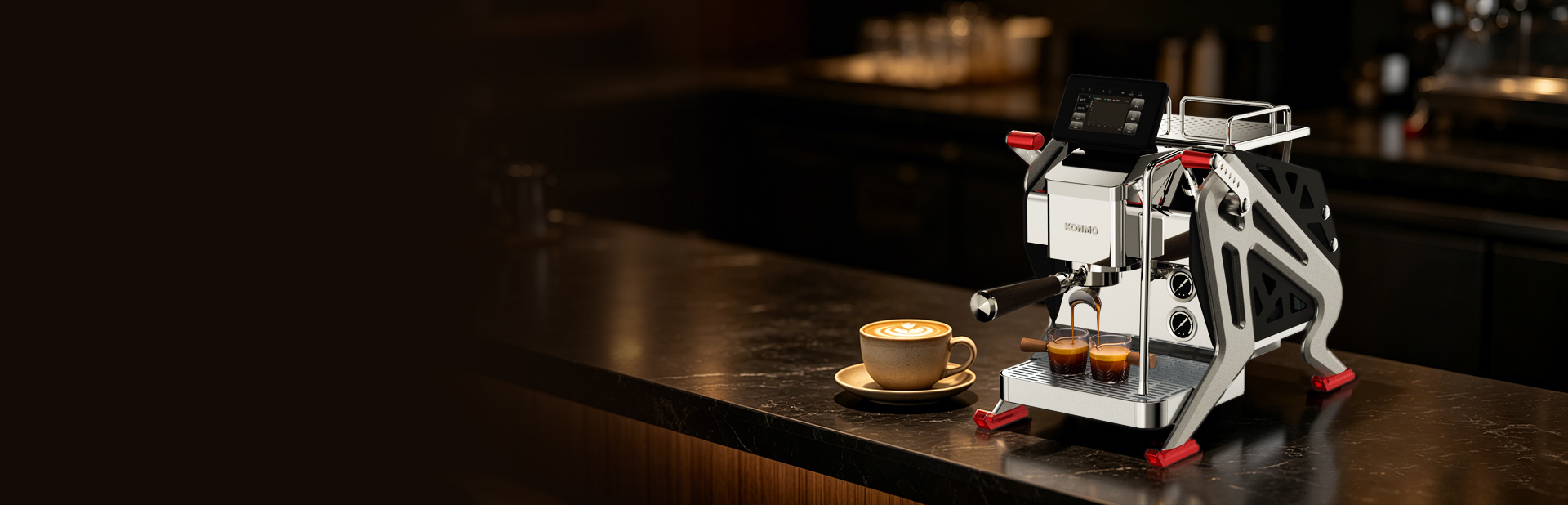
When choosing a commercial coffee machine, technical features can directly affect beverage consistency, workflow efficiency, maintenance requirements, and long-term performance. Factors such as group head configuration, boiler system, temperature stability, and milk frothing capability all influence how efficiently a machine operates in different business environments.
Understanding these key features can help businesses select a machine that matches their operational needs and beverage menu requirements.
Group Heads & Boiler Systems
Group heads and boiler systems are among the most important components of a commercial espresso machine. They directly affect brewing stability, drink output, steam performance, and overall workflow efficiency during busy operating hours.
The number of group heads determines how many espresso shots can be prepared simultaneously. Smaller cafés or mobile coffee carts may only require a one- or two-group espresso machine, while high-volume cafés, bakeries, hotels, and chain stores often require three-group or multi-group systems to handle peak-hour demand more efficiently.
Boiler configuration also plays a major role in machine performance. Heat exchanger and multi-boiler systems are commonly used in commercial environments because they provide more stable brewing temperatures and allow simultaneous espresso extraction and milk steaming. This is especially important for businesses serving a high volume of milk-based beverages such as lattes and cappuccinos.
The table below provides a general reference for selecting group head configurations based on business size and expected drink volume:
| Business Type | Recommended Machine Configuration |
|---|---|
| Small Café / Mobile Cart | 1–2 Group Espresso Machine |
| Neighborhood Café | 2 Group Commercial Machine |
| Busy Café / Bakery | 3 Group Espresso Machine |
| Hotel / Chain Store | Multi-Group or Super Automatic System |
Choosing the right group head and boiler setup can improve service speed, beverage consistency, and operational efficiency during high-demand periods.
Temperature Stability & Milk Frothing Performance
Temperature stability is one of the most important factors affecting espresso extraction quality. Inconsistent brewing temperatures can lead to under-extraction or over-extraction, directly impacting coffee flavor, aroma, and beverage consistency.
Many professional commercial coffee machines use advanced temperature control systems such as PID technology, heat exchanger systems, or multi-boiler configurations to maintain stable brewing performance throughout busy operating hours. These systems help ensure more consistent espresso quality, especially in high-volume café and restaurant environments.
Milk frothing performance is equally important for businesses serving milk-based beverages such as lattes, cappuccinos, flat whites, and macchiatos. Commercial espresso machines with stable steam pressure and high-performance steam wands allow baristas to create smoother milk textures and more consistent microfoam for specialty coffee preparation.
Some fully automatic coffee machines also include integrated milk systems that simplify beverage preparation and reduce manual operation. These systems are commonly used in hotels, offices, and self-service coffee stations where speed and operational efficiency are priorities.
When evaluating temperature control and milk frothing systems, businesses should consider beverage menu requirements, expected service volume, operator skill level, and workflow efficiency.
Cleaning & Maintenance Requirements
Regular cleaning and maintenance are essential for maintaining beverage quality, machine performance, and long-term operational reliability. A commercial coffee machine that is easy to clean can help businesses reduce downtime, improve workflow efficiency, and extend equipment lifespan.
Many modern commercial coffee machines include automatic cleaning programs, removable brewing components, and simplified maintenance systems that reduce daily cleaning time. These features are especially valuable in busy cafés, restaurants, hotels, and office coffee environments where operational efficiency is a priority.
For traditional espresso machines, routine maintenance typically includes backflushing group heads, cleaning steam wands, replacing water filters, and descaling internal boiler systems. Proper maintenance helps maintain stable brewing temperatures, consistent espresso extraction, and reliable steam performance over time.
Fully automatic coffee machines and capsule systems often simplify maintenance further through automated rinsing cycles and touchscreen maintenance alerts. These functions help reduce operator error and lower staff training requirements.
When selecting a commercial coffee machine, businesses should evaluate maintenance complexity, cleaning frequency, replacement part availability, and technical support services. Machines designed for easier maintenance can help reduce long-term operating costs and improve overall equipment reliability.
Commercial Coffee Machine Installation & Operating Costs
Beyond beverage quality and machine performance, businesses should also evaluate installation requirements, operating costs, and long-term return on investment when selecting a commercial coffee machine.
Factors such as electrical configuration, water supply, maintenance expenses, energy consumption, and service support can significantly affect the total cost of ownership over time. Choosing the right machine setup can help businesses improve efficiency while reducing operational risks and maintenance costs.
Space, Power & Water Requirements
Before installing a commercial coffee machine, businesses should carefully evaluate available counter space, electrical capacity, water supply access, and drainage conditions. Proper installation planning helps ensure stable machine performance, safer operation, and smoother daily workflow.
Most commercial espresso machines require dedicated electrical configurations such as 220V or 380V power connections, depending on machine size and boiler capacity. Businesses should also confirm whether their location can support the machine’s power consumption and continuous operating requirements during peak service hours.
Water quality is another critical factor in commercial coffee machine performance. Poor water conditions can lead to mineral buildup, unstable brewing temperatures, reduced steam efficiency, and increased maintenance frequency. Many businesses install water filtration systems to improve espresso quality and protect internal boiler components from scale accumulation.
Adequate workspace around the machine is equally important. Baristas and staff should have enough room for beverage preparation, milk frothing, cleaning routines, and customer service workflow.
The table below outlines several common installation considerations for commercial coffee machines:
| Installation Factor | Typical Requirement |
|---|---|
| Electrical Configuration | 220V / 380V |
| Water Supply | Direct water connection |
| Drainage | Built-in drainage access |
| Counter Space | Sufficient operating workspace |
| Water Filtration | Recommended for scale prevention |
Proper installation planning can help reduce operational issues, improve machine lifespan, and maintain more consistent coffee quality over time.
Budget Planning & Long-Term Return on Investment
When purchasing a commercial coffee machine, businesses should evaluate both the initial equipment investment and the long-term operating costs associated with daily use, maintenance, energy consumption, and staff efficiency.
Commercial coffee machine pricing can vary significantly depending on machine type, automation level, boiler configuration, production capacity, and brand positioning. Entry-level commercial espresso machines are typically used in smaller cafés or offices, while high-capacity multi-group or fully automatic systems are more common in hotels, chain stores, and high-volume coffee environments.
However, the lowest-priced machine is not always the most cost-effective long-term solution. Businesses should also consider factors such as beverage consistency, maintenance frequency, replacement part availability, energy efficiency, and expected equipment lifespan when calculating overall return on investment.
Machines designed with energy-saving functions, automatic cleaning systems, and simplified maintenance features can help reduce labor costs and operational downtime over time. In high-volume environments, faster workflow efficiency and improved drink consistency may also contribute to higher customer satisfaction and increased beverage sales.
The table below provides a general overview of common commercial coffee machine investment ranges:
| Segment | Price Range |
|---|---|
| Entry-Level Commercial Machines | $5,000 – $10,000 |
| Mid-Range Commercial Systems | $10,000 – $15,000 |
| Premium Multi-Group Systems | $15,000 – $30,000+ |
Rather than focusing only on upfront pricing, businesses should evaluate total ownership value, operational efficiency, and long-term business scalability when selecting a commercial coffee machine.
After-Sales Support, Warranty & Technical Service
Reliable after-sales support is an important factor when choosing a commercial coffee machine supplier. In busy coffee-serving environments, machine downtime can directly affect workflow efficiency, customer experience, and daily business operations.
Businesses should evaluate warranty coverage, technical support responsiveness, spare parts availability, and maintenance service accessibility before purchasing a commercial coffee machine. Fast access to replacement components and technical assistance can help reduce operational interruptions and improve long-term equipment reliability.
Many commercial coffee machine manufacturers provide standard warranty programs covering key machine components and manufacturing defects. However, businesses should also confirm service response times, preventive maintenance recommendations, and local technical support availability, especially for high-volume commercial environments.
For international buyers, certification compliance and export experience may also influence supplier selection. Commercial coffee machines designed for global markets often require certifications such as CE, CB, RoHS, or other regional compliance standards depending on the destination market.
Businesses working on OEM or private label coffee machine projects should also evaluate supplier production capacity, customization support, quality control systems, and long-term supply chain stability. Experienced manufacturers like KONMO can provide multiple commercial coffee machine solutions designed for cafés, hotels, offices, and retail coffee applications.
Tip: When comparing commercial coffee machine suppliers, look beyond equipment specifications alone. Strong technical support, stable spare parts supply, certification compliance, and responsive after-sales service can significantly improve long-term operational reliability.
Choosing the right commercial coffee machine requires more than simply comparing prices or machine appearance. Businesses should evaluate factors such as daily drink volume, beverage menu, workflow efficiency, installation requirements, maintenance complexity, and long-term operating costs before making a purchasing decision.
Different commercial coffee machine types are designed for different service environments. Semi-automatic espresso machines are often preferred in specialty cafés that prioritize beverage customization and barista control, while fully automatic and capsule coffee systems are better suited for offices, hotels, convenience stores, and high-volume self-service applications.
Technical features such as boiler configuration, temperature stability, milk frothing performance, cleaning systems, and energy efficiency can also significantly affect beverage consistency and operational reliability over time. In addition, reliable after-sales support, spare parts availability, and certification compliance are important considerations for long-term equipment performance.
For businesses planning OEM or private label coffee machine projects, working with an experienced commercial coffee machine manufacturer can simplify customization, production management, and global market compliance requirements.
By carefully evaluating both operational needs and long-term business goals, companies can select a commercial coffee machine that improves workflow efficiency, supports consistent beverage quality, and delivers stronger long-term return on investment.
FAQ
What size commercial coffee machine do I need for my business?
The right commercial coffee machine size depends on your daily drink volume, peak-hour demand, beverage menu, and business type. Small cafés and offices may only require compact one- or two-group machines, while hotels, restaurants, and high-volume coffee shops often require larger multi-group or fully automatic systems for continuous operation.
What is the difference between a semi-automatic and fully automatic coffee machine?
Semi-automatic espresso machines provide greater control over coffee extraction, milk frothing, and beverage customization, making them popular in specialty cafés. Fully automatic coffee machines simplify the brewing process through programmable settings and automated operation, which improves serving speed and consistency in offices, hotels, and self-service environments.
Are capsule coffee machines suitable for commercial use?
Yes. Commercial capsule coffee machines are widely used in offices, hotels, meeting rooms, convenience stores, and self-service coffee stations. They offer fast beverage preparation, consistent drink quality, simplified maintenance, and lower staff training requirements compared with traditional espresso machines.
What should I check before installing a commercial coffee machine?
Before installation, businesses should evaluate electrical capacity, water supply access, drainage conditions, counter space, and ventilation requirements. Water filtration systems are also recommended to help prevent scale buildup and maintain stable brewing performance over time.
How long does a commercial coffee machine last?
The lifespan of a commercial coffee machine depends on machine quality, operating volume, maintenance routines, and water conditions. With proper cleaning, descaling, and preventive maintenance, many professional commercial coffee machines can operate reliably for several years in busy business environments.
What factors affect the cost of a commercial coffee machine?
Commercial coffee machine pricing is influenced by machine type, automation level, boiler configuration, group head quantity, production capacity, and integrated features such as milk systems or touchscreen controls. Long-term operating costs, maintenance requirements, and energy efficiency should also be considered when evaluating total investment value.
Is OEM or private label customization available for commercial coffee machines?
Many commercial coffee machine manufacturers offer OEM and private label customization services for distributors, retailers, hospitality brands, and coffee equipment businesses. Customization options may include logo branding, machine appearance, packaging, user interface adjustments, and capsule compatibility configurations.