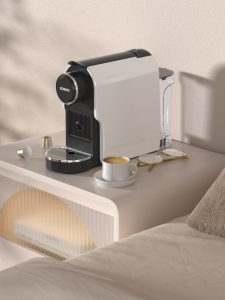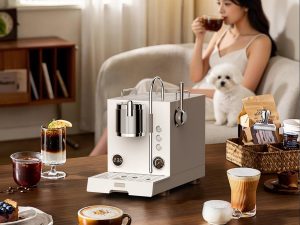
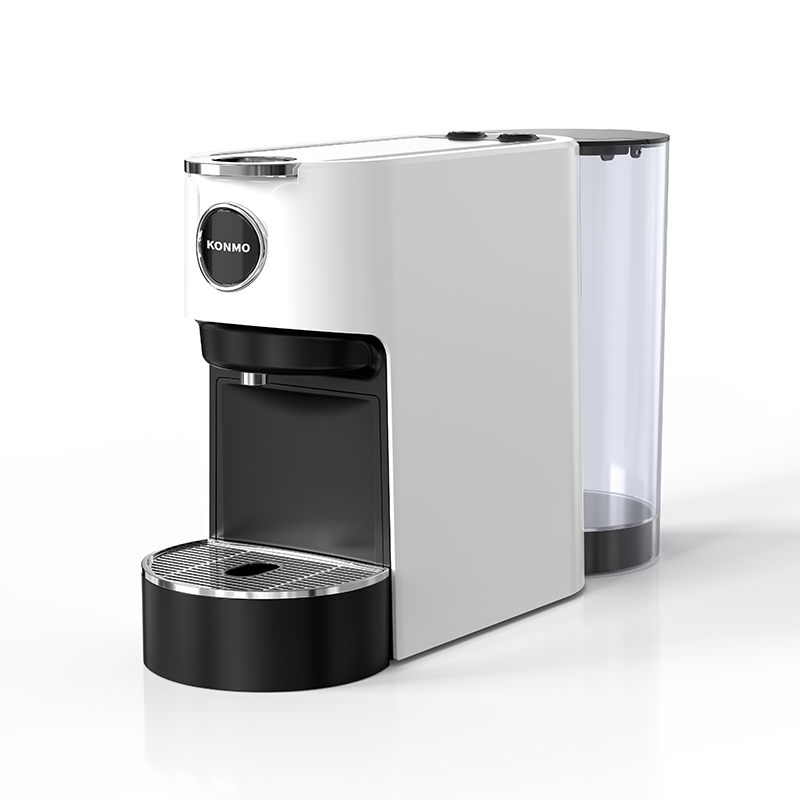
A pod coffee machine works by heating water, pumping it through a sealed coffee pod, and extracting the coffee grounds before dispensing the brewed coffee into a cup. The machine’s water tank, heating system, pump, pod chamber, and control system work together to complete the brewing process with minimal user input.
Unlike traditional espresso machines, which require users to grind coffee, measure doses, tamp the grounds, and control extraction manually, pod machines automate most of these steps. The coffee pod contains a pre-measured amount of ground coffee, helping the machine produce a consistent cup with little preparation.
Key Takeaways
- A pod coffee machine heats water and pushes it through a pre-filled coffee pod to brew coffee.
- The main brewing stages are piercing, heating, pumping, extraction, and dispensing.
- The water tank, heating element, pump, and pod chamber work together to control the brewing process.
- Pod design, grind size, water temperature, pressure, and extraction time can affect the final flavor.
- Different systems, including K-Cup and Nespresso, use different pod designs and brewing technologies.
How Does a Pod Coffee Machine Work Step by Step?
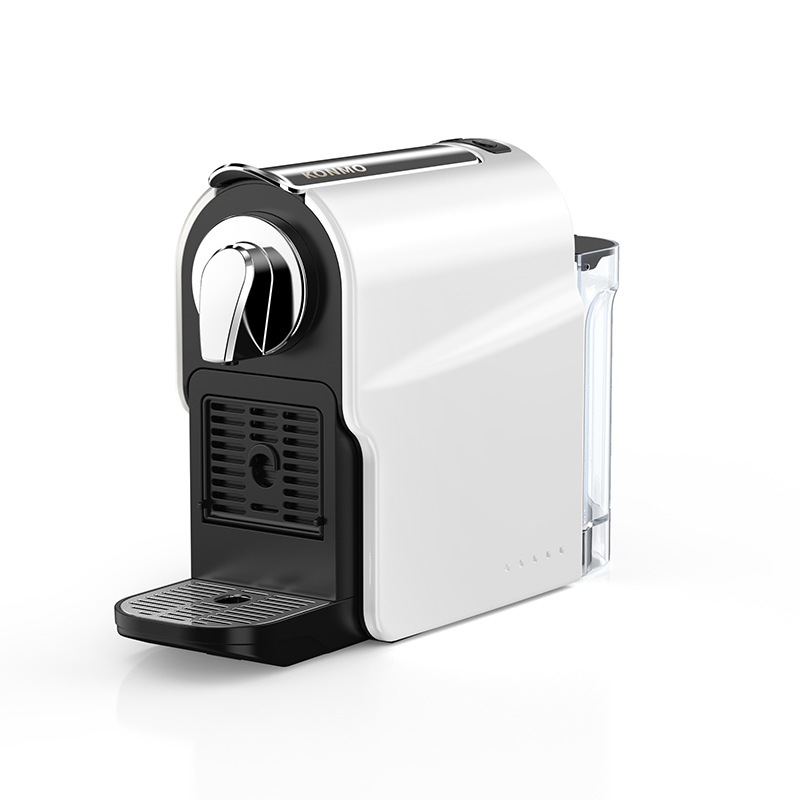
Step 1: Insert and Pierce the Coffee Pod
The brewing process begins when the user places a compatible coffee pod or capsule into the machine’s pod chamber. Each machine is designed for a specific pod system, so pod shape and size can vary between manufacturers.
After the pod is locked into position, the machine’s piercing mechanism creates openings in the pod. One opening allows hot water to enter, while another provides a path for the brewed coffee to leave.
The pod chamber also creates a seal around the pod. This helps direct water through the coffee grounds rather than allowing it to escape around the edges.
The exact piercing method depends on the brewing system. For example, different capsule systems may use different numbers and positions of piercing points. These differences can affect how water enters and spreads through the coffee.
Step 2: Heat the Water
Water from the tank is then heated to the required brewing temperature. Pod coffee machines commonly use a thermoblock, boiler, or similar heating system to heat water quickly.
Brewing temperature is important because it affects extraction. Water that is too cool may produce under-extracted coffee with weak flavor, while excessively hot water can contribute to undesirable bitterness.
Many modern machines automate temperature control, so users do not need to adjust the water temperature manually. Some KONMO pod coffee machines also use integrated water tanks and automatic brewing controls to simplify daily operation.
Step 3: Pump Hot Water Through the Pod
Once the water reaches the appropriate temperature, the pump moves it from the heating system toward the coffee pod.
The pump provides the pressure needed to force water through the compacted coffee grounds. This is one of the main differences between pod-based espresso-style brewing and gravity-based methods such as drip coffee.
The actual pressure varies by machine and brewing system. Some espresso-style pod machines operate at relatively high pump pressures, while other single-serve systems use different flow and pressure profiles.
Inside the pod, water comes into contact with the ground coffee and begins dissolving soluble compounds, oils, acids, and aromatic compounds.
Step 4: Extract and Dispense the Coffee
As hot water passes through the grounds, it extracts soluble coffee compounds. The brewed coffee then passes through the pod’s filter or outlet structure and flows into the cup.
The coff machine controls the brewing process by regulating factors such as water volume, temperature, flow rate, and brewing time. Once the programmed cycle is complete, the pump stops and the coffee is ready to serve.
This automated process allows users to produce a cup of coffee without manually measuring or tamping coffee grounds.
What Happens Inside a Pod Coffee Machine?
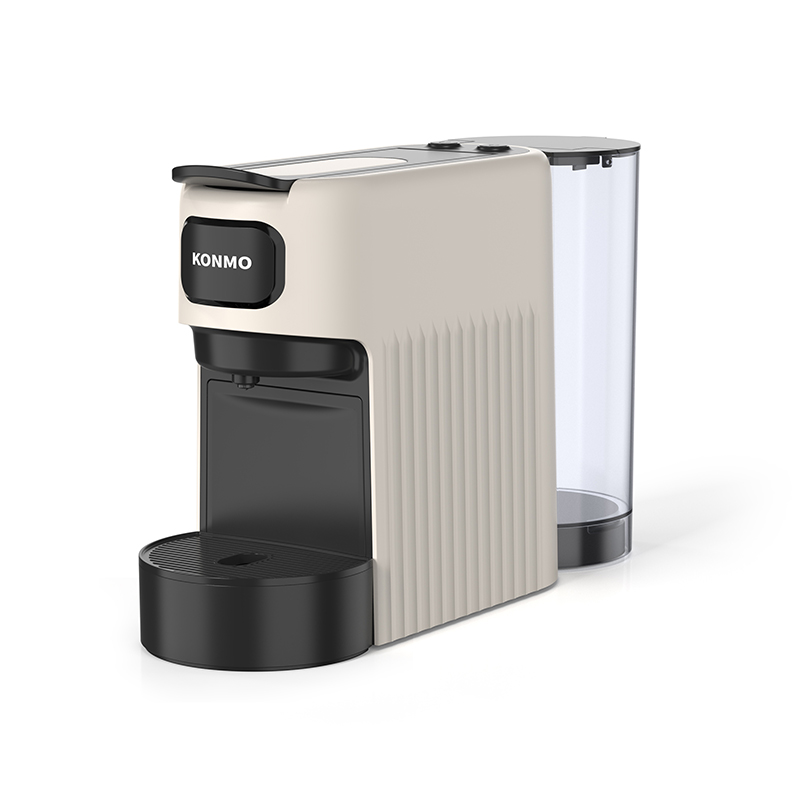
The brewing process depends on several components working together. Each component performs a specific function, from storing and heating water to controlling its flow through the coffee pod.
The Water Tank, Pump, and Heating System
The water tank stores the water used for brewing. Removable tanks make filling and cleaning easier, while larger tanks reduce how frequently users need to refill the machine.
The heating element brings the water to the required brewing temperature. Thermoblock systems are common because they can heat relatively small amounts of water quickly.
The pump then moves the heated water through the brewing system. Depending on the machine, the pump may also help create the pressure required for espresso-style extraction.
Together, these components provide the water at the right temperature and flow conditions for brewing.
The Pod Chamber, Needle, and Filter
The pod chamber holds the coffee pod in the correct position and helps create a seal during brewing.
The piercing needle or mechanism opens the pod so water can enter and brewed coffee can exit. Its design varies between pod systems.
The filter keeps most coffee particles inside the pod while allowing the brewed coffee to pass into the cup.
These components must work together correctly. If the pod is incorrectly positioned or the seal is poor, water may bypass the coffee grounds, resulting in weak or uneven extraction.
Do All Pod Coffee Machines Work the Same Way?
No. The basic principle is similar, but different pod systems use different pod structures, piercing mechanisms, water-flow designs, and extraction technologies.
Capsule Systems vs. Soft Coffee Pods
Soft coffee pods generally use filter-paper packaging around ground coffee. Water passes through the paper and coffee grounds, making the brewing process more similar to filter coffee.
Hard capsules typically use plastic or aluminum packaging to contain the coffee. The machine pierces the capsule and controls how water enters and exits during brewing.
Because the pod structure, coffee dose, grind size, and brewing conditions differ, the resulting flavor and texture can also vary.
Different Brewing Technologies
Different brands use different approaches to water distribution and extraction.
For example, some Keurig systems use multiple water-entry points to improve contact between water and the coffee grounds. Nespresso Vertuo systems use centrifusion-style brewing, rotating the capsule while water is introduced.
Other machines may use barcode or electronic recognition systems to identify compatible capsules and automatically adjust brewing parameters.
These technologies change the way water interacts with the coffee, but the fundamental process remains the same: water is heated, delivered to the pod, passed through the coffee, and dispensed into the cup.
FAQ
Can You Use Any Coffee Pod in a Pod Coffee Machine?
No. Pod machines are designed for specific pod or capsule systems. Always check compatibility before purchasing coffee pods. Using an incompatible pod may prevent proper brewing or cause fitting problems.
How Long Does a Pod Coffee Machine Take to Brew Coffee?
Most pod machines can brew a cup within a few minutes, including heating and extraction. The exact time depends on the machine, drink size, and brewing system.
Does a Pod Coffee Machine Use Pressure?
Many pod machines use a pump to control water flow and pressure, particularly espresso-style systems. However, the pressure and brewing method vary between different pod platforms.
Why Does Pod Coffee Taste Different From Drip Coffee?
Pod machines and drip coffee makers use different coffee doses, grind sizes, water-flow patterns, temperatures, and extraction times. Espresso-style pod machines may also use significantly more pressure, resulting in a different flavor and texture.
How Often Should You Descale a Pod Coffee Machine?
The recommended interval depends on the machine’s design, how frequently it is used, and local water hardness. Follow the manufacturer’s instructions for the appropriate descaling schedule.
Are Coffee Pods Recyclable?
Some coffee pods and capsules are recyclable, while others require special collection or disposal methods. Recycling depends on the pod material and local recycling facilities, so users should check the packaging and local requirements.