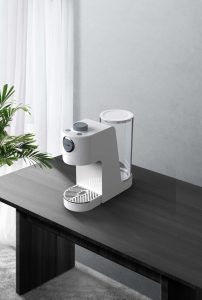

Every drink from an espresso machine starts with a single base: a concentrated espresso shot, brewed when pressurized water passes through coffee grounds via the group head. By adding hot water, steamed milk, flavor syrups or ice, you can recreate nearly every classic café beverage at home. The steam wand is the second core component, responsible for heating and texturing milk for creamy frothed drinks.
This home drink map organizes all common espresso drinks by base ingredients, includes standard ratio benchmarks, breaks down steam wand requirements, and shares beginner tips to help you build a full home coffee bar one recipe at a time.
Key Takeaways
- Every coffee machine drink is built from a core espresso shot base.
- Add hot water for clear black coffee drinks, or steamed milk for creamy, milder beverages.
- A steam wand is required to make cappuccinos, lattes and other frothed milk drinks.
- Use standard drink ratios as a starting point, then adjust proportions to match your personal taste.
- Master plain espresso and americanos first, then move on to milk drinks once your shots are consistent.
What Drinks Can You Make with an Espresso Machine?
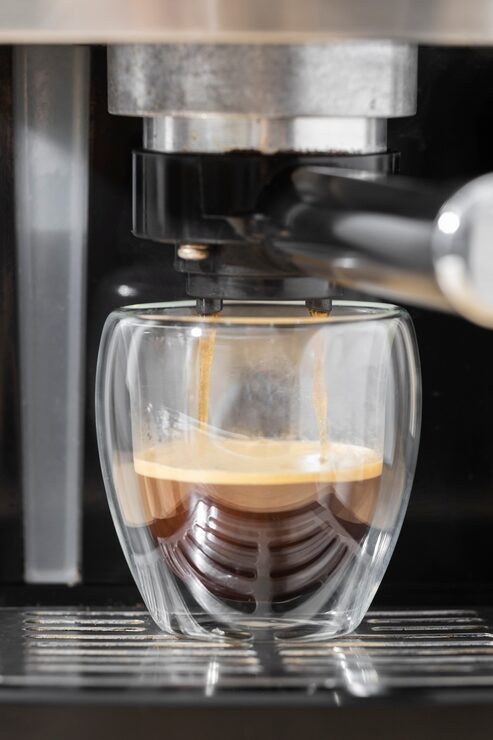
All café drinks fall into four simple groups, built by adding different ingredients to the same espresso base.
1. Straight Espresso
The foundation of every other drink on the menu. A single or double shot delivers concentrated, full-flavored coffee with no added ingredients. It is the strongest, most intense option.
2. Espresso + Water (Black Coffee Drinks)
Adding hot water stretches the espresso into a longer, milder black drink, without adding richness or dairy. The most common example is the americano, which keeps a clear, bright coffee flavor similar to drip coffee but with espresso depth.
3. Espresso + Milk (Milk-Based Drinks)
Steamed milk adds creaminess and softens espresso’s bold flavor. More milk creates a milder, smoother drink; less milk keeps the espresso character front and center. Popular options include:
- Cappuccino: Equal parts espresso, steamed milk and thick foam for a balanced, traditional small cup.
- Latte: A large pour of steamed milk for a mild, smooth, creamy drink.
- Flat white: A smaller milk-forward drink with thin, silky microfoam.
- Macchiato: Just a small dollop of milk foam on top of an espresso shot, for bold flavor with a light milk “mark.”
4. Flavored & Iced Variations
All base drinks can be customized with syrups, chocolate, or ice. Vanilla lattes, mochas, iced espresso drinks and caramel lattes all follow the same core recipe structure, with extra ingredients added on top.
Espresso Machine Drinks: Recipes and Key Ratios
Use these standard ratios as a starting point, then tweak to match your taste preferences. Ratios compare espresso : water : milk by volume.
| Drink | Espresso : Water : Milk Ratio | Core Character |
|---|---|---|
| Americano | 1 part espresso + hot water to taste | Long, bright, clear coffee flavor |
| Cappuccino | 1 : 0 : 2 milk + 2 foam | Balanced, foamy, traditional small cup |
| Latte | 1 : 0 : 4–6 milk | Mild, smooth, large creamy drink |
| Flat white | 1 : 0 : 3 milk with fine microfoam | Small, silky, milk-forward |
| Macchiato | 1 : 0 : small dollop of foam | Bold espresso with a light milk mark |
For reference, a standard 20g double shot (≈40g espresso) paired with 230–240g of milk makes a 9.5–9.9oz latte. A flat white typically uses a 36–40g double shot with 150–160ml of steamed microfoam.
Do You Need a Steam Wand on Your Coffee Machine for Milk Drinks?
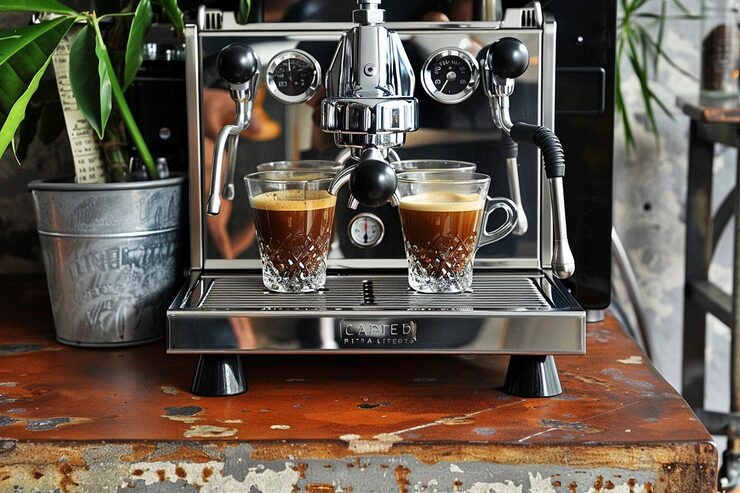
Yes, a steam wand is required to make properly textured milk for cappuccinos, lattes, flat whites and mochas. It uses high-pressure steam to heat milk and create the microfoam that gives milk drinks their signature creamy texture.
Steam Wand & Machine Design Tips
- Boiler type: Dual-boiler machines let you brew espresso and steam milk at the same time. Single-boiler machines work but require waiting for the boiler to switch temperature between modes.
- Milk basics: Whole dairy milk froths best thanks to its protein and fat content. Among plant milks, oat milk behaves most similarly to dairy for steaming.
- Ideal temperature: Stop steaming at 140–150°F. Milk heated past 160°F develops a scalded, burnt sugar taste and foam will collapse.
Drinks You Can Make Without a Steam Wand
Machines without a steam wand still work great for:
- Straight espresso
- Americanos and other black coffee drinks
- Iced espresso drinks with cold milk
For casual milk drinkers without a built-in steam wand, stovetop milk steamers or a saucepan + French press method can work as a budget alternative, though they will not produce the same silky microfoam as a proper machine wand.
Beginner Tips for Home Espresso Drinks
- Master the shot first: Start with plain espresso and americanos to dial in consistent extraction before adding milk technique to the mix.
- Use ratios as a guide: There is no “correct” proportion — adjust water and milk amounts until the drink matches your taste.
- Start with cold milk: Use cold milk and a chilled pitcher for the smoothest, most stable foam.
- Build skills gradually: Practice one drink at a time instead of trying the full menu at once. Small, consistent adjustments build confidence faster.
FAQ
Do I need a steam wand to make milk drinks on an espresso machine?
Yes. A steam wand heats and froths milk to create the texture required for cappuccinos, lattes, flat whites and mochas. Machines without a steam wand still work perfectly for espresso, americanos and iced drinks with cold milk.
What’s the difference between a latte and a flat white?
A latte has a higher milk-to-espresso ratio (1:4 to 1:6) for a mild, large creamy drink. A flat white uses a 1:3 ratio with thin, silky microfoam for a smaller, more milk-forward cup. Both use the same espresso base.
Can you make espresso drinks with plant-based milk?
Yes. Oat milk behaves most similarly to dairy when steamed, with reliable foam formation. Other plant milks vary in foamability and flavor profile. Texture and taste will differ from whole dairy milk.
What temperature should steamed milk be?
The ideal range is 140–150°F for the best flavor and foam texture. Milk heated past 160°F develops a scalded taste and the foam will break down. A thermometer helps beginners hit this range consistently.
Which espresso drink should a beginner make first?
Start with straight espresso or an americano. Both focus entirely on pulling a good shot, with no milk technique required. Once you can pull consistent shots, move on to milk drinks like lattes or cappuccinos.