A steady, low buzzing sound from your espresso machine pump is completely normal for most home models, especially those with vibration pumps. Sudden increases in volume, grinding, rattling or knocking sounds, however, usually signal an issue. The four most common causes of loud pump noise are trapped air in the water lines, mineral scale buildup, worn internal components, or machine vibration against the countertop. Most of the first two issues are easy to fix at home in minutes.
Key Takeaways
- A steady hum during extraction is normal for vibration pump machines; grinding or knocking sounds indicate a problem.
- Trapped air in water lines causes chattering pump noise; fix it by refilling the tank and priming the system.
- Mineral scale buildup makes the pump work harder and sound louder; regular descaling restores normal operation.
- Uneven placement amplifies vibration noise; set the machine on a flat, solid countertop to reduce rattle.
- If simple home fixes do not resolve the noise, have a technician inspect for worn parts or internal blockages.
Normal vs. Abnormal Espresso Machine Pump Sounds
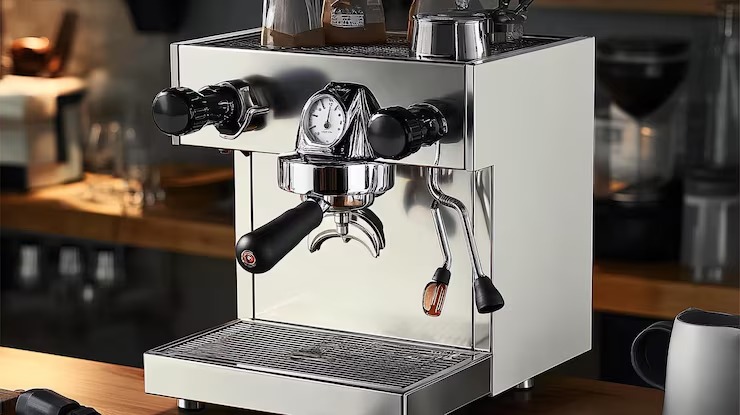
Before troubleshooting, establish your baseline for normal operation.
What Normal Pump Noise Sounds Like
Most home espresso machines use vibration pumps, which produce a steady, even buzzing or humming sound during extraction. The tone should stay consistent from the first drop of the shot to the end.
Slight sputtering from the over-pressure valve (OPV) is also normal. The valve flutters to regulate brew pressure under load, and the sound stops as soon as extraction ends.
Warning Signs of a Problem
These sounds indicate an issue worth investigating:
- Harsh grinding, rasping or knocking that is noticeably louder than your usual baseline
- Rattling or humming that continues after the shot finishes
- A sudden, sharp change in pump tone within a single brewing session
- Gradually increasing noise that gets worse over several weeks
Why Is Your Espresso Machine Pump So Loud?
Four issues explain nearly all cases of unusual pump noise, ordered from most to least common.
1. Trapped Air in the Water Lines
Airlocks are the number one cause of sudden unusual pump noise. Air most often enters the lines after you refill an empty water reservoir or move the machine. The pump pushes a mix of air and water instead of a steady stream, creating chattering, surging or uneven buzzing.
How to fix it: Fill the water tank to the maximum line and reseat it firmly to ensure a tight seal (a loose tank seal lets extra air slip in). Run the machine’s priming cycle as outlined in your user manual to push water through the lines and force out trapped air. Most machines quiet down within 1–2 brew cycles after priming.
Low water levels cause a similar issue: the pump strains to pull water from a nearly empty reservoir, creating a rough, uneven sound. Always keep the water level above the minimum mark to avoid extra pump wear.
2. Mineral Scale Buildup
Dissolved minerals in tap water settle on hot internal surfaces over time, building up inside the pump, water lines and small valves. Each layer of scale narrows the water path, forcing the pump to work harder to move the same volume. This extra effort creates a louder, rasping or grinding tone that gets gradually worse over weeks.
Hard tap water speeds up scale formation dramatically. Soft water or filtered water slows the process but does not eliminate it entirely.
How to fix it: Run a full descaling cycle with a dedicated espresso machine descaler to dissolve mineral deposits and restore normal flow. Follow your manufacturer’s recommended descaling schedule — more frequently if you have hard tap water.
3. Worn Internal Pump Components
Over years of regular use, internal seals harden, valves lose their tight fit, and small moving parts develop play. The pump becomes less efficient and has to strain to hold brew pressure, resulting in a harsher, louder tone.
As wear progresses, you may notice rattling or knocking during extraction, or pulsing water flow from fluttering valves. These issues do not resolve on their own.
How to fix it: Have a professional technician inspect the pump and replace worn components before damage spreads to other parts of the machine.
4. Machine Vibration & Uneven Placement
Pumps generate high-frequency vibration that travels through the machine frame. Loose mounting hardware, an uneven countertop, or a wobbly machine amplifies this vibration, turning a normal hum into a loud rumble.
How to fix it: Place the machine on a flat, solid countertop, and press down on each corner to check for wobble. Adjust the feet if needed to keep the unit level and stable. For reference, KONMO espresso machines are built with heavy-duty metal chassis designed to minimize vibration transfer for quieter day-to-day operation.
If rattling persists after leveling, there may be loose hardware inside the housing. Stop using the machine and have a technician inspect it — ignoring persistent vibration can lead to further damage over time.
How to Troubleshoot a Noisy Espresso Machine Pump
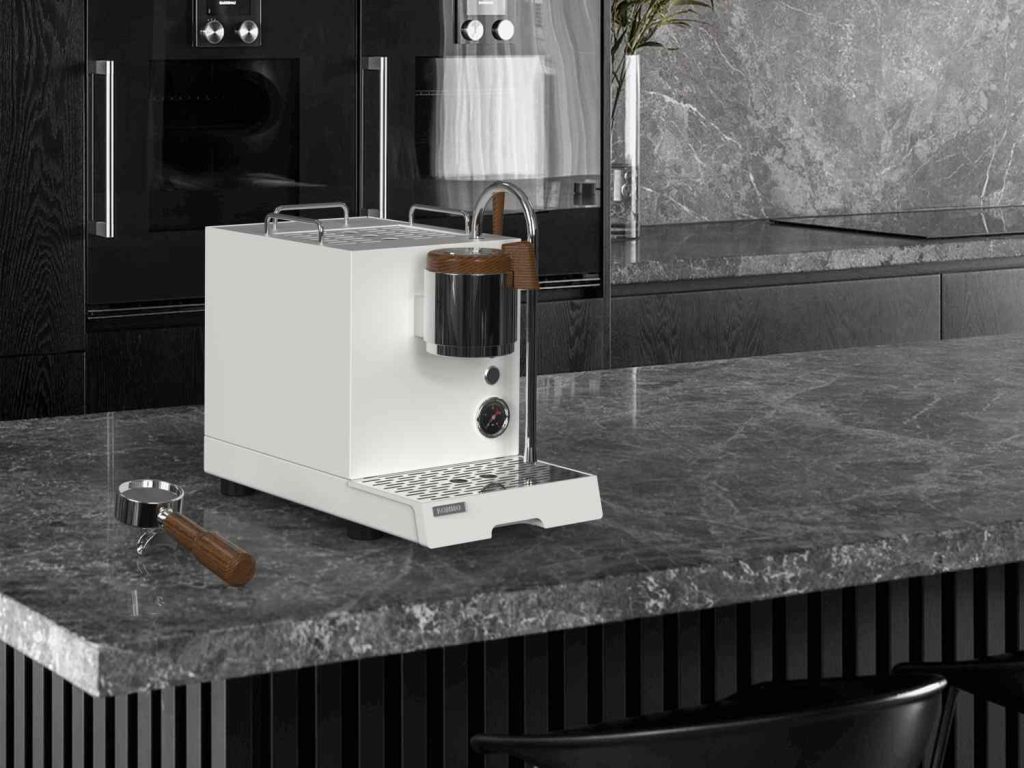
Step-by-Step Home Troubleshooting
Work through these checks in order, from simplest to most involved, to resolve most noise issues without a service call.
- Check and prime the water system: Fill the tank fully, reseat it, and run a short hot water flush to clear small airlocks. If the noise smooths out, trapped air was the cause.
- Level the machine: Adjust the feet on a flat, solid surface to eliminate wobble and reduce vibration amplification.
- Run a descaling cycle: If noise has gotten gradually louder and you also notice slower water flow, scale is the likely culprit. A full descaling will usually restore normal pump sound.
- If none of these resolve the issue, or you hear grinding/knocking sounds, contact a professional technician for inspection.
When to Call a Professional Technician
Stop troubleshooting and book service if you notice any of these red flag symptoms:
- Persistent grinding, knocking or rattling that does not improve after priming and descaling
- Pump noise continues even after extraction finishes
- Noticeable drop in water flow or brew pressure alongside loud noise
- The issue returns shortly after you fix it
A technician will inspect pump condition, test OPV function, check for hidden scale blockages, and review internal connections to find the root cause. Early repair prevents more costly damage down the line.
FAQ
Is a loud pump always a sign of poor machine quality?
No. Most home machines use vibration pumps, which are inherently somewhat loud by design. A steady, consistent hum during extraction is normal. Judge quality by how consistent the sound is, not how loud it is. A sudden change in tone is a much more important warning sign than baseline volume.
Can you tell the difference between air and scale by sound alone?
Generally yes. Trapped air causes chattering, surging noise that starts suddenly, usually right after refilling an empty tank or moving the machine. Scale causes a gradual, rasping tone that gets worse over weeks. Priming clears air-related noise; descaling resolves scale-related noise.
Will descaling always quiet a noisy pump?
Descaling works if the noise is caused by scale-narrowed water passages forcing the pump to work harder. Most machines return to their normal baseline tone after a proper descaling cycle. If grinding noise continues after descaling, the issue is likely worn internal parts, and a technician should inspect the pump.
Can a noisy pump affect espresso taste?
Indirectly, yes. Air and scale disrupt consistent water flow and pressure, and unstable pressure causes uneven extraction that shows up in the cup. Fixing the root cause of the noise usually restores consistent, better-tasting shots.
When should you replace the pump instead of repairing it?
Pump replacement makes sense if worn internal parts keep failing after repairs, or if there is permanent damage to the pump body. Persistent knocking, falling pressure and repeated repairs all support replacement. A single noisy episode fixed by priming or descaling almost never requires a new pump.