Yes, home coffee machines do need regular servicing and routine care to deliver consistent flavor, avoid premature breakdowns, and extend their working lifespan. How much maintenance you need depends entirely on your machine type: basic drip brewers require minimal upkeep, while semi-automatic espresso machines perform best with a consistent cleaning routine and occasional professional service. Capsule and compact portable models are simple to use, but they still need regular descaling to prevent clogs and heating issues.
Following the right care schedule for your machine protects your investment and ensures great-tasting coffee every morning.
Key Takeaways
- Regular cleaning and descaling preserve coffee flavor and keep your machine running reliably.
- Each machine type has its own care schedule — always follow the manufacturer’s manual for best results.
- Watch for red flags like slow flow, leaks, or uneven heating, and call a technician if issues persist after home cleaning.
- Weigh repair costs against the price of a new machine to decide if professional servicing is worth it.
- Just a few minutes of weekly care can significantly extend your machine’s lifespan and save you money long-term.
Why Regular Servicing Matters for Home Coffee Machines
Consistent Flavor & Performance
Over time, coffee bean oils build up along the brew path, and mineral scale from water coats heating elements and restricts flow. Both issues alter extraction, leading to flat, bitter, or inconsistent-tasting coffee. Routine cleaning removes these residues, restoring balanced flavor and ensuring every cup tastes the same day to day.
Prevent Breakdowns & Ensure Safe Operation
Neglected coffee machines wear out much faster. Scale buildup forces pumps and heating elements to work harder, leading to premature failure, and blockages can turn small issues into full breakdowns. Mineral deposits can also cause machines to run hotter than designed, creating safety risks. Sticking to a simple maintenance schedule stops most problems before they start, avoiding costly repair bills.
Maintenance Routines for Different Coffee Machines
Different coffee machine designs require very different care. Match your routine to your model for the best results:
Drip Coffee Makers
The lowest-maintenance option. Drip brewers only need regular washing of the carafe and filter basket with warm soapy water, plus periodic descaling. They are ideal for casual users who want great coffee with minimal upkeep.
Semi-Automatic Espresso Machines
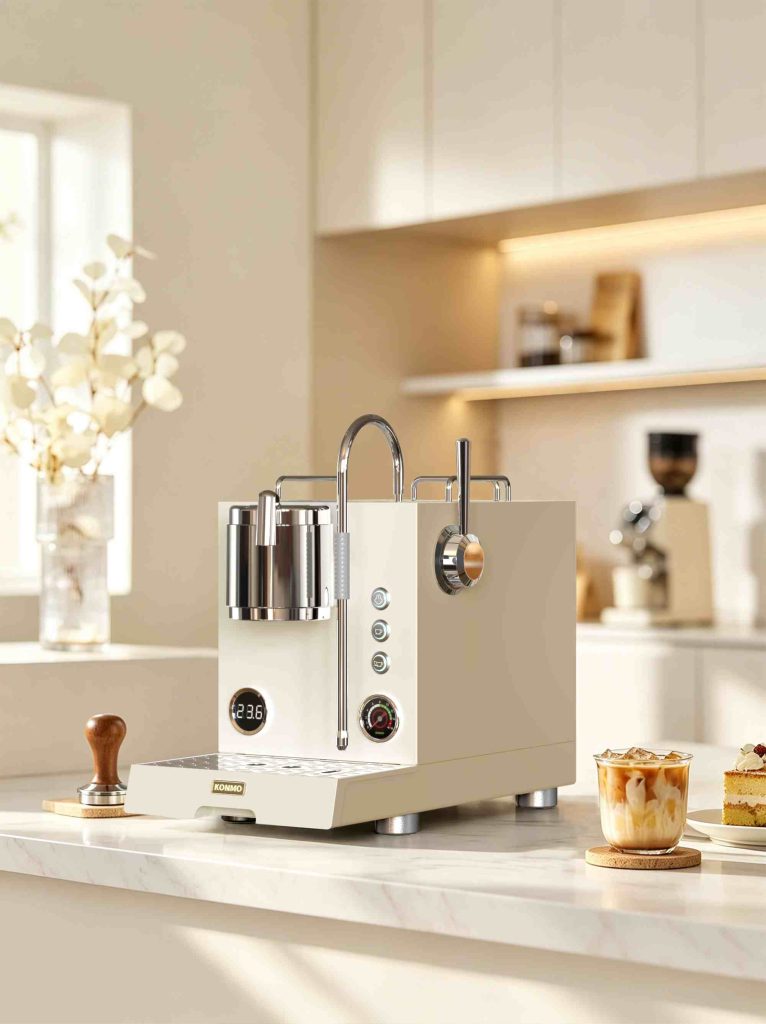
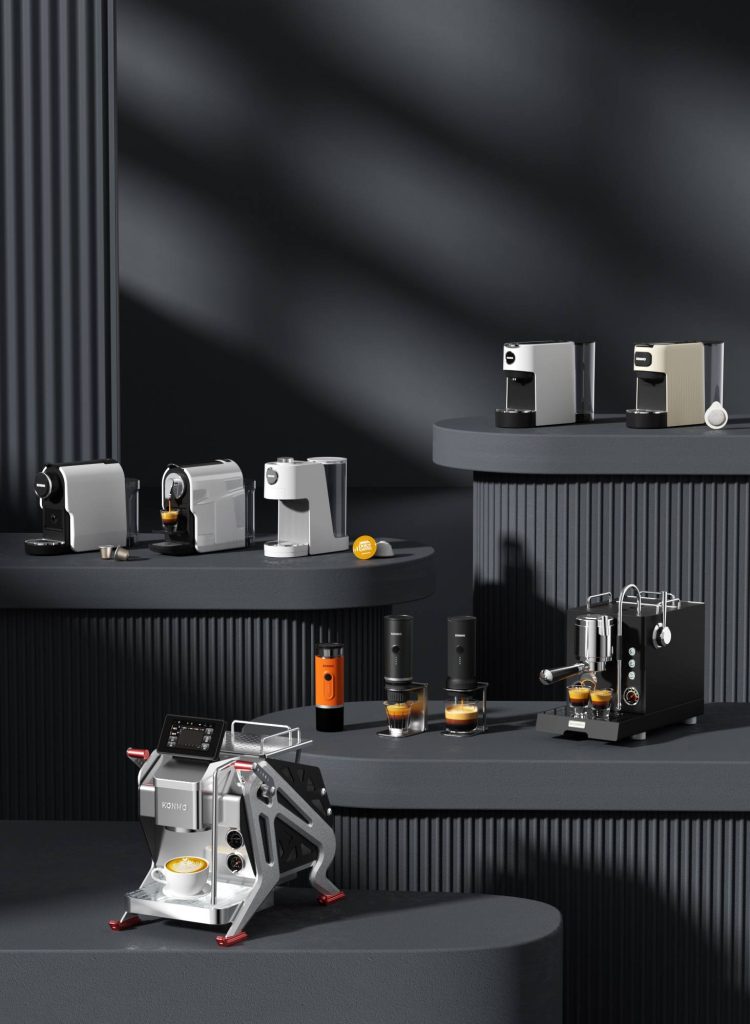
These require more regular care to keep extraction consistent. Daily tasks include emptying the drip tray and rinsing the water reservoir; weekly care adds full brew group cleaning to remove coffee oil buildup. For example, KONMO KM-S100 and KM-S550 semi-automatic espresso machines, equipped with 58mm group heads and dual thermoblocks, deliver the most consistent shots when paired with daily rinses and weekly brew group deep cleaning.
Capsule Coffee Machines
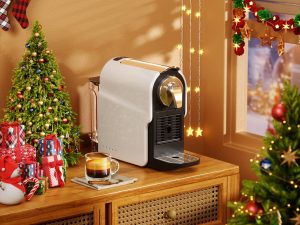
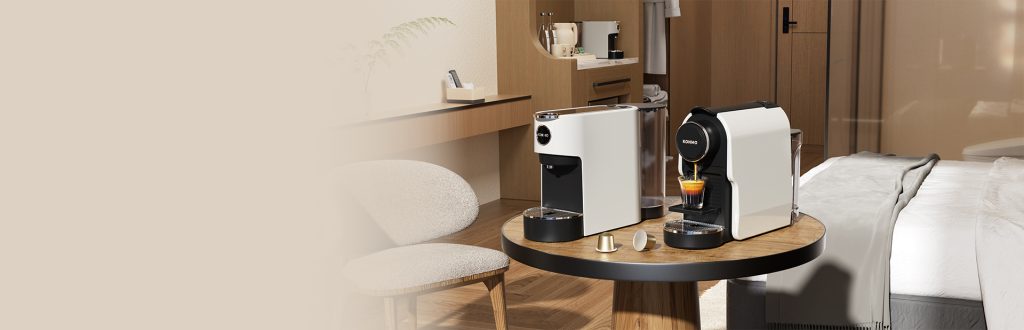
One-button operation makes capsule models easy to use, but they still need regular care. Coffee residue collects in the capsule holder, and scale builds up on heating elements just like other machines. Capsule machines require regular capsule holder wiping and scheduled descaling to prevent clogs and maintain even pour speed.
Compact & Portable Espresso Units
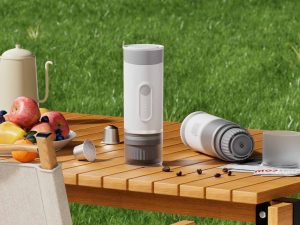
Small travel-sized machines have the same core heating and pressure systems as full-size models, so they need the same level of water quality care and descaling. Their compact size does not make them maintenance-free. Portable models like the KONMO Explorer 07H and 08H, with 15 bar pressure and battery-powered 94°C heating, need the same descaling schedule as countertop machines to protect their internal components.
Essential At-Home Care Tasks for Coffee Machines
Most coffee machine maintenance can be done at home with basic supplies.
Daily & Weekly Cleaning
- Daily: Wipe down the exterior, empty and rinse the drip tray, and rinse any removable parts that contact coffee.
- Weekly: Wash all removable components (carafe, filter basket, capsule holder, brew group parts) with warm soapy water, and check the water reservoir for residue buildup.
Descaling Schedule
Mineral scale is the single biggest cause of coffee machine failure. Descaling breaks down these deposits to keep heating elements and water lines clear.
- Follow the frequency recommended in your machine’s manual.
- Descale more often if you have hard tap water.
- Use a dedicated coffee machine descaler, or a homemade solution of equal parts white vinegar and water.
- Always rinse the system thoroughly after descaling to remove residual solution.
When Does a Home Coffee Machine Need Professional Servicing?
Most routine care can be done at home, but some issues require a trained technician. Book professional service if you notice any of these warning signs after completing home cleaning and descaling:
- Persistently slow or uneven water flow
- Leaks around the group head, base, or water lines
- Strange grinding, buzzing, or gurgling noises
- Lukewarm coffee or inconsistent heating
- Persistent error codes or indicator lights
As a general guideline: bean-to-cup machines benefit from professional service every 6 months with heavy use, and home semi-automatic models typically need a professional checkup once per year. Light-use household machines can go longer, but annual servicing keeps them running reliably.
FAQ
How often should I descale my home coffee machine?
Follow the schedule in your machine’s manual, and adjust based on your water hardness — hard water areas need more frequent descaling. Slow pour speed or uneven heating are common signs that descaling is overdue.
Do capsule coffee machines need servicing?
Yes. One-button operation does not eliminate maintenance needs. Capsule holders collect coffee residue, and heating elements still build up mineral scale. Regular holder cleaning and scheduled descaling keep capsule machines pouring consistently.
Do portable espresso machines need the same care as full-size models?
Yes. Smaller size does not change the core heating and pressure systems. Portable espresso units are susceptible to the same scale buildup as countertop machines, so they need the same water quality care and descaling schedule.
Is professional coffee machine service worth the cost?
Often, yes. For well-built espresso machines with minor faults, repair almost always costs less than replacement. For older entry-level machines with major failures, replacement may be more cost-effective. Regular home maintenance lowers your chance of needing expensive professional repairs.
Can I skip maintenance if my coffee still tastes fine?
No. Good taste does not guarantee a healthy machine. Scale and worn parts build up gradually, often without changing flavor until damage is already done. Following a regular cleaning and descaling schedule catches issues early and extends your machine’s lifespan.