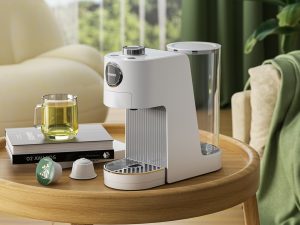
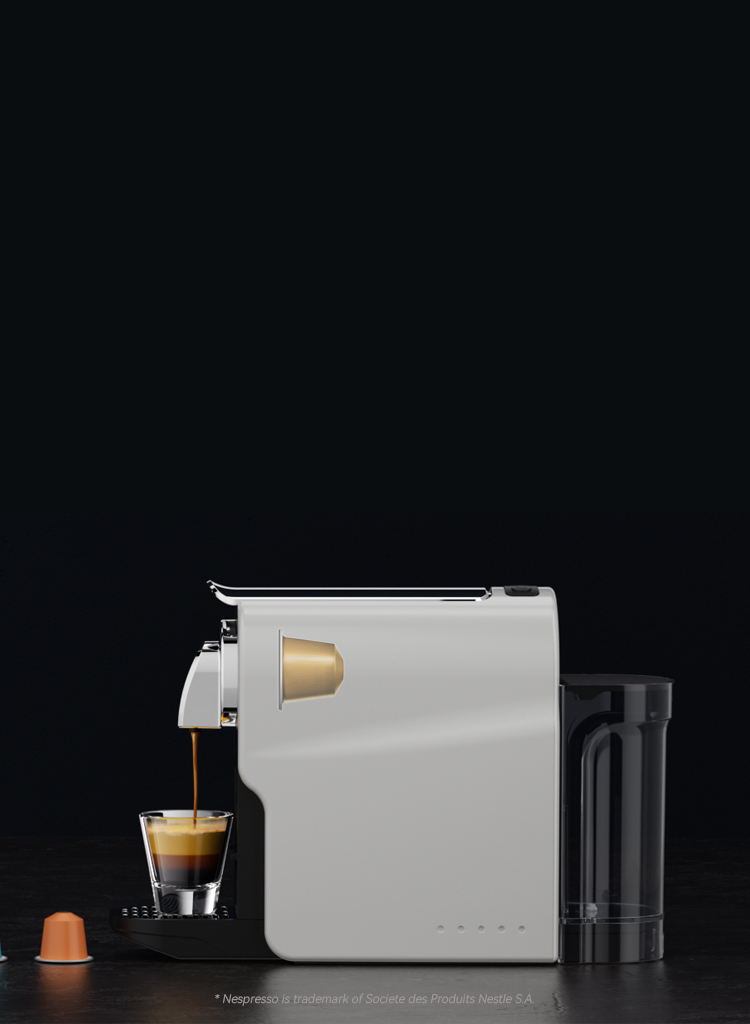
Yes, espresso machines can absolutely make lattes. Every home espresso maker is built with two core functions: brewing concentrated espresso and producing steam to texture milk. With a little practice, anyone can make café-quality lattes at home using the same core technique baristas use: a shot of rich espresso topped with smooth, velvety steamed milk and a thin layer of glossy microfoam.
Key Takeaways
- All espresso machines with a steam wand or built-in frother can make lattes.
- A standard latte uses a 1:2 to 1:3 ratio of espresso to steamed milk.
- Manual steam wands give full control over milk texture; automatic frothers offer one-touch convenience.
- Stop steaming dairy milk at 140–149°F for the sweetest, creamiest texture.
- Clean the steam wand after every use and descale the machine every 3–4 months for consistent flavor and performance.
What Makes a Latte?
A latte is defined by three core elements: a base of high-pressure brewed espresso, a large volume of smooth steamed milk, and a thin, glossy top layer of microfoam. The classic café ratio is 1 part espresso to 2–3 parts milk — for example, a 2oz double shot paired with 6–8oz steamed milk.
Unlike coffee-based imitations, true espresso lattes get their bold, rich base from pressurized extraction complete with golden crema. This gives the drink a deeper, more balanced flavor than simply mixing strong drip coffee with milk.
How to Make a Latte With an Espresso Machine (Step-by-Step)
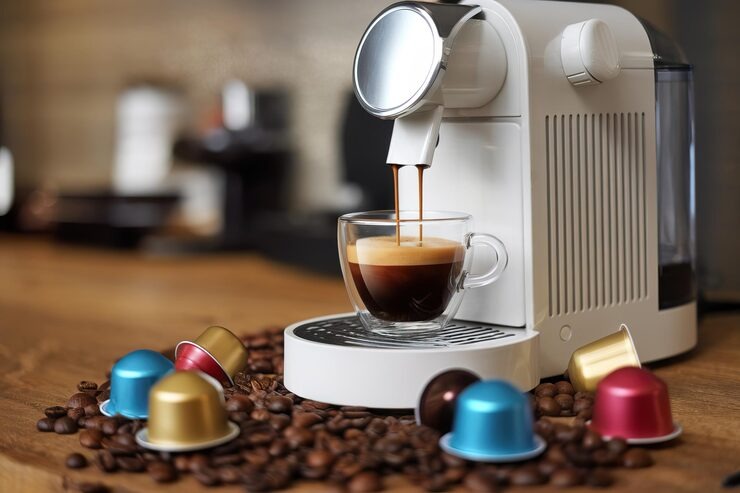
You will need: an espresso machine, burr grinder, freshly roasted coffee beans, milk, a small scale, and a milk thermometer.
- Pull your espresso shot Aim for a 1:2 brew ratio (e.g. 18g dry grounds → 36g liquid espresso) pulled in 25–30 seconds. Brew directly into a pre-warmed cup. If your shot tastes sour, grind finer; if it tastes watery or bitter, grind coarser. Only adjust one variable at a time.
- Steam the milk Submerge the steam wand tip just below the milk surface. Create a gentle whirlpool to incorporate tiny, uniform air bubbles for silky microfoam. Beginners do best with a single-hole tip and low steam pressure.
- Stop at the right temperature For dairy milk, stop steaming at 140–149°F — before the milk scalds and lactose caramelizes.
- Combine and finish Pour steamed milk into the espresso, holding back foam with a spoon. Top with a thin, even layer of microfoam.
Best Espresso Machine Type for Lattes: Steam Wand vs. Automatic
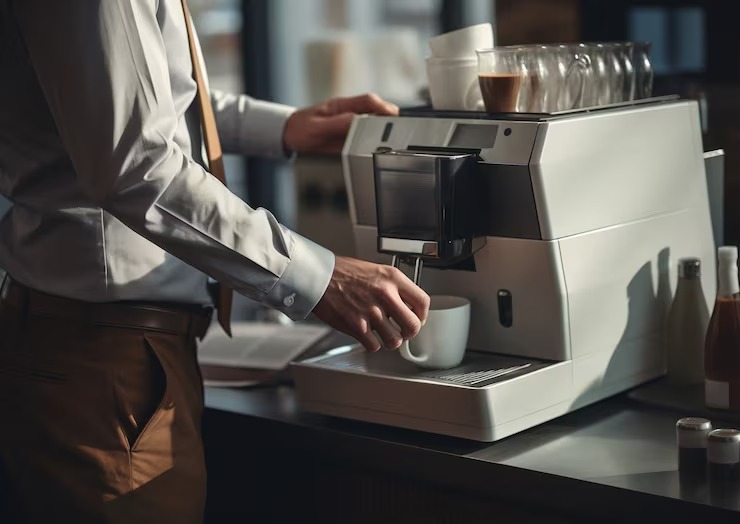
The biggest choice for home latte making is between manual control and push-button convenience.
| Aspect | Manual Steam Wand | Automatic Built-In Frother |
|---|---|---|
| Texture control | Full, adjustable foam density | Pre-set, consistent texture |
| Learning curve | Requires practice | Almost no learning curve |
| Best for | Hobbyists, home baristas, latte art | Beginners, busy households |
| Upfront cost | Lower | Higher |
Manual steam wands
These are the gold standard for control and versatility. You can tune foam texture from thin and silky for lattes to dense and stiff for cappuccinos. With practice, you can produce café-quality microfoam. Models like KONMO’s semi-automatic espresso machines with 2L steam boilers deliver steady, consistent steam pressure for reliable milk texturing.
Superautomatic machines
All-in-one models handle grinding, brewing, and frothing in one touch. They deliver repeatable results every time with almost no skill required, making them ideal for busy families. Gaggia’s superautomatic lineup ranges from $749 to $1,999 for this level of convenience.
Pro Tips for Better Homemade Lattes
Pick the right milk
| Milk Type | Foam Quality | Notes |
|---|---|---|
| Whole dairy | Rich, creamy, silky microfoam | Best for beginners; most forgiving |
| Skim dairy | Stiff, dense, stable foam | Better for cappuccinos than lattes |
| Soy | Good foam when handled carefully | Prone to curdling; steam at a lower temperature |
| Almond | Consistent, mild foam | Most reliable plant-based option |
Whole milk is the easiest to learn with, thanks to its higher fat and protein content. Fresh milk (less than 2–3 days old) froths much more evenly than older milk.
Temperature is everything
Dairy milk stays sweet and silky between 140–149°F. Above 158°F, lactose caramelizes and burns, giving the milk an off, bitter taste. Plant milks scald at lower temperatures, so reduce your steam time accordingly. Always use a thermometer to eliminate guesswork.
Water quality matters more than you think
Water makes up 94–98% of your espresso shot. Hard water causes uneven extraction and speeds up scale buildup. The Specialty Coffee Association recommends water with 50–175 ppm hardness, 6.5–7.5 pH, and 75–250 ppm TDS. Filtered soft water protects both flavor and machine longevity.
FAQ
Do I need a steam wand to make a latte at home?
No. Automatic built-in frothers and standalone external frothers both heat and aerate milk for lattes. Steam wands give maximum texture control, while automatic options offer convenience.
Which milk works best for lattes?
Whole dairy milk is best for beginners, producing rich, creamy, forgiving microfoam. Skim milk makes stiffer foam, while plant milks vary by brand — soy and almond work best with adjusted steaming technique.
How hot should milk be for a latte?
Dairy milk tastes sweetest and creamiest steamed to 140–149°F. Stop before 158°F to avoid burning or caramelizing the lactose. Plant milks require lower temperatures.
Can a superautomatic espresso machine make lattes?
Yes. Superautomatic machines with built-in frothers brew espresso and texture milk in one touch. They are ideal for beginners and busy households, though they offer less control over foam texture than manual wands.
How often should I clean my espresso machine’s steam wand?
Wipe it after every use. For 1–2 drinks per day, deep clean the wand weekly. Descale the full machine every 3–4 months, or when you notice weaker steam or off-flavors.