Neither 15-bar nor 20-bar espresso machines are inherently better for brewing espresso. Both deliver roughly 9 bars of actual extraction pressure at the coffee puck — the advertised bar rating only measures the pump’s maximum output, not the pressure used for brewing. The real differences lie in pump capacity, pressure stability, and forgiveness for imperfect preparation technique.
Key Takeaways
- Both 15-bar and 20-bar espresso machines brew at ~9 bars of extraction pressure, the industry standard for balanced flavor.
- The bar rating refers to the pump’s peak output, not the pressure that reaches the coffee puck.
- An over-pressure valve (OPV) caps brewing pressure at ~9 bars by diverting excess water back to the reservoir.
- 20-bar machines have more pump headroom, making them more forgiving of inconsistent grind or tamping for beginners.
- Build quality, pressure stability, and puck prep matter far more than the advertised bar number.
What Do Espresso Machine Bar Ratings Actually Mean?
Pump Pressure vs. Brewing Pressure
The bar number on an espresso machine describes the maximum pressure the pump can produce, not the pressure applied to the coffee puck. Friction from internal plumbing, group head restrictions, and flow resistance reduce pressure before it reaches the coffee bed.
Nearly all home espresso machines use an over-pressure valve (OPV) near the pump outlet to cap brewing pressure at roughly 9 bars. When pressure exceeds the target, the OPV diverts excess water back to the water reservoir, keeping extraction pressure consistent.
Why 9 Bars Is the Industry Standard
The 9-bar standard dates back to 1947, when Achille Gaggia patented a lever machine that produced 8–10 bars of pressure, creating the modern rich, crema-topped espresso. Since then, manufacturers have settled on 9 bars as the sweet spot: it extracts a full range of flavors, oils, and colloids without over-compacting the puck.
Pressure directly controls flow through the coffee bed:
- Too little pressure: Weak, under-extracted shots with flat flavor
- Too much pressure: Bitter, over-extracted shots with harsh tannins
- 9 bars: Balanced extraction with thick, stable crema
How Pressure Affects Espresso Quality
Pressure Consistency Matters Most
Steady, consistent pressure matters far more than a high peak bar rating. Uneven pressure causes channeling — water takes the path of least resistance through the puck, leading to patchy extraction where some grounds are over-extracted and others under-extracted. The result is unbalanced, messy flavor.
A properly calibrated OPV is critical for consistent pressure. A worn or misadjusted valve can cause pressure to drift mid-shot, ruining extraction even on high-bar machines. Even puck prep and uniform tamping also help prevent channeling by creating even resistance across the coffee bed.
Does Higher Pressure Make Better Espresso?
No. Pressure above 9 bars does not improve flavor — it causes over-extraction, which pulls out bitter tannins and harsh compounds.
| Sensory Category | Effect of Over-Extraction (Excess Pressure) |
|---|---|
| Taste | Bitter, ashy, or burnt notes dominate; tannins overpower sweetness |
| Texture | Dry, chalky mouthfeel |
| Crema | Dark, spotty crema with overly bitter flavor |
| Balance | Bitterness overwhelms all other flavor notes |
15-Bar vs. 20-Bar Espresso Machines: Key Differences
| Feature | 15-Bar Espresso Machine | 20-Bar Espresso Machine |
|---|---|---|
| Maximum pump output | 15 bar | 20 bar |
| Actual brewing pressure | ~9 bar | ~9 bar |
| Pressure stability | Relies on pump working near max output; more prone to drop-off with wear | More pump headroom; OPV absorbs fluctuations for steadier pressure |
| Forgiveness | Less forgiving; requires precise grind, tamping, and maintenance | More forgiving of small inconsistencies in grind or dose |
| Shot-to-shot consistency | Good with proper prep; more sensitive to wear and seal degradation | More consistent across multiple shots and bean varieties |
| Best for | Experienced home baristas, budget-focused buyers | Beginners, users prioritizing consistency, frequent multi-shot use |
Core Performance Differences
A 20-bar pump has more headroom above the 9-bar brewing target. This extra capacity lets the OPV actively regulate pressure even when puck resistance varies (from inconsistent grind, uneven tamping, or different bean types). The result is more consistent extraction shot after shot.
A 15-bar machine operates closer to its maximum pump output. It can still produce excellent espresso with careful puck prep and regular maintenance, but it is less forgiving of technique errors or worn seals. Degraded group head gaskets or scale buildup can cause noticeable pressure drops mid-shot, especially on 15-bar vibratory pump models.
Which Machine Should You Choose?
For Beginners: 20-Bar Machines
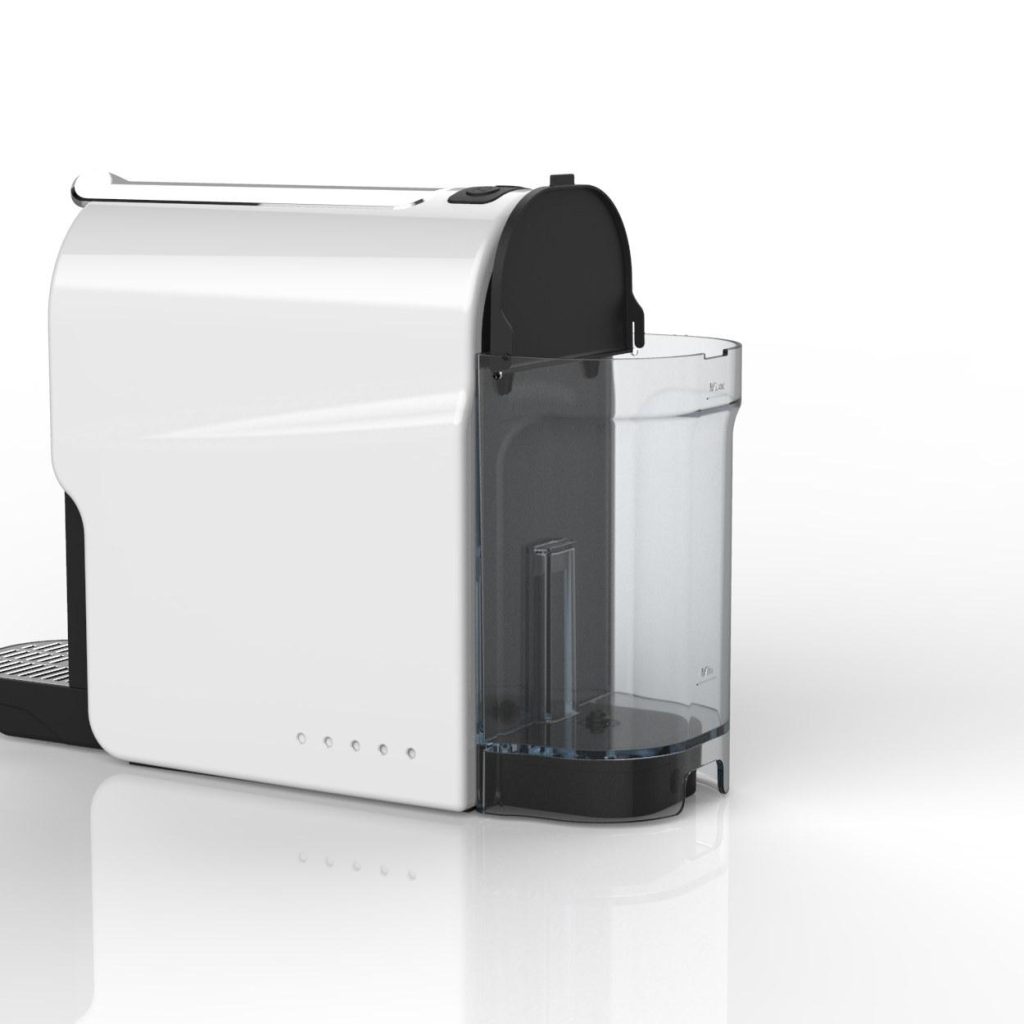
20-bar machines are better for new baristas. The extra pump capacity compensates for common beginner mistakes like uneven tamping or slightly off grind size, delivering more consistent results while you learn technique.
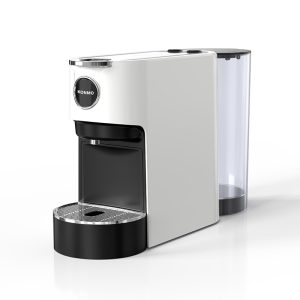
For example, KONMO’s Master Edition line (KM-S100, KM-S550) pairs 20-bar pumps with 58mm group heads and PID temperature control for stable, forgiving performance. Their capsule models (KM-C0518, KM-C0501) also use 20-bar pumps for consistent crema with one-touch operation.
For Experienced Users & Budget Builds: 15-Bar Machines
A well-built 15-bar machine can deliver identical espresso quality to a 20-bar model when calibrated and maintained properly. It’s a strong choice if you have consistent technique, perform regular maintenance, and want to save on cost.
FAQ
Does a higher bar rating mean better espresso?
No. Both 15 and 20 bar machines brew at roughly 9 bars of actual extraction pressure. Higher pump output does not translate to better flavor — pressure stability and puck prep matter far more.
Can a 15 bar machine make good espresso?
Yes. A well-built 15 bar machine produces excellent espresso with proper grind size, even tamping, and regular maintenance. It is less forgiving of technique errors than a 20-bar model, but results can be identical.
Why do manufacturers advertise 20 bar pumps?
The bar rating is a marketing selling point, as higher numbers sound more powerful to casual buyers. In reality, an over-pressure valve caps brewing pressure at ~9 bars on nearly all machines.
Which machine is better for beginners?
A 20-bar machine is better for beginners. The extra pump headroom makes it more forgiving of uneven tamping or inconsistent grind size, delivering more consistent results while you learn.
Does pump type affect espresso consistency?
Yes. Rotary pumps deliver the steadiest pressure for the most repeatable shots. Vibratory pumps produce pulsed pressure, but well-designed machines smooth this out for consistent results.
Final Verdict
Neither 15-bar nor 20-bar machines are inherently better — both brew at the 9-bar pressure that produces balanced, classic espresso. The bar rating only tells you the pump’s maximum output, not extraction quality.
Choose a 20-bar machine if you’re a beginner, value shot-to-shot consistency, or frequently make multiple drinks in a row. Choose a 15-bar machine if you have solid technique, perform regular maintenance, and want to maximize value on a budget.
Above all, prioritize build quality, stable pressure control, and temperature consistency over the advertised bar number. A well-engineered 15-bar machine will outperform a cheaply made 20-bar machine every time.