A semi-automatic coffee machine is a pump-driven espresso brewer that splits control between the user and the hardware. You manage grind size, coffee dosing, tamping, and shot start/stop timing, while the machine maintains consistent water temperature and stable brewing pressure.
This balance of hands-on control and automated consistency makes semi-automatic models the most popular middle ground between manual lever machines and fully automatic bean-to-cup units. This guide breaks down how they work, how they compare to other espresso machine types, and who gets the most value from owning one.
Key Takeaways
- Semi-automatic espresso machines put you in full control of grind size, dose, tamping, and shot timing.
- The machine handles temperature and pressure stability, delivering repeatable conditions for every shot.
- They strike a better balance of hands-on control and ease of use than manual or fully automatic models.
- They are ideal for home baristas and small cafés wanting café-quality results with manageable upkeep.
- Semi-automatic machines typically cost less and are easier to maintain than fully automatic models.
What Is a Semi-Automatic Coffee Machine?
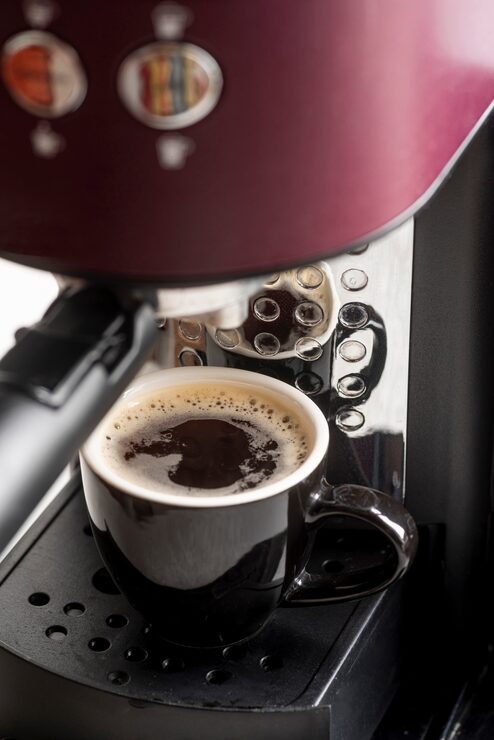
At its core, a semi-automatic espresso machine uses an electric pump to push water through coffee grounds, rather than relying on manual lever force. The user triggers the start and end of each brew cycle manually via a button or switch — no pre-programmed timer controls shot volume automatically.
The pump is the heart of the design. It pulls water from the reservoir or direct water line and delivers it through the group head at a consistent pressure. Nothing brews until the user gives the command, which sets semi-automatic models apart from fully automatic machines that run full preset cycles.
This split of responsibilities defines the category: the barista controls the recipe, and the machine handles the consistent physical conditions required for good espresso.
How Does a Semi-Automatic Espresso Machine Work?
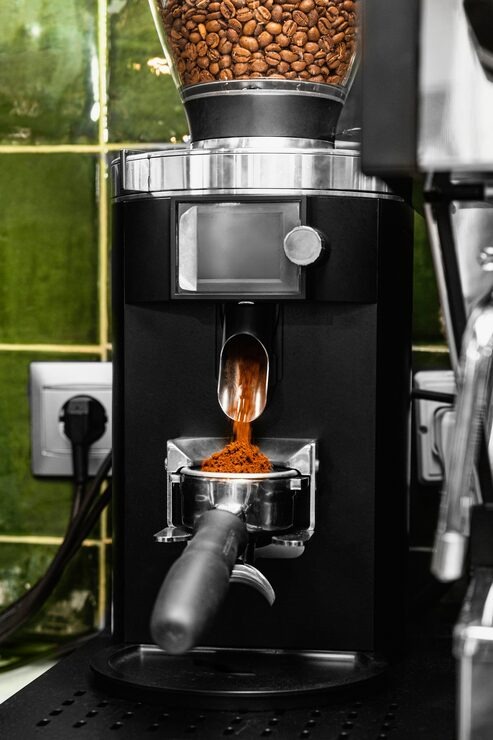
The brewing process follows a clear division of labor between user and machine.
User-Controlled Steps
You handle all recipe variables that shape flavor:
- Grind coffee beans to your chosen fineness and dose a measured amount into the portafilter.
- Tamp the grounds into a level, uniform puck to create even resistance.
- Lock the portafilter into the group head.
- Start the brew flow manually, monitor the extraction speed and color, and stop the shot at your target yield.
Machine-Controlled Functions
The unit maintains the stable conditions required for repeatable extraction:
- A boiler and thermostat system hold water at a consistent brewing temperature.
- A pressure-regulated pump delivers steady, even pressure through the entire shot.
- These systems work identically on every pull, so you only have to adjust recipe variables, not compensate for fluctuating heat or pressure.
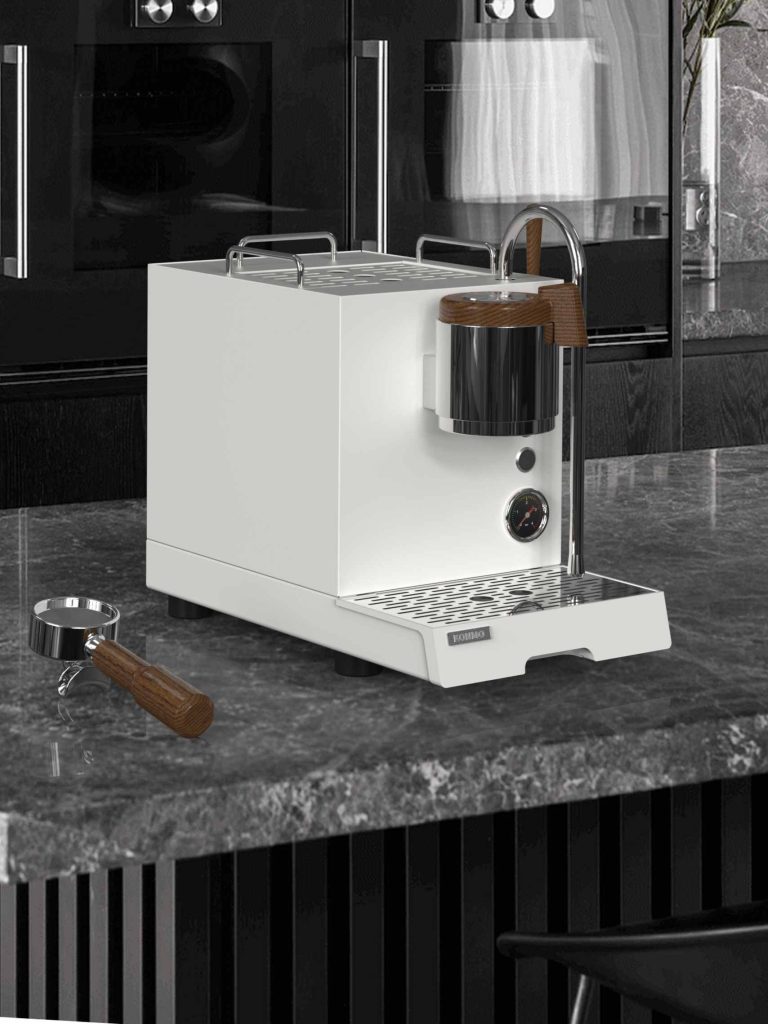
This setup lets beginners learn the craft without fighting unstable machine performance, while still giving experienced users full control to dial in flavor. For reliable, consistent performance in home and light commercial settings, the KONMO KM-S100 semi-automatic machine features a professional 58mm group head and dual thermal system for stable temperature and pressure.
Semi-Automatic vs. Manual vs. Fully Automatic Machines
All three espresso machine types use the same core components (group head, portafilter, boiler, pump), but they split the work very differently.
| Factor | Manual Espresso Machine | Semi-Automatic Machine | Fully Automatic Machine |
|---|---|---|---|
| Control level | Maximum; user provides all brew force via a lever | Balanced; user controls recipe, machine handles pressure/temp | Minimal; one-touch operation for full brew cycle |
| Skill required | High; takes practice to master consistent pressure | Moderate; learn grind, tamp, and timing basics | Very low; minimal user input needed |
| Physical effort | High | Low | None |
| Maintenance complexity | Low | Low to moderate | High; more internal moving parts |
| Upfront cost | Lowest | Moderate | Highest |
| Best for | Enthusiasts who value the ritual | Home baristas, small cafés | Busy households, offices, high-volume self-serve settings |
Key Performance Tradeoffs
- Manual machines reward practice and technique, but require physical effort and consistent skill to deliver repeatable shots.
- Semi-automatic models remove the physical strain of pumping while keeping full recipe control. They are the most flexible option for users who want to experiment with beans and extraction styles.
- Fully automatic machines deliver the most convenience and speed, but offer little room for manual adjustment. They trade fine control for hands-off consistency.
Who Is a Semi-Automatic Coffee Machine Best For?
This machine type is the sweet spot for most users who want quality without maximum complexity.
- Home baristas: Perfect for anyone who enjoys experimenting with beans and dialing in extractions, but does not want the learning curve or physical effort of a manual lever machine.
- Small cafés and boutique workspaces: Delivers professional, repeatable results without the high cost and complex maintenance of commercial super-automatic equipment.
- Beginners learning espresso: The machine stabilizes the hardest variables (temperature and pressure), so new users can focus on mastering grind and tamping with consistent feedback.
When to Choose a Different Type
- Pick a manual machine if you want full hands-on control and enjoy the ritual of lever pulling.
- Pick a fully automatic machine if you prioritize speed and minimal effort over recipe customization.
FAQ
Does a semi-automatic espresso machine grind coffee?
No. You will need a separate grinder to prepare coffee grounds, which you then dose and tamp into the portafilter by hand. A dedicated grinder gives you full control over grind size, which is the most impactful variable for espresso flavor.
How much skill do you need to use a semi-automatic espresso machine?
Beginners can learn the basics in just a few sessions. The machine maintains stable pressure and temperature, so you only need to focus on grind size and tamping technique. Most users feel confident pulling consistent shots within a few weeks of practice.
Are semi-automatic espresso machines hard to maintain?
No. They have far fewer internal components than fully automatic machines. Regular cleaning of the group head, portafilter, and steam wand is all that’s required for reliable long-term performance.
What is the difference between semi-automatic and manual espresso machines?
A manual machine relies entirely on the user to generate brewing pressure via a lever. A semi-automatic machine uses an electric pump to deliver consistent pressure, while you still control the full recipe. This makes semi-automatic models much easier for most users to master.
Can a semi-automatic espresso machine work in a busy café?
Yes. Many small to mid-sized cafés use semi-automatic machines for professional, controllable results. Speed depends on the barista’s skill, and the consistent machine performance supports repeatable drink quality across shifts.