How often you need to clean your espresso machine depends on how often you use it and your water hardness. A standard maintenance routine follows four tiers: after every use, daily, weekly, and monthly deep cleaning + descaling, with quarterly filter checks and professional service. Heavy daily use and hard tap water will shorten all intervals, while light use and filtered water let you stretch the schedule slightly.
This practical, tiered routine protects both espresso flavor and long-term machine life, and takes only minutes per day to maintain. Below is a complete breakdown of tasks by frequency, plus guidance on adjusting the schedule to match your usage.
Key Takeaways
- Rinse the group head and wipe the steam wand after every shot to preserve flavor and prevent buildup.
- Clean the portafilter, basket and drip tray daily to stop sticky coffee oil residue from hardening.
- Do a detergent backflush and full water tank wash every week to clear hidden buildup daily rinsing cannot reach.
- Deep clean brew components and descale monthly as a baseline; adjust frequency based on water hardness and shot volume.
- Consistency matters more than perfection. Set simple reminders and stick to the routine for best results.
Full Espresso Machine Cleaning Schedule
This table summarizes standard cleaning intervals for all major components. A professional coffee machine manufacturer may also provide model-specific maintenance recommendations, so always defer to your machine’s official manual for guidance.
| Component | Cleaning Frequency |
|---|---|
| Group head | Quick water flush after every use; detergent backflush every 1–3 weeks |
| Portafilter & basket | Daily rinse; deep soak in cleaner monthly |
| Steam wand | Wipe + purge after every use |
| Water tank | Full wash weekly |
| Drip tray & grates | Daily empty + wash |
| Descaling | Every 1 month to 6 months, based on water hardness |
| Water filters & wear parts | Quarterly inspection |
Tier 1: After Every Use (30 Seconds)
These two quick habits prevent stale flavors and make deeper cleaning much easier.
- Group head flush: Run a short blank shot of water through the group head after your last shot. This washes loose coffee grounds and fresh oils out of the shower screen and brew path, so old residue does not sit and turn bitter between sessions.
- Steam wand care: Wipe the wand with a damp cloth while the metal is still warm, then purge a short burst of steam to clear any milk from the tip. Milk residue hardens quickly and is much harder to remove once dried.
Tier 2: Daily Cleaning (2–3 Minutes)
At the end of each day of use:
- Disassemble the portafilter, knock out the spent puck, and rinse the basket under warm water. Use a soft brush to clear coffee oils from the basket holes.
- Empty the drip tray, then wash it, the drip grate and any removable cup warmer rack with mild soap and warm water.
- Wipe the group head gasket with a clean cloth to remove trapped grounds.
Coffee machines making 10+ drinks per day may need a mid-day wipe-down as well.
Tier 3: Weekly Deep Clean (10–15 Minutes)
Weekly cleaning removes baked-on oil and buildup that daily rinsing cannot reach.
- Detergent backflush: Insert a blind basket into the portafilter, add the recommended dose of espresso machine cleaner, and run the pump in short bursts followed by rest periods. Repeat the cycle several times, then flush thoroughly with clean water until no foam or residue remains.
- Rule of thumb: Do a full detergent backflush every 2 weeks or every 20–30 shots, whichever comes first. Heavy commercial use moves to the 1-week end of the range; light home use can stretch to 3 weeks.
- Water tank wash: Empty the tank, scrub the inside with mild soap and warm water, rinse thoroughly and air dry completely before refilling. This prevents slimy biofilm from building up on the tank walls and ruining shot flavor.
- Wipe the shower screen and gasket with a soft brush and cloth to clear trapped coffee particles.
Tier 4: Monthly Maintenance (30–45 Minutes)
Monthly maintenance addresses deep buildup inside brew hardware and checks for worn parts. It also includes descaling, scheduled based on your water supply.
- Deep soak brew components: Soak the portafilter basket and shower screen in warm espresso machine cleaner for the time listed on the product label. Scrub basket holes gently with a soft brush, rinse thoroughly, and reassemble. Run a plain water flush before pulling your next shot.
- Inspect wear parts: Check the group head gasket for cracks, stiffness or heavy discoloration — replace it if it feels rigid or leaks water around the portafilter. Inspect the shower screen for clogged holes, and check steam wand silicone seals for damage. Keep spare gaskets on hand for fast replacement.
- Descaling: Done on a schedule aligned to your water hardness (see full details below).
How Often Should You Descale Your Espresso Machine?
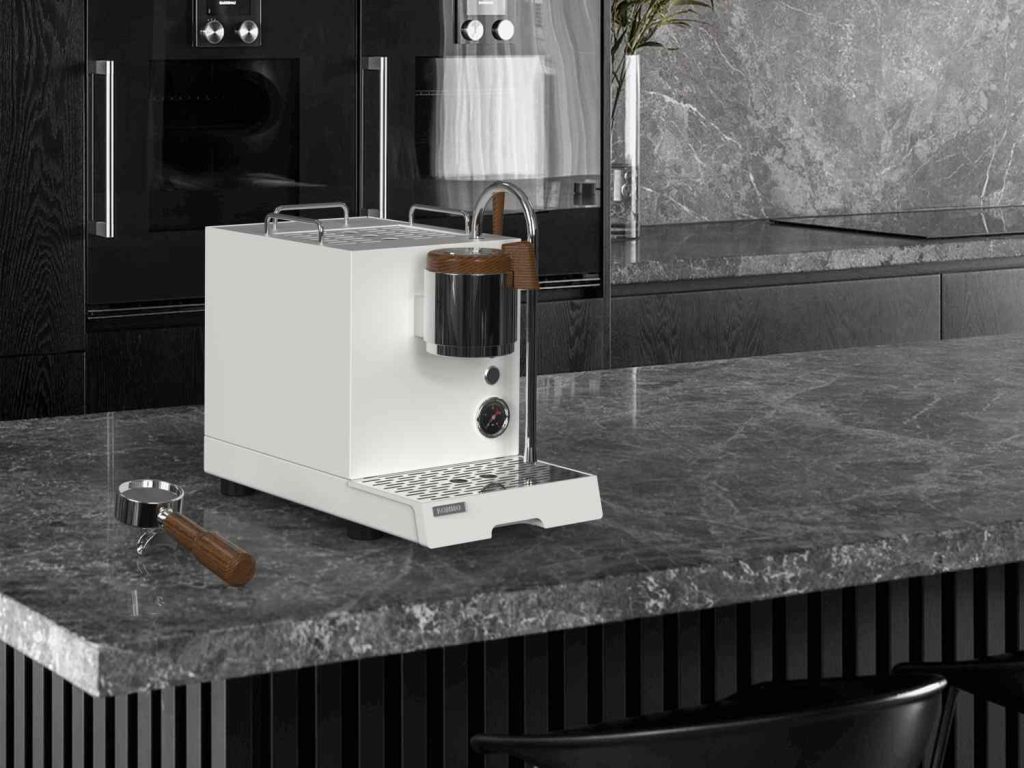
Descaling removes mineral scale that builds up on heating elements and inside the brew path. The standard range is once per month to every 6 months, and water hardness is the single biggest factor.
How Water Hardness Changes the Schedule
- Hard water: High dissolved mineral content builds scale quickly. Descaling once per month is common for very hard tap water.
- Soft/filtered water: Scale builds much more slowly. Most households with filtered water can descale every 2–3 months, and some soft water setups can stretch to 6 months.
- Test your water with an inexpensive hardness test strip to set your exact baseline. Adjust the schedule if you move or change your water source.
Always use a dedicated espresso machine descaler, not vinegar — vinegar can damage rubber seals over time. Follow the dose and soak time on the product label, and rinse thoroughly until all taste is gone.
Signs You Need to Descale Early
Do not wait for the calendar if you notice these symptoms:
- Slower water flow through the group head
- Louder pump noise
- Chalky, flat tasting espresso
- White crust buildup around the steam wand tip
- Uneven shots or cooler cup temperatures
- A lit descale indicator light on your machine
How Usage Affects Espresso Maker Cleaning Frequency
High-Volume Use (10+ drinks per day)
Café and busy kitchen schedules need tighter intervals:
- Mid-day wipe-downs of the portafilter and drip tray
- Detergent backflush every 1–2 weeks
- Shorter descaling intervals, since more water passes through the boiler each week Tracking shot count in a log makes the schedule easy to follow consistently.
Light/Occasional Use (1–2 drinks per day)
Household schedules can relax most intervals:
- Daily rinses still apply, and the detergent backflush can stretch to every 3 weeks
- Descaling can go to every 3–6 months with soft/filtered water
- Extra tip: Empty the water tank after a week of non-use, and run a fresh flush before your next shot.
FAQ
Can I use vinegar instead of commercial espresso descaler?
No — a dedicated descaler is safer for espresso equipment. Vinegar can degrade rubber seals over time with repeated use. Always follow the product label for dose and soak time, then rinse thoroughly with fresh water.
Does hard water make descaling necessary more often?
Yes. Hard water deposits mineral scale much faster, potentially requiring descaling as often as once per month. Soft or filtered water can extend the interval to every 2–3 months. A water test strip will show your exact hardness level in minutes.
Is a daily group head rinse really necessary?
Yes. It only takes seconds, and it flushes loose grounds and fresh oils out of the brew path before they go stale. Skipping it lets residue sit and turn bitter, which will negatively affect the flavor of your next shot.
What happens if I skip a week of cleaning?
Very little. Your machine will not be damaged by one missed session. Consistency over time matters more than perfect adherence. Just resume your normal routine at your next cleaning session.
How long does a full cleaning session take?
After-use tasks take 30 seconds. Weekly backflush and tank wash fit into one 10–15 minute sitting. A monthly deep clean plus descaling takes 30–45 minutes total. Quarterly filter checks add minimal extra time.