Yes, an espresso maker can absolutely make cappuccino. The machine brews the concentrated espresso base; you only need a method to froth milk to complete the drink. Three practical options work for most home kitchens: a built-in steam wand, a standalone electric frother, or a manual tool like a French press or whisk.
Each method fits a different setup: steam wands deliver café-level texture control, electric frothers work for small counters and fast routines, and manual tools cost the least and require no power outlet. This guide compares all three on cost, counter space, and foam quality, so you can pick the setup that matches your budget and daily routine.
Key Takeaways
- Espresso machines brew the coffee base for cappuccino; you only add a milk-frothing tool to finish the drink.
- A classic cappuccino uses equal parts espresso, steamed milk, and milk foam (the “rule of thirds”).
- Three frothing options work: built-in steam wands, standalone electric frothers, and manual tools like French presses.
- For the smoothest, glossiest foam, steam milk to 139–149°F (55–65°C) and avoid heating above 158°F.
- Consistent, glossy foam comes with practice; start with the tool you own and refine technique over time.
What Defines a Classic Cappuccino?
A traditional cappuccino follows the rule of thirds: one-third espresso, one-third steamed milk, and one-third milk foam. This balance creates a drink strong enough to taste the coffee, creamy enough to soften its intensity, and topped with a stable foam cap.
| Component | Proportion | Example (6 oz cup) |
|---|---|---|
| Espresso | 1/3 | ~1 oz (30ml) single shot, or 2oz double shot |
| Steamed milk | 1/3 | ~2 oz (60ml) |
| Milk foam | 1/3 | ~2 oz (60ml) |
You can also adjust the style to your taste:
- Dry cappuccino: thicker, separate foam cap for a stronger, more intense espresso flavor
- Wet cappuccino: more blended steamed milk for a creamier, sweeter, milder drink
What Features Does Your Espresso Machine Need?

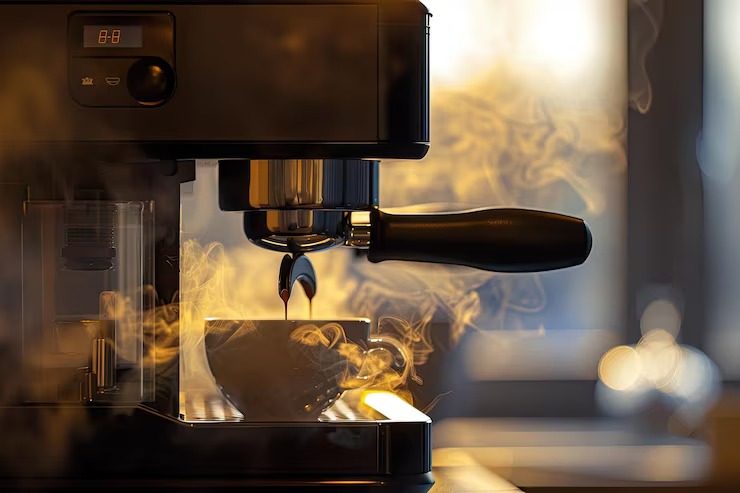
At minimum, the coffee machine must pull a proper pressurized espresso shot with a portafilter and group head. A pressure gauge makes extraction easier to monitor.
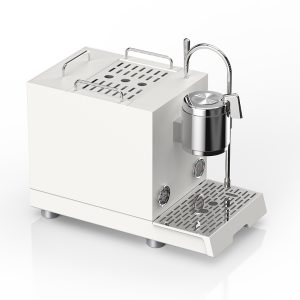
For all-in-one convenience, look for a model with a built-in steam wand. Machines with a dedicated steam boiler deliver the most consistent pressure for frothing, which makes it much easier to create fine, glossy microfoam.
That said, you do not need a machine with a steam wand to make cappuccino. A standalone frother or manual tool works perfectly well with any espresso maker.
3 Ways to Froth Milk for Cappuccino
All three methods produce usable foam for cappuccino; they differ in cost, effort, and texture control.
| Method | Foam Quality | Effort | Cost | Best For |
|---|---|---|---|---|
| Built-in steam wand | Best; glossy, fine microfoam | Requires practice | Highest (built into machine price) | Enthusiasts who want café-level control |
| Standalone electric frother | Consistent, smooth foam | Almost none; one-button operation | Low-moderate | Small kitchens, busy mornings, beginners |
| Manual tool (French press / whisk) | Coarser foam | More physical effort | Lowest | Budget setups, no power access |
- Steam wand: The gold standard for control. You can tune foam density by adjusting aeration time and whirlpool speed, and it creates the fine, wet microfoam used in cafés.
- Electric frother: The easiest option. Pour in cold milk, press a button, and get uniform foam in under a minute. No learning curve, but you cannot adjust texture as precisely.
- Manual tools: French presses, handheld whisks, and pump frothers all work. They cost the least, but produce slightly coarser foam and require more physical effort.
How to Make Cappuccino With an Espresso Machine
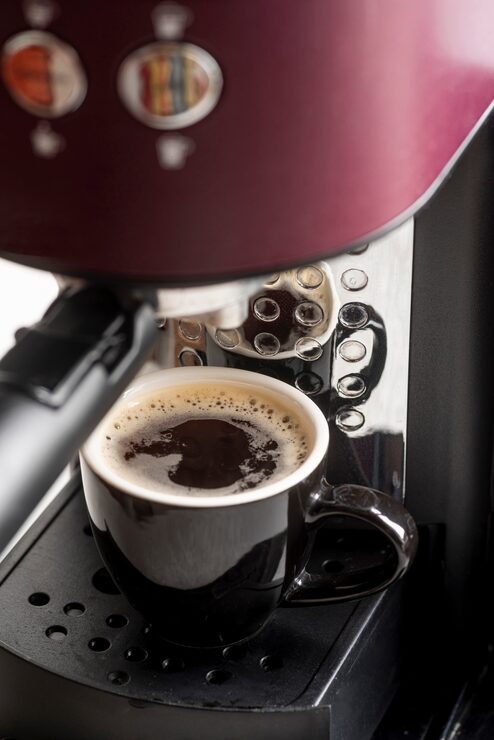
Step 1: Pull your espresso shot
Grind fresh beans, dose into your portafilter, tamp evenly, and pull a double shot (~2oz / 60ml) directly into your cappuccino cup. A strong, well-extracted espresso forms the backbone of the drink.
Step 2: Froth your milk (steam wand method)
This method produces the classic café-style glossy microfoam:
- Purge the steam wand briefly to clear condensation.
- Fill a small pitcher with cold milk (about 4oz for one drink), leaving room for volume expansion.
- Submerge the wand tip just below the milk surface, angled to one side.
- Stretch the milk: aerate for 5–10 seconds with a soft hissing sound to introduce tiny bubbles.
- Lower the wand deeper and churn the milk into a whirlpool to blend air into a smooth, glossy texture.
- Wipe the wand with a damp cloth and purge again.
- Tap the pitcher on the counter to pop large bubbles, then swirl to unify the foam.
Ideal milk temperature range (Specialty Coffee Association)
| Temperature Scale | Range | Limit |
|---|---|---|
| Fahrenheit | 139–149°F | Do not exceed 158°F |
| Celsius | 55–65°C | Do not exceed 70°C |
Milk heated above 158°F burns and turns bitter. Milk too cool will form large, unstable bubbles that collapse quickly.
Step 3: Combine and serve
Pour steamed milk into the espresso, holding back thicker foam with a spoon. Spoon a thin, even layer of foam on top. For a wet cappuccino, swirl to blend; for a dry cappuccino, keep the foam as a distinct cap.
Pro Tips for Better Homemade Cappuccino
- Always use cold milk straight from the fridge. Cold milk aerates far better than room-temperature milk and gives you more time to build texture before it overheats.
- Use the right pitcher size. A pitcher that is too wide prevents a good vortex; one too narrow limits expansion. A small 12–16oz pitcher works best for single drinks.
- Clean the steam wand immediately. Wipe it with a damp cloth and purge after every use. Dried milk inside the tip clogs holes and ruins steam quality.
- Practice one variable at a time. Master the stretch phase first, then work on whirlpool technique. Most people get consistent foam after 5–10 practice sessions.
FAQ
Can a machine without a steam wand still make cappuccino?
Yes. A standalone electric frother, French press, or handheld whisk can froth the milk. The espresso machine brews the coffee base, and the separate frother finishes the drink.
How much milk should I put in the pitcher?
About 4oz works well for one cappuccino. Leave extra headroom, because milk volume roughly doubles during steaming. Always start with cold milk for the best foam.
Does an electric frother replace a steam wand?
It comes very close for home use. Electric frothers deliver consistent, even foam with almost no effort. Steam wands give finer control over texture and are better for latte art, but both produce a drinkable cappuccino.
Why does my foam collapse after pouring?
Overheated milk loses its structure and will collapse quickly. Stay within the 139–149°F recommended range, and pour soon after frothing. Tapping and swirling the pitcher before pouring also helps unify bubbles for a more stable foam.
Which espresso machine feature matters most for cappuccino?
Consistent steam pressure and stable brew temperature are the most important. A dedicated steam boiler is ideal, but even single-boiler machines work with practice. Also confirm the machine fits a double portafilter basket for standard shot sizes.