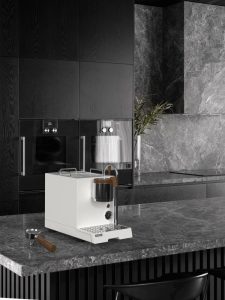

The core difference between a moka pot and an espresso machine comes down to brewing pressure. Espresso machines push hot water through coffee grounds at a consistent 9 bars of pressure via a mechanical pump, while stovetop moka pots only generate 1–2 bars of pressure from steam. This pressure gap creates dramatic differences in flavor, texture, and brewing method: moka pot coffee is bold and concentrated, but it is not true espresso — it lacks the thick syrupy body and golden crema that only high pressure can produce.
This guide breaks down all key differences in brewing mechanics, flavor, technique, and cost to help you pick the right brewer for your daily routine.
Key Takeaways
- Espresso coffee machines use 9 bars of pump pressure to produce true espresso with a thick, syrupy body and golden crema.
- Moka pots use 1–2 bars of steam pressure to make strong, concentrated coffee, with no crema and a lighter mouthfeel.
- Espresso requires a very fine, even grind and precise technique to pull consistent shots; moka pots use a medium-fine grind and are far more forgiving.
- Moka pots are low-cost, simple to use, and easy to clean, making them ideal for quick, bold stovetop coffee.
- Choose an espresso machine for authentic espresso and full brewing control; choose a moka pot for affordable, low-effort strong coffee.
Core Differences Between a Moka Pot vs. Espresso Machine
| Factor | Espresso Machine | Moka Pot |
|---|---|---|
| Brewing pressure | ~9 bars from a mechanical pump | 1–2 bars from stovetop steam |
| Brew time | 25–30 seconds per shot (plus warm-up) | 4–5 minutes per full pot |
| Grind size | Very fine, evenly ground | Medium-fine |
| Core technique | Dosing, tamping, dialing in extraction | Loading the basket, monitoring flow |
| Texture | Thick, syrupy body with crema | Bold, concentrated, no crema |
What Defines True Espresso?
Espresso is a specific brewing method, not just any strong coffee. To qualify as true espresso, three core variables must work in tandem:
- 9 bars of consistent pressure from a mechanical pump to force water through a compacted coffee puck
- Stable, precise brew temperature to extract balanced flavor from shot to shot
- Very fine, uniform grind that creates resistance to the pressurized water
A standard espresso shot extracts in 25–30 seconds. This short, high-pressure process pulls concentrated dissolved solids and oils from the grounds, producing a drink with a dense, syrupy mouthfeel. The most visible marker of true espresso is crema: a thick, golden layer of foam on top, created when pressure traps tiny gas bubbles and emulsified coffee oils.
The level of control is also what makes espresso machines more expensive and technique-dependent. A skilled user can adjust grind size, dose, and temperature to fine-tune sweetness, acidity, and bitterness for perfectly repeatable results.
How Does a Moka Pot Work?
A stovetop moka pot uses a simple three-chamber design:
- Bottom chamber holds water
- Middle filter basket holds medium-fine coffee grounds
- Top chamber collects finished brew
Heat from a stove burner brings the water to a boil, and the resulting steam builds 1–2 bars of pressure that pushes hot water upward through the coffee bed and into the top chamber. A full brew takes 4–5 minutes over medium heat.
The resulting coffee is bold and concentrated, but it does not qualify as espresso. Without high pressure, it cannot produce crema or the dense, syrupy texture of a true espresso shot. Many people colloquially call it “stovetop espresso,” but this refers to its strength and serving size, not its brewing method.
Moka pots are very forgiving to use. Simple best practices — starting with hot water, removing the pot from heat once flow slows, and keeping the lid closed — prevent scorching and bitter flavors. The concentrated brew also works well as a base for lattes and cappuccinos, as it holds up to steamed milk without tasting watery.
Deeper Comparison of Moka Pot vs. Espresso Machine: Flavor, Consistency, and Lifestyle

Flavor & Texture
Both coffee brewers produce strong coffee, but the experience is very different:
- Espresso: Dense, full-bodied, with layered flavor and a creamy mouthfeel from emulsified oils. High pressure extracts complex aromatic compounds that low-pressure brewing cannot replicate.
- Moka pot: Bold, intense, and straightforward, with a lighter body than espresso. It delivers strong coffee flavor but lacks the depth and syrupy texture of true espresso.
Consistency & Control
- Espresso machines deliver extremely consistent results when dialed in. Stable pressure and temperature mean every shot matches the last, and a skilled user can adjust variables to fix sour or bitter shots.
- Moka pot results vary more. Flame height, starting water temperature, and grind size all shift the final flavor from brew to brew. What it lacks in precision, it makes up for in simplicity: no tamping, no fine-tuning, and minimal learning curve.
Cost, Space & Upkeep
- Cost: Moka pots cost a small fraction of even entry-level espresso machines. They have no pumps, electronics, or precision heating elements, so the base price is very low.
- Space: Moka pots are compact and easy to store in a cabinet. Espresso machines are bulkier and almost always stay on the countertop.
- Cleanup: Moka pots only require a quick rinse and air dry. Espresso machines need regular basket rinses, periodic backflushing, and more ongoing maintenance.
Moka Pot or Espresso Machine: Which Should You Choose?
Pick an espresso machine if:
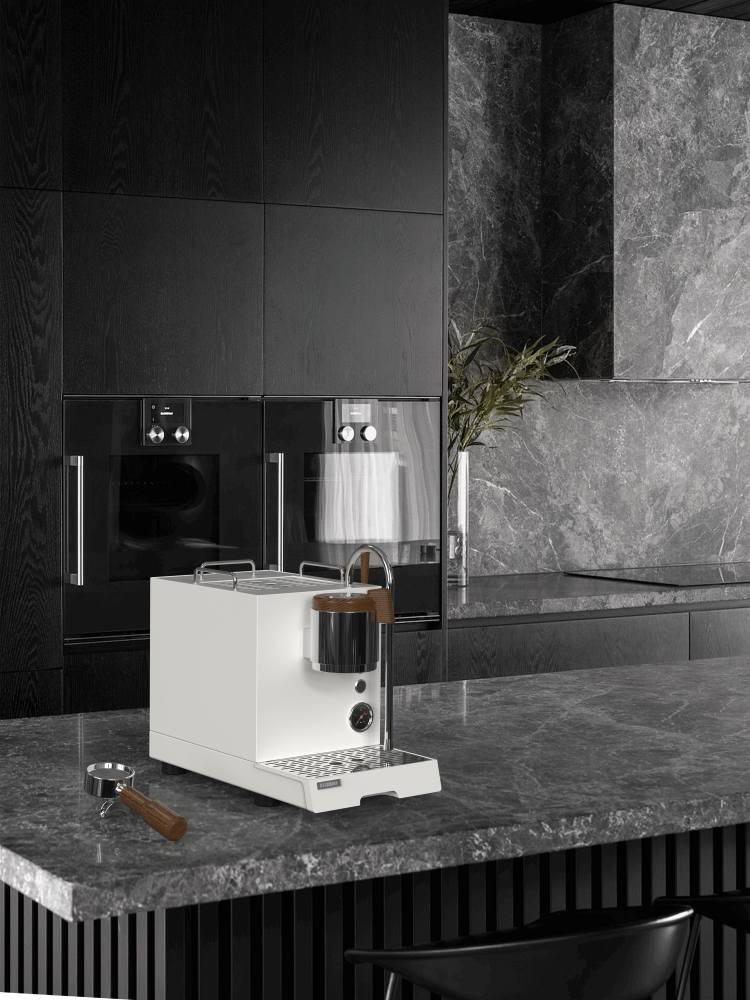
- You want authentic espresso with crema and a thick, syrupy body
- You enjoy fine-tuning brew variables and value shot-to-shot consistency
- You regularly make milk drinks like lattes or cappuccinos and want the best possible base
- You have counter space and budget for the equipment
Pick a moka pot if:
- You want strong, concentrated coffee with minimal gear and low cost
- You prefer a simple, low-effort morning routine
- You have limited counter space or need a brewer you can store away
- You want an affordable base for homemade milk drinks
FAQ
Does a moka pot brew at the same pressure as an espresso machine?
No. A pump espresso machine builds ~9 bars of pressure, while a stovetop moka pot only reaches 1–2 bars from steam. This gap is why moka pot coffee has no crema and a lighter body.
Why does espresso taste thicker than moka pot coffee?
High pressure forces oils and dissolved solids into a small volume of liquid, creating a syrupy texture and golden crema. Low-pressure stovetop brewing cannot reproduce this texture, even with a very fine grind.
How long does each method take?
An espresso machine pulls a single shot in 25–30 seconds, but requires warm-up time first. A moka pot brews a full pot in 4–5 minutes on the stove. Both fit a typical morning routine, just at different paces.
Do I need a different grind for each brewer?
Yes. True espresso requires a very fine, even grind that can resist 9 bars of pressure. Moka pots use a medium-fine grind; too fine will block the gentle steam flow and cause bitter, over-extracted coffee.
Can I use moka pot coffee for lattes?
Absolutely. The concentrated brew stands up well to steamed milk without tasting watery. The flavor profile will differ from a true espresso latte, but it still makes a satisfying drink.