

Limescale builds up invisibly inside your coffee machine long before it affects your drink, but there are clear, easy-to-spot warning signs. White chalky residue, off-flavors, slow brewing, and unusual noises all point to mineral buildup, and catching these signs early protects both flavor and machine lifespan.
This guide breaks down every common descaling warning signal, explains what each one means, and helps you tell the difference between normal wear and limescale damage. If you notice any of these symptoms, it is time to run a descaling cycle.
Key Takeaways
- Look for white chalky mineral buildup around the water outlet, shower screen, and steam wand tip.
- Watch for bitter, metallic, or flat weak coffee that cannot be explained by bean or grind changes.
- Slow water flow and longer brew times are the most reliable sign of narrowed internal pathways from scale.
- Listen for gurgling, hissing, or groaning sounds that get louder over time.
- Descend when you see any warning sign, or when your machine’s built-in descaling light activates.
Visible Signs of Limescale Buildup in Coffee Machines
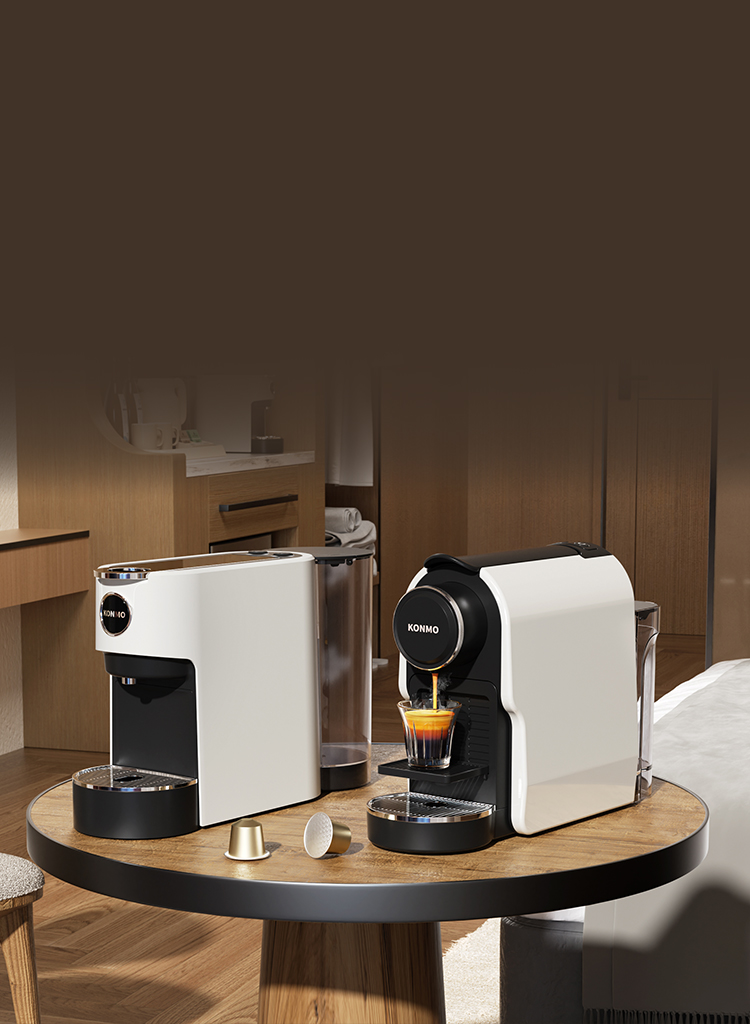
Visual checks are the fastest way to confirm surface scale, and a coffee machine manufacturer can help identify suitable inspection and maintenance practices. You can perform these checks in 10 seconds with no tools.
White Chalky Deposits Around Outlets
Limescale leaves a matte, chalky white or pale gray residue that feels rough to the touch. It accumulates most noticeably around the brew spout, shower screen, and steam wand tip.
This residue forms when dissolved calcium and magnesium in hard water precipitate out every time the water heats up. Early buildup is thin and easy to miss, but over time it thickens enough to narrow the water outlet. Uneven water flow from a blocked spout causes uneven coffee extraction, which leads to bitter or imbalanced flavor. Trapped coffee oils and acids on the crusted surface also oxidize between brews, adding stale, hollow off-notes to every cup.
Cloudy Water & Floating Mineral Flakes
If you lift the water tank and see hazy, cloudy water with fine white flakes floating at the bottom, scale is already shedding from internal heating elements and pipe walls. This is a sign of advanced buildup — loose mineral pieces are breaking off and circulating through the system.
Clogged components follow as grit collects in filters, spouts, and narrow brew channels. You may notice an uneven, dripping stream instead of a steady pour, and puddles forming on the drip tray.
Changes in Coffee Taste & Aroma
Taste is often the first warning sign of internal scale that is not yet visible from the outside.
Bitter, Metallic or Hollow Flavor
Limescale narrows internal water pathways and disrupts even flow through the coffee puck. Some areas of grounds over-extract and release harsh bitter compounds, while others under-extract. The result is a sharp, lingering bitterness that does not match your usual bean and grind settings.
A metallic or tinny taste comes from oxidized coffee oils and acids trapped in the mineral crust on the shower screen and group head. Each new brew picks up a thin layer of this stale residue, and the off-flavor grows stronger as the scale layer thickens.
Weak, Watery Coffee & Faded Aroma
Weak coffee usually signals a flow restriction, not a strength setting issue. Scale buildup reduces the volume of water that reaches the grounds during the standard brew cycle, so the final cup tastes thin and watery, with much less aroma.
Scale coating heating elements also makes heat transfer less efficient, so water arrives cooler than the set temperature. Combined with restricted flow, this produces flat, under-extracted drinks with muted scent. Machines with dual thermoblocks or dual pumps may show this unevenly — the brew side weakens first, while steam performance stays mostly normal.
Changes in Coffee Machine Performance
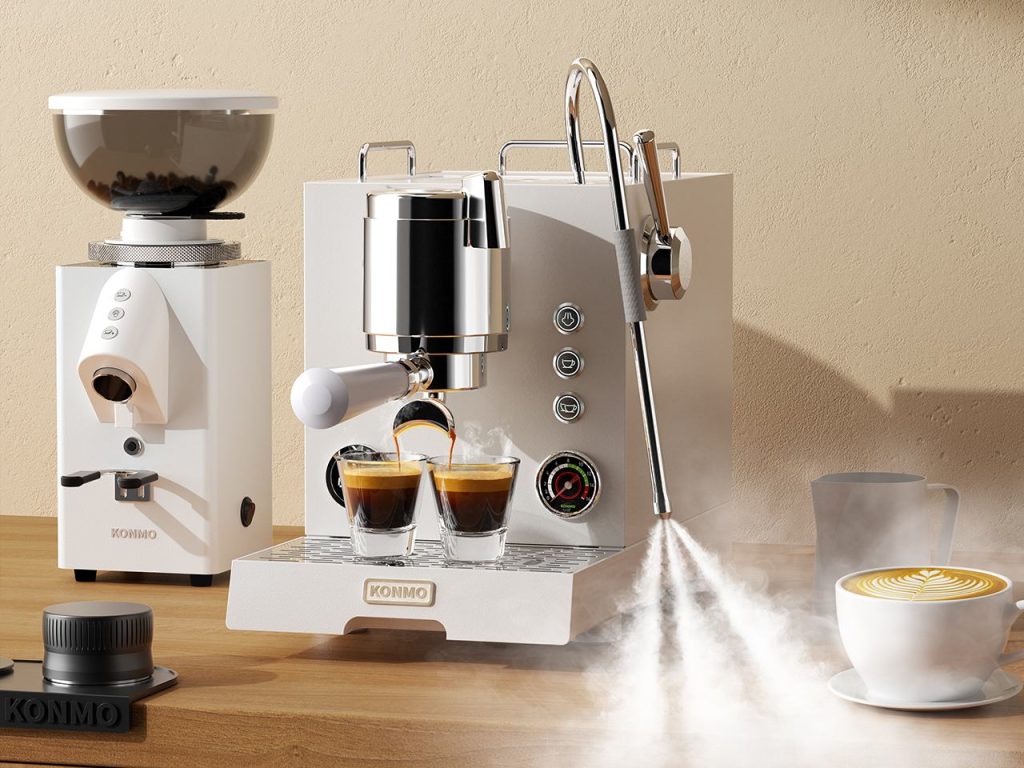
Functional changes are the most reliable indicator of significant internal scale buildup.
Slow Water Flow & Longer Brew Times
As mineral deposits coat the inside of pipes and channels, they narrow the available path for water. The pump has to work harder to push water through, so brew cycles stretch longer and longer. A shot that once poured in 25–30 seconds may take 40+ seconds, and the stream thins to a trickle.
Slowdown happens gradually, so it is easy to miss week over week. If you track your normal brew time as a baseline, you will notice a steady increase as scale builds up. A full descaling cycle almost always restores original flow speed.
Inconsistent Temperature & Pressure
Scale insulates heating surfaces, so heat cannot transfer evenly into the water. This causes temperature to drift from shot to shot — one cup may be weak and cool, the next harsh and overheated. Pressure varies for the same reason, as the pump fights against restricted pathways.
This inconsistency is one of the most frustrating effects of limescale, because it makes repeatable results impossible. If your machine once produced very consistent shots and now produces random quality, scale on the heating element is the most likely cause.
Unusual Noises and Machine Warning Signs
Gurgling, Hissing or Groaning Sounds
A well-maintained coffee machine runs with a smooth, steady hum. When scale restricts water flow, the pump struggles against resistance and creates gurgling, bubbling sounds as water forces through narrow passages.
Hissing is common near the steam wand or group head, where partially blocked pathways cause water to flash to steam unevenly. Groaning or rattling comes from the pump working harder than normal, with vibration traveling through the machine housing. These sounds never go away on their own — they will only get louder as buildup worsens.
Descaling Warning Lights & Error Codes
Most modern coffee machines include an automatic descaling reminder. A light will glow, an icon will blink, or an error code will appear on the display when the internal counter reaches its preset limit.
These reminders are a guide, not a perfect schedule. They may trigger too early with very soft water, or too late with very hard water. Always descend if you notice physical or flavor signs, even if the warning light has not come on yet. Check your user manual for the exact reset procedure after completing a descaling cycle.
FAQ
How often should I descale my coffee machine?
It depends on water hardness and how much you brew. Hard water and daily use require descaling every 1–2 months. Soft water and light use can stretch to 3–6 months. Always descale as soon as you notice warning signs, regardless of schedule.
Can I use vinegar to descale my coffee machine?
Vinegar dissolves some mineral buildup, but it leaves a strong persistent odor and can degrade certain rubber seals and metal components over time. A coffee-machine-specific descaling solution is the safer, more effective choice. Always follow the product recommendations in your machine manual.
What happens if I never descale my machine?
Scale will keep building layer by layer, slowing flow, distorting temperature, and ruining flavor. The pump will wear out faster from constant overwork, and heavy buildup can permanently damage heating elements and shorten the machine’s total lifespan.
How do I know if descaling worked?
Brew time should return to its original speed, with a steady even water stream. Coffee flavor should taste cleaner and more balanced, with normal aroma. White crust around the outlet and steam wand should be gone. If your machine has a descaling indicator light, it will reset after a completed cycle.
Can descaling fix a slow, bad-tasting coffee machine?
Yes, in most cases where limescale is the root cause. If performance and flavor do not improve after a full descaling cycle, the issue may be a worn pump, clogged filter, or another mechanical fault that requires service.